
Best Athletic Shoes for Supination 2026: Neutral Cushioned Fit Guide
Disclosure: We may earn a commission when you buy through links on this page, at no extra cost to you. As an Amazon Associate I earn from qualifying purchases. Learn more

Best athletic shoes for supination: why soft, flexible neutral shoes usually suit feet that roll outward, with features to compare and models to try.
Supination, sometimes called underpronation, means the foot rolls outward and the weight lands along the outer edge. Because the foot does not absorb shock as freely, the best athletic shoes for supination are usually neutral shoes with soft cushioning and a flexible forefoot.
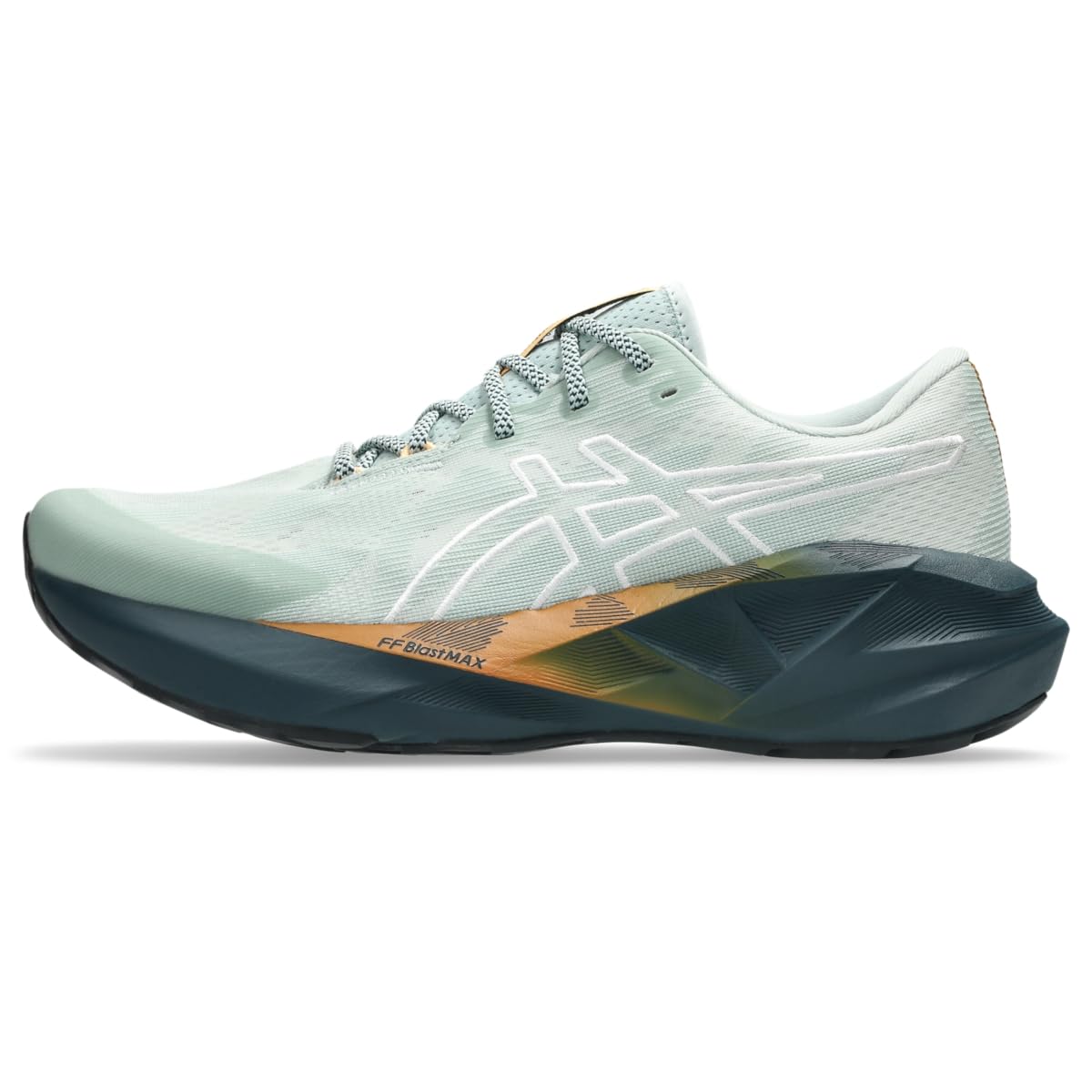
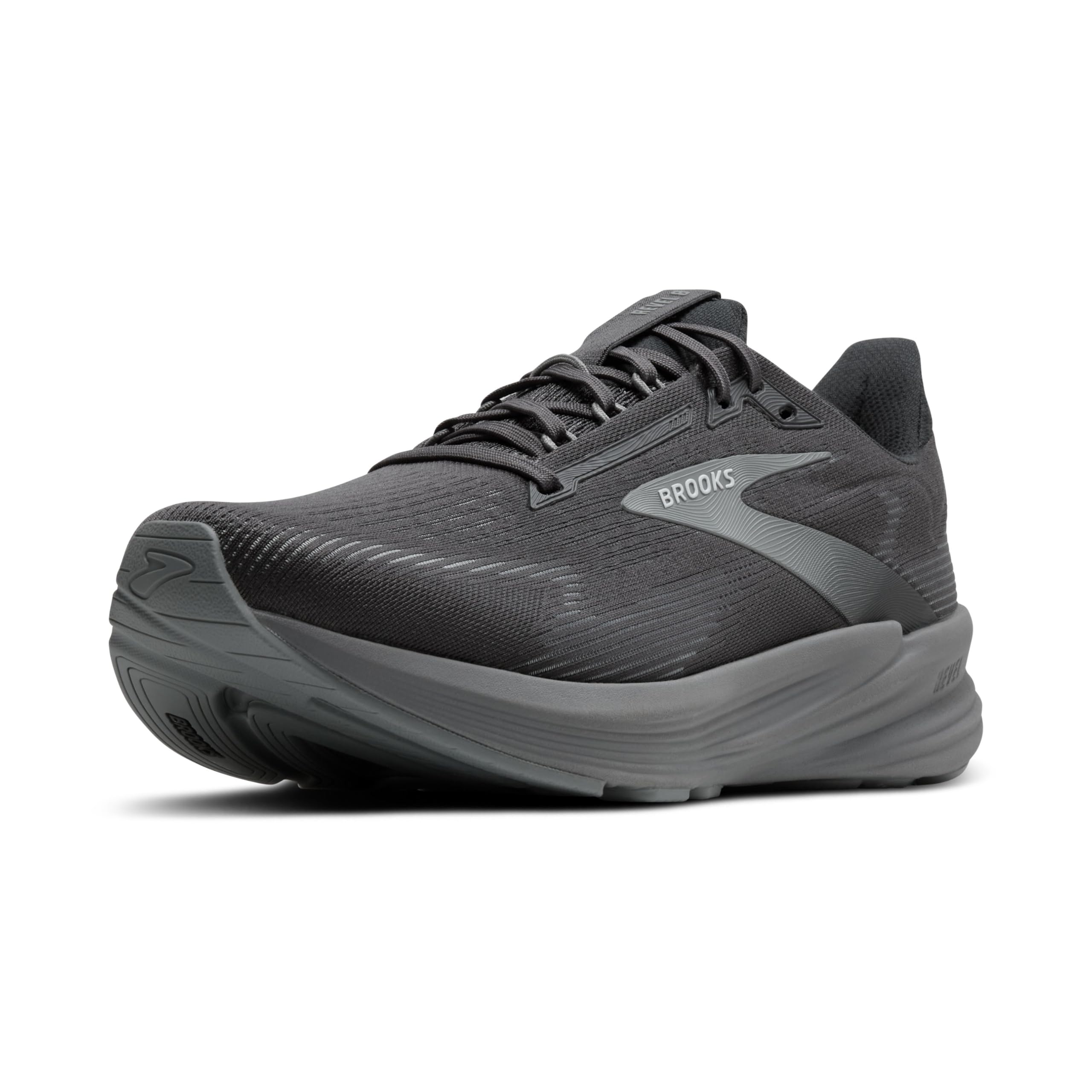
The product table lists cushioned neutral trainers from trusted brands. Read the guide first to see what to check.




Who Should Buy Which Type
If the outer edge of your old shoes wears out first, or you have a high, rigid arch, a cushioned neutral shoe is a sensible starting point. Stability shoes with firm medial support are designed for the opposite problem and can feel harsh on supinating feet.
Key Features of the Best Athletic Shoes for Supination
Soft, resilient cushioning
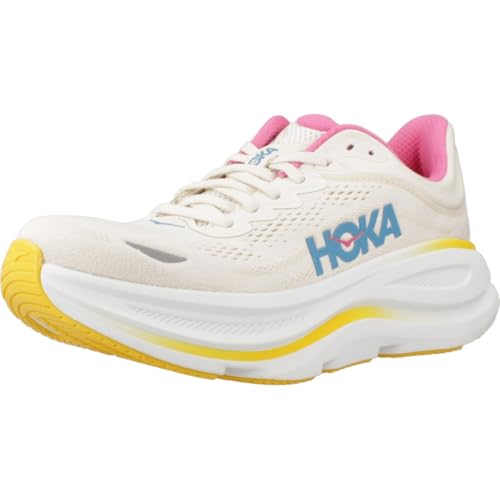
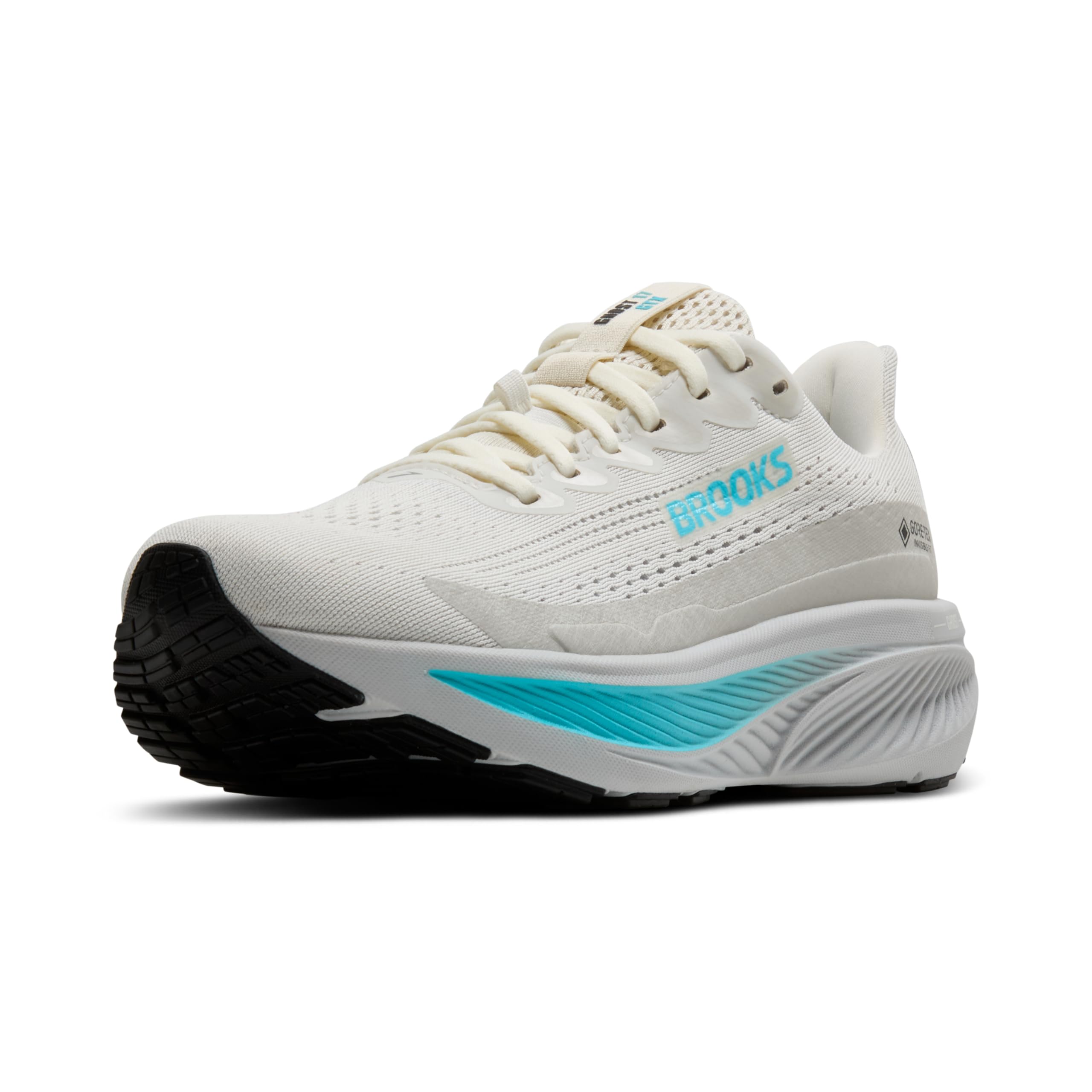
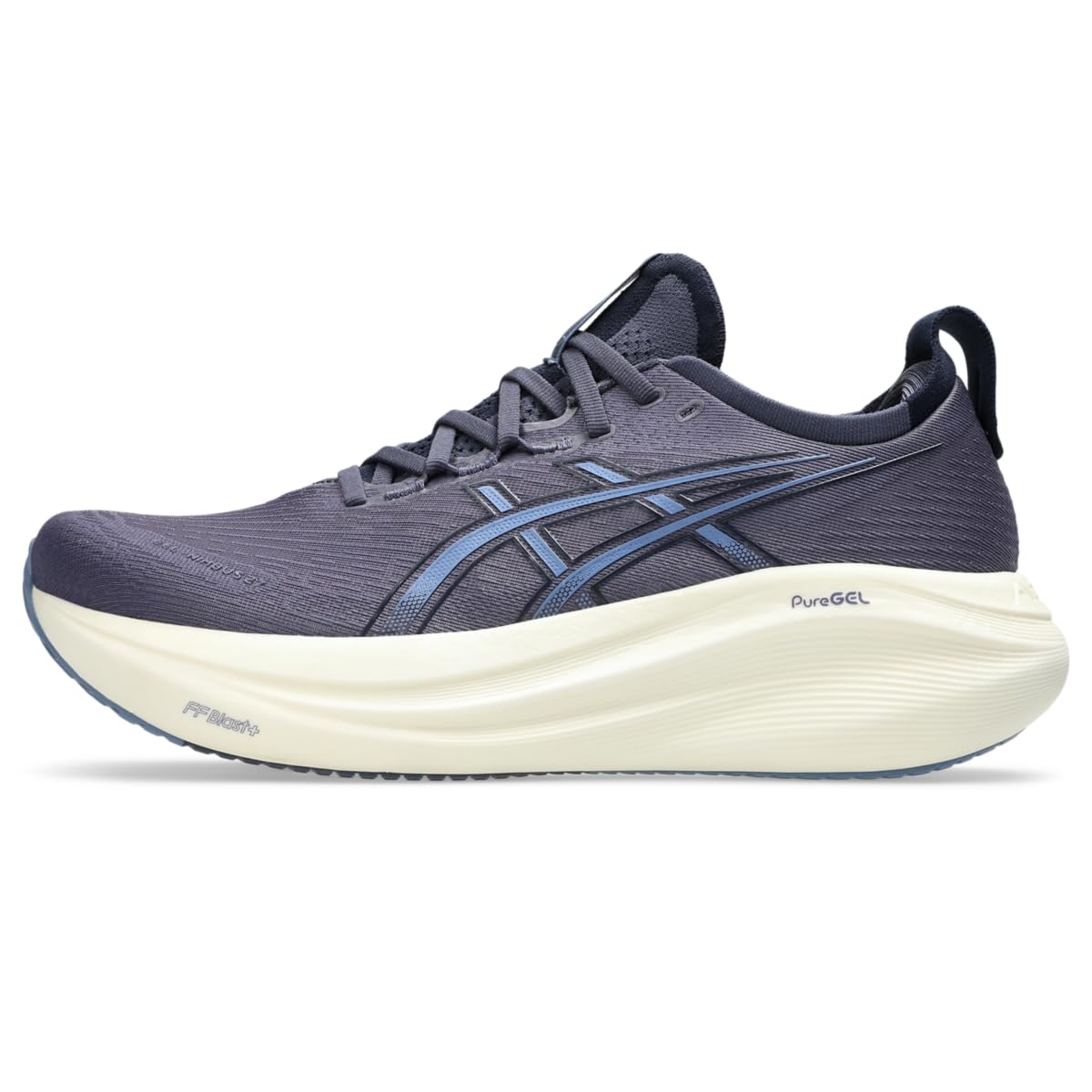
Extra foam under the heel and forefoot helps absorb shock. Hoka Bondi and Clifton, Brooks Glycerin and ASICS Nimbus are well known examples.
Flexibility
A shoe that bends easily at the ball of the foot lets the foot move naturally. Stiff shoes can add strain.
Neutral support
Look for a neutral label rather than stability or motion control. A flexible heel and a roomy toe box also help.
Lateral stability
A wide base on the outer edge can help control side to side movement without adding inward correction.
How to Compare Options and Set a Budget
Budget neutral shoes provide a basic cushioned ride for walking and short runs. Mid priced models add better foam, breathable uppers and a more refined fit. Premium shoes use thick, durable cushioning for long distances. Last season's models are often discounted and feel very similar.
Care, Safety and Common Mistakes
- Do not buy stability shoes unless you need them.
- Replace shoes when the cushioning feels flat or the outer edge wears through.
- Choose a size with room at the toes.
- Ask a clinician about pain, since shoes alone may not solve it.
A Final Check Before You Buy
Try shoes later in the day, jog or walk a few steps and check heel hold, toe room and flexibility. Look at the return policy before you order.
Sizing and Fit Checklist
- Try shoes later in the day, with your usual socks.
- Leave a thumb's width in front of the longest toe.
- Check that the heel stays put and the shoe flexes at the ball of the foot.
- Walk or jog a few steps and note how the outer edge feels.
Walking, Running and Gym Use
For runs, choose a neutral trainer with soft foam. For walking and standing, cushioned walking shoes with a flexible forefoot help. For gym classes, a cross trainer with a roomy toe box and firm heel gives a stable base without the thick foam that can wobble during lateral moves.
Typical Specs of Neutral Cushioned Shoes
Neutral trainers usually have a heel stack of 30 to 40 mm, a heel to toe drop of 4 to 10 mm and a weight of 8 to 11 ounces for a women's size 8. Soft, flexible forefoot designs bend easily at the toes. Medium and wide widths are common, and a roomy toe box helps because high arched feet can feel pressure at the edges of the toes.
Choosing the right cushioning level
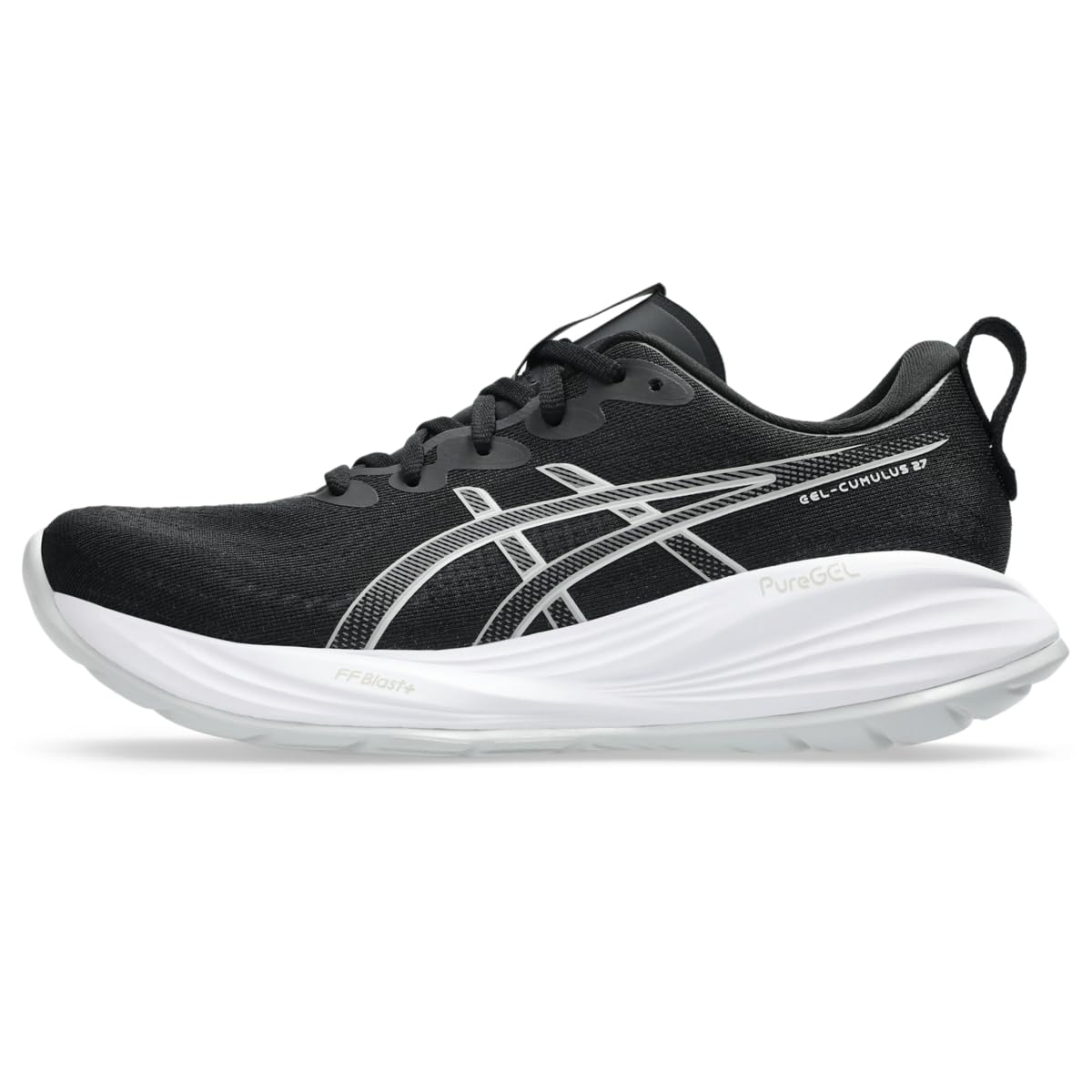
Maximum cushion shoes such as the Bondi give the softest landing, while moderate cushion models such as the Ghost and Cumulus keep a more natural feel. If you run on hard roads, lean toward more cushion. If you like a lively feel, choose a responsive foam such as the one in the Novablast.
Lacing for high arches
High arches can make the top of the foot feel tight. Skip the eyelet over the highest point or use a window lacing pattern to relieve pressure while keeping the heel locked.
Price Tiers and Value
Cushioned neutral trainers cost roughly 70 to 180 dollars. Last season's models can fall to 70 to 110 dollars. Premium shoes with advanced foams offer a softer, longer lasting ride.
Why Shock Absorption Matters
Feet that roll outward tend to land on the outer edge, which concentrates impact. Soft, resilient midsoles and a flexible forefoot spread that load. A slight rocker shape can help the foot move through stance without much side to side motion. Avoid very stiff or very firm shoes, which can feel harsh, and keep an eye on outer edge wear so you know when the shoe has done its job.
Trail and road
If you run on trails, choose a cushioned trail shoe with a wide base to limit ankle roll on uneven ground. For roads, a neutral cushioned trainer is the usual choice.
Reading Reviews and Fit Notes
Look for reviews from runners with high arches or outer edge wear. Notes on toe box height, forefoot softness and heel stability are useful. Comments that a shoe is firm or harsh are a warning sign for supinators, while words such as plush, cushioned and flexible point in the right direction.
Reading Fit Cues
If your pinky toe feels squeezed, try a shoe with a wider forefoot. If your arch feels poked, choose a flatter insole. If your heel slides, look at a firmer heel counter.
Related Guides
For more, read best shoes for supination, best shoes for over supination and best athletic shoes for pronation.
Frequently Asked Questions
What is supination?
The foot rolls outward on landing, putting more weight on the outer edge. It is also called underpronation.
Do I need motion control shoes?
No. Motion control shoes are for feet that roll inward. Neutral shoes are usually more comfortable for supination.
How do I know I supinate?
Check your shoes for wear on the outer edge, or ask a running store for a gait check.
Are insoles useful?
Cushioned insoles can add comfort. Make sure the shoe still fits well.
Should I get insoles?
Cushioned insoles can help, but the shoe still needs to fit well. Try them gradually.
Final Thoughts
Choose flexible, cushioned neutral shoes that fit well. Compare options in the product table, and the best athletic shoes for supination will feel soft, stable and natural from the first run.


