
Best Athletic Shoes for Plantar Fasciitis 2026: Cushion and Arch Support Guide
Disclosure: We may earn a commission when you buy through links on this page, at no extra cost to you. As an Amazon Associate I earn from qualifying purchases. Learn more

Best athletic shoes for planters fasciitis, also spelled plantar fasciitis: what to check in cushioning, arch support and heel fit before you buy.
If you searched for the best athletic shoes for planters fasciitis, you are looking for the same thing as plantar fasciitis shoes: footwear that spreads load across the foot and reduces strain on the band of tissue under the arch. Shoes cannot treat the condition, but a supportive pair can make walking, standing and training more comfortable.
The product table lists cushioned, supportive trainers and walkers from well known brands. This guide explains the features to look for and how to check the fit.

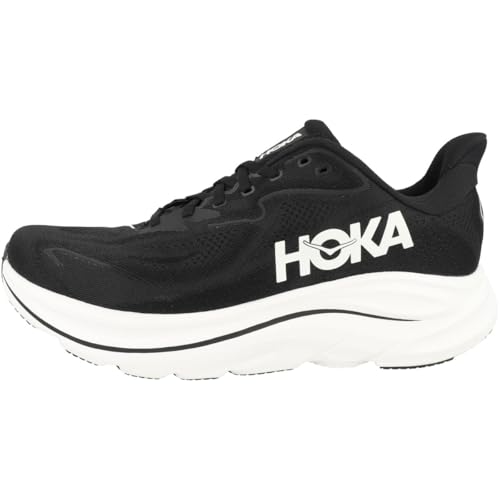

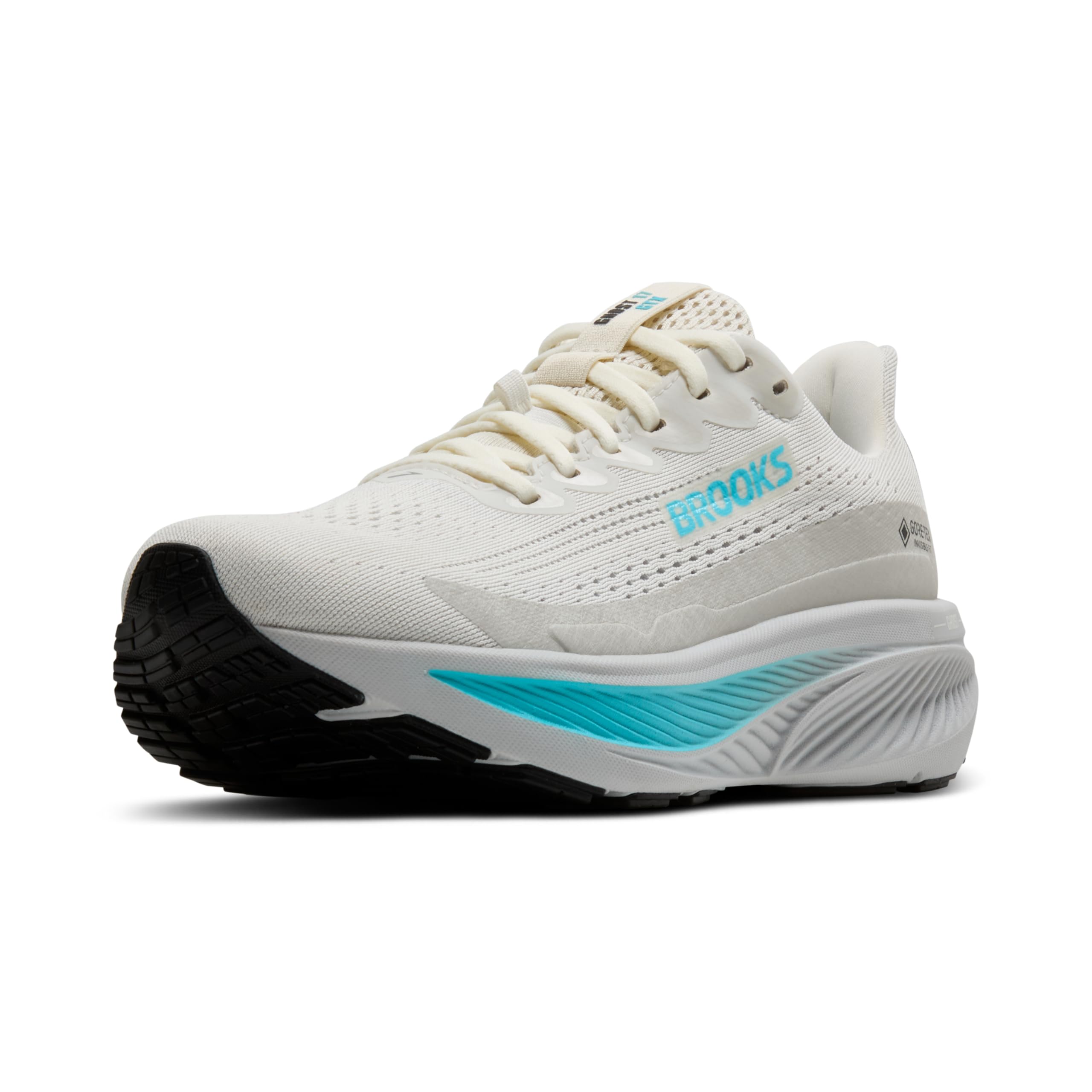
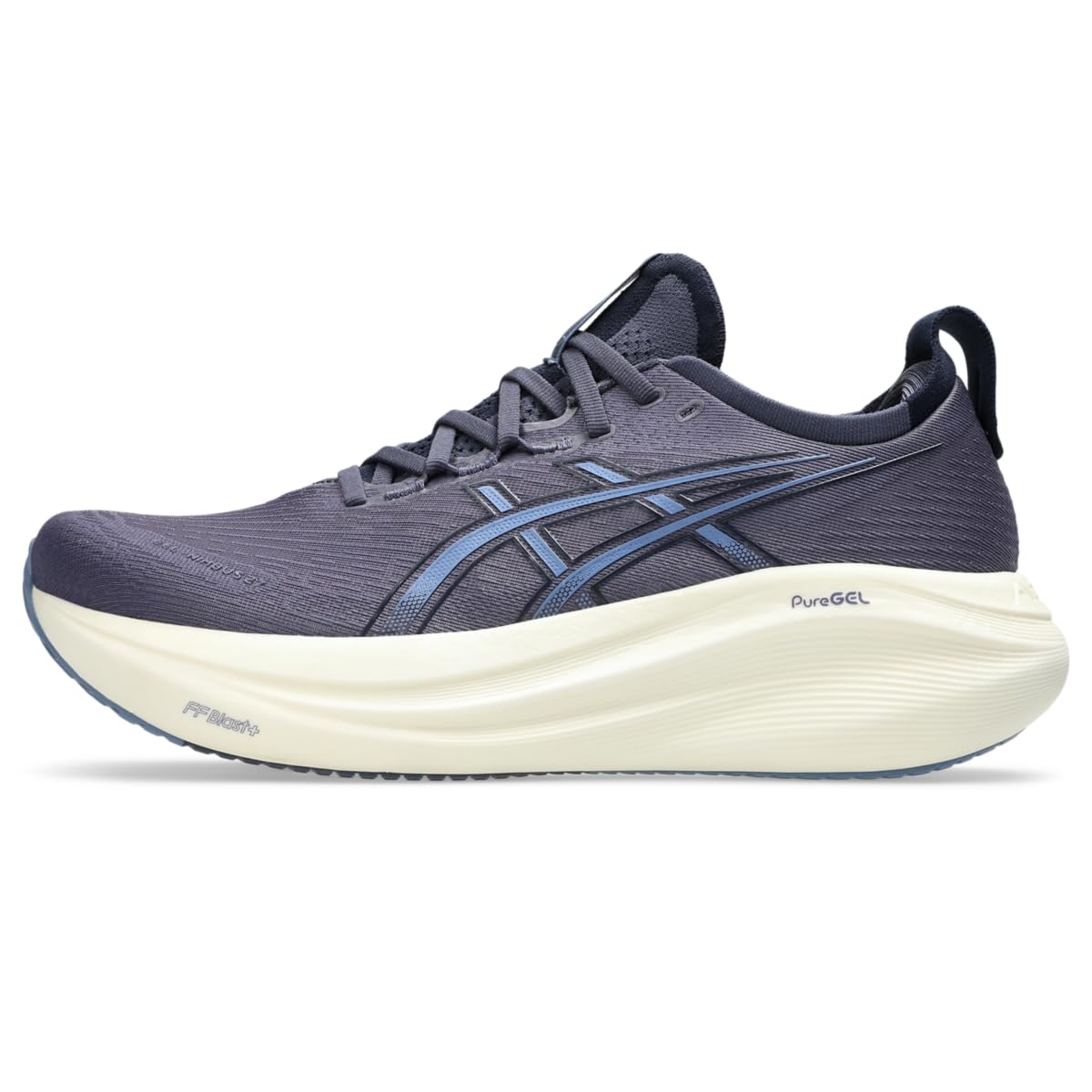
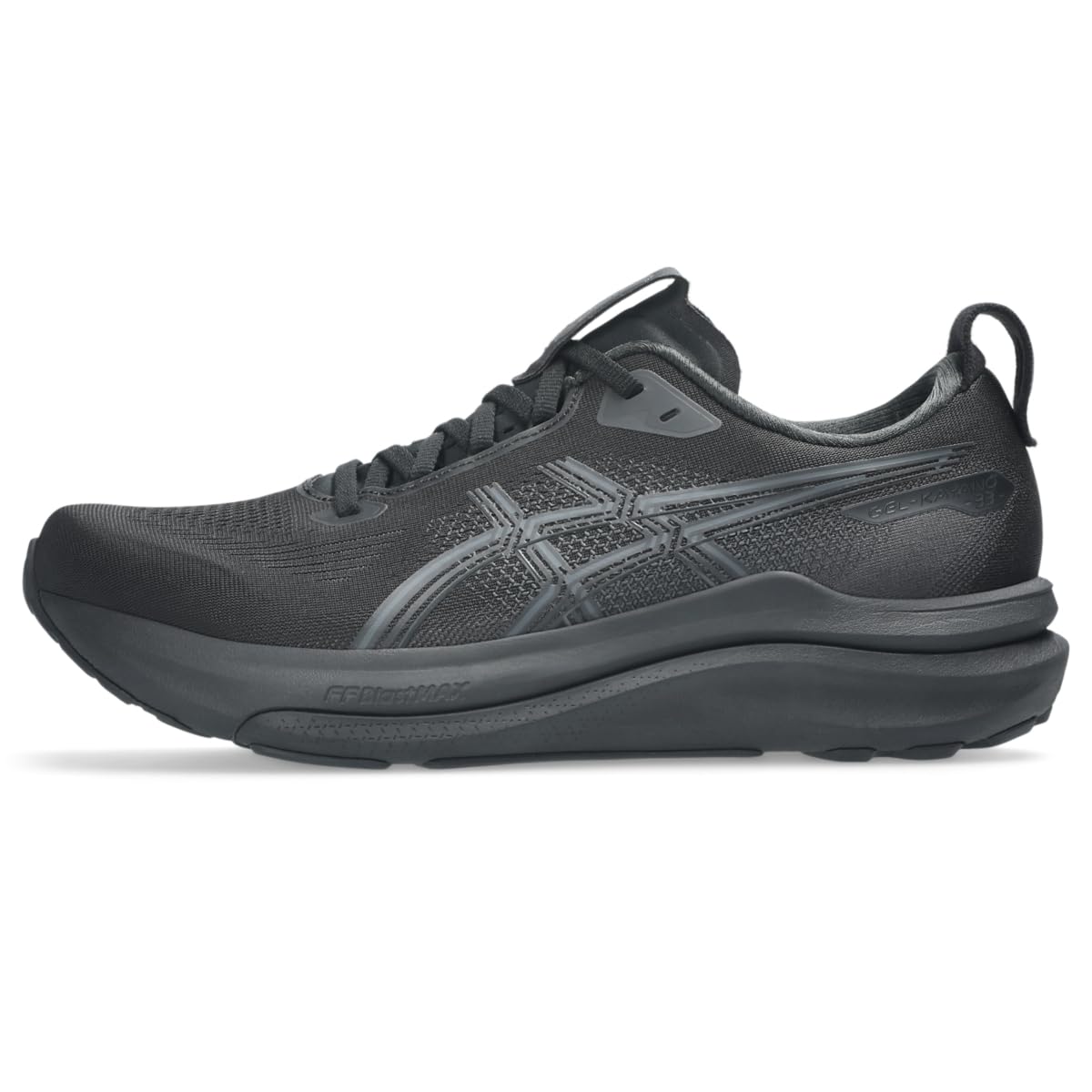


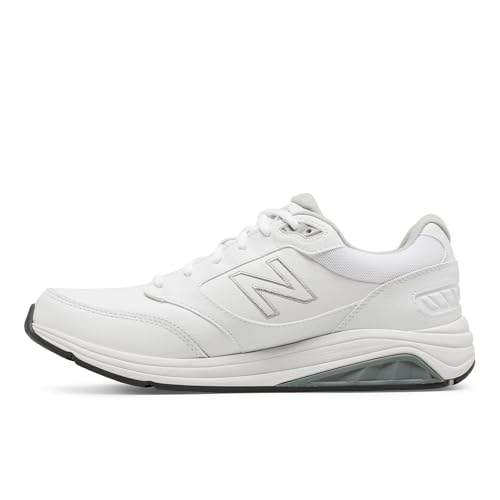
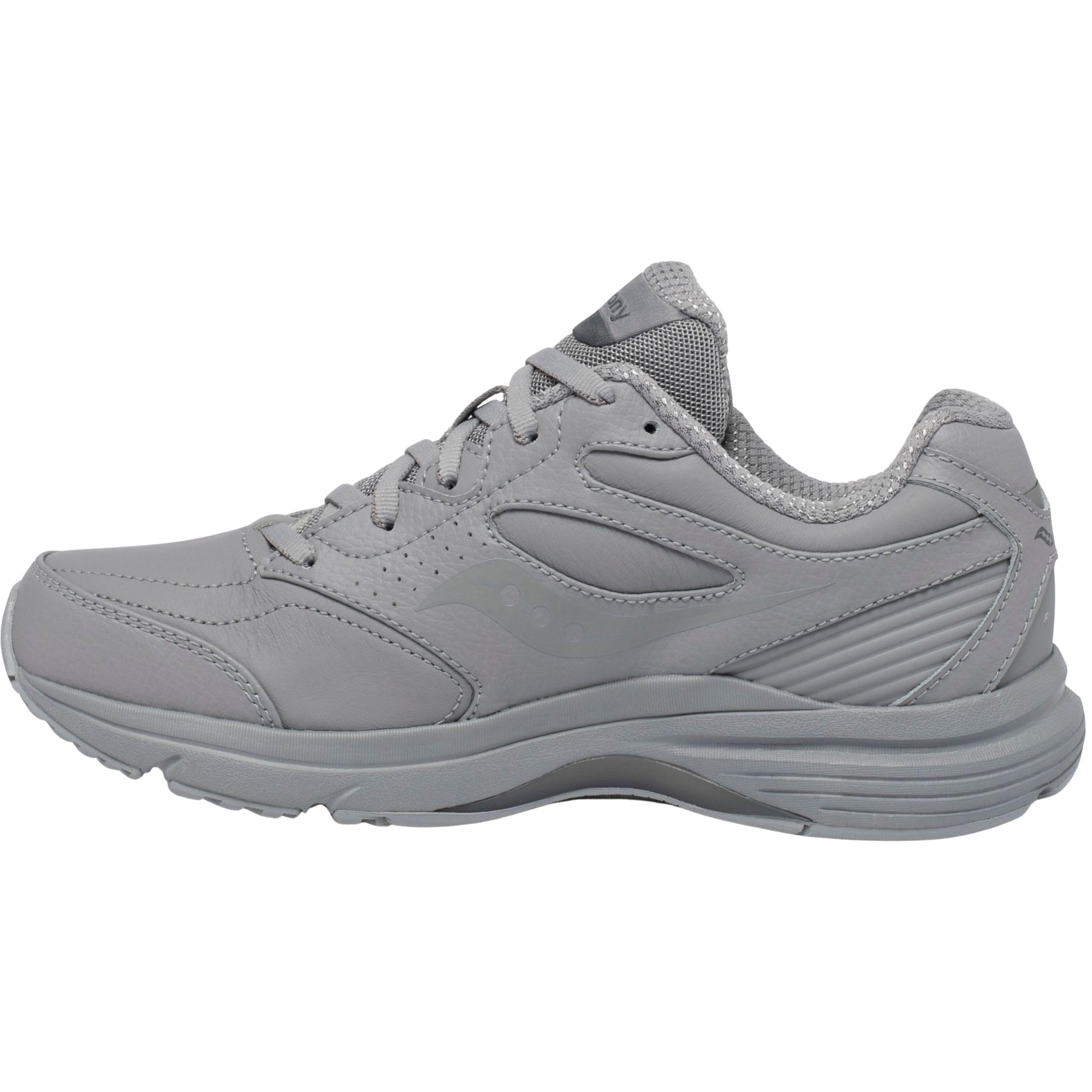
What to Look for in the Best Athletic Shoes for Planters Fasciitis
Arch support that matches your foot
A contoured insole or built in support keeps the arch from collapsing under load. Flat, thin insoles feel like cardboard and give little help. Removable insoles also let you swap in a custom or over the counter insert.
A firm heel counter
The cup at the back should hold your heel without rolling inward. Squeeze the heel with your fingers. It should not fold easily.
Cushioning and a moderate drop
Thick, resilient midsole foam softens each landing. Many buyers find a moderate heel to toe drop (roughly 8 to 12 mm) more comfortable than a very flat shoe, though preferences vary.
Flex at the toes, not the arch
Hold the shoe by the heel and toe and bend it. A good shoe bends at the ball of the foot, not in the middle of the arch.
Shoe Types Compared
Max cushion trainers such as the Hoka Bondi give a soft ride for walking and standing. Stability shoes like the Brooks Adrenaline GTS and ASICS Kayano add support for feet that roll inward. Orthopedic style walking shoes add built in arch contours. Walking shoes with a firmer base, such as the Brooks Addiction Walker, suit long days on hard floors.
Getting the Fit Right
Shop late in the day and wear the socks you plan to use. Leave a thumb's width at the toes, check that the heel does not slip and make sure the arch support sits where your arch is. Break new shoes in with shorter walks first. If foot pain is sharp, new or getting worse, or if you have diabetes or reduced feeling in your feet, see a doctor or podiatrist before relying on footwear alone.
Common Mistakes to Avoid
- Choosing a soft shoe without any arch support or heel hold.
- Wearing worn out shoes because they still look fine on the outside.
- Buying a tight size that squeezes the forefoot.
- Going barefoot or in thin flats on hard floors at home.
Typical Specs of Supportive Shoes
Look for a midsole stack of 28 to 38 mm at the heel and a heel to toe drop of about 8 to 12 mm. Stability and motion control models weigh roughly 9 to 13 ounces. Removable insoles, usually 4 to 6 mm thick, let you add an over the counter or custom insert. A rocker shaped sole, found in many Hoka models, lowers strain at the forefoot during toe off.
Insoles and orthotics
Over the counter arch supports are common and inexpensive. Custom orthotics from a podiatrist cost more and are made for your feet. Either way, take the factory insole out, check that the shoe still has depth and keep the heel locked.
Shoes to avoid for daily wear
Thin soled flats, flip flops and worn out trainers give little cushioning. Go for a supportive shoe even around the house if your feet feel sore in the morning.
Replacement timing
Most athletic shoes lose their cushioning after roughly 300 to 500 miles of walking or running. If you wear them for long shifts, check the midsole for wrinkles and the outsole for smooth spots every month or two.
Price Tiers and Value
Orthopedic style and value brands cost about 50 to 90 dollars. Mainstream cushioned trainers run 100 to 170 dollars. Last season's versions of premium shoes can be a good value. Buy the best you can afford, since cushioning and support wear out with use.
Morning Routine and Shoe Habits
Many people with heel pain feel it most in the first steps of the day. Put on supportive shoes before you stand up, keep a pair by the bed, and ease into the day instead of walking barefoot on hard floors. Calf and foot stretches that a clinician recommends can be part of a routine alongside good footwear.
Related Guides
See more options in best shoes for planters fascia, best men's athletic shoes for plantar fasciitis and best women's athletic shoes for plantar fasciitis. For warm weather, read best athletic sandals for plantar fasciitis.
Frequently Asked Questions
Why is plantar fasciitis sometimes written as planters fasciitis?
It is a common misspelling. The correct term is plantar fasciitis, named for the plantar side, or sole, of the foot. Both spellings lead to the same type of shoe guidance.
Can the right shoes cure it?
No. Shoes can reduce strain and add comfort, but they are not a cure. A clinician can suggest stretching, insoles or other care.
Should I replace the insoles?
Many people add a supportive insole to a shoe with a roomy interior. Make sure the shoe still fits well with the insole in place.
How often should I replace my shoes?
Athletic shoes usually last a few hundred miles of walking or running. Replace them when the cushioning feels flat or the tread is worn.
Are slides or sandals okay?
Supportive sandals with a contoured footbed can help indoors or at the beach, but athletic shoes are better for exercise and long walks.
Should I wear supportive shoes at home?
Many people find supportive slippers or sandals helpful on hard floors, especially first thing in the morning. A clinician can advise on what is right for you.
Final Thoughts
Look for arch support, a firm heel and cushioning that suits your routine, and ask a professional if pain persists. Compare models in the product table, and the best athletic shoes for planters fasciitis for your feet will be the ones that feel supportive from the first walk.


