
Best Athletic Shoes for Men: Sport Guide 2026
Disclosure: We may earn a commission when you buy through links on this page, at no extra cost to you. As an Amazon Associate I earn from qualifying purchases. Learn more

Learn how to choose athletic shoes for men, from sport matching and fit to cushioning, outsole grip, and durability for regular training. Before you buy.
Men who train, run or play sport need shoes matched to their main activity, and few listings explain the trade offs plainly. This guide shows how to choose the best athletic shoes for men by sport, fit, cushioning and durability, so you can choose with confidence rather than guesswork.
The product table below lists options for running, training and court use, and the sections that follow explain how to choose. Read the whole guide if you are buying for the first time, or jump to the sections that match your biggest question.

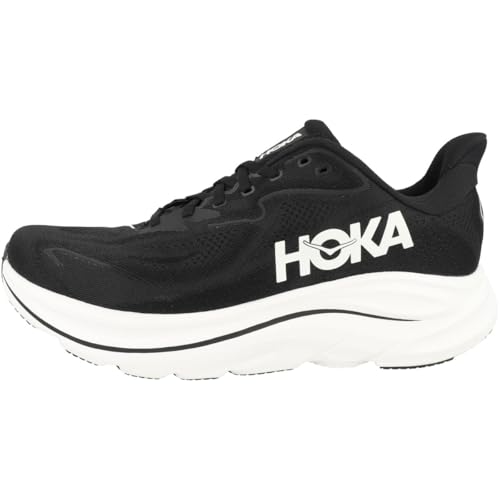

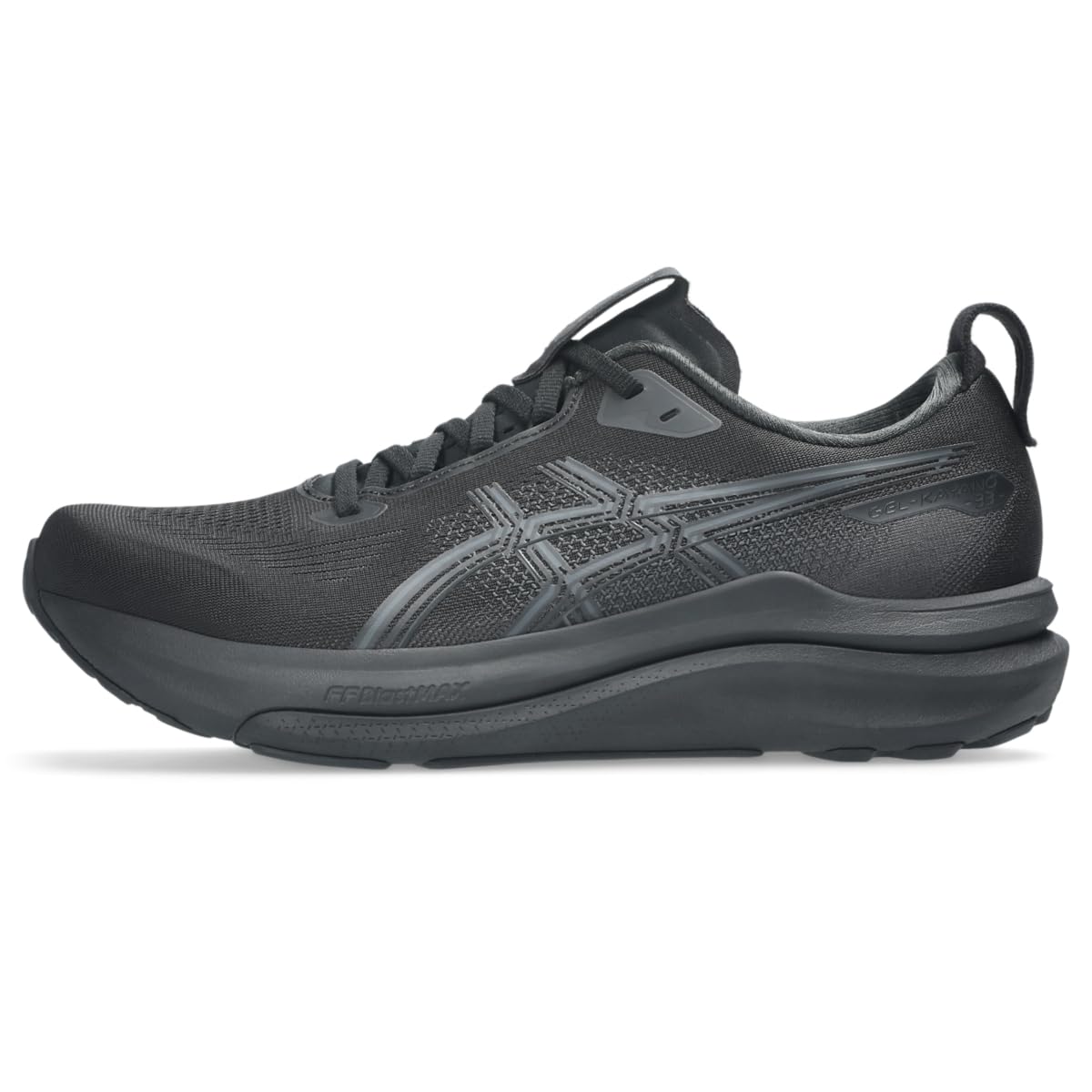


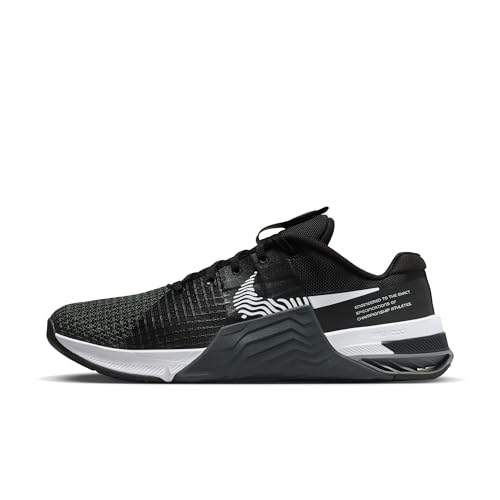
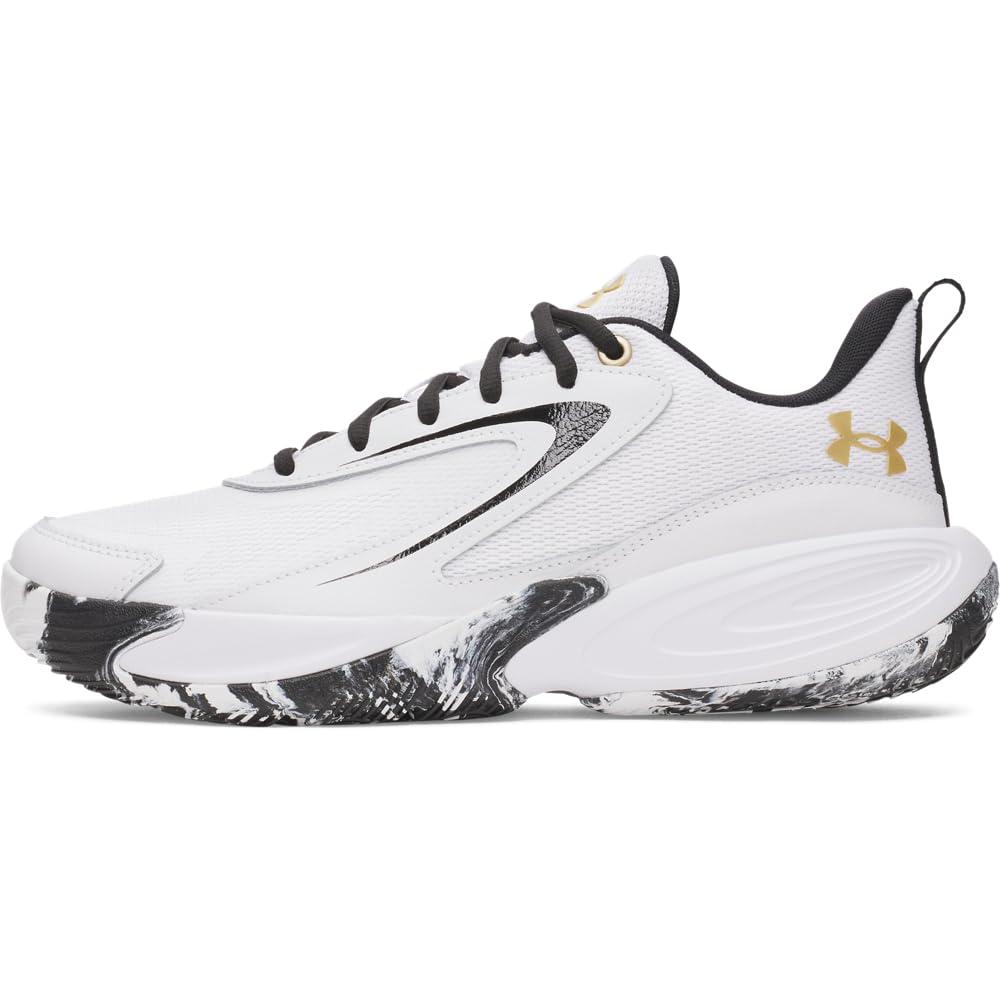


Who Should Use This Guide
Men who train, play sport, and stay active need shoes matched to their main activity. A running shoe, a court shoe, and a gym trainer are built differently for good reasons: running favors forward cushioning, court sports need lateral support, and gym work needs a stable base. Start from the activity you do most, and choose a shoe built for that movement.
Before you compare models, write down your main use, your budget range, and the one feature you will not compromise on. That short list will filter out most options quickly and keep you from paying for features that sound impressive but never change your daily experience. The sections below help you judge the options in the product table.
Key Features Explained
Activity Matching Comes First
The single most important choice is matching the shoe to the sport. Running shoes cushion forward motion, court shoes support side to side cuts, and training shoes balance stability and flexibility for varied gym work. Using a running shoe for court sports, or a court shoe for long runs, increases slip and injury risk and wears the shoe unevenly.
Fit and Width for Men Feet
Men feet vary widely in width and volume, so width options matter. Try shoes later in the day with your training socks, check that toes can move without heel slip, and consider a wide fit if the forefoot feels squeezed. A shoe that fits well in the shop but pinches after twenty minutes of activity is the wrong size or width.
Cushioning and Support Balance
Cushioning protects joints on impact, while support guides the foot through movement. Heavier runners and long sessions benefit from more cushioning, while strength work benefits from a firmer, more stable base. If you have persistent pain, swelling, numbness, or a foot injury, talk with a clinician rather than relying on a shoe to fix the problem.
Outsole Grip for Your Surface
Outsole patterns and rubber compounds suit different surfaces: road, court, turf, and gym floors each demand different grip. A road sole can slip on a polished court, while a court sole can wear quickly on rough pavement. Check the surface you use most, and choose an outsole built for it.
Durability for Regular Training
Training several times a week wears shoes faster than occasional use. Look for reinforced toe areas, durable outsoles, and quality stitching, and rotate pairs if you train daily. Track how the shoe feels over time, because cushioning fades before the outside looks worn, and worn cushioning can lead to new aches.
Types Compared
Running shoes suit road and treadmill miles, court shoes suit basketball, tennis, and similar sports, and cross trainers suit varied gym sessions. Trail shoes add grip and protection for off road routes, while lifting shoes offer a firm, flat base for strength work. If you do one sport mainly, buy for that sport; if you mix activities, a cross trainer is a reasonable compromise.
When you compare types, judge each one against your own routine rather than against an ideal user. A type that wins for a heavy user may be overkill for a light user, and a budget type that suits occasional use may frustrate a daily user. Your routine should decide which type matters most.
Common Mistakes to Avoid
Buying one shoe for every sport, choosing style over fit, ignoring width, and training in worn out shoes are common errors. Another mistake is breaking in new shoes during a match or long session. Wear new shoes for short sessions first, and keep the old pair until the new pair proves comfortable.
Setup and Everyday Care
Untie laces before removing shoes, air them after training, and avoid machine washing unless allowed. Rotate pairs to let foam recover, clean mud gently, and check laces and insoles regularly. Store shoes away from direct heat, and replace them when cushioning or grip fades.
For related choices, see our guides to best walking shoes for men, best shoes for men, and best athletic shoes, which use the same buying approach and help you compare related options.
Budget Tiers in Plain Terms
Budget trainers suit occasional exercise and light gym work well. Midrange shoes add sport specific support, better cushioning durability, and stronger materials for regular training several times a week. Premium shoes offer advanced cushioning and lighter builds for serious athletes and high mileage trainers. Match the tier to how often and how hard you train.
Frequently Asked Questions
Can one pair of athletic shoes cover all sports?
A cross trainer can cover varied gym work and light court play, but it will not match a specialist shoe for running, court sports, or lifting. If you mainly do one sport, buy for that sport. If you mix activities casually, a cross trainer is a practical compromise, though it will wear faster under heavy specialist use.
How should athletic shoes fit?
They should fit snug at the heel and midfoot with toe room to wiggle, and about a thumb width between your longest toe and the shoe front. Try them with training socks later in the day, and test side to side movement for court sports or forward motion for running. If the heel slips or toes cramp, try another size or width.
Are expensive athletic shoes worth it?
Higher prices often buy better cushioning, durability, and sport specific design, which matter for frequent training. Occasional users may be happy with a midrange pair. Judge by fit, activity match, and durability for your frequency, not by price alone, and replace shoes when support fades rather than chasing the newest model.
How long do athletic shoes last?
Lifespan depends on activity, frequency, weight, and surface, with frequent training wearing cushioning faster than occasional use. Watch for new aches, uneven wear, or a flat feeling underfoot. Rotating pairs and tracking use helps you replace shoes before worn support causes problems.
Should I wear running shoes for gym training?
Running shoes suit treadmill and cardio work, but their soft, high cushioning can feel unstable for heavy lifting and lateral gym moves. A flatter, firmer trainer suits strength work better. If your session mixes cardio and lifting, a cross trainer balances both, though specialist shoes still perform better for each part.
Final Thoughts
Match the shoe to your main sport, check fit and width, and let your training frequency decide the budget tier. Use the product table above to compare options, and the best athletic shoes for men will be the pair that fits your routine and your feet.


