
Best At Home Studio Speakers at Every Price: What Your Money Really Gets You for 2026
Disclosure: We may earn a commission when you buy through links on this page, at no extra cost to you. As an Amazon Associate I earn from qualifying purchases. Learn more

Compare the best at home studio speakers by budget with clear guidance on drivers, room fit, connections, and which upgrades are worth paying for.
Studio speakers for a home room can cost anywhere from about $100 a pair to well over $2,000, and the price gap alone does not tell you where your money actually goes. Some of that money buys flatter, more honest sound. Some buys features you may never touch. If you are shopping for the best at home studio speakers for mixing, recording, or careful listening at a desk, this guide breaks the market down by budget so you can spend on the things that change what you hear.
We will walk through what each price tier usually delivers, which features earn their cost, and which ones you can safely skip. Along the way you will find room fit advice, connection basics, and the long term costs that rarely show up on a product page. Use the comparison table below as a quick shortlist reference while you read.


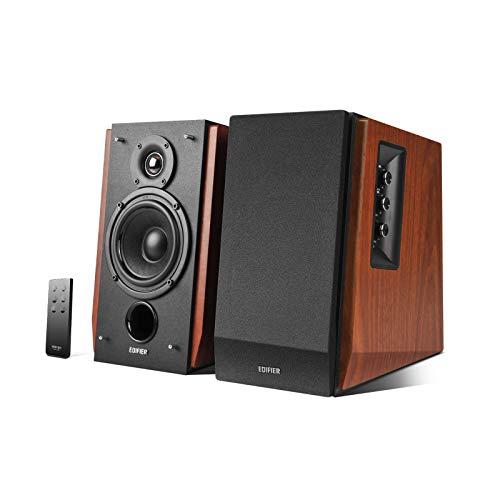
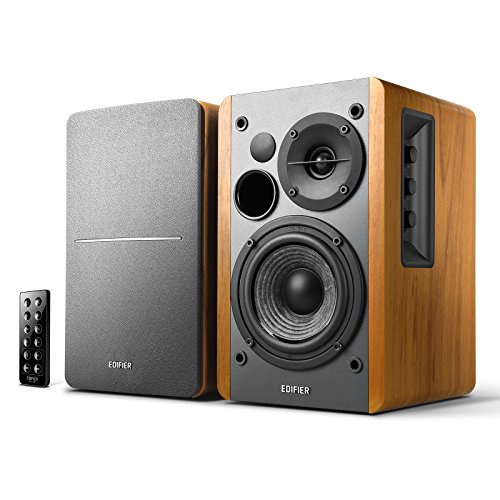


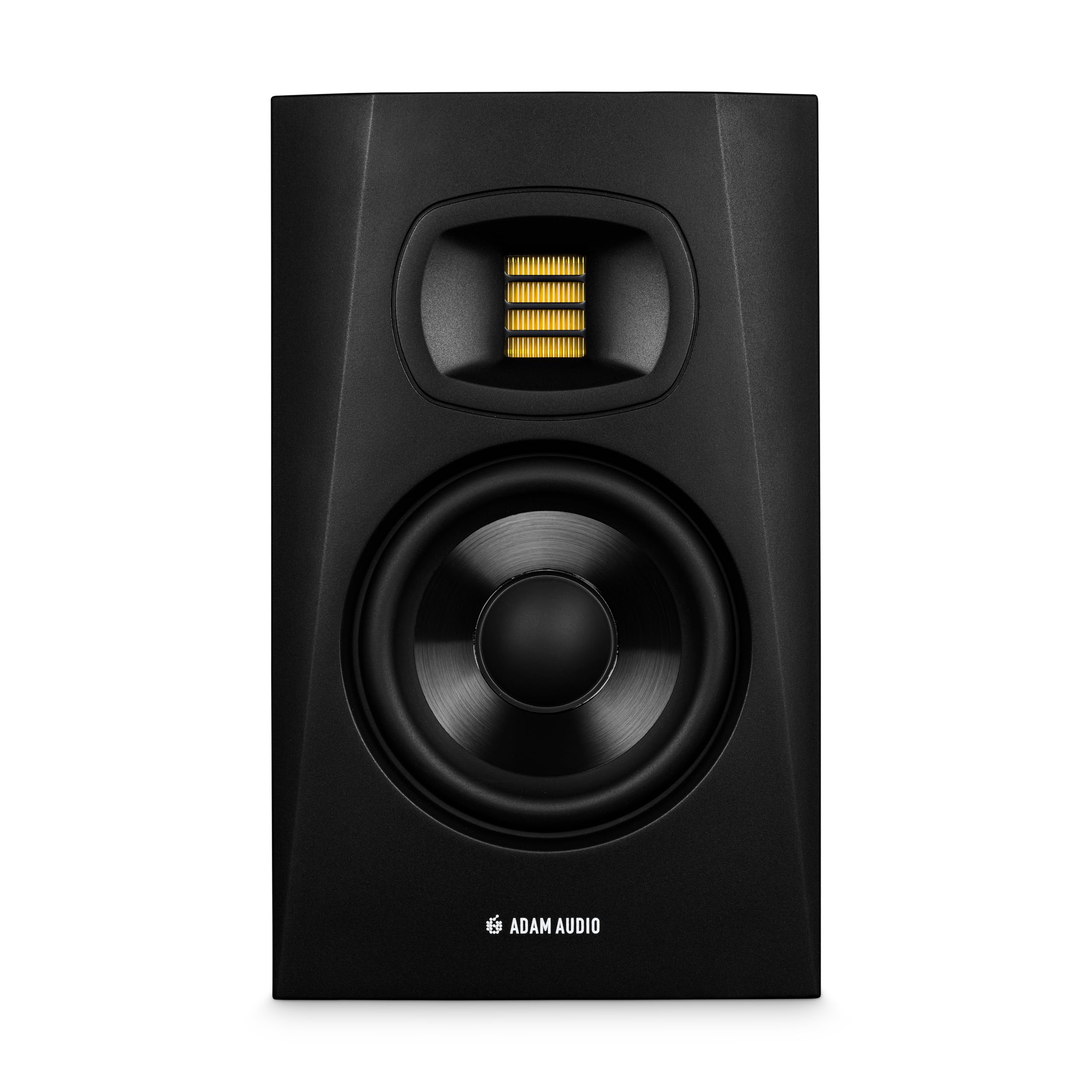
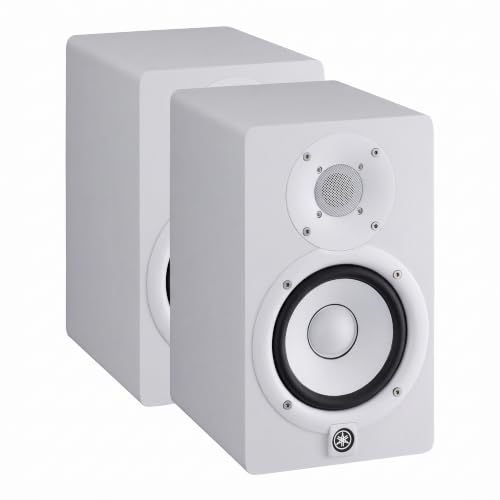


Choosing the Best At Home Studio Speakers for Your Room and Budget
Instead of chasing a single winner, match the tier to your room, your desk, and how critical your listening needs to be. The three profiles below describe what a sensible buy looks like at each level, so you can compare the product table above against clear criteria rather than marketing claims.
Budget Tier: Around $100 to $200 a Pair
A budget pair suits a small bedroom studio, a first recording setup, or a desk where you mostly edit podcasts, voice work, and rough mixes. Look for a 3.5 inch or 5 inch woofer, a rear or front volume control you can reach easily, and at least one balanced or unbalanced input that matches your audio interface. Expect honest mids and clear vocals at close range, but limited deep bass and a narrower sweet spot. The main limit is low end accuracy, so plan to check mixes on headphones before you call a track finished.
Midrange Tier: Around $200 to $500 a Pair
This is where most home producers should shop. A midrange pair typically gives you a 5 inch or 6.5 inch woofer, cleaner amplifiers with less hiss at idle, and useful room controls such as bass and treble trim switches for placement near a wall. Stereo imaging gets more precise, which makes panning and reverb decisions easier to trust. If you record and mix your own music weekly, this tier delivers the accuracy jump you will actually hear, without paying for exotic cabinet materials or brand prestige.
Premium Tier: $500 and Up
Premium pairs make sense when your room is treated, your ears are trained, and small mix errors cost you time or client trust. What you gain is extension and control: flatter response deeper into the bass, lower distortion at higher volume, and better built cabinets that resonate less. Many premium models add detailed room correction or boundary compensation settings. The trade off is that a revealing speaker in an untreated room can sound worse than a modest pair placed well, so budget for stands and basic panels too.
What Your Money Gets You at Each Price Tier
Price tiers in this category follow a pattern. Each step up buys you one or two real improvements, plus a layer of polish. Knowing the pattern keeps you from paying premium money for budget level compromises.
Budget Tier: What to Expect
At the lowest prices you get compact powered speakers with simple amplifiers, basic tone shaping, and cabinets made from thinner materials. Frequency response claims are optimistic, so treat the spec sheet as a rough guide rather than a promise. What you should not accept at any price is loud self noise, because hiss at your desk position ruins quiet editing work. Test for that first if you can, and keep your listening distance short, around 3 to 4 feet, where small speakers perform best.
Midrange Tier: The Sweet Spot for Most Buyers
The midrange adds the upgrades that matter most for real work: bigger drivers that move air more calmly, amplifiers matched to each driver, and inputs that accept balanced cables from a proper audio interface. You also start to see front ported designs that tolerate placement close to a wall, which suits most bedrooms. For a broader look at this category, see our guide to the best home studio speakers, which covers room setups in more depth. For most buyers, this tier is where spending stops feeling like a compromise.
Premium Tier: When Spending More Pays Off
Spending more pays off when you mix long sessions and need consistent detail at both low and high volume. Premium speakers hold their balance as you turn them up, so a mix decision made quietly still holds when played loud. You also pay for quality control: matched pairs, tighter tolerances, and longer warranties. If your work is casual or your room echoes, that money often does more good spent on acoustic treatment and a decent interface first. Upgrade the speakers once the room stops being the weakest link.
Features Worth Paying For (and Ones to Skip)
Feature lists mix genuine tools with decoration. Here is how to judge the common ones you will see while comparing models.
Size, Weight, and Placement
Speaker size is a fit question before it is a sound question. A larger woofer needs more distance to blend with the tweeter, so an 8 inch model can sound uneven at a tight desk while a 5 inch model sounds coherent. Weight matters because heavier cabinets usually vibrate less, but they also demand sturdy stands or isolation pads. Measure your desk depth and your listening distance first. A speaker that fits your space and sits at ear height will outperform a bigger model placed badly, every single time.
Controls, EQ, and App Features
The most valuable controls on a studio speaker are simple ones: volume, a bass trim for wall placement, and a treble trim for bright or dull rooms. Some newer models add app based EQ or automatic room correction using a measurement microphone, which can genuinely help in awkward rooms. What you can skip is decorative lighting, novelty sound modes, and Bluetooth as a headline feature. Bluetooth is handy for casual listening from a phone, but serious work runs through your interface with cables, where latency and stability are better.
Power, Cables, and Weather
Studio speakers plug into the wall and have no battery, because accurate sound at useful volume needs steady power. They are also indoor instruments with no weather rating, so keep drinks away from the desk and dust the cabinets with a dry cloth. If you need sound for a patio or garage, that is a different product class and will not give the flat response mixing requires. For purpose built monitoring, our guide to the best speaker monitors for home studio goes deeper.
Sound Quality and Tuning
Sound quality in a monitor means accuracy, not excitement. You want a frequency response that is as flat as your budget allows, so the speaker adds as little of its own character as possible. Driver size shapes bass reach: small drivers roll off earlier, which is honest but limiting for bass heavy genres. Pay attention to how a speaker is tuned at low volume too, since most home work happens quietly. If you also record in the same room, our guide to the best speakers for home recording studio explains how monitoring and tracking needs overlap.
Long Term Costs to Factor In
The speakers themselves are only part of the bill. Plan for speaker stands or isolation pads at around $30 to $100, balanced cables if your interface supports them, and possibly a monitor controller if you want a single volume knob for multiple sources. Power use is modest, but leaving powered speakers on all day adds up and can shorten amplifier life, so switch them off when you finish. Warranty length varies from one year to five, and a longer warranty is worth real money on a powered product with electronics inside. If you favor one brand family, the guide to the best krk speakers for home studio shows how a single lineup spans several of these tiers.
At Home Studio Speakers: Your Questions Answered
What size woofer suits a small home studio?
A 5 inch woofer is the safest start for most small rooms, giving usable bass without overloading corners. A 3.5 or 4 inch model can be more accurate in a very small room or a shallow desk. Larger 7 or 8 inch speakers need more distance and a treated room to sound coherent.
Do I need a subwoofer for mixing?
Not for most home mixing. A subwoofer helps only if you make music with deep bass content and your room can handle those low notes. In a small untreated room it often creates more problems than it solves, so learn your speakers with reference tracks first.
How far apart should I place my studio speakers?
Form an equal sided triangle with your head, usually 3 to 5 feet on each side, with the tweeters at ear level and the speakers angled toward you. Keep both speakers the same distance from the side walls.
Wired or wireless: which sounds better?
Wired sounds better for studio work, and it is not close. A cable from your audio interface delivers a stable signal with no compression and no delay, which matters when you record while listening back. Wireless links are fine for casual playback or checking a mix from the couch. Many people who use their desk for both work and media handle this with one wired setup, similar to the setups in our guide to the best computer speakers for home studio.
Our Verdict
Start with fit and honesty: a speaker sized for your room, placed at ear height, with low self noise and a response you can trust. Most buyers land happily in the midrange tier, where balanced inputs and room controls solve real problems. Whichever tier you choose from the product table above, the best at home studio speakers are the ones whose sound disappears, leaving only your music and the decisions you need to make about it.


