
Best At Home Printers for Photos: Everything to Know Before Your First Purchase for 2026
Disclosure: We may earn a commission when you buy through links on this page, at no extra cost to you. As an Amazon Associate I earn from qualifying purchases. Learn more

Shopping for the best at home printers for photos for the first time? Learn the terms, compare options, and avoid rookie mistakes with this easy guide.
Printing photos at home sounds simple until your first print comes out dull, dark, or grainy while the same photo looked bright on your phone. Photo printing has its own rules for ink, paper, and resolution, and a normal document printer only covers some of them. This guide walks first time buyers from the basic terms to a confident choice, in order and in plain English. If you are shopping for the best at home printers for photos, you will learn what actually makes a print look like a photo.
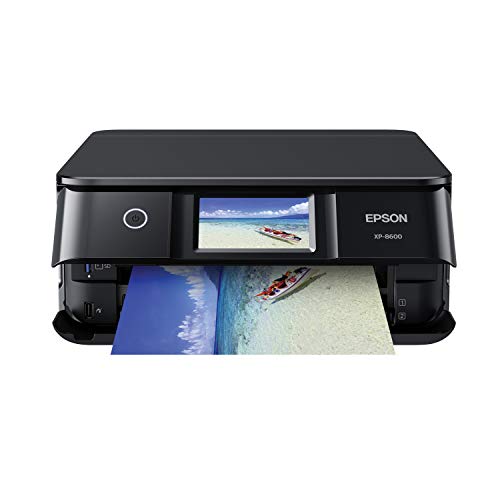
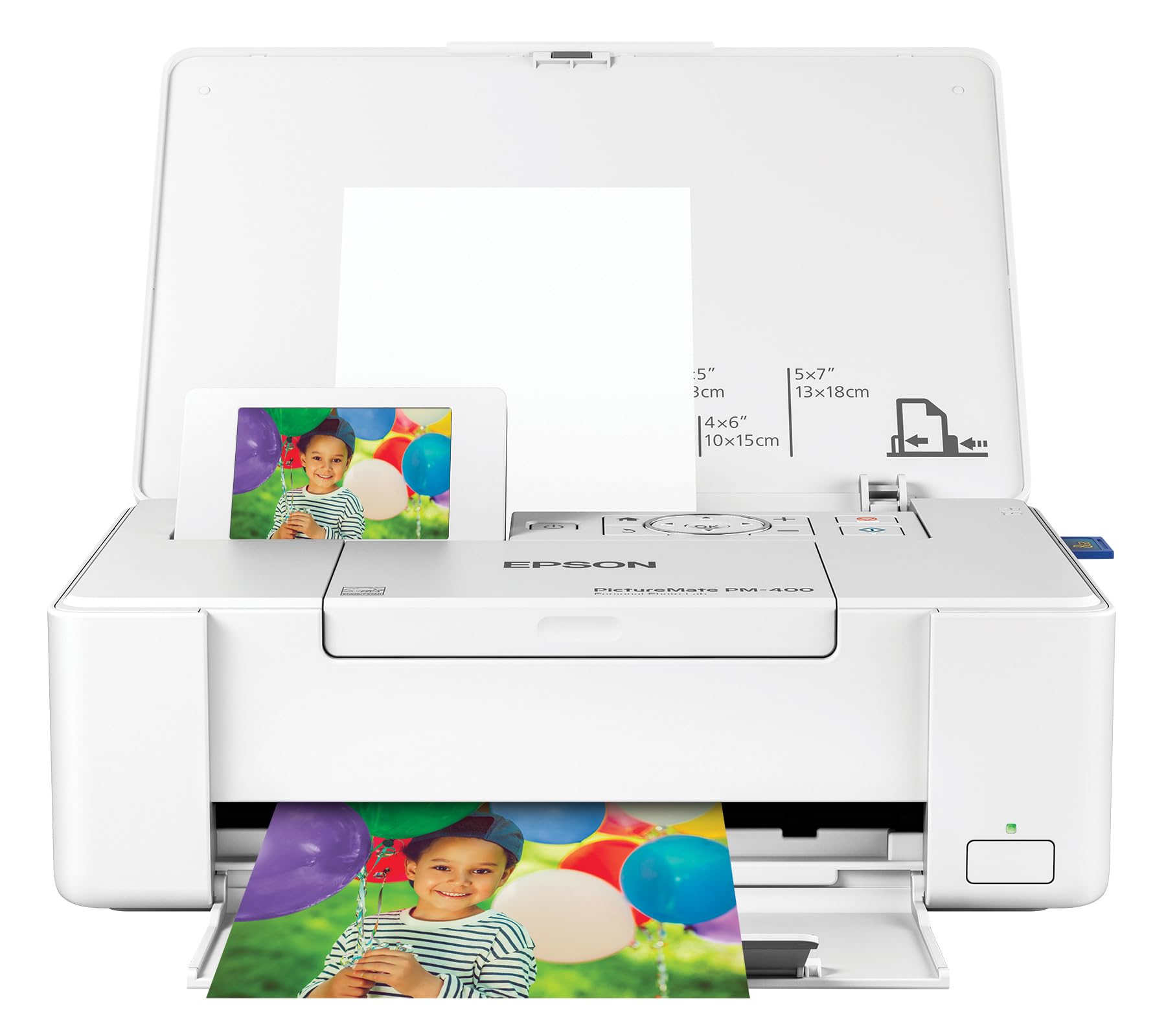
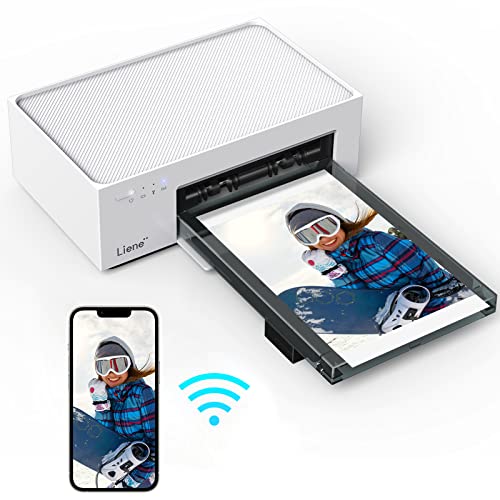
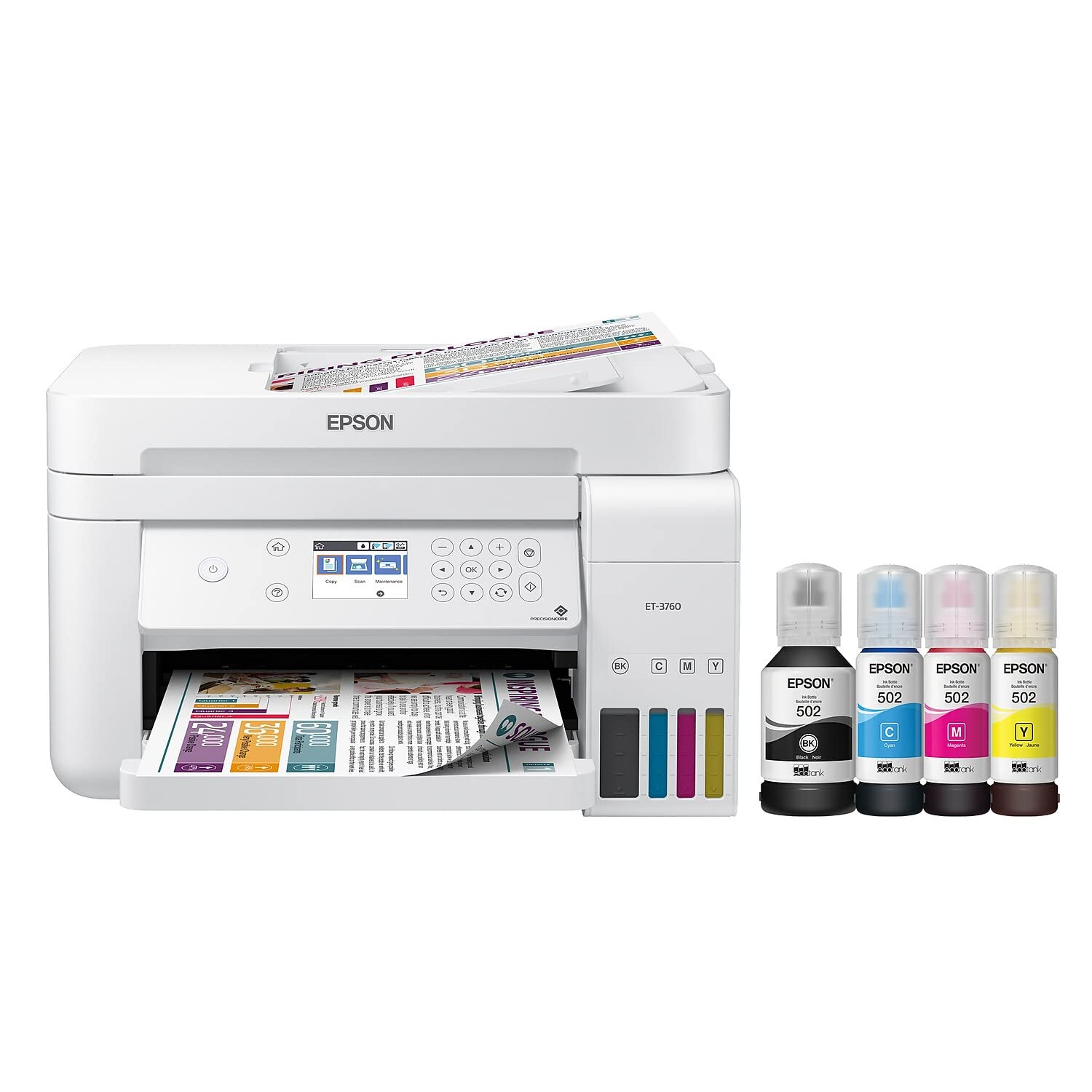
The comparison table below gives a fast overview of current options. If terms like DPI or ink tank are new to you, read the sections that follow first, then come back to the table and compare with fresh eyes.





At Home Printers 101: The Basics
A photo printer places thousands of tiny ink droplets on coated paper to rebuild the tones and colors of your image. Unlike plain office paper, photo paper has a coated surface that holds ink near the top, which keeps edges sharp and colors rich. Most home photo printing uses inkjet technology, because inkjets blend colors smoothly and handle glossy, luster, and matte photo papers well.
A few basic terms explain most listings. DPI means dots per inch and describes print fineness. Borderless printing means the image can run to the very edge of the paper, like a lab print. An ink tank model stores ink in refillable reservoirs, while a cartridge model uses small sealed units. Print size support matters too, since some machines stop at standard photo sizes while others handle large enlargements. For occasional documents almost any printer works, but photos reward the right ink and paper pairing, which is why dedicated photo models exist. For a focused look at models built for home photo output, see our guide to the best printers to print photos at home alongside this basics guide.
Key Specs Explained in Plain English
Features That Matter for Photos
Photos need smooth gradients, accurate skin tones, and deep blacks more than they need speed. Look for a printer with at least six inks or a strong photo focused four ink system, because extra inks like light cyan, light magenta, or gray widen the range of tones. Borderless printing at 4 by 6 inches, 5 by 7 inches, and larger sizes gives you lab style results. Check the maximum paper size and weight support, since thick fine art papers need a rear feed path. A screen or app preview also helps you catch cropping mistakes before you spend ink and paper on a large print.
Printer Type (Inkjet, Laser, Tank)
Inkjet is the standard for home photos because it blends color smoothly and supports the widest range of photo papers. Tank inkjets add refillable reservoirs, which lower the cost of frequent printing and suit families who print often. Laser printers are built for fast text and graphics on plain paper, and most cannot use glossy photo paper or match inkjet tonal smoothness. Some all in one inkjets add scanning and copying, which helps if you want to digitize old prints. For quality focused comparisons, see our guide to the best quality photo printers for home for what separates good output from great output.
Print Speed
Photo print speed is measured per print rather than in pages per minute, and a quality 4 by 6 inch photo often takes about one to two minutes. Larger prints take much longer because the head makes slow, careful passes to lay down smooth color. Draft modes print faster but reduce quality in ways that show clearly on photos. For most home users, speed is a minor factor, since you print a handful of favorite shots rather than hundreds of pages. If you print event photos in batches, a moderately faster model saves real time. Judge speed by timed photo results in listings, not by the text PPM figure on the box.
Footprint and Noise
Photo printers for larger paper sizes take more desk space, and rear feed trays need open room behind the machine for thick sheets. Measure your desk depth with the tray open and paper loaded, not just the closed body size. Noise is modest on most inkjets, with a soft mechanical rhythm during printing that rarely bothers anyone in the next room. Placement on a stable, level surface also improves quality, because vibration during a long print can blur fine detail. In a small home office, a compact model that handles up to letter or A4 size photos may fit your life better than a wide model you have no room to feed properly.
Connectivity and Mobile Printing
Most photos start on a phone, so WiFi and AirPrint support make daily printing far easier. With AirPrint or the maker app, you can send a shot from your phone in seconds without moving files to a computer first. Some printers add a memory card slot or a USB port for direct printing from a camera card, which helps when you shoot on a dedicated camera. A practical know how point is to print from the original full size file rather than a compressed copy from a messaging app, because compression removes detail and softens the final print. Stable WiFi placement matters too, since a weak signal can stall large photo files mid job. For mixed photo and document needs, see our guide to the best home printers for photos and documents for balanced options.
Picking the Right At Home Printers for Different Uses
Printing Photos for Display and Art
When your goal is gallery style display prints rather than casual snapshots, three criteria move to the front. First, pigment based inks tend to resist fading longer on display and pair well with matte and fine art papers. Second, wide paper support, ideally up to 13 by 19 inches, lets you print pieces worth framing. Third, gray or black ink variety improves black and white prints, which often look muddy on basic color only machines. Choose a model in the product table above that lists art paper support and borderless large sizes, and plan to profile your favorite paper for the most accurate color.
Rookie Mistakes to Avoid
- Printing photos on plain paper. Plain paper absorbs ink and ruins color and sharpness, making a good printer look bad.
- Using low resolution files. A small compressed image cannot fill a large print, so check file size before you choose a big paper size.
- Ignoring paper settings. Telling the driver you loaded glossy paper when you loaded matte paper changes ink amounts and shifts color.
- Judging prints under odd light. Warm room bulbs make prints look yellow, so check your results near a window in daylight before you adjust settings.
- Letting the printer sit idle for months. Inkjet nozzles clog with disuse, and the cleaning cycles that fix clogs waste ink.
If your printer will also handle everyday documents and homework, see our guide to the best printers for at home for the wider home printing picture.
Getting Started: Setup and First Use
Begin by placing the printer on a level surface with space for the rear feed, then follow the setup routine to install ink and align the print head. Connect the printer to your WiFi network and install the full driver or app so photo paper profiles are available. Print the built in test image first, then print one of your own photos at 4 by 6 inches on the paper type the maker recommends. Compare the print with your screen in daylight and make small brightness adjustments, since prints often look slightly darker than a bright phone screen.
Two habits keep quality high from the start. Print a page weekly to prevent clogs, even if it is just a small color test sheet. Use genuine or reputable ink, because poor ink shifts color and can damage the print head over time. A second practical point is to store photo paper in its sleeve, flat and away from humidity and fingerprints. Touch only the edges of glossy sheets, since skin oil marks the coating and shows in the finished print. For general computer based printing advice, see our guide to the best computer printers for home for setup tips that apply across models.
FAQs
What features matter most in at home printers for photos?
Ink variety, borderless sizes, and photo paper support matter most. Extra inks smooth gradients and improve skin tones, while a rear feed lets you use thicker art papers. Resolution ratings help, but droplet size and paper quality shape the result just as much. One point beginners often miss is maximum print size. Decide your largest planned print before you buy, because upgrading later for a bigger size means replacing the whole machine rather than adding a part.
What does cost per page mean?
Cost per page is the ink and paper expense for one print, and for photos it is often quoted per 4 by 6 inch print instead. You estimate it by dividing cartridge or bottle cost by the stated yield, then adding the sheet price. Full coverage photos use far more ink than text pages, so photo costs run higher than document costs on the same machine. Tank models lower the ink part sharply. Tracking one full set of ink against a counted stack of prints gives you an honest personal figure.
Which paper should I use for photos?
Use glossy or luster photo paper for vivid snapshots and matte or fine art paper for portfolio and display prints. Choose the paper type in the print driver to match what you loaded, since a wrong setting shifts color and ink use. Buying the maker paper line is the safest way to get predictable results.
Are ink tank printers worth it?
Ink tank printers are worth it if you print photos regularly, because bottles slash the ink cost per print and remove the stress of tiny cartridges running dry mid batch. The higher purchase price pays back over time for families, hobbyists, and anyone printing enlargements. They are less vital if you print a few photos a year, where a service may cost less overall. Tank models also tend to include generous starter ink, so your first months of printing feel almost free compared with cartridge starter sets.
Inkjet or laser: which is cheaper long term?
For photos, inkjet is cheaper long term in practice because laser photo quality on coated paper is poor, so the prints you actually keep come from inkjets. A tank inkjet has the lowest running cost for regular photo work. Laser can be cheaper for heavy black text volume, where toner yields are very high. The honest comparison follows your page mix. If photos and color pages dominate, the tank inkjet wins. If contracts and letters dominate and photos are rare, a laser plus an outside photo service can cost less.
As you narrow your shortlist of the best at home printers for photos, keep your top two priorities in front of you and drop any option that misses them.
Wrapping Up
Match ink quality and paper support to the largest, best prints you plan to make, then let running costs guide your choice between cartridge and tank models. Print weekly, handle paper by its edges, and judge results in daylight. With those habits in place, the best at home printers for photos choice for your home is in the product table above, so compare your short list there once more before you buy.


