
Best At Home Movie Projectors: A First Time Buyer's Guide for 2026
Disclosure: We may earn a commission when you buy through links on this page, at no extra cost to you. As an Amazon Associate I earn from qualifying purchases. Learn more

Shopping for the best at home movie projectors for the first time? Learn the terms, compare options, and avoid rookie mistakes with this easy guide.
Buying your first projector feels very different from buying a TV, because you choose the image, the screen and the room setup together. The best at home movie projectors are the ones that fit your room size, your light and your seating distance. This guide starts with the basics, explains each spec in plain English, and helps you read the comparison table below with confidence.
You do not need a dedicated theater to enjoy a projector at home. A living room, a bedroom or a basement corner can all work once you match brightness, throw distance and sound to the space.
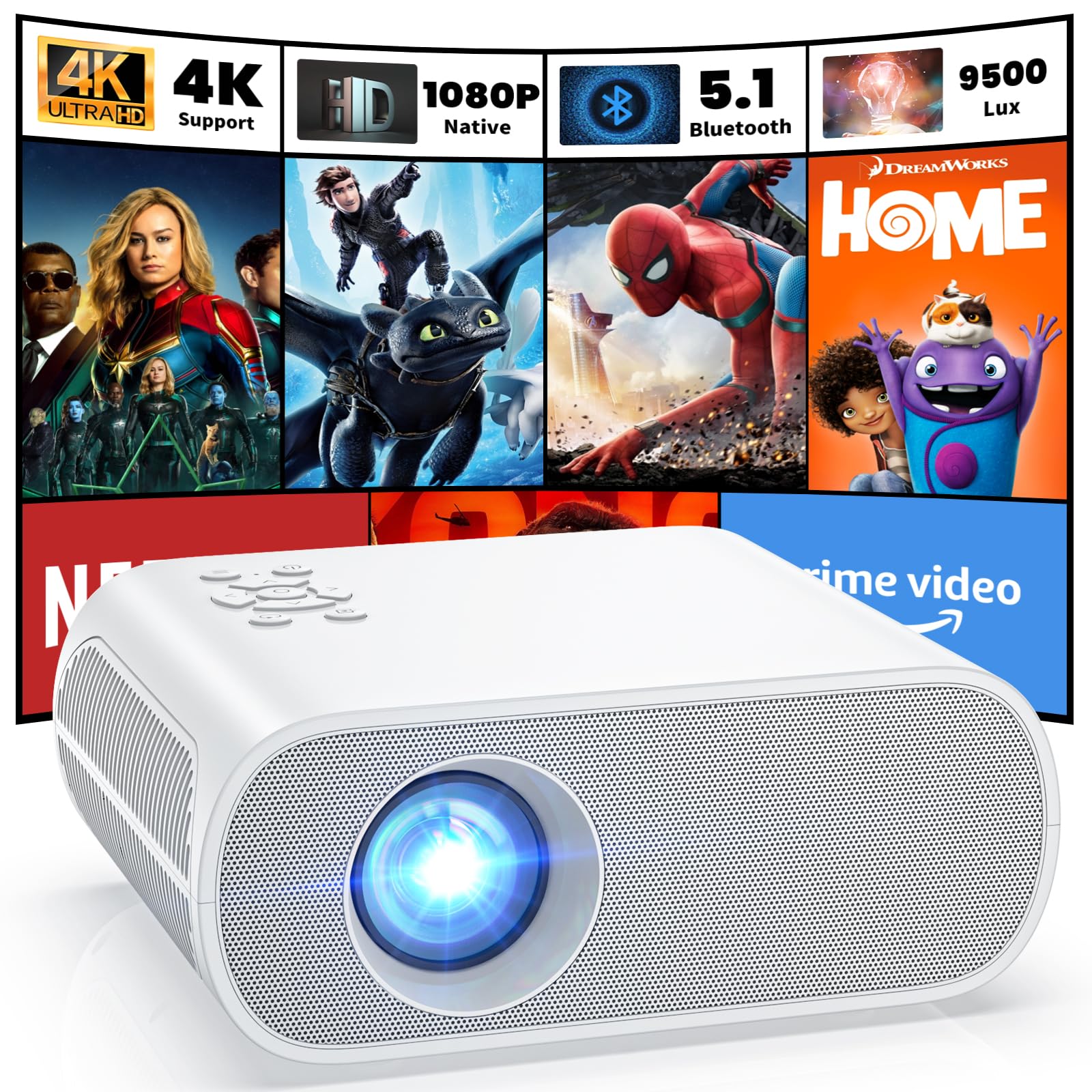
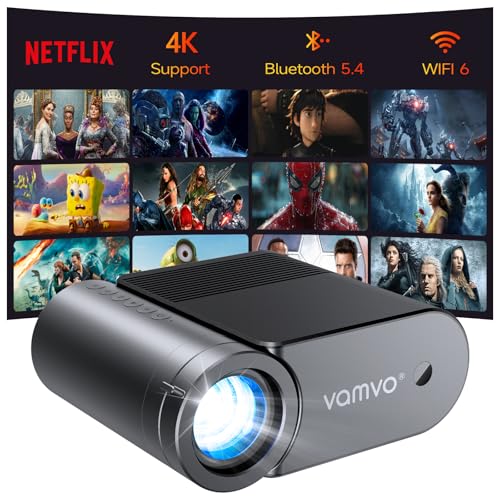
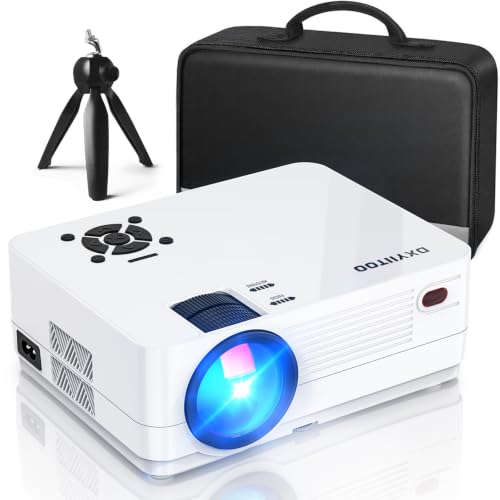


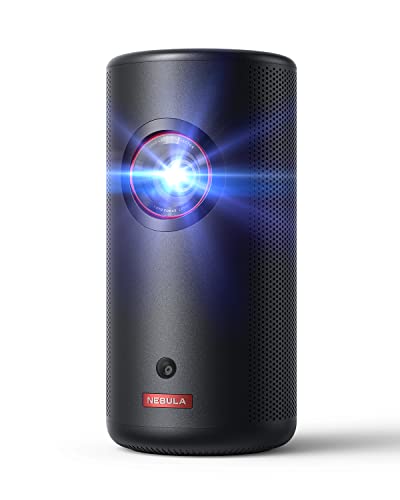


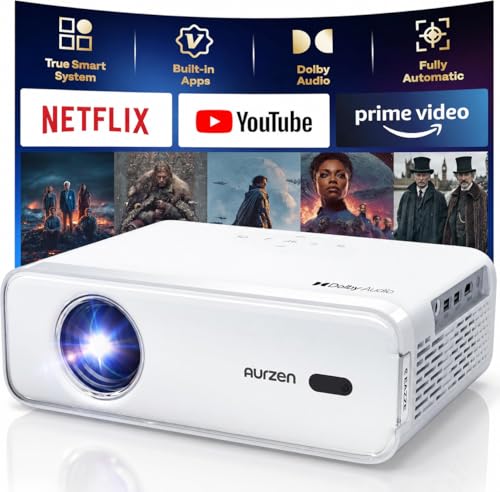
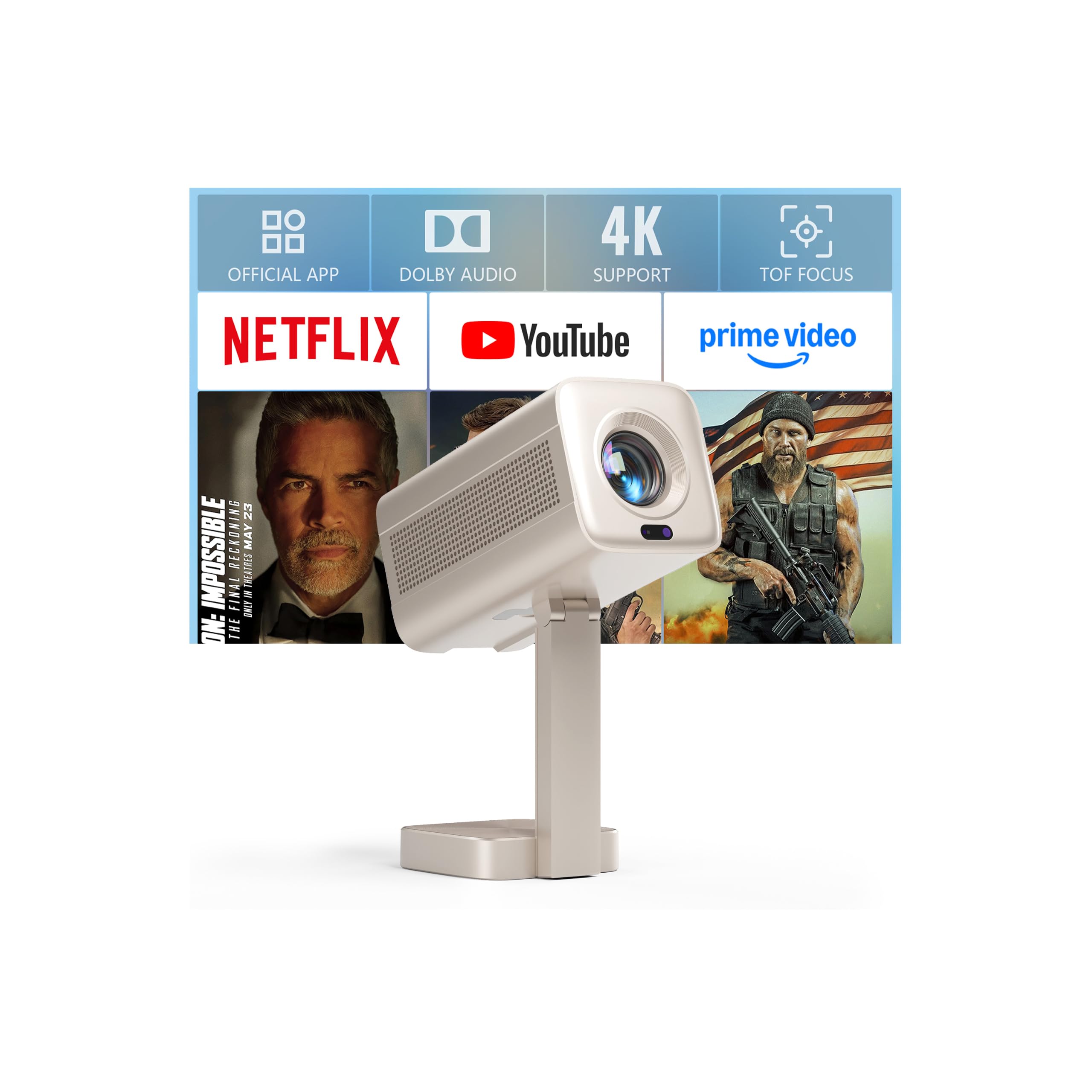
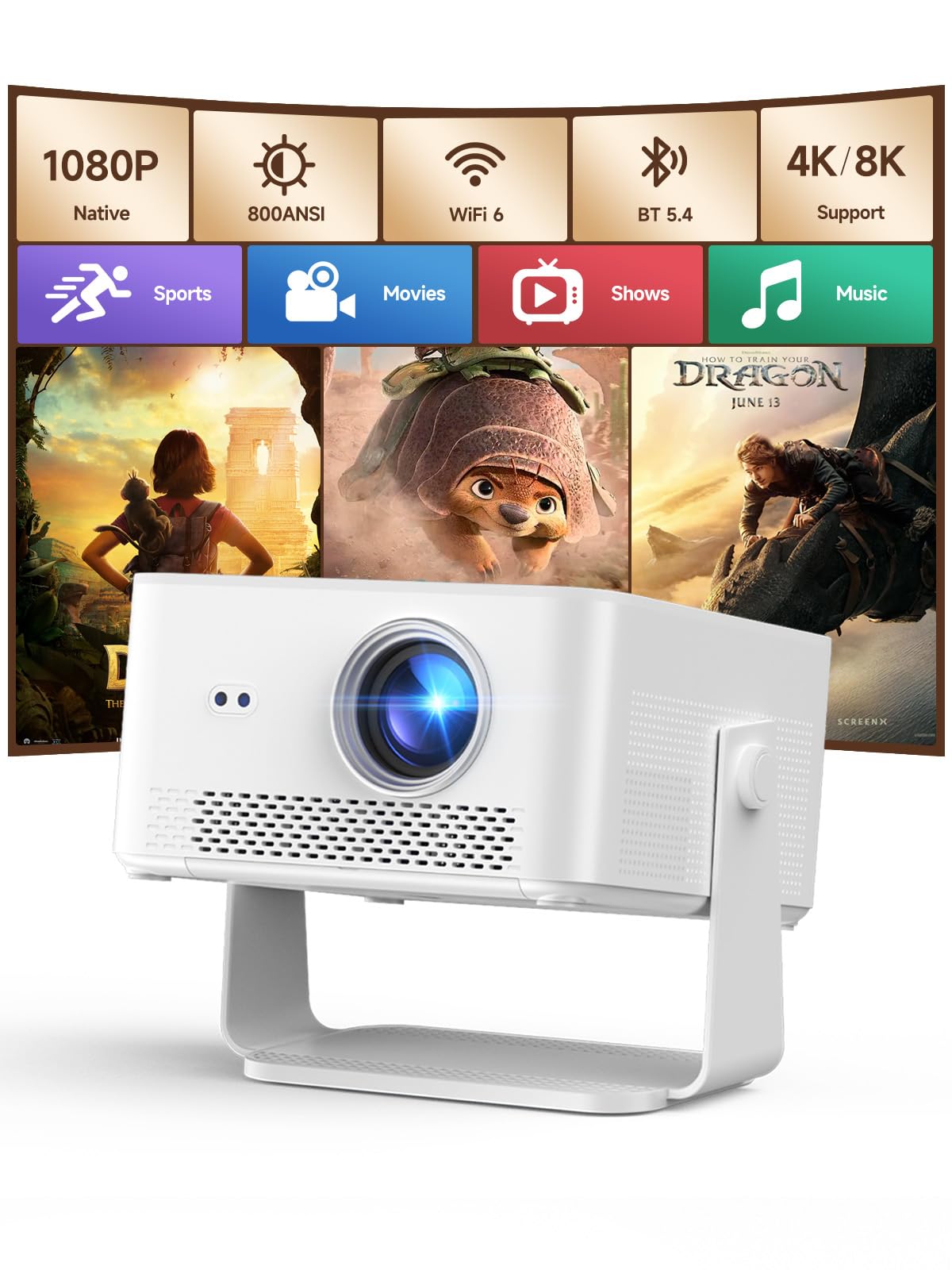

At Home Movie Projectors 101: The Basics
A home movie projector takes a video signal from a player, a console or a streaming device and throws an image onto a screen or a smooth wall. Inside, a light source shines through an imaging chip or panels, and a lens stretches that image to fill 80 inches or more. Because the image is reflected light rather than a glowing panel, size is flexible, but room light washes it out far more easily than a TV.
Three parts decide most of your result: the projector, the surface and the darkness of the room. A plain white wall can start you off, while a fixed or pull down screen gives a flatter surface and cleaner edges. If you want the wider view of the category first, see our guide to the best home movie projectors.
Who Should Buy a Projector for Movie Nights at Home?
Start with the room you actually use, because that choice shapes brightness, size and sound more than any single spec.
Families in a Shared Living Room
Your projector shares space with lamps, windows and everyday traffic, so you need enough brightness to hold up when some light stays on. Built in streaming and modest speakers simplify family nights, though a soundbar carries dialogue better. If the same setup handles sports, cartoons and films, see our guide to the best projectors for home entertainment.
Apartment Viewers in a Small Room
Your seats may sit only 6 to 9 feet from the wall, so throw distance matters more than maximum image size. A shorter throw model or a modest zoom lets you place the unit on a coffee table or a shelf. Choose a quieter fan, because the projector sits close to your ears in a small space.
Viewers Building a Dedicated Dark Room
A basement or spare room that you can darken fully rewards contrast and black level more than raw brightness. You can plan a fixed screen, a ceiling mount and separate speakers from the start. If that theater is your goal, see our guide to the best movie projectors for home theater.
Projector Specs That Matter for Movie Night at Home
When you compare the best at home movie projectors, work through the six factors below in order, because each one limits the choices that follow it.
Projector Technology and Light Source
Most home models use either DLP, with a single chip, or 3LCD, with three panels that avoid the rainbow flashes some viewers notice on DLP. The light source matters just as much. A lamp costs less at purchase but dims with use and needs replacement. LED and laser sources last far longer and hold brightness better, though they cost more. Choose laser or LED for heavy weekly use.
Brightness and Room Light
Brightness is measured in lumens, and ANSI lumens are the figure you can compare across brands with the most confidence. A fully dark room can look strong at about 1,000 to 1,500 ANSI lumens, while a living room with lamps on often needs about 2,000 to 3,000. If you cannot darken the room, spend on brightness before resolution.
Resolution, Contrast and HDR
Native resolution tells you the real detail in the image, so look for native 1080p or native 4K rather than a supported input signal. Contrast decides how deep blacks look and how much shadow detail survives in night scenes, which matters more for films than peak brightness. HDR support, usually HDR10, widens the range between dark and bright parts of a scene. For picture quality closer to a cinema, see our guide to the best home cinema projectors.
Throw Distance and Screen Size
Throw ratio tells you how far the projector must sit from the screen for a given image width. A standard throw model may need about 8 to 12 feet for a 100 inch image, while a short throw model can do it from a few feet and an ultra short throw model from inches away. Measure your room first, then check the maker throw chart for your target size.
Focus, Zoom, Keystone and Lens Shift
Zoom lets you fine tune image size without moving the unit, and focus should stay sharp from corner to corner once you set it. Keystone correction squares an image when the projector points up or sits off center, but it crops pixels and can soften detail, so treat it as a backup. Lens shift moves the image without tilting the body and keeps full quality. Center the projector whenever you can.
Ports, Streaming and Sound
Look for at least two HDMI ports so a player and a console can stay connected, plus an HDMI port with ARC or eARC if you plan to send sound to a soundbar. Many models add built in streaming apps, WiFi and Bluetooth, which reduces extra boxes. Speakers built into the projector are fine for a bedroom, yet film dialogue and bass need a soundbar or separate speakers.
Setting Up for Your First Movie Night at Home
Place the projector level and centered on the screen, at the distance your throw calculation gave you, and leave open space around the vents. Run cables before you fix any mount, and focus the lens only after the unit has warmed up for a few minutes. Fill the screen edges evenly before you make small corrections.
For your first film, choose the picture mode named Movie or Cinema, because the vivid mode most units ship with pushes color and brightness past what film content expects. Set your player to match the native resolution of the projector, and play a dark scene you know well to check black level and dialogue clarity.
Rookie Mistakes to Avoid
- Buying for maximum screen size without measuring throw distance leaves an image that overflows your wall.
- Judging brightness from a plain lumens claim rather than ANSI lumens leads to a washed out picture in a lit room.
- Relying on heavy keystone correction to fix a poorly placed projector softens detail across the whole image.
- Ignoring fan noise puts a distracting hum right beside your seats during quiet scenes.
- Forgetting a sound plan leaves big picture action with thin dialogue that is hard to follow.
Care and Maintenance for a Home Movie Projector
Dust is the main enemy, because blocked filters and vents make the unit run hotter and louder. Clean or replace the air filter on the schedule in your manual, wipe the lens only with a soft microfiber cloth made for optics, and never use household cleaners on the lens coating. Let the fan finish its cool down cycle before you unplug the unit.
Track lamp hours if your model uses a lamp, and plan a replacement once the picture visibly dims rather than waiting for a failure mid film. Store a portable unit in a padded case, and check mount screws and cable strain every few months on a fixed install. Keep the vents clear of curtains and soft furnishings at all times.
Frequently Asked Questions
Is 4K worth it for an at home movie projector?
Yes, 4K is worth it on an at home movie projector when your screen is large and you sit close enough to see the extra detail. On a 100 inch image viewed from about 8 to 10 feet, the step up from 1080p is clear. Your streaming plan and player must also supply 4K content, as some services reserve it for higher tiers.
Does refresh rate matter for movie watching on a home projector?
Refresh rate matters less for films than for games on a home projector. Most movies are made at 24 frames per second, and a projector that handles that rate cleanly avoids the uneven motion called judder. Motion smoothing can make film look like video, so try the film with smoothing off first. Sports benefit more from smooth motion handling than drama does.
How long does an at home movie projector usually last?
An at home movie projector usually lasts for many years, and the light source sets the practical limit. Lamp models often rate about 4,000 to 10,000 hours before brightness drops, while LED and laser models commonly rate about 20,000 hours or more. Budget for one lamp replacement with a lamp model, and the math may favor laser sooner than you expect.
Should a first time buyer choose DLP or 3LCD for home movies?
A first time buyer should choose 3LCD for home movies if anyone in the household sees rainbow flashes on DLP images, and DLP if compact size and sharp detail matter more. A small share of viewers notice those color flashes and find them tiring over a full film. If you can, watch a dark scene on each type before you decide.
What screen size suits a home movie projector in a small room?
A screen of about 80 to 100 inches usually suits a home movie projector in a small room. Leave wall space on each side for speakers. A slightly smaller image that fits your seating distance feels more comfortable across a long film than the largest image the wall can hold.
Wrapping Up
For a first purchase, settle three things in order: the room and its light, the throw distance to your target screen size, and the light source that fits how often you watch. Brightness and placement shape every night of use, while resolution and extras only help once those basics are right. A projector that does not fit the room never works well.
Compare best at home movie projectors with those points settled, then check the product table above for the models that match your space and budget.


