Best 3D Projectors for Home Theater: Types Compared and How to Choose in 2026
Disclosure: We may earn a commission when you buy through links on this page, at no extra cost to you. As an Amazon Associate I earn from qualifying purchases. Learn more

Clear checks on features, price and upkeep to help you choose the best 3d projectors for home theater.
Choosing among the best 3d projectors for home theater setups starts with one confusing fact: 3D is a feature spread across very different machine types, and the type decides how bright the picture stays once the glasses go on. Lamp, LED, laser, and short throw models all promise depth, yet they behave very differently in a real room with real seating.
This guide compares the main types side by side, then walks through the brightness, glasses, and throw decisions that matter most for movie nights. The comparison table below gives a quick overview of each type, and the sections after it explain which style fits your screen, your seating distance, and your budget. Readers who mostly watch flat 2D films can also start with our guide to the best movie projectors for home theater and treat 3D as a later upgrade.


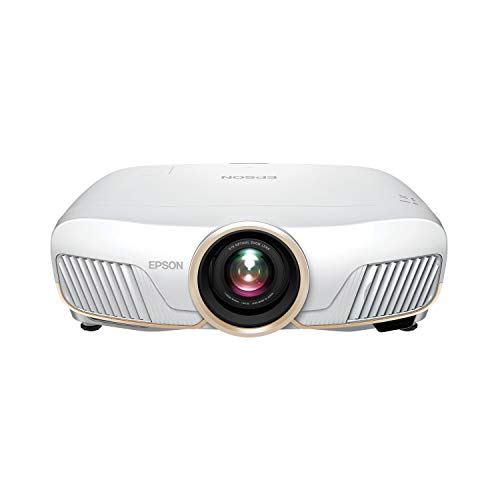
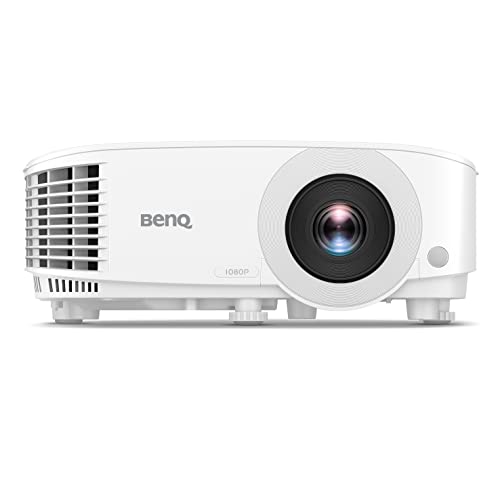
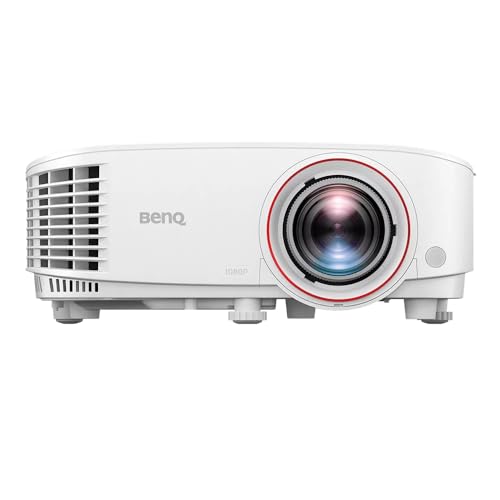

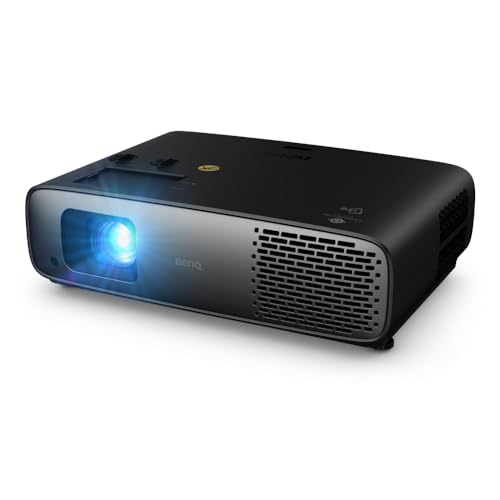
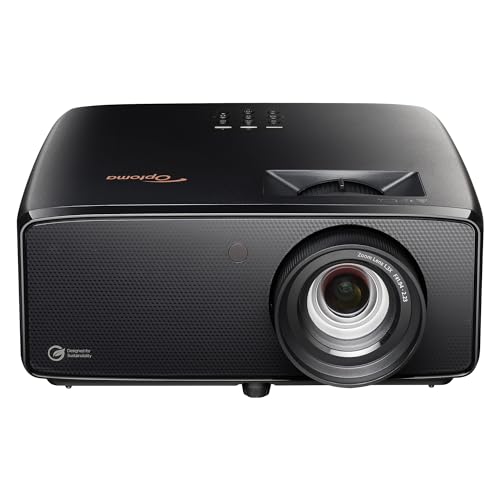
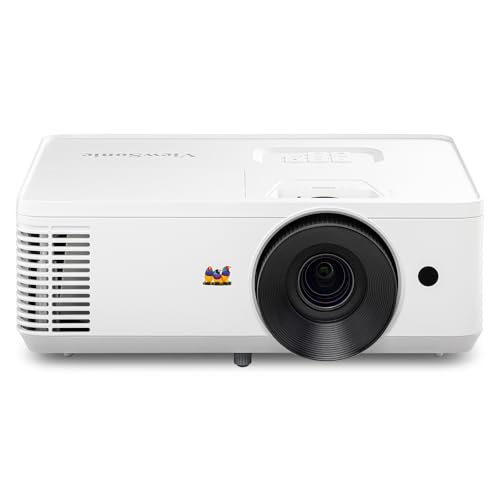
Types of 3D Projectors Compared: Best 3D Projectors For Home Theater
Every 3D projector creates depth the same basic way, by showing each eye a slightly different image in rapid sequence while the glasses sort out which eye sees which frame. What changes between types is the light source and the lens, and those two parts drive price, brightness, and upkeep more than any other spec on the box.
| Type | Best For | Pros | Cons | Typical Price |
|---|---|---|---|---|
| Lamp Based | First dedicated theater rooms | Strong brightness for the price, lamps are replaceable | Lamp dims with age and needs swapping | about $500 to $1,500 |
| LED | Bedrooms and casual dens | Long light life, compact body, instant start | Lower brightness limits 3D in lit rooms | about $400 to $1,200 |
| Laser | Frequent movie nights | Brightness holds for years, fast startup | Higher upfront cost | about $1,200 to $3,500 |
| Short Throw | Small rooms and rentals | Big image from a short distance | Placement must be precise, lenses cost more | about $800 to $2,500 |
Lamp Based Projectors
The traditional lamp design is still the easiest way to get strong 3D brightness per dollar spent. A replaceable bulb throws a lot of light, which matters because 3D glasses discard a large share of it before the picture reaches your eyes. The trade off is upkeep: the lamp fades gradually and eventually needs a swap, and the fan noise is usually the loudest of the four types. For a first dedicated room on a moderate budget, this type remains the practical default.
LED Projectors
LED models trade raw output for convenience and longevity. They start instantly, run cool and quiet, and fit small rooms where a big lamp housing would crowd the ceiling. Their weakness shows up in 3D mode, where modest brightness can leave the image looking flat unless the room goes fully dark. Shoppers comparing light sources can also read our guide to the best led projectors for home theater for a wider look at what this type does well.
Laser Projectors
Laser models cost more upfront and return the money as stable brightness over a very long light life. The picture on the first night looks close to the picture years later, which suits households that watch several movies a week and do not want lamp swaps on the calendar. Startup is fast and there is no warm up fade. Our guide to the best laser projectors for home theater covers this type in more depth for buyers weighing the premium.
Short Throw and Ultra Short Throw Projectors
Short throw lenses make a large image from a few feet away, and ultra short throw models sit almost against the wall, so both solve the small room problem that blocks standard projectors. The catch is precision: a small bump moves the image, and any ripple in the screen shows up as a visible wave in straight lines. These models pair best with a fixed, flat screen rather than a painted wall.
Lamp Based vs Laser: Which Should You Choose?
These two types split on one question: do you pay less now and accept upkeep, or pay more now and nearly forget the light source? On cost, lamp models win at purchase, while laser models win across years of heavy use. On light life, a lamp is rated at about 4,000 to 6,000 hours, while an LED or laser light source is rated at about 20,000 hours, so a daily viewer can exhaust a lamp in a few years. On brightness stability, the lamp fades slowly from day one, while laser output holds nearly flat.
General purpose shoppers can also browse the best video projectors for home theater if 3D is only one item on a longer checklist.
How to Choose the Right 3D Projector
Brightness Comes First for 3D
Brightness governs how well any 3D projector works, because the glasses block a large share of the light before it reaches your eyes, so a model that looks punchy in 2D can look dim and washed out in 3D. Judge brightness in the ANSI lumen class, not in the inflated numbers some boxes print. For a dark, light controlled room, about 1,000 to 2,000 ANSI lumens is a workable class. For a living room with lamps and windows, look at about 3,000 to 4,000 ANSI lumens so the 3D image keeps its contrast and color.
3D Glasses and Format Support
Nearly all home 3D projectors use active shutter glasses, which blink each lens in sync with the screen by radio or infrared signal. Each seat needs its own pair, and glasses are often sold separately at about $20 to $50 a pair, so a family of five should budget for them from the start. Check two things before buying: that the projector speaks the same sync system as the glasses, and that it accepts the 3D format your discs or streaming box actually send.
Throw Distance and Room Size
Throw is best read as a room measurement, not a projector spec in isolation. It tells you how far the lens must sit from the screen to fill it, and the image grows as that distance grows. Measure your room first, then match the throw class to the space: standard throw for longer rooms, short throw where the seating sits close to the wall. Ceiling mounting keeps the path clear of heads and coffee cups, while a rear shelf works when drilling is not an option.
Resolution and the Native Chip
The native chip governs the resolution you actually see, no matter what signal the box accepts. A projector with a native 1080p chip shows true 1080p detail, while models that accept a 4K signal but build the image by shifting a lower resolution chip land somewhere in between. For 3D this matters less than for 2D, since nearly all 3D movie content is 1080p to begin with. Spend on brightness and glasses before chasing a higher input resolution for a 3D room.
Choosing 3D Projectors for Your Situation
Best 3D Projectors for Home Theater Under 1000
Under this line, lamp based 1080p models dominate, and the winning move is to spend on brightness first and treat extras as bonuses. A bright lamp model with a spare pair of glasses in the budget beats a dimmer model with a longer feature list, because glasses and a dark room decide the 3D experience more than menus do. If the budget is tighter still, compare the best affordable projectors for home theater and let 3D be a welcome extra rather than the deciding factor.
Tips to Get the Most From Your 3D Projector
- Use the movie or cinema picture mode for films, since the vivid mode lifts brightness by crushing the dark detail that 3D depth depends on.
- Clean the lens only with a dry microfiber cloth, and keep the air vents clear so heat does not shorten lamp or light life.
- Charge or store the glasses together in one spot, and keep a spare pair so a dead battery never cancels a seat on movie night.
- Run the room as dark as you can for 3D sessions, because even one lamp left on flattens depth more than it hurts a 2D picture.
3D Projectors: Questions Answered
Do 3D projectors come with glasses included in the box?
Often they do not, or the box holds only one or two pairs. Count the seats in your room and buy enough pairs for every regular viewer, plus one spare for guests. Child sized pairs exist for smaller heads and cost about the same as adult pairs. Buying glasses from the same sync family as the projector avoids pairing failures on the first night.
Can a 3D projector play regular 2D movies just as well?
Yes, every 3D projector plays 2D content, and it usually looks brighter doing it. Without the glasses filtering the image, the same projector delivers its full light output to the screen, so 2D movie nights look more vivid than 3D nights from the same machine. If your household watches mostly 2D, judge the projector on its 2D picture first and treat 3D support as a bonus.
How far should seats be from the screen for 3D movies?
A good starting point is a seating distance of about one and a half times the screen width. Sitting much closer makes the alternating frames easier to notice and can reveal ghosting at the edges of the picture, a flaw called crosstalk. Sitting much farther shrinks the depth effect that makes 3D worth wearing glasses for. Leave the middle rows for regular viewers and the closest seats for short clips only.
Can I project 3D movies onto a plain wall instead of a screen?
You can, but 3D suffers on a wall more than 2D does. Wall paint tints the color, wall texture scatters light, and both eat the brightness that 3D already loses through the glasses. A basic fixed screen with a smooth matte surface returns a visibly deeper and brighter 3D picture for a modest cost. If a wall is the only option, choose the flattest, whitest wall in the room.
Do 3D projector lamps get dimmer before they burn out?
Yes, lamps fade gradually across their whole life rather than failing at full brightness one day. You will notice the fade in 3D mode first, because the glasses already cut so much light that a tired lamp pushes the picture from dim to murky. Most projectors show lamp hours in the menu, so check that counter a few times a year and plan the replacement before a big movie night, not after it.
Final Thoughts
Start with the type that fits your room, then let brightness lead every remaining decision, since glasses will take their cut of the light no matter which model you choose. Check the throw against your seating, count glasses for every seat, and weigh lamp upkeep against the laser premium. Whichever style you land on, the best 3d projectors for home theater choice is the one whose picture still looks deep and bright from your actual couch. Line up your finalists against the product table above and let your room measurements settle the tie.