
Best at Home Elliptical Machines: A Practical Buying Guide for 2026
Disclosure: We may earn a commission when you buy through links on this page, at no extra cost to you. As an Amazon Associate I earn from qualifying purchases. Learn more

The best at home elliptical machines feel smooth, stay quiet, and fit your room. Compare stride, resistance, size, and cost before you buy.
The best at home elliptical machines give you smooth, low impact cardio without a gym membership, but stride length, resistance type, and footprint decide whether you will actually use one. This guide explains the types of home ellipticals, the features that matter in daily use, and how to avoid the common mistakes that lead to a machine gathering dust.
The product table below lets you compare current machines once you know your space and your body measurements. Start with those two things, then work through the sections in order.


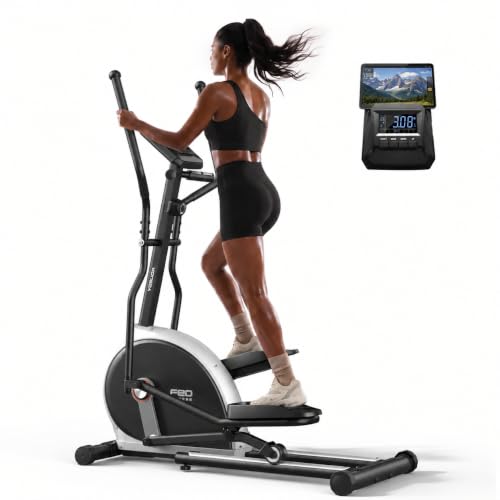
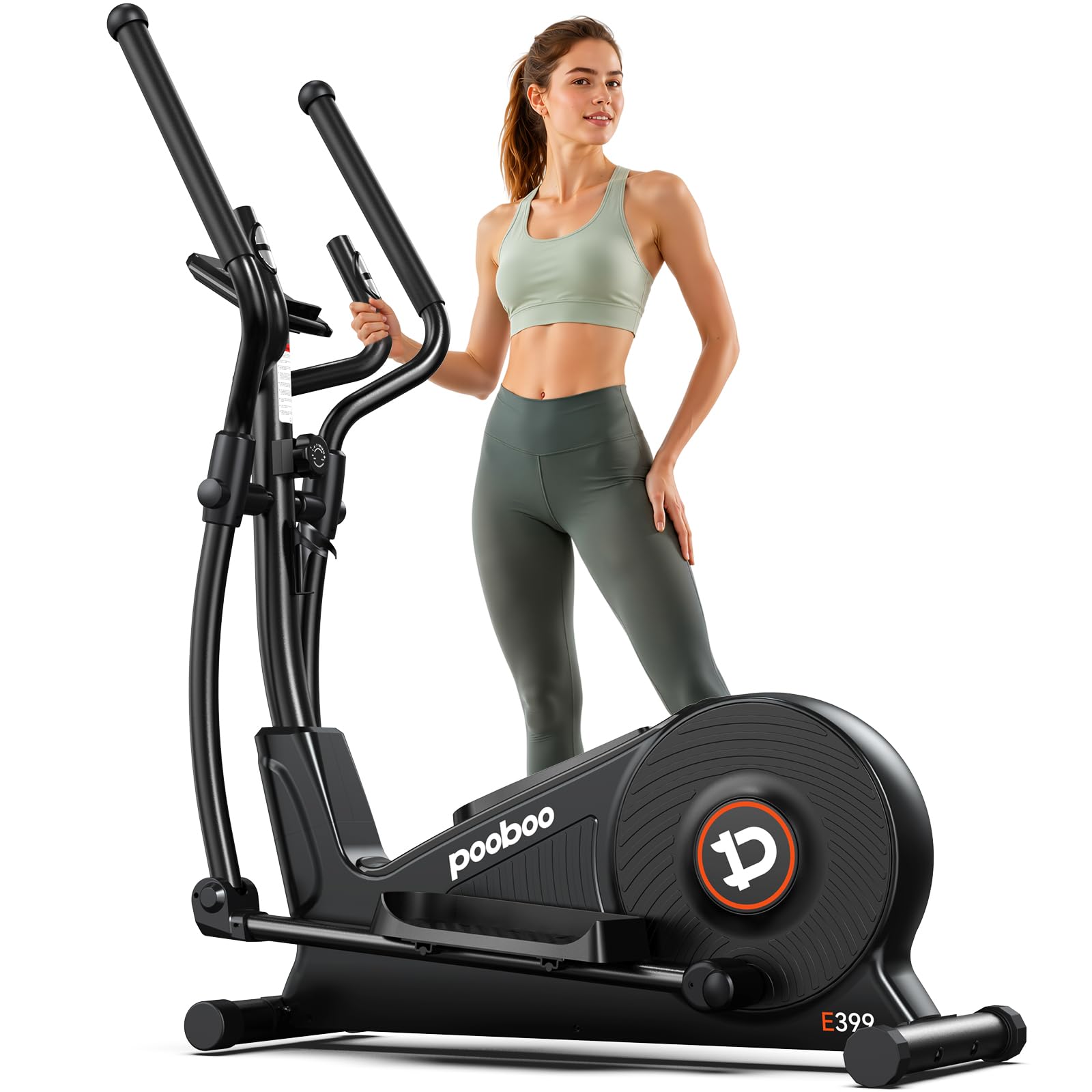


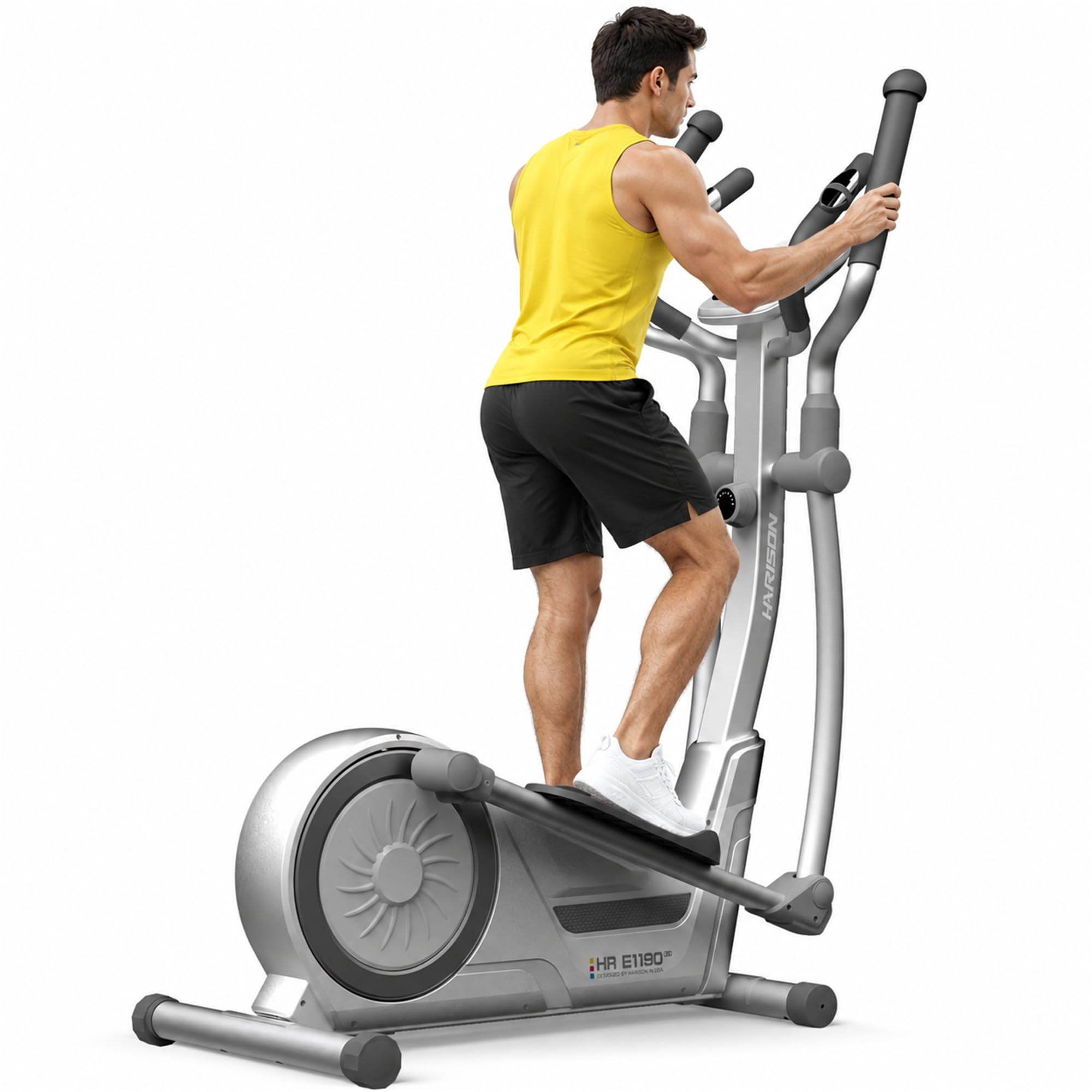

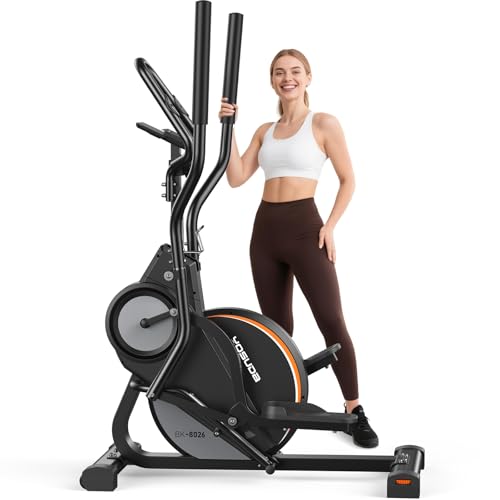
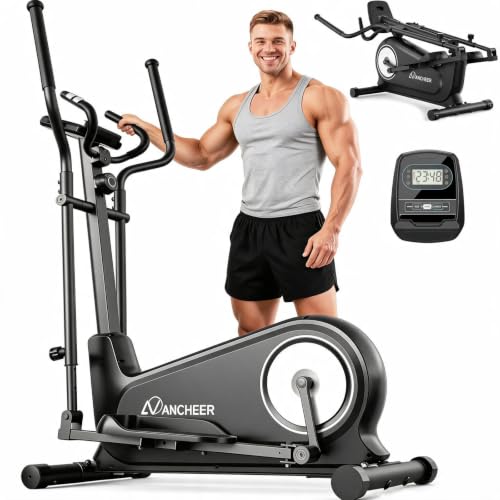
Who Should Buy a Home Elliptical
Home ellipticals suit people who want steady cardio that is gentler on the joints than running, households with limited outdoor options, and anyone who prefers to exercise while watching a show. They are a weaker fit if you want very high intensity training or have almost no floor space, where a compact bike or stepper may work better.
Measure your space and ceiling height first, since an elliptical needs room for a full stride and safe stepping on and off. Quiet operation also matters at home, especially for early mornings or shared walls.
Types of Home Ellipticals Compared
Front Drive Ellipticals
Front drive machines put the flywheel ahead of the pedals and are usually the most affordable and compact. They have a slightly steeper, stair-like motion, which suits casual users and smaller rooms.
Rear Drive Ellipticals
Rear drive machines place the flywheel behind the pedals and feel flatter and more natural. They cost more and are longer, so check your floor length, but many riders find the stride smoother.
Center Drive Ellipticals
Center drive models mount the flywheel in the middle and aim for a compact design with a smooth motion. They sit between front and rear drive on both price and footprint.
Compact and Under Desk Ellipticals
Small pedal-style ellipticals fit under a desk or in front of a couch. They are inexpensive and easy to store but offer a short motion and low resistance, so they suit light activity rather than serious training.
Key Features to Compare
- Stride length. It should match your height and natural step. A short stride feels cramped for taller users, and about 18 to 20 inches suits most adults.
- Resistance type and levels. Magnetic resistance is smooth and quiet, and more levels let you progress in small steps.
- Flywheel weight and frame. A heavier flywheel and a stiff steel frame keep the motion smooth and the machine planted.
- Weight capacity. Leave a real margin above your body weight, as machines feel unstable near their limit.
- Console and connectivity. A clear display and a few programs are enough for most riders, and Bluetooth lets you track workouts on a phone.
- Footprint and ceiling height. Check floor space and the headroom at the top of the stride.
Work through this list with your own priorities in mind and note the two or three features you will not compromise on.
What the Best At Home Elliptical Machines Cost
Budget ellipticals cost around $150 to $400 and cover the basics with shorter strides and lower capacities. Midrange machines around $400 to $900 add heavier flywheels, longer strides, and more resistance levels, and they suit most regular users. Premium machines above $900 offer stronger frames, higher capacities, and longer warranties. For a specific price ceiling, see our guide to the best at home elliptical machine under 1 000. Budget for a floor mat, delivery, and any subscription for connected workout content.
Setting Up for Success
When the machine arrives, check floor space, ceiling clearance, and stability before the first workout. Assemble it as directed, tighten fixings carefully, and start at low resistance. Place it on a dense mat to protect flooring and cut vibration, and keep it away from a shared wall.
Start with short, easy sessions while you learn a comfortable stride and posture. Keep water nearby, wear suitable shoes, and stop promptly for sharp pain, dizziness, or unusual discomfort. Wipe the machine after use, check bolts periodically, and follow the maker guidance on lubrication.
Common Mistakes to Avoid
- Choosing on price alone. The cheapest machine can feel choppy and wobble within months.
- Ignoring stride and fit. A stride that does not suit your height strains the knees and leaves the machine unused.
- Forgetting the ceiling. Your head rises above pedal height at the top of the stride, so add your height to about a foot for the pedals.
- Overlooking subscriptions. Some connected models lock programs behind a monthly fee after a trial.
When to Reconsider Your Choice
Reconsider if the motion feels unnatural, noisy, or uncomfortable despite correct setup and gradual use. A machine that fights your stride or disturbs your household will sit unused. Seek clinician advice for persistent pain, joint swelling, or symptoms that worsen with exercise, since fitness machines do not replace professional guidance for health concerns.
Related Guides
For a wider view, see our guides to the best elliptical at home, best rated elliptical machine for home, best home gym elliptical machine, and best at home row machine if you are also weighing a rowing machine.
Resistance Levels and Workout Programs
Resistance levels let you change difficulty without changing speed. Eight levels are enough for casual cardio, while 16 or more levels let you progress in smaller steps and run interval workouts. Many consoles include preset programs such as hill, interval, and fat burn, which vary resistance automatically so you do not have to think about it. Some machines add incline adjustment, which shifts the work toward the glutes and hamstrings, and moving handles, which add an upper body workout. Pick the features you will actually use, since a simple machine you enjoy beats a complex one you ignore. Reverse pedaling is another worthwhile feature, as it works the muscles differently and breaks up a routine.
Frequently Asked Questions
What stride length suits home ellipticals?
Stride length should feel natural for your height without forcing short steps. Taller users usually need a longer stride. Check the full stride motion, not only standing on the pedals.
Are ellipticals good for low impact exercise?
Ellipticals offer low impact cardio with smooth, guided motion, which suits many people with joint concerns. Stop and seek clinician advice for sharp pain, swelling, or persistent discomfort during exercise.
How much space does an elliptical need?
Allow floor space of about 6 feet by 3 feet, plus clearance for safe stepping on and off. Ceiling height matters at the top of the stride, so measure carefully before ordering.
Do ellipticals need much maintenance?
They need periodic cleaning, bolt checks, and lubrication as directed. Wipe sweat after use to protect finishes, and follow the maker guidance for moving parts.
Can ellipticals help with weight goals?
They support regular cardio as part of an active routine alongside balanced eating and other movement. Results depend on consistency and overall habits, not on any single machine.
Final Thoughts
Choosing well comes down to fit, stride, and honest priorities. Measure your space, pick a stride and capacity for your body, and value a heavy flywheel and stiff frame over screen size. The best at home elliptical machines are the ones that feel smooth, stay quiet, and fit your room, so compare a short list in the product table above and check the return terms before you commit.


