
Best Elliptical at Home Made Simple: A Clear Buying Guide
Disclosure: We may earn a commission when you buy through links on this page, at no extra cost to you. As an Amazon Associate I earn from qualifying purchases. Learn more

A first buyer guide to the best elliptical at home: stride length, resistance, space and noise explained.
An elliptical gives you a full body cardio workout at home without the pounding of running. Your feet stay on the pedals, the motion is smooth and many models add moving handles to work your arms too. If you are buying your first home elliptical, though, the specs can be confusing: stride length, flywheel weight, resistance levels and folding designs. This beginner guide to the best elliptical at home explains the basics in plain English, so you can choose a machine that fits your space, body and goals.
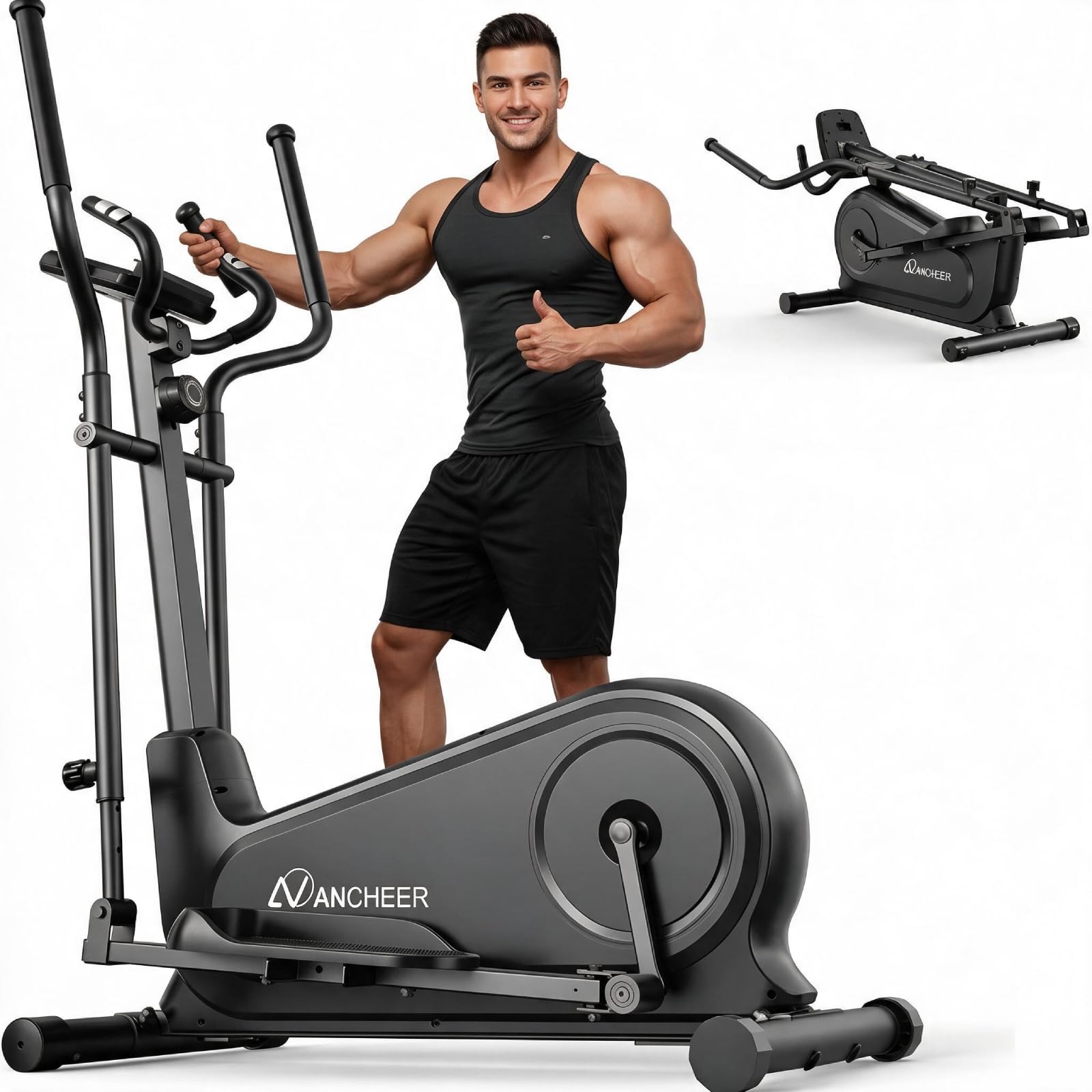
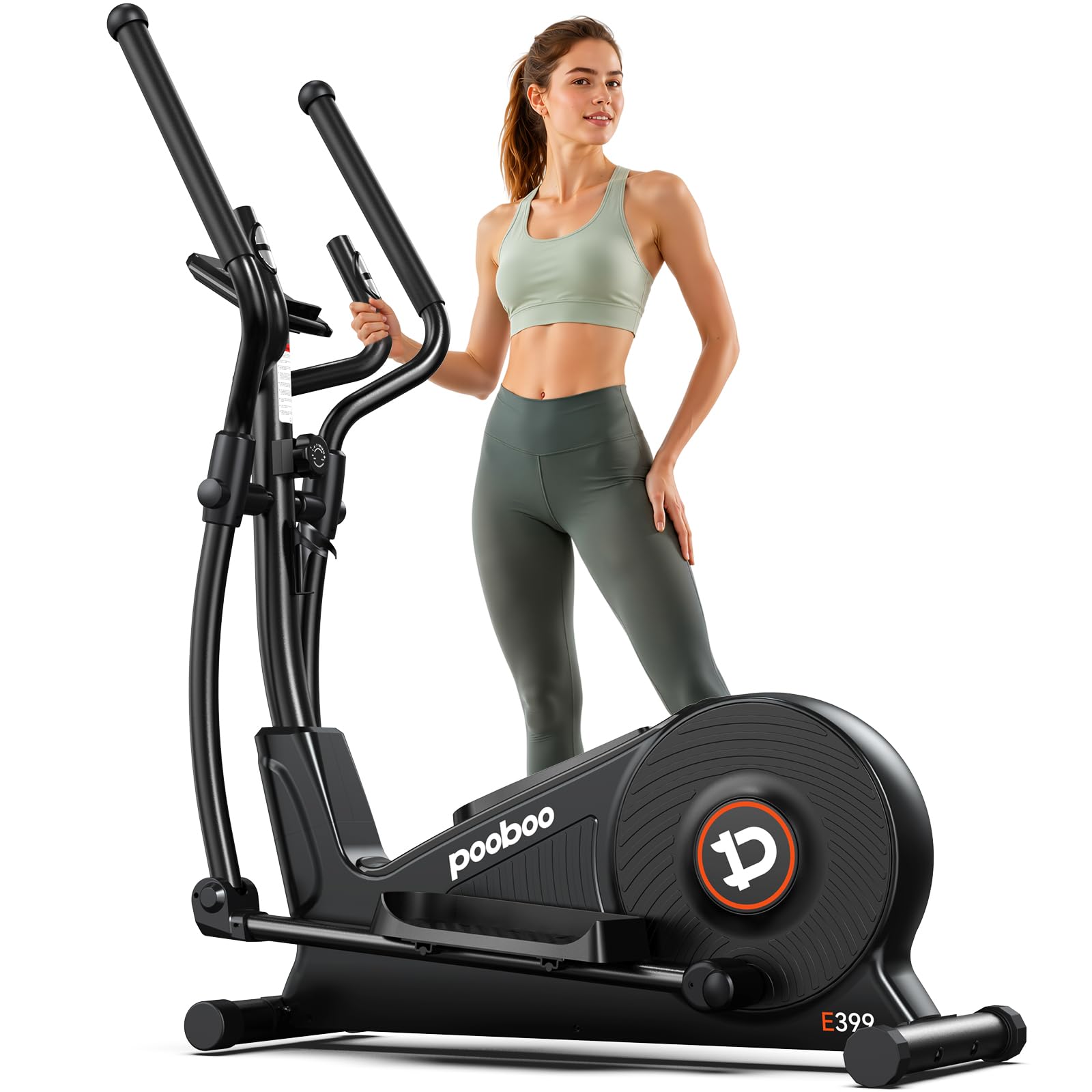
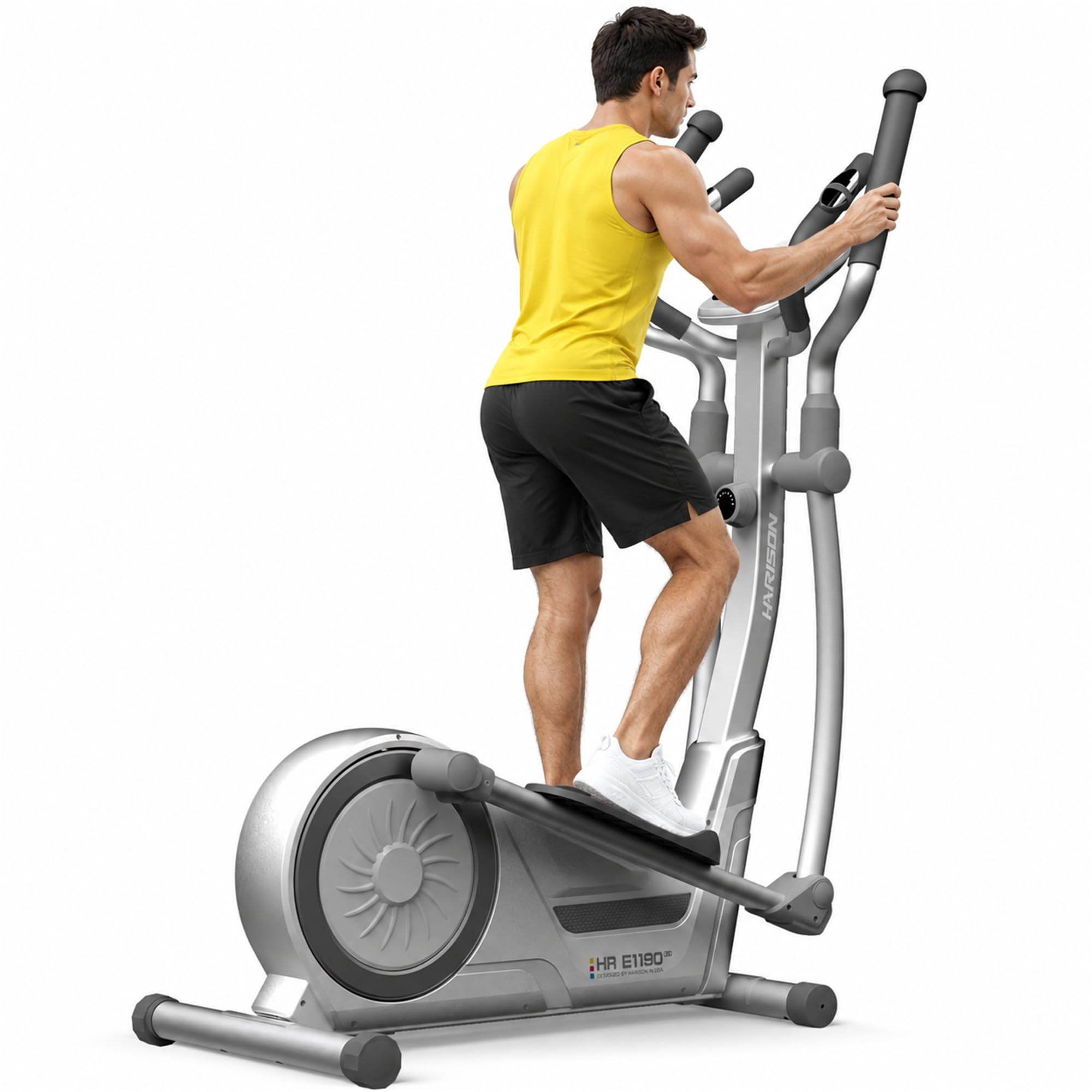
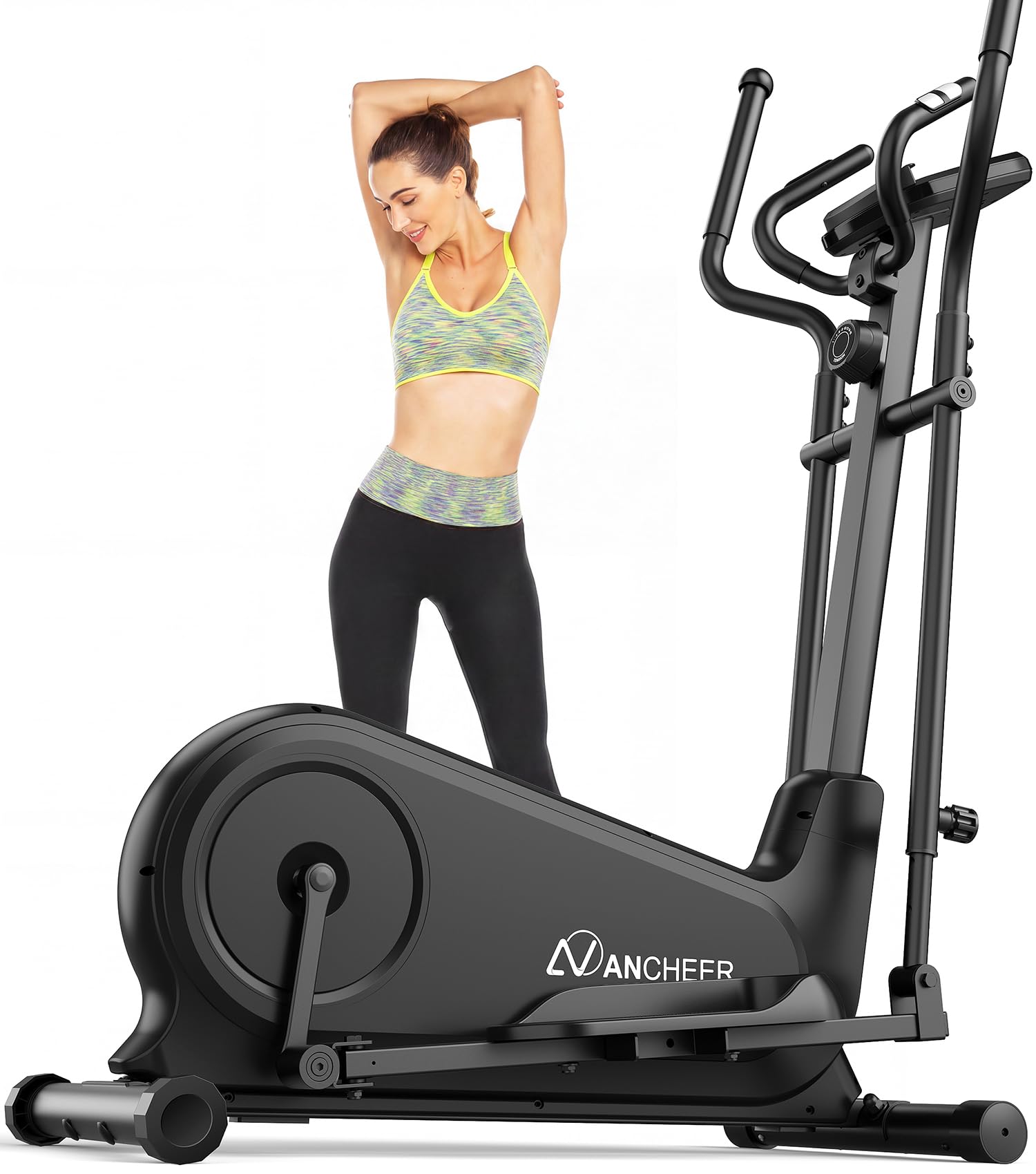
We cover how ellipticals work, the key specs, buying advice for different situations, rookie mistakes, setup steps and answers to common questions. The table above lists ellipticals from ANCHEER, Niceday, pooboo, MERACH, Sunny Health and Fitness, Schwinn and others, all sold new on Amazon US. If you have heart, joint or balance conditions, or are new to exercise, talk to your doctor before starting a new routine.




Elliptical at Homes 101: The Basics
An elliptical trainer moves your feet in an oval path while you stand on pedals, combining the motion of walking, running and stair climbing with low impact. Most home ellipticals use magnetic resistance, where magnets near a flywheel create adjustable resistance quietly. More resistance makes each stride harder.
Front drive ellipticals place the flywheel in front and tend to be more compact and affordable. Rear drive models place it behind and often feel smoother and more natural. Center drive models are compact with a balanced motion. Recumbent cross trainers, like the Sunny Health and Fitness Elite recumbent model, let you sit while pedaling and pushing arm handles, which suits people with balance concerns.
Compact and under desk ellipticals are pedal only units that fit under a desk or in small spaces, offering light activity while seated.
For most beginners, a magnetic front drive elliptical with a 15 to 18 inch stride and simple console covers the essentials at a reasonable price.
Choosing the best elliptical at home is simpler when you know how you will use it: brisk daily cardio, gentle recovery workouts or light activity while working. Each use points to a different style.
Ellipticals are often recommended as joint friendly cardio because your feet never leave the pedals, which reduces impact compared with running. Using the moving handles adds upper body work.
Most home ellipticals plug in or use batteries for the console, while magnetic resistance is powered by your pedaling.
Key Specs Explained in Plain English
Space, console, build quality, noise, stride and warranty matter most. Here is what each spec means and what to choose.
Space, Footprint, and Ceiling Height
Ellipticals need floor space plus clearance around them, and you rise several inches when on the pedals, so check ceiling height, especially in basements. Foldable models, like the ANCHEER foldable elliptical, save space when not in use.
Recommendation: measure the room and allow at least a couple of feet of clearance on each side and behind the machine.
A simple rule for ceiling height: add your height, the maximum pedal height and a few inches of headroom. Basements with low ceilings may need compact or recumbent models.
Placing the machine near an outlet helps if it has a powered console or charging port.
Good airflow from a fan or open window keeps workouts comfortable in small rooms.
Console, Programs, and App Connectivity
Basic LCD monitors show time, speed, distance, calories and pulse. The ANCHEER model includes an LCD monitor and pulse sensor. Some models add Bluetooth app connectivity for workout programs and tracking.
Recommendation: a simple console is enough for beginners; choose app features only if you will use them.
Pulse sensors on handles give rough heart rate readings. For more accurate data, pair a chest strap if the console or app supports it.
Preset programs like hills and intervals automatically change resistance, which keeps workouts interesting without having to plan them.
A device holder lets you watch shows or follow workouts on a tablet while exercising.
Calorie estimates on consoles are rough guides, so focus on time, effort and consistency rather than exact numbers.
Build Quality and Weight Capacity
Sturdier frames feel more stable at faster paces. Weight capacity varies widely; ANCHEER lists 550 pounds on some models, while Niceday lists 400 pounds. Heavier flywheels usually feel smoother.
Recommendation: choose a weight capacity comfortably above your weight for stability and durability.
Check the machine's own weight too; heavier ellipticals are more stable but harder to move. Transport wheels help when you need to reposition it.
Pedals with non slip surfaces and adjustable angles reduce foot numbness on longer workouts, a common complaint on budget machines.
Stabilizers or adjustable feet help level the machine on uneven floors, which reduces rocking.
Noise Level for Apartments
Magnetic resistance is quiet, and many brands, like pooboo and MERACH, describe hyper quiet magnetic drive systems. Squeaks usually come from loose bolts or dry joints, which tightening and lubrication fix.
Recommendation: use a rubber mat to reduce vibration for neighbors below.
Exercising at reasonable hours and placing the elliptical away from shared walls also help apartment dwellers keep good relations with neighbors.
A thick equipment mat also protects carpet and hardwood from dents caused by the machine's feet.
Belt driven systems generally run quieter than chain drives.
Rubber feet under the frame absorb vibration that would otherwise travel through floors.
Stride Length, Range of Motion, and Ergonomics
Stride length is how far your feet travel front to back. Many home ellipticals offer 16 inch strides, like ANCHEER and Niceday, which suit most users. Taller users may prefer 18 to 20 inches. Adjustable pedals and moving handles improve comfort.
Recommendation: users under about 5 feet 3 inches do well with 14 to 16 inches, average heights with 16 to 18 inches and taller users with 18 inches or more.
Pedal spacing, called Q factor, affects comfort. Narrower spacing feels more natural for most people, similar to walking.
Handle height should let you hold them with relaxed shoulders; too high or low handles lead to awkward posture.
Some ellipticals offer adjustable incline or ramp angles, which shift emphasis between legs and glutes for more workout variety.
Warranty (Frame, Parts, Labor)
Warranties often cover frames longer than parts and electronics. Read terms carefully and register your machine. Established brands offer replacement parts like pedals and belts.
Recommendation: favor brands with clear warranty terms and parts availability.
Keep the receipt and register online so claims go smoothly if a part fails.
Customer support quality varies, so look for brands that list clear contact options and respond to questions before purchase.
Extended protection plans are optional; compare their cost with the price of common parts.
Choosing Elliptical at Homes for Your Situation
Your space, budget and goals point to the right machine.
Families with members of different heights should prioritize adjustable pedals and a stride that suits the tallest regular user.
Best Elliptical for Home Reviews: Tips for First Time Buyers
When reading owner feedback, look for comments about smoothness, noise after a few months, assembly difficulty and customer service. Pay attention to feedback from users of similar height and weight. A pattern of squeaks or wobbles is a warning sign, while praise for stability and easy assembly is encouraging.
Feedback about how the machine feels after several months is more useful than first impressions on delivery day.
Comments about the quality of assembly instructions also matter, since clear instructions save a lot of frustration.
Best Elliptical for the Home
For most homes, a magnetic elliptical with a 16 inch stride, 16 resistance levels and a stable frame, like the ANCHEER or Niceday models, offers the best balance. Compact homes benefit from foldable designs, and people with balance concerns may prefer recumbent cross trainers. The Schwinn 411 compact elliptical suits small spaces from a well known fitness brand.
Under desk ellipticals suit remote workers who want light movement during calls, though they do not replace full workouts.
MERACH and pooboo models offer magnetic resistance with quiet drive systems at moderate prices, giving more choices in the same range.
The Merach elliptical with a hyper quiet magnetic drive is a midrange option for those who want a sturdier frame.
For tall users, the Sunny Health and Fitness models and longer stride machines feel less cramped.
Rookie Mistakes to Avoid
- Ignoring ceiling height. Standing on pedals raises you several inches.
- Choosing a short stride for tall users. It feels cramped and choppy.
- Skipping the weight limit. Underrated frames wobble and wear out.
- Buying features you will not use. Simple consoles often suffice.
- Doing too much too soon. Start with short, easy sessions.
Another mistake is placing the elliptical in a room you rarely visit. A machine in a busy area gets used more often.
Building a Beginner Elliptical Routine
Start with three sessions a week of 10 to 20 minutes at a comfortable pace, where you can still talk. Add a few minutes each week. Once 30 minutes feels easy, try intervals: one minute at a higher resistance, then two minutes easy, repeated several times. Pedaling backward works muscles differently and adds variety. Always warm up and cool down for a few minutes at low resistance.
Getting Started: Setup and First Use
Assemble the elliptical on a level surface, following the manual and tightening all bolts. Place it on a mat with clearance around it. Start with a low resistance level for 10 to 15 minutes, keeping an upright posture and light grip on the handles. Increase time and resistance gradually over weeks.
Check bolts after the first week, since they can loosen as the machine settles, and wipe sweat off after each workout.
Wear supportive athletic shoes and keep a towel and water nearby. Stand tall with your core engaged, and avoid leaning heavily on the handles, which reduces the workout for your legs.
Assembly typically takes one to two hours, and a second person helps when lifting heavy parts. Keep the hardware sorted and follow each step in order.
Track your sessions in a notebook or app to see progress, which helps motivation in the first few weeks.
Elliptical at Homes: Your Questions Answered
Is a subscription required?
Most home ellipticals work without a subscription using built in consoles. Some connected models offer optional app subscriptions for classes. Check the listing before buying if app content matters to you.
Free workout videos and apps can guide interval and endurance sessions without a paid plan.
Bluetooth models sometimes pair with third party apps that are free or low cost.
Which is better for beginners?
Beginners do well with magnetic ellipticals with simple controls, a 16 inch stride and several resistance levels. Recumbent cross trainers suit those who prefer sitting or have balance concerns.
Elliptical workouts are easy to learn, which is why many beginners find them less intimidating than rowing or running.
Recumbent cross trainers let beginners exercise seated, which is helpful for people recovering from injuries with their doctor's approval.
Choose a model with low starting resistance so early sessions feel manageable.
How much space do I need?
Most home ellipticals need a footprint of roughly 4 to 6 feet long and 2 feet wide, plus clearance around them and enough ceiling height for your height plus pedal rise.
Foldable models reduce the stored footprint, though they still need full space during workouts.
Leave room to step on and off from the side safely, especially for users with balance concerns.
Measure door widths too, since large boxes and assembled machines must fit through hallways and doorways to reach their final room.
Is it quiet enough for an apartment?
Magnetic ellipticals are quiet and suit apartments, especially on a mat. Regular maintenance prevents squeaks.
Elliptical motion has no foot strikes, so it is usually much quieter for neighbors than treadmills.
Check owner comments about noise after several months of use.
How long does it last?
Home ellipticals often last several years with regular maintenance, and sturdier models can last much longer. Tightening bolts, lubricating joints and keeping the machine clean help.
Checking for loose bolts monthly and vacuuming dust around the flywheel help prevent common issues.
Keeping the machine in a climate controlled room protects electronics and prevents rust.
Wiping sweat off rails and pedals after workouts prevents corrosion and keeps moving parts smooth for years.
Wrapping Up
The best elliptical at home fits your space, stride and budget. Magnetic models like ANCHEER and Niceday offer quiet, stable workouts with 16 inch strides, foldable designs save space and recumbent cross trainers suit people who prefer to sit. Check ceiling height, weight capacity and stride length, and start gradually.
For more fitness guides, see the best in home rowing machines, the best home elliptical trainer, the best womens gym wear and the best compact rowing machines. Then compare current prices in the product table above.
Consistency matters more than features. Place your elliptical where you will see it daily, perhaps facing a TV or window, and schedule short sessions you can stick with.
Start with short, comfortable sessions and build gradually.


