
Best Asus Wifi Routers 2026 Buying Guide
Disclosure: We may earn a commission when you buy through links on this page, at no extra cost to you. As an Amazon Associate I earn from qualifying purchases. Learn more
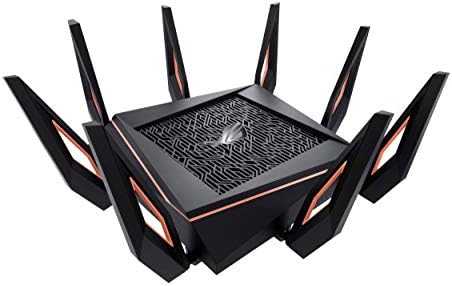
The best asus wifi routers cover every room, match your internet plan, and stay easy to manage. Compare mesh, wifi standards, and ports.
Shopping for the best asus wifi routers is easier once you know your home layout and how many devices share the connection. A single router can serve a small apartment well, while a larger house with thick walls may need a mesh system. Speed claims on the box matter less than steady coverage in the rooms where you actually work and stream.
The comparison table below summarizes the main options, and this guide explains the features that make a real difference. Read through coverage, wifi standards, ports, and security before you decide, so the router you buy fits your home rather than forcing your home to fit the router.


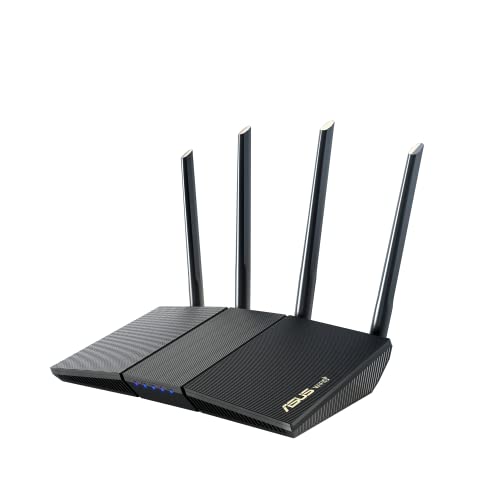

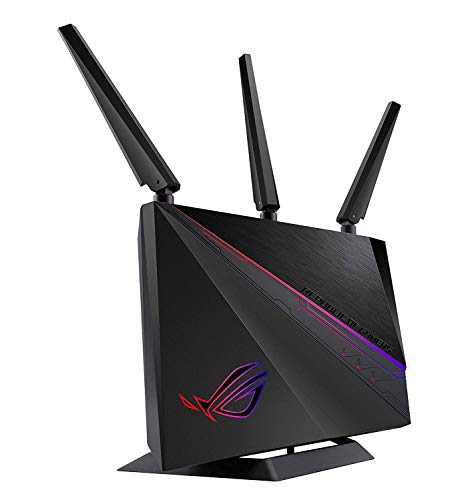


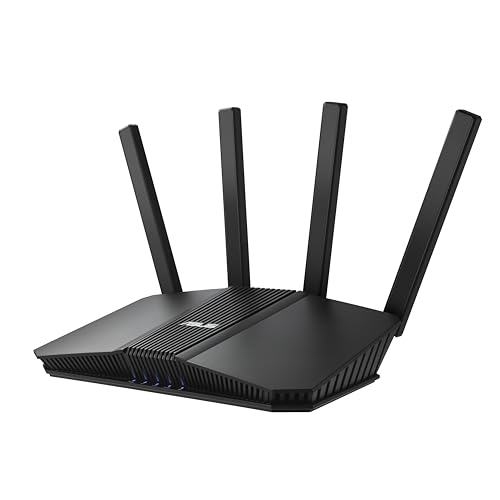
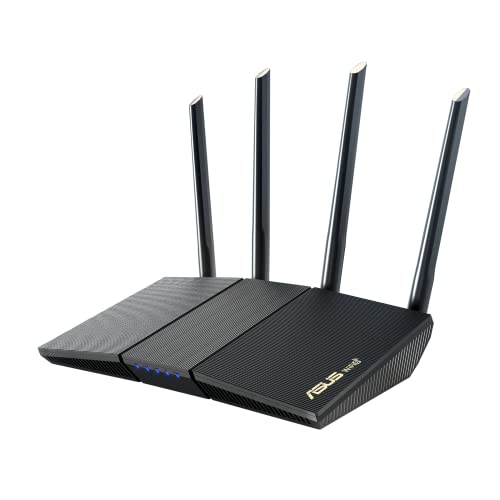


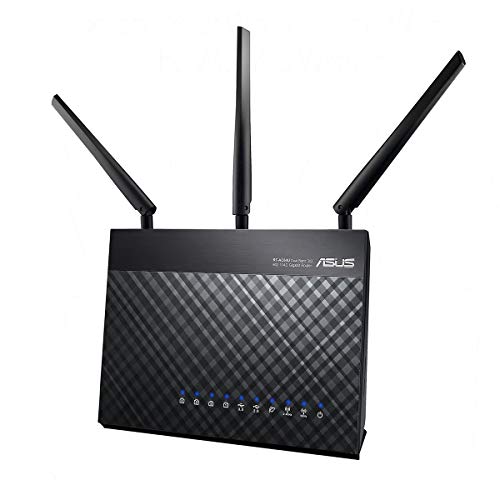
Coverage First: Size, Walls, and Dead Zones
Start by mapping where you need wifi, including bedrooms, a home office, and any garden room. Thick brick walls and metal appliances weaken signals more than open plan layouts do. A router placed centrally and raised off the floor usually covers more area than one hidden in a corner cupboard.
If one router leaves dead zones, a mesh system adds extra units that share one network name, so devices move between them without dropping. Mesh suits larger homes and multi floor houses. For a small apartment, a single strong router is simpler, cheaper, and easier to manage.
Wifi Standards and Real World Speed
Modern routers use wifi 6 or wifi 6E, which handle many devices at once more efficiently than older standards. This matters in homes with phones, laptops, smart TVs, and smart home gadgets all competing for airtime. The headline speed on the box is a laboratory figure, so expect lower speeds in real rooms.
Your internet plan also caps what any router can deliver. A gigabit plan needs a router with fast wired ports to reach full speed, while a slower plan will not benefit from the fastest router. Match the router to your plan, and spend the difference on coverage or a mesh unit if your home needs it.
Gaming and Streaming Needs
Gamers and streamers need low latency and stable connections more than raw speed. A wired ethernet connection to a gaming PC or console beats wifi for competitive play, so check how many ethernet ports the router offers. Quality of service settings can prioritize gaming or video calls over background downloads.
Dual band and tri band routers spread devices across separate radio bands, which reduces congestion. A dedicated band for backhaul in a mesh system keeps the units talking to each other without stealing bandwidth from your devices. If your household streams 4K video while others game, this separation keeps both activities smooth.
Ports, Antennas, and Placement
Look at the ports before you buy, especially if you run a network drive, a printer, or a smart home hub. A USB port lets you share a drive or printer across the network. Multiple gigabit ethernet ports let you wire stationary devices, which frees wifi capacity for phones and tablets.
External antennas can help in some layouts, but placement matters more than antenna count. Keep the router away from microwaves, thick metal, and fish tanks, and avoid placing it behind a TV. A short experiment with placement often improves coverage more than buying a stronger router.
Security and Software Features
A modern router should offer automatic firmware updates, a guest network, and parental controls. A guest network keeps visitors off your main devices, while parental controls help manage children's screen time. Some routers include built in security scanning that flags suspicious devices on your network.
Check whether the router app is easy to use, since you will manage settings through it. A clear app makes it simple to pause a device, change the wifi password, or check which devices are connected. Avoid routers that require a paid subscription for basic security features unless you value the extra service.
A Final Check Before You Order
Before ordering, count your devices, note your internet speed, and sketch your floor plan with dead zones marked. Compare those notes against the product table above, and choose coverage over headline speed when the two conflict. A router that reaches every room reliably beats a faster router that drops out in the bedroom.
Also confirm the router works with your internet provider, especially if you use fiber with a separate modem. Keeping the box, receipt, and default login details safe makes future troubleshooting easier. With the right match, your network should stay steady for years without constant resets.
For wider comparisons, our guides to best asus routers, best wifi routers for gaming, best affordable wifi routers, best wifi 6e routers and best wifi mesh routers cover Asus models, gaming performance, budget picks, wifi 6E, and mesh systems.
Managing Many Devices at Home
Modern homes connect dozens of devices, from phones and laptops to TVs, speakers, cameras, and smart bulbs. Each device uses a little bandwidth, but together they compete for airtime, especially on older routers. A modern router with efficient device handling keeps video calls smooth even when other devices stream, download, or update in the background.
Separate your devices sensibly across bands: put stationary high demand devices on wired connections or the faster band, and leave the slower band for smart home gadgets. This separation reduces congestion and improves responsiveness for the devices you notice most. Review connected devices occasionally in the router app, and remove old gadgets you no longer use.
Guest devices deserve their own network, which keeps visitors away from shared drives, printers, and smart home controls. A guest network with a simple password is easy to share and easy to change. It also limits the damage if a guest device carries malware, since it cannot reach your main devices directly.
Keeping Your Home Network Healthy
Router firmware updates fix security flaws and improve performance, so enable automatic updates where available and check manually a few times a year. Rebooting the router occasionally clears temporary glitches, though a router that needs daily reboots likely has a placement or hardware problem worth investigating rather than tolerating.
Placement experiments cost nothing and often help more than new hardware. Try moving the router a few feet, raising it, or shifting it away from metal objects, then check speeds in problem rooms. Note what changes, since a small move that fixes a dead zone is better than buying a stronger router that still sits in a bad spot.
Finally, keep a note of your wifi password, admin password, and internet provider details somewhere safe but not attached to the router. When troubleshooting, those details save time and prevent accidental lockouts. A healthy home network is mostly about good placement, updated software, and a little regular attention.
Frequently Asked Questions
Do I need a mesh system or a single router?
A single router suits small apartments and open plan homes where one central unit reaches every room. A mesh system suits larger homes, multi floor houses, and homes with thick walls that block signals. If you already have dead zones with a single router, mesh units placed thoughtfully usually fix them better than a more powerful single router.
What is the difference between wifi 6 and wifi 6E?
Wifi 6 improves efficiency when many devices share a network, while wifi 6E adds a 6 GHz band with extra capacity and less interference. Few older devices use the 6 GHz band, so wifi 6E benefits newer phones and laptops most. For most homes, a good wifi 6 router is enough, and wifi 6E is worth it if you own compatible devices.
How many ethernet ports do I need?
Count the devices that stay in one place, such as a PC, console, smart TV, and network drive, and add one spare port. Wiring these devices frees wifi for mobile gadgets and improves stability for gaming and streaming. If the router has too few ports, a small network switch adds ports cheaply without replacing the router.
Where should I place my router?
Place the router centrally, raised on a shelf, and away from thick walls, metal objects, and microwaves. Avoid cupboards and corners, which trap the signal. A few feet of movement can change coverage noticeably, so try a couple of spots before settling on a permanent position for the router. A central, raised position usually beats a corner cupboard for coverage.
Should I use the router app or the web settings?
The app suits everyday tasks such as pausing devices and checking connections, while the web settings give deeper control over advanced features. Most households manage fine with the app alone. Use the web interface when you need port forwarding, custom DNS, or detailed logs that the app does not expose.
As you narrow your shortlist of the best asus wifi routers, keep your top two priorities in front of you and drop any option that misses them.
Final Thoughts
The best asus wifi routers for your home are the ones that cover every room steadily, match your internet plan, and stay easy to manage. Use the product table above to compare coverage and features, then place the router well and keep its firmware updated. A thoughtful choice now means fewer dropouts and less frustration later.


