Best Asus Routers for AiMesh at Every Price: What Your Money Gets You for 2026
Disclosure: We may earn a commission when you buy through links on this page, at no extra cost to you. As an Amazon Associate I earn from qualifying purchases. Learn more

A buying guide to the best asus routers for aimesh by budget, covering coverage, WiFi standards, ports, and the features that matter for a stable mesh.
Prices for Asus routers that support AiMesh stretch from modest single units to premium systems that cost several times more, and the spec sheets make it hard to tell where extra money actually helps. This guide sorts the options by budget so you can see what each tier adds and what it leaves out. If you are shopping for the best asus routers for aimesh, start with your home size, your internet speed, and how many wired devices you own.
The comparison table below gives you a quick view of current options side by side. After you scan it, the sections that follow explain coverage, backhaul, ports, and long term costs in plain language so you can match a tier to your home with confidence.




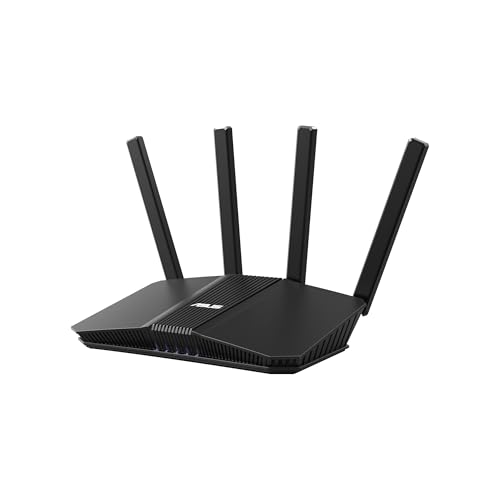

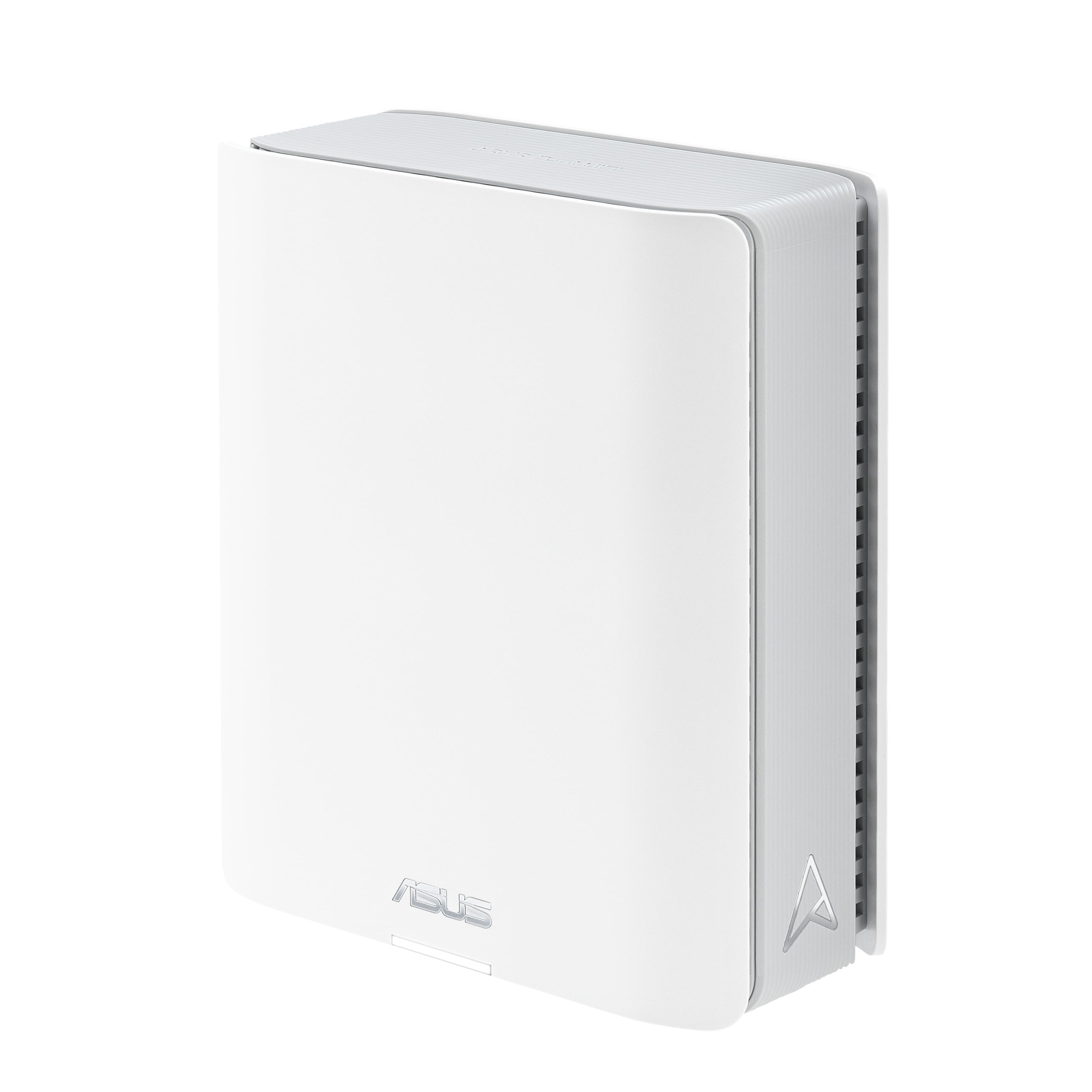
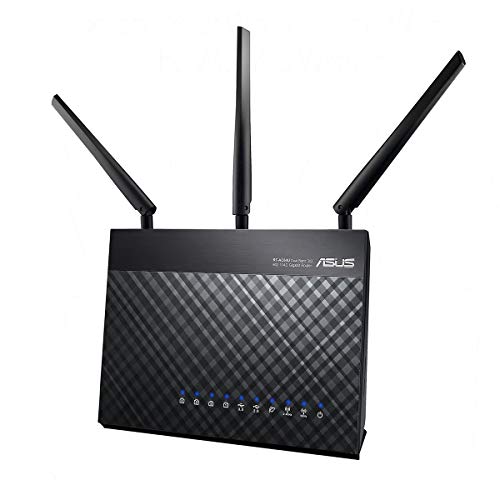

Three Budget Profiles to Shop By
Think of this section as three shopping profiles rather than three fixed models. Product lines change often, but the profile for each budget stays useful because it describes the hardware level you should expect for the money. Use the product table to match current listings to the profile that fits you.
Budget Profile
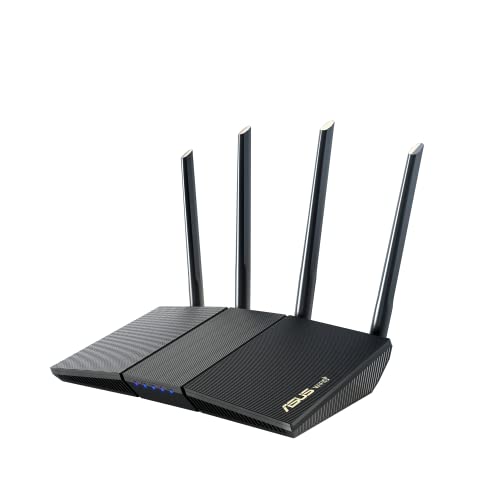
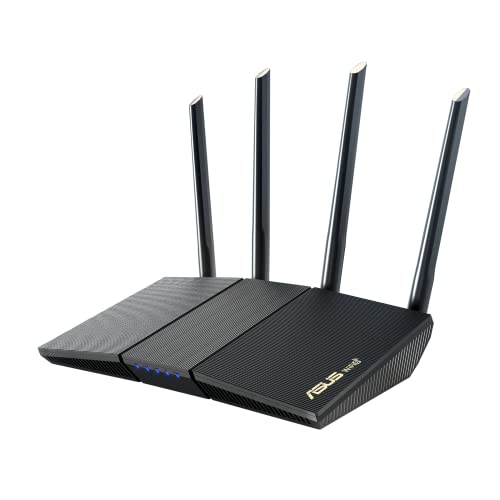
A budget profile suits a small apartment or a compact house where one main router plus one node can cover the space. Look for dual band WiFi 6, at least three gigabit LAN ports, and full AiMesh node support so you can add coverage later. The strengths at this level are low cost and simple setup through the Asus app. The main limit is backhaul, because the same bands carry both your devices and the link between nodes, so speeds drop more at the far node.
Midrange Profile
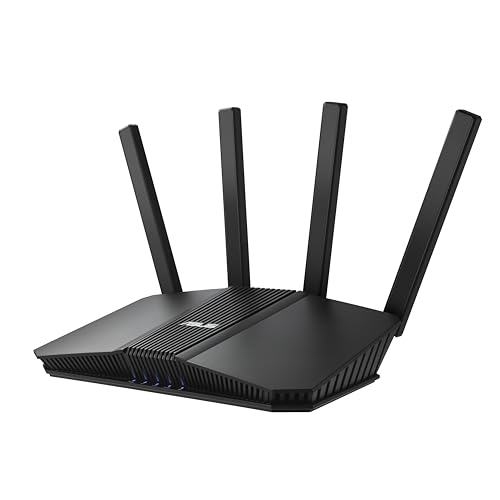
A midrange profile is the right target for most family homes with two floors and many connected devices. Expect stronger processors, better antenna design, and either a faster dual band setup or an entry tri band design with a dedicated path for node traffic. Coverage feels more even, and roaming between nodes is usually smoother during calls and streaming. The trade off is a higher price and a larger footprint on a shelf. For many buyers, this tier balances cost and daily performance best.
Premium Profile
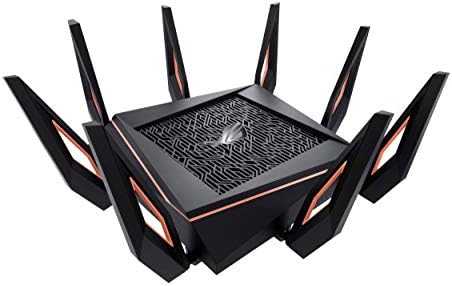
A premium profile fits large homes, busy home offices, and households with gigabit or faster internet. Look for WiFi 6E or WiFi 7, multi gig WAN and LAN ports, and a dedicated backhaul band that keeps node traffic separate from your phones and laptops. Security tools and parental controls also tend to be more complete at this level. The downside is cost, and the extra speed only shows if your internet plan and your devices can use it. Buy this tier for space and wired speed, not for bragging rights.
What Your Money Gets You at Each Price Tier
Price tiers for AiMesh capable Asus routers tend to cluster in predictable bands. A single budget unit often sits around $80 to $150, a solid midrange unit around $150 to $300, and premium units or multi node packs around $300 to $600 or more. What changes across those bands is not just raw speed. Antenna quality, processor power, memory, port speed, and the number of bands all shape how the mesh feels day to day.
Budget Tier: What to Expect
At the budget tier you get WiFi 6 on two bands, gigabit ports, basic parental controls, and WPA3 security. That is enough for browsing, streaming in high definition, and schoolwork in a smaller home. You give up a dedicated backhaul band, extra LAN ports, and USB features for shared storage or a printer. Dead spots at the far end of a larger home are common, so plan on adding a second node sooner. This tier works when your internet plan is moderate and your rooms sit close together.
Midrange Tier: The Sweet Spot for Most Buyers
Midrange models add processing headroom, which matters when thirty or more devices compete for airtime. Many offer four LAN ports, a USB port, and stronger coverage from better radios and antennas. Some add a third band, and that extra band can carry backhaul traffic so your devices keep more speed at the far node. If you want a broader view of the wider Asus lineup before you narrow by mesh support, see our guide to the best asus routers for general model families and use cases. For most homes, this tier avoids the compromises that frustrate budget buyers.
Premium Tier: When Spending More Pays Off
Premium models bring WiFi 6E or WiFi 7, wider channels, and multi gig ports that suit fast fiber plans and wired backhaul. They also handle large device counts with less slowdown and often include advanced security that runs on the router itself. The value shows up in big homes, in homes with thick walls, and in setups where a gaming PC or work station needs a wired link near a node. If your plan is slower than about 300 Mbps and your home is modest, this tier adds cost without a clear daily gain.
Features Worth Paying For (and Ones to Skip)
A long feature list can hide the few items that change your experience. Focus on device handling, setup quality, true AiMesh behavior, the WiFi standard, and honest speed matching. The points below help you decide where an upgrade is worth real money and where you can save.
Number of Devices and MU MIMO/OFDMA
Modern homes often connect phones, TVs, speakers, cameras, and laptops at the same time. MU MIMO lets the router talk to several devices at once, while OFDMA splits a channel into smaller parts so small packets move efficiently. Together they reduce waiting and keep calls stable when the house is busy. These features matter more than a headline speed number if your device count is high. Look for them on every tier, and favor a stronger processor when your count passes about forty devices.
Setup and App Management
Good setup saves you hours. The Asus app can add a node, update firmware, and show which devices sit on each node, all from your phone. A clear web interface still helps for advanced settings like port forwarding and static addresses. Guest network controls and simple parental profiles are worth having if kids visit or live at home. Skip paying extra for flashy dashboards you will open once. What counts is reliable updates, clear signal readings per node, and an easy way to reboot or rename the network.
Features That Matter for Aimesh
AiMesh lets compatible Asus routers work as one network with one name, so your phone moves between nodes without a manual switch. For the best result, every unit in the system should support AiMesh, and the main router should be the strongest unit you own. Ethernet backhaul is a major plus because a wired link between nodes removes the wireless speed penalty entirely. Band steering and roaming support also matter, since they guide devices to the best node and band. If you want to compare mesh first systems with Asus add on nodes, see our guide to the best aimesh routers for how the approaches differ.
WiFi Standard (WiFi 6, 6E, 7)
WiFi 6 is the sensible baseline today and suits most plans and devices. WiFi 6E adds the 6 GHz band, which is less crowded and great for backhaul or for nearby devices that support it. WiFi 7 adds wider channels and lower latency tools, but you need WiFi 7 devices to gain the full benefit. A practical know how point is to use the 6 GHz band for backhaul in a busy neighborhood, because fewer nearby networks compete there. Buy for the devices you own now and expect to own in two years.
Speed Ratings vs Your Internet Plan
Labels like AX3000 describe combined theoretical speed across all bands under ideal lab conditions. Your real speed will be lower and limited by your internet plan, your walls, and distance. If your plan is about 200 Mbps, a midrange WiFi 6 system already has headroom to spare. If your plan is gigabit, look for strong 5 GHz performance and consider multi gig ports. A second practical point is to check your speed over a wired connection at the main router first. That result is your ceiling, and no mesh node can beat it.
Long Term Costs to Factor In
The router price is only part of the total. A second or third node is the most common added cost, so check node pricing before you commit to a main unit. Electricity use is small but constant, and premium units draw a bit more power around the clock. Cables matter too, since Ethernet backhaul may mean buying longer Cat6 runs. Firmware support life affects value, because a router that stops getting security updates should be replaced sooner. Finally, some advanced security or VPN features on certain models rely on optional services, so read what is included for free and what needs a subscription before you buy. If VPN use at the router level is central to your plan, see our guide to the best vpn for asus routers for setup considerations.
FAQs
What features matter most in asus routers for aimesh?
Full AiMesh support on every unit, Ethernet backhaul ports, and a main router with a strong processor matter most. Those three traits decide roaming quality and far node speed more than headline ratings. Also confirm WPA3 support and regular firmware updates. A useful extra is per node signal reporting in the app, which helps you place nodes at a distance where the link stays strong instead of guessing.
Mesh or a single powerful router: which is better for an Asus AiMesh home?
A mesh setup is better when your home has two floors, long hallways, or rooms far from the router closet. A single powerful router can win in a compact open plan home where one central spot reaches every room. The deciding test is wall count between the router and your farthest desk or TV. If that path crosses three or more walls, nodes placed midway will usually deliver steadier speed than one louder router.
Do I need WiFi 7 yet?
Most households do not need WiFi 7 yet. WiFi 6 and WiFi 6E already cover typical plans and device mixes well, and many phones and laptops still lack WiFi 7 radios. Consider WiFi 7 if you are buying a premium system you plan to keep for five or more years, you have a multi gig plan, and you expect to add WiFi 7 devices soon. Otherwise, put the savings toward an extra node.
Will a new router speed up my internet?
A new router can raise WiFi speed inside your home, but it cannot make your internet plan faster than the speed you pay for. If your old router is the bottleneck, or if dead spots force slow connections, an upgrade will feel dramatic. If a wired test at the modem already falls short of your plan, call your provider first. Also check for old cables, because a damaged or very old Ethernet cable can cap a fast connection.
How often should I replace my router?
Plan to replace your router about every four to five years. Replace sooner if security updates stop, if you upgrade to a much faster plan, or if new devices in your home support a newer WiFi standard you want to use. Watch for frequent dropouts that persist after firmware updates and a factory reset. Keeping a simple record of your purchase date and model names makes timing the next upgrade much easier.
As you narrow your shortlist of the best asus routers for aimesh, keep your top two priorities in front of you and drop any option that misses them.
The Bottom Line
Start with coverage and backhaul, then match the WiFi standard and port speeds to your plan. Most homes land happily in the midrange tier, while large homes and fast fiber plans justify premium hardware. For a wider look at Asus WiFi options beyond mesh, see our guide to the best asus wifi routers before you decide. Whichever tier you choose, the right best asus routers for aimesh choice is the one that fits your rooms and your plan, so check the comparison table above once more before you order.