
Best Asics Tennis Shoes Women's: Which Type Is Right for You?
Disclosure: We may earn a commission when you buy through links on this page, at no extra cost to you. As an Amazon Associate I earn from qualifying purchases. Learn more

Compare the best asics tennis shoes women's by type, court surface, and support needs to choose the right style for your game.
The wrong tennis shoe can leave you sliding on hard courts, dragging extra weight, or replacing a worn pair by midseason. The best asics tennis shoes women's choice starts with understanding the main types, because each one suits a different court, playing style, and foot shape.
This guide compares the types in plain language, then covers fit and durability. Use the product table for prices and quick facts, then read the type that matches how you play.
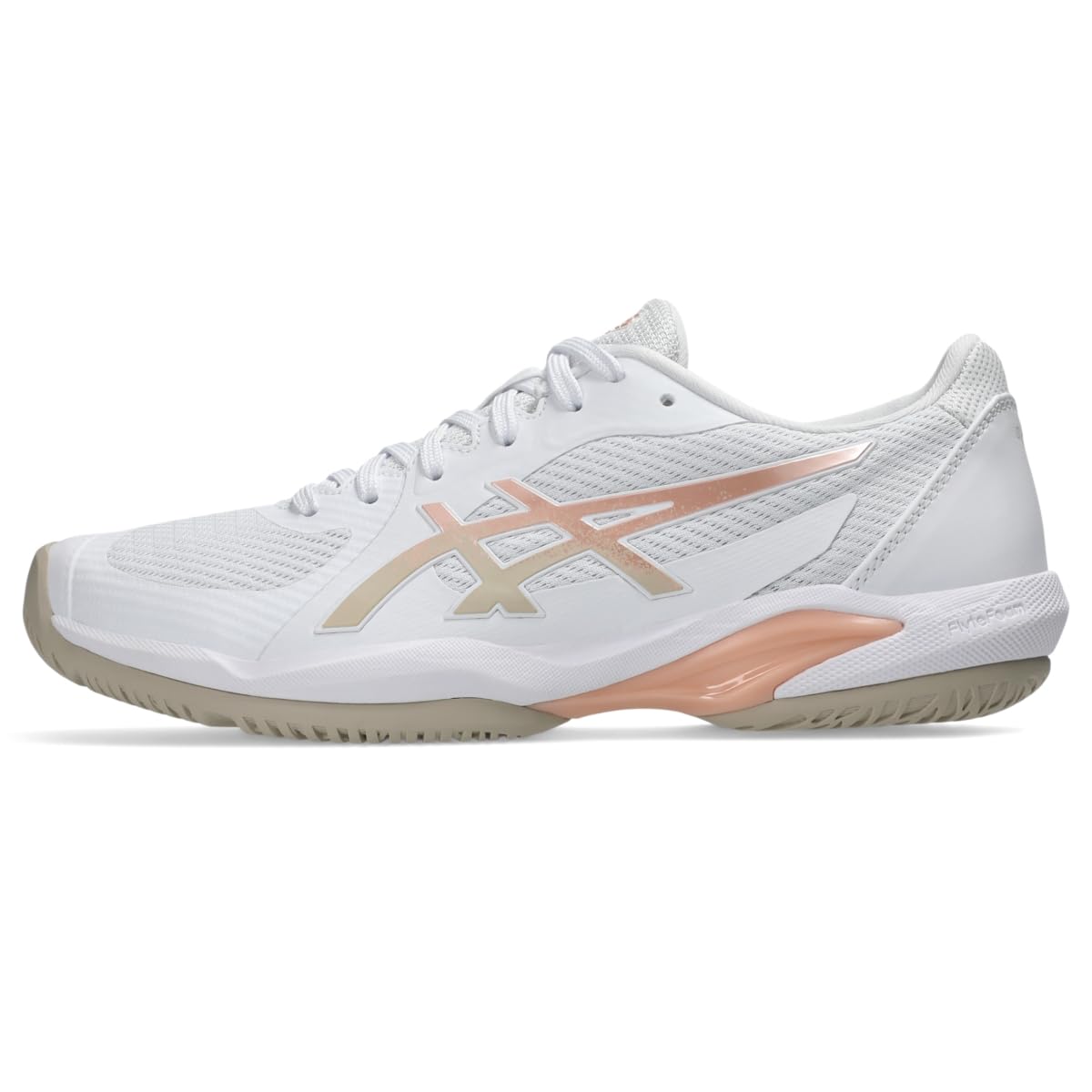
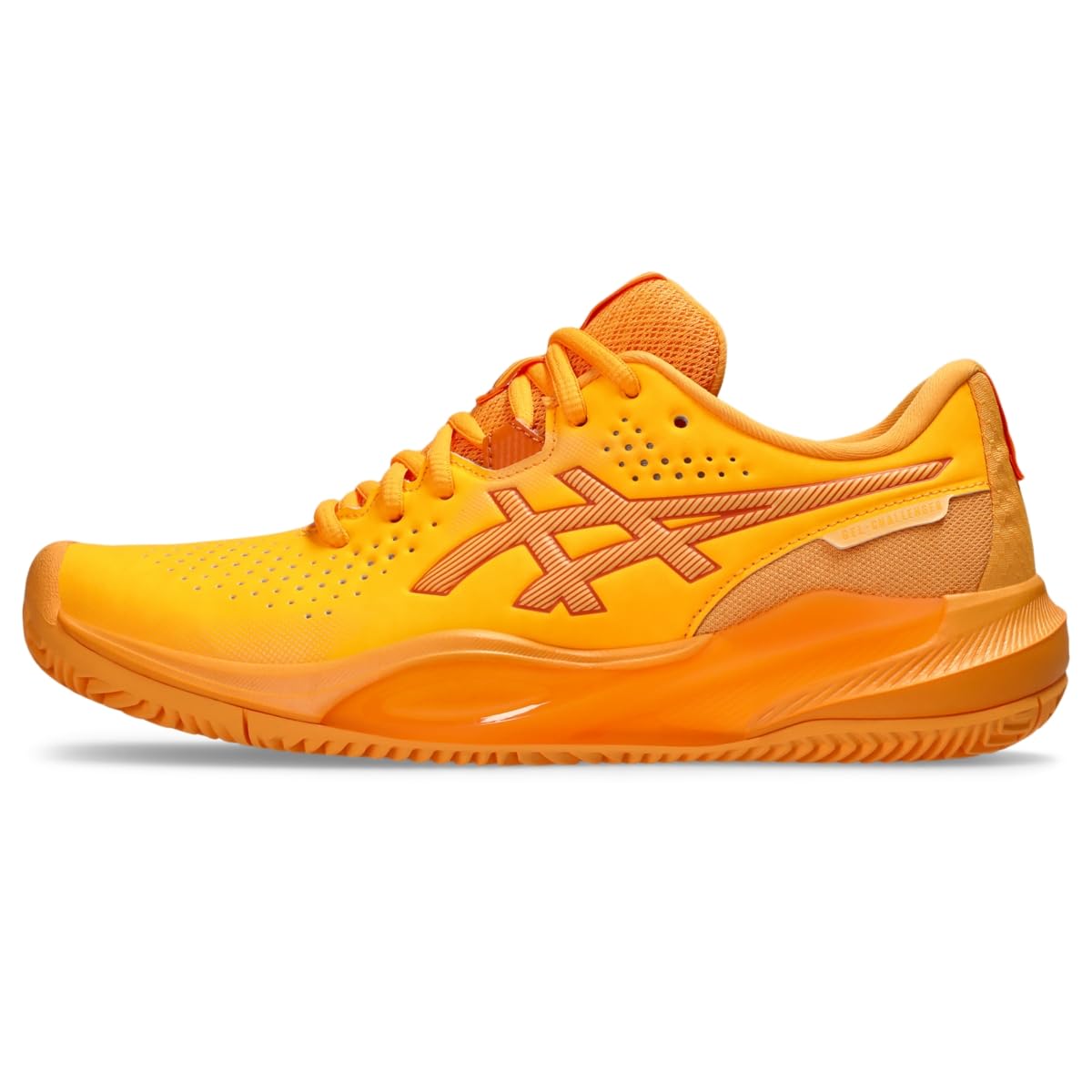
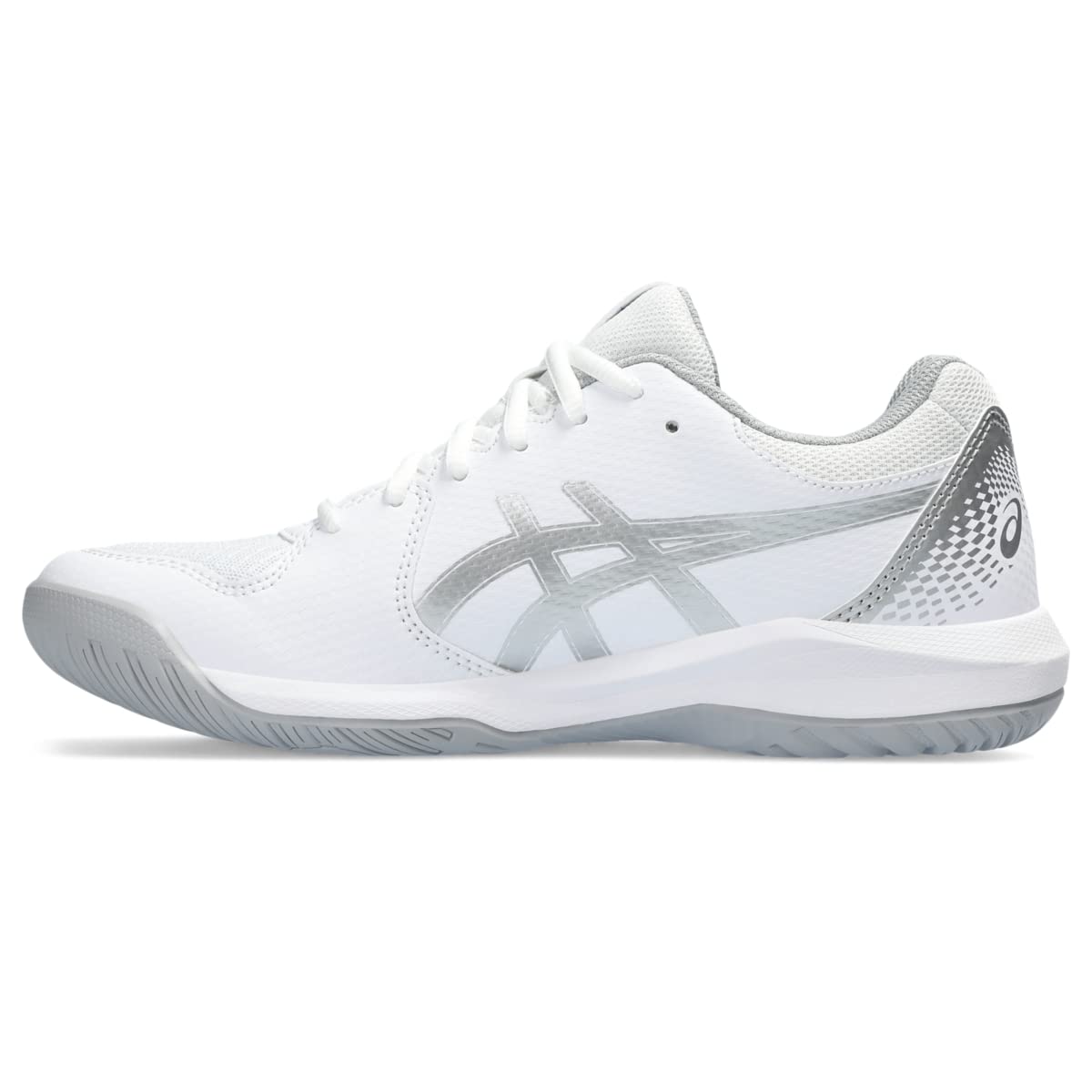
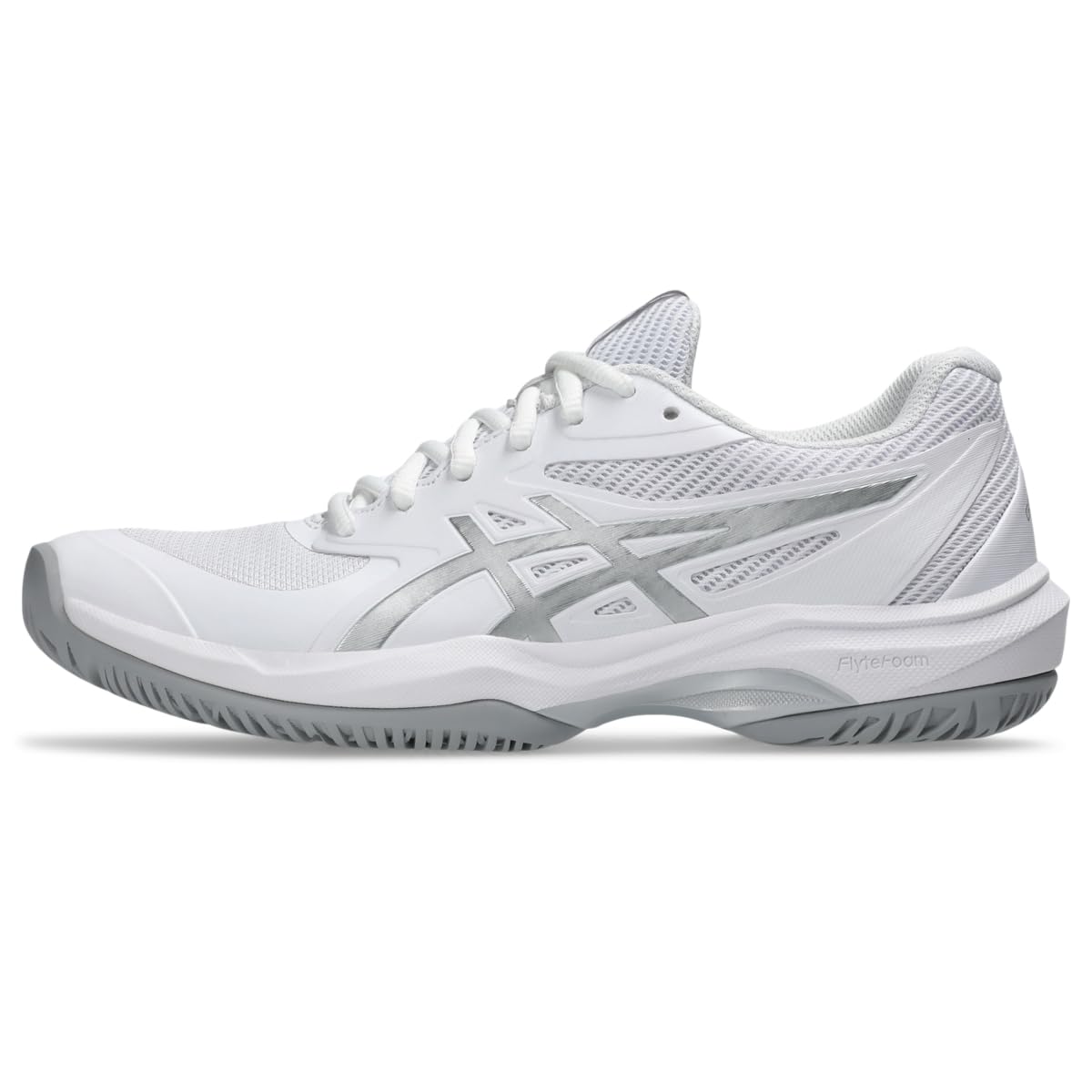
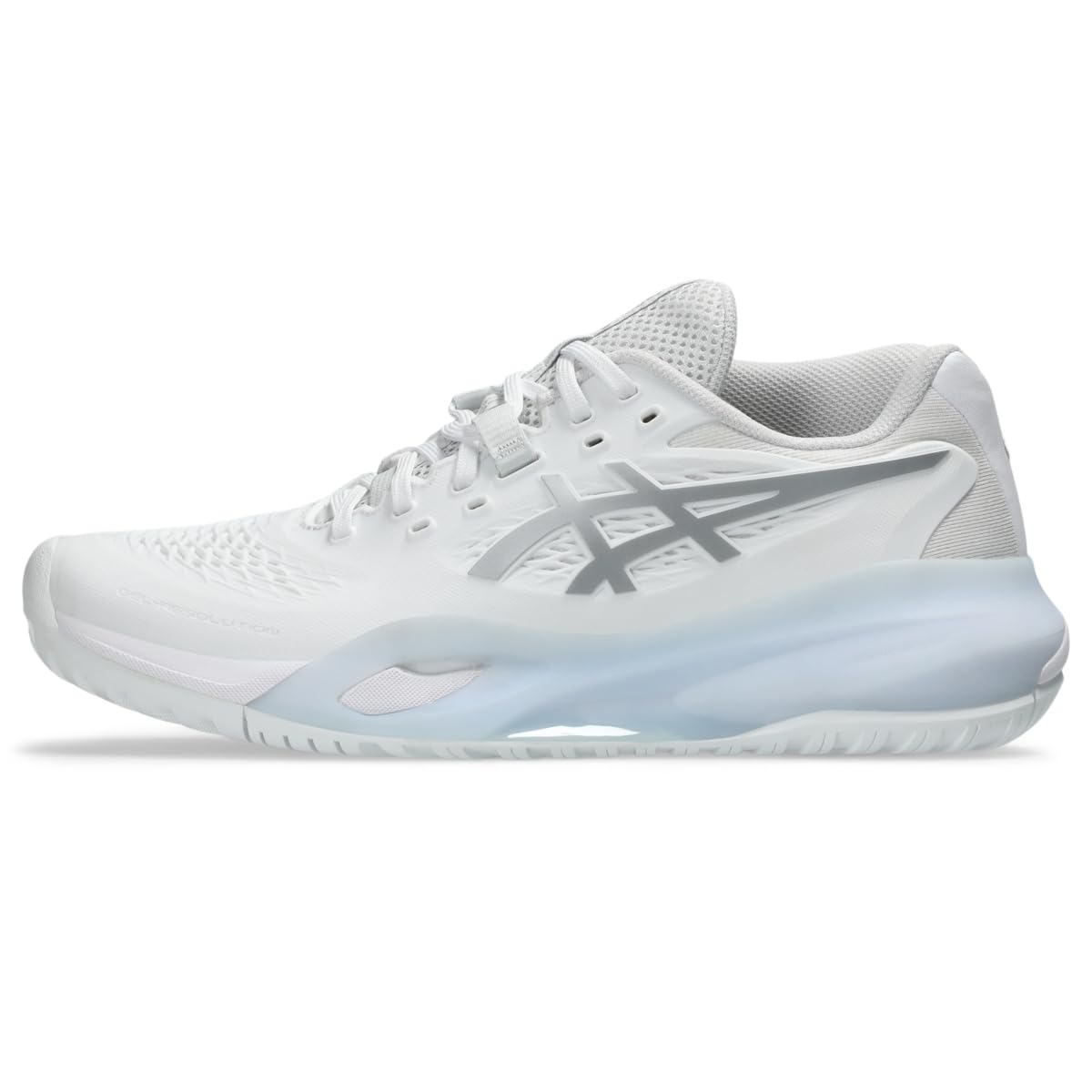
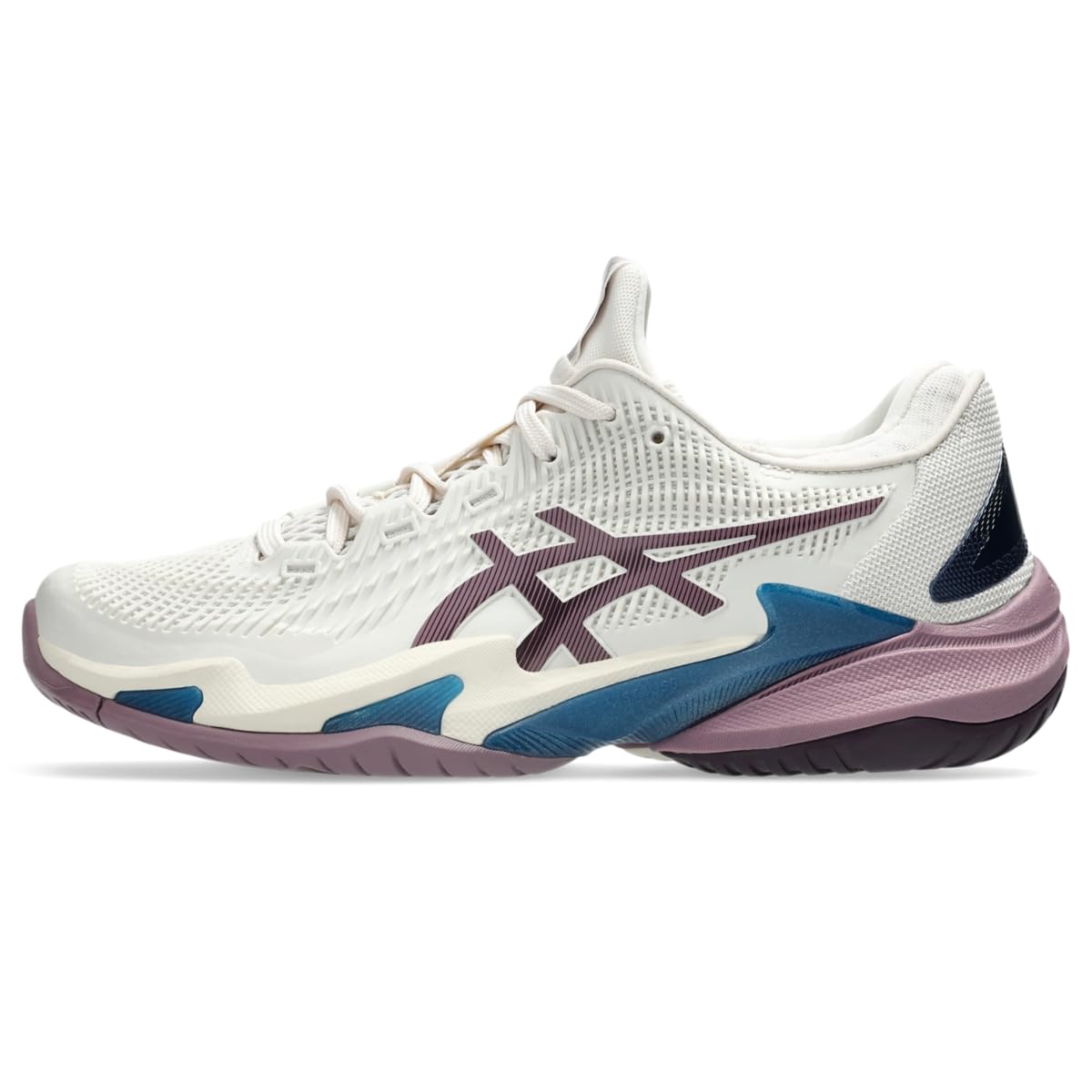

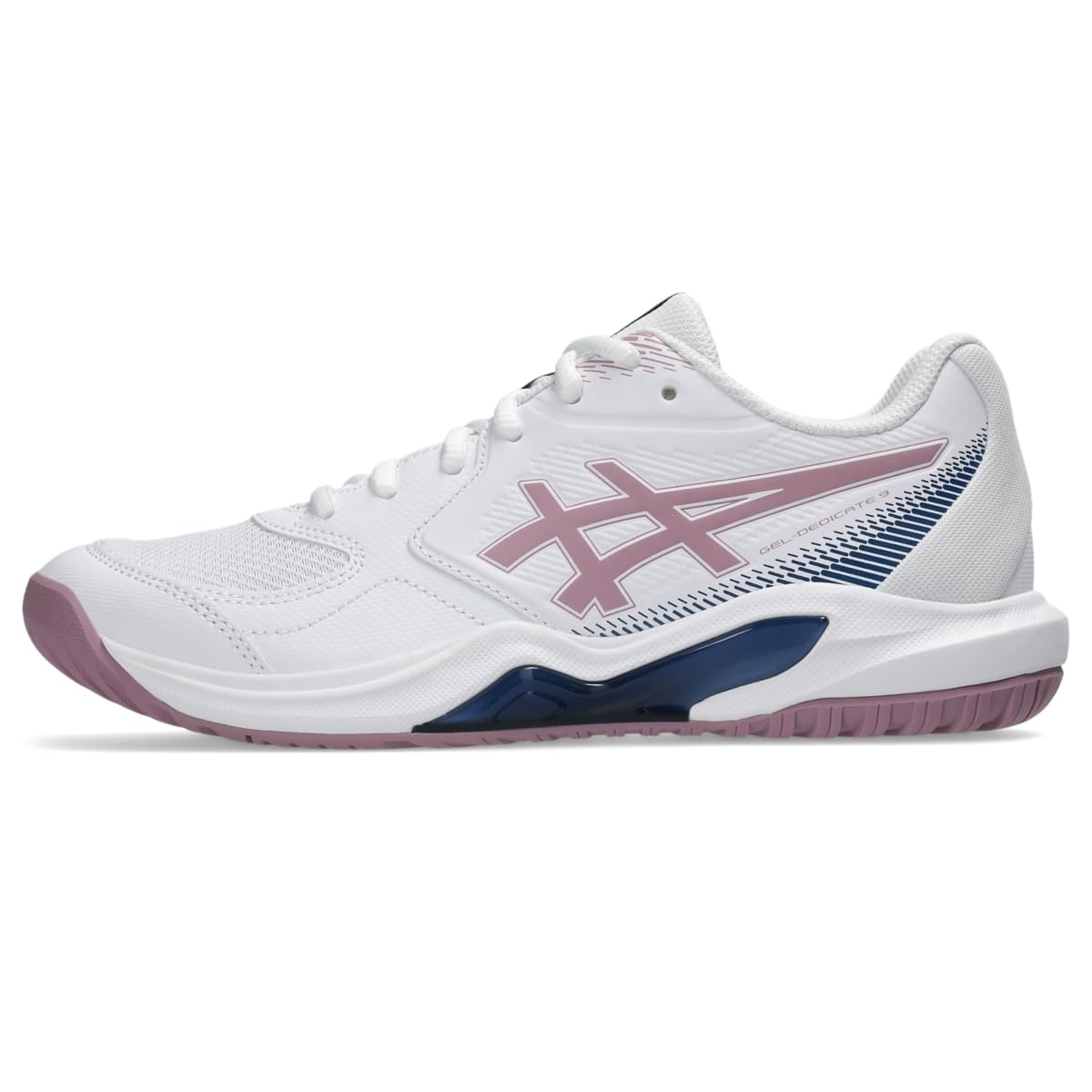


Types of Asics Tennis Shoes Compared
Four broad types cover most women players. Typical prices run around $70 to $150, with durable hard court models at the upper end.
Lightweight shoes
Lightweight models use airy mesh uppers, thinner cushioning, and flexible soles to help you move fast. They suit baseline players who rely on speed. The trade-off is durability: thin uppers and softer outsoles wear faster on abrasive hard courts, and support for hard lateral cuts is modest.
Neutral cushioned shoes
Neutral shoes provide balanced cushioning without corrective support. They work well for players with neutral or high arches. The ride feels smooth for serving, rallying, and net play. Players who overpronate may find the inner edge wears unevenly, so check the wear pattern on your current shoes.
Stability and support shoes
Stability models add firmer support under the arch and a structured heel to guide your foot during hard lateral moves. They suit players with flat or flexible arches and powerful hitters who plant hard on every shot. They feel a little heavier and stiffer, but the foot stays centered during slides and sudden stops.
Clay and all-court shoes
Clay courts reward full herringbone patterns that release clay, hard courts need durable rubber, and grass or carpet call for smoother soles. If you play on several surfaces, an all-court pattern is the practical compromise.
Hard Courts vs Clay Courts
Hard courts are abrasive and wear outsoles quickly, so toe-draggers should look for reinforced toe caps and thicker rubber. Clay is gentler on rubber but needs a tread that clears the surface and lets you slide in a controlled way. A shoe built for one surface can feel wrong on the other, so choose for the court you use most.
How to Choose the Best Asics Tennis Shoes Women's Models Offer
Fit, sizing, and toe box
Fit your shoes in the afternoon with the socks you play in, because feet swell during matches. You need firm heel hold so your foot does not slide during stops, plus about a thumb's width of space in front of your longest toe for lunges. If you are new to the brand, the best asics tennis shoes guide explains how Asics fits across men's and women's lines.
Durability and lifespan
Most players get roughly 45 to 60 hours of play from a pair before cushioning or tread fades, which works out to a few months for regular players. Rotating two pairs extends the life of both, because foam recovers between sessions.
What women should look for
Women's Asics models use a narrower heel and a last shaped for lower-volume feet, which reduces heel slip during lateral moves. Do not assume your running shoe size transfers directly, since tennis adds side loads that expose a loose fit. Players with bunions should seek a soft, wide toe box, and the best tennis shoes for bunions women's guide covers forefoot-friendly shapes. Weigh color and style last, after fit and support are right.
For a broader view of court shoes, see the best women's tennis court shoes guide.
Tips to Get the Most From Your Asics Tennis Shoe
- Reserve your court shoes for the court. Walking on pavement grinds down the tread you need for grip.
- Air dry wet shoes away from direct heat. Remove the insoles and let the shoes dry at room temperature.
- Rotate two pairs. Alternating lets cushioning recover and stretches the life of both.
- Use a heel lock lacing. The final eyelet keeps your heel seated during hard stops.
- Track your hours of play. Start shopping when sets feel harsher or the tread looks smooth.
A cushioned running shoe cannot replace a court shoe for regular play because it lacks lateral support. If you cross-train on off days, the best asics women's running shoes guide is useful, and the best tennis shoes for tennis women's guide covers general court shoe criteria.
FAQs
What makes Asics tennis shoes for women different from men's models?
Women's models use a narrower heel, a different arch shape, and often a slightly lower collar, which improves heel hold during lateral moves. If you have a wide or high-volume foot, a men's model in a smaller size can fit better, so judge by fit rather than the label.
Can you wear Asics tennis shoes all day?
You can, but it shortens their playing life. Pavement wears the tread you need on court, so many players keep an older pair for daily wear.
How should they fit?
Snug at the heel and midfoot, with room to spread your toes. Shuffle side to side and stop hard in the shoes, and make sure the heel stays down and your toes do not hit the front.
Are expensive Asics tennis shoes worth it?
They are worth it when the price buys durability and support that match your game. Above about six hours of play a week, premium durability usually lowers your cost per session.
How long is the break-in period?
Plan on one or two practice sessions before a match. Painful rubbing in one spot is a fit warning, not normal break-in.
How often should you replace them?
Typically after 45 to 60 hours of hard court play. Smooth spots on the outsole, a dead-feeling midsole, or new knee or foot soreness are signs it is time.
Our Verdict
Pick your type first: lightweight for speed, stability for support, neutral for balanced comfort. Then confirm the fit with real tennis movements. Compare the options in the product table to find the best asics tennis shoes women's for your court, your feet, and your game.


