
Best Asics Tennis Shoes: Court Types, Support and Value Guide
Disclosure: We may earn a commission when you buy through links on this page, at no extra cost to you. As an Amazon Associate I earn from qualifying purchases. Learn more

Choose by court surface, lateral support, and cushioning. See how to pick the best asics tennis shoes for hard courts, clay, or mixed play.
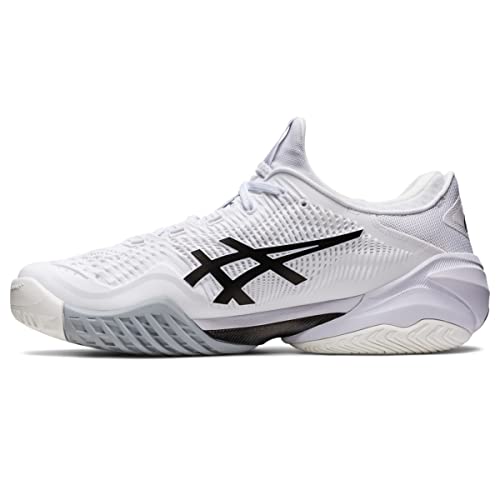
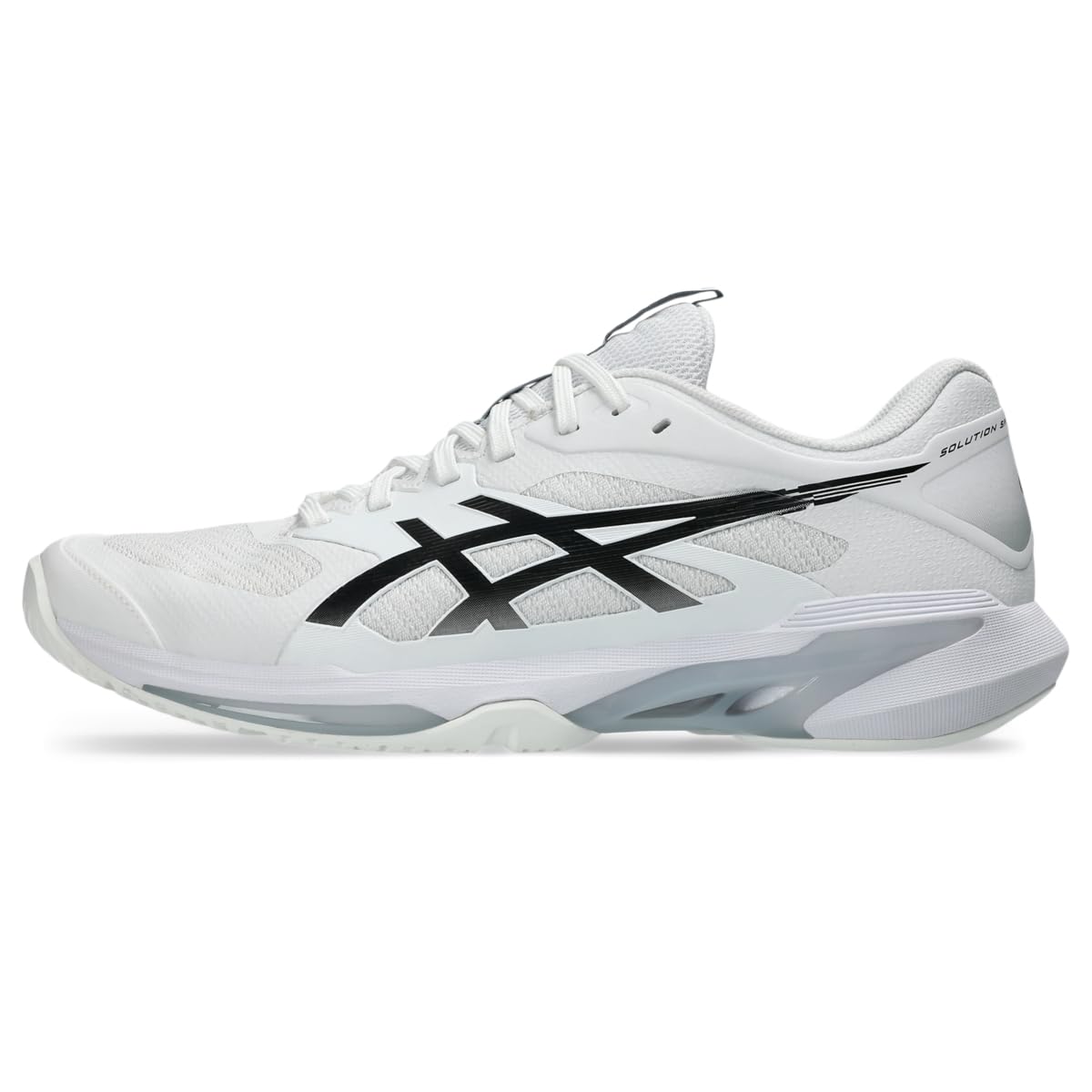
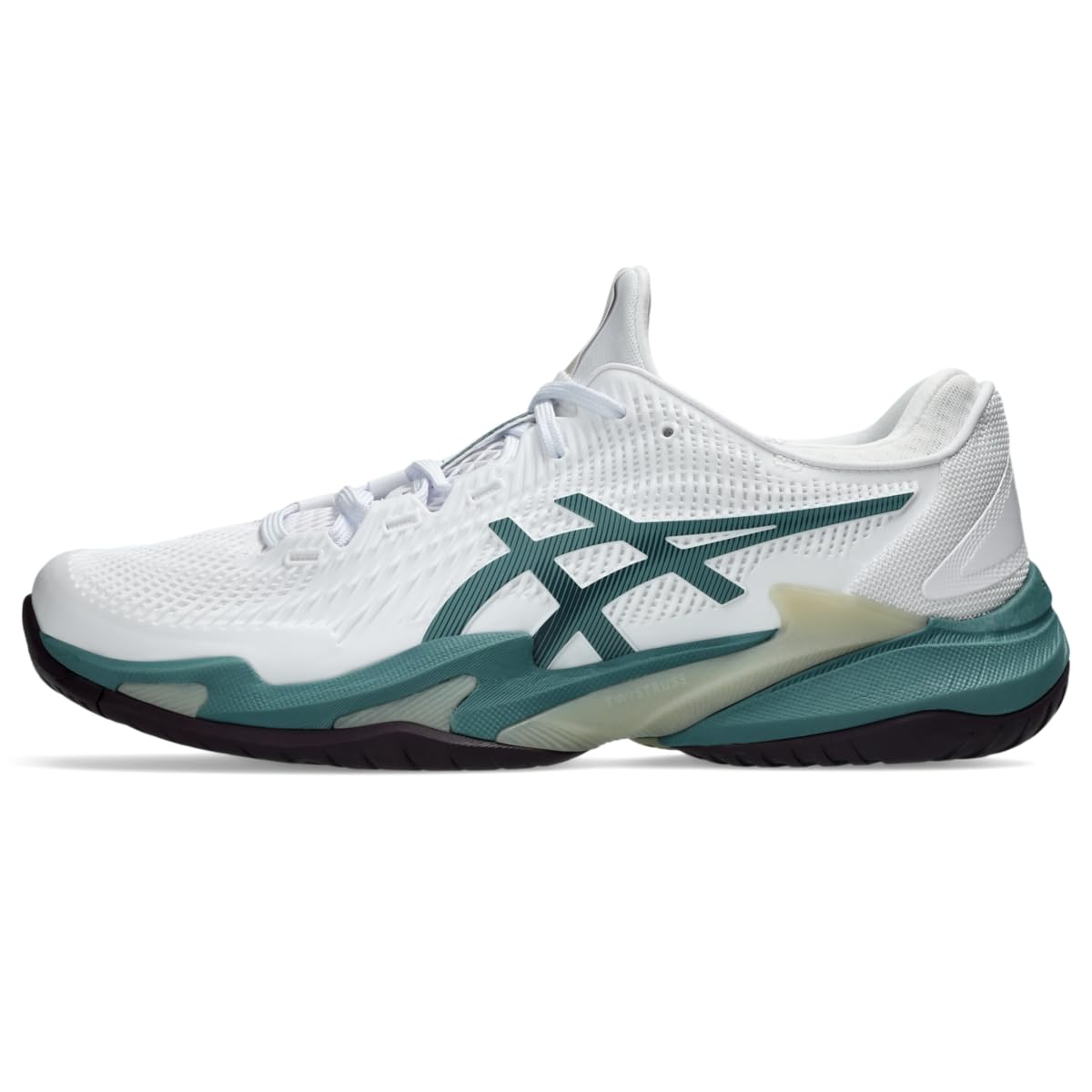
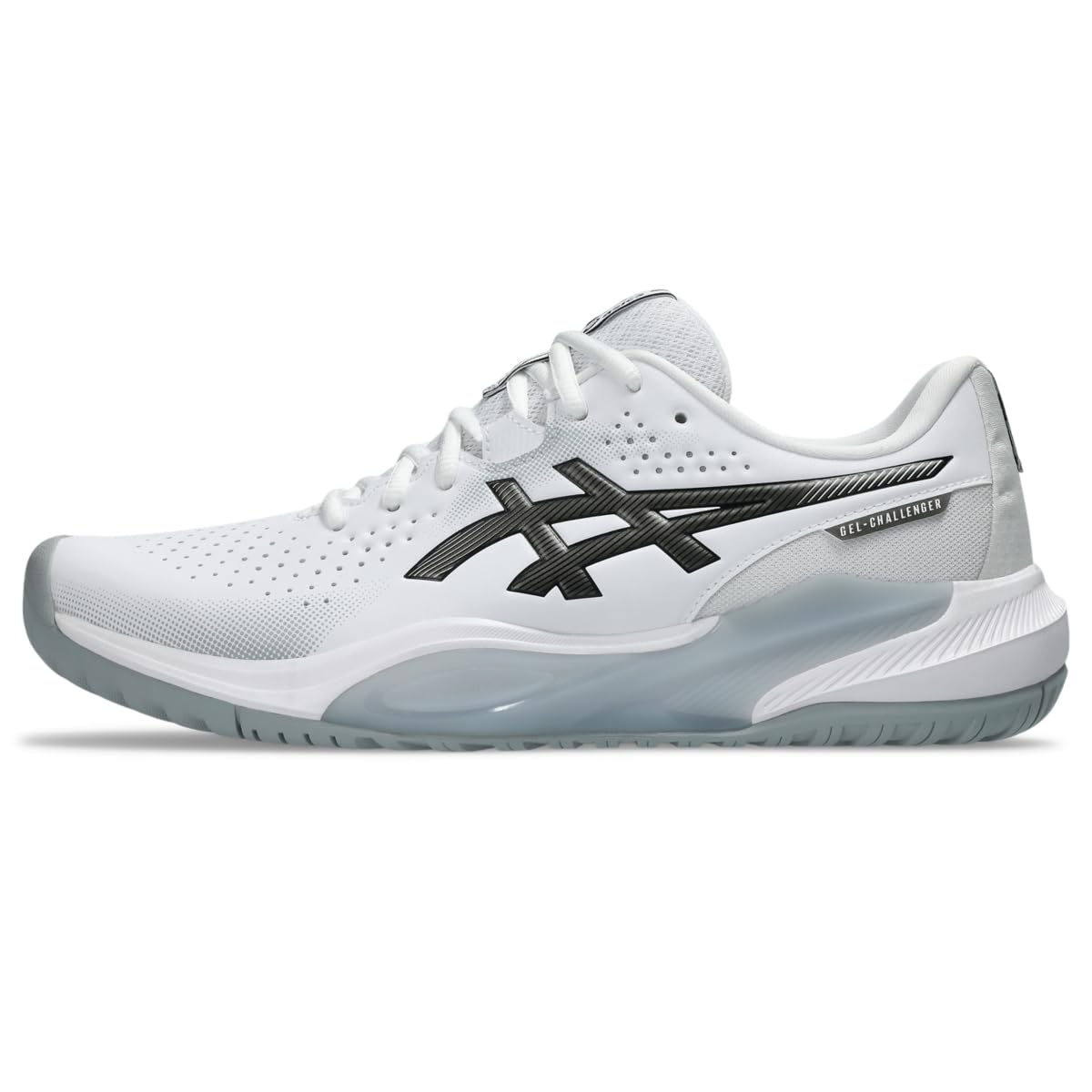
Tennis asks a lot from a shoe: sharp stops, fast side-to-side cuts, and long matches on surfaces that grind rubber away. This guide to the best asics tennis shoes explains how court surface, support, and cushioning shape the choice, so you can compare the product table with a clear idea of what you need.
Asics has a strong reputation in court shoes, with models for hard courts, clay, and mixed surfaces, plus versions that favor speed, stability, or cushioning.

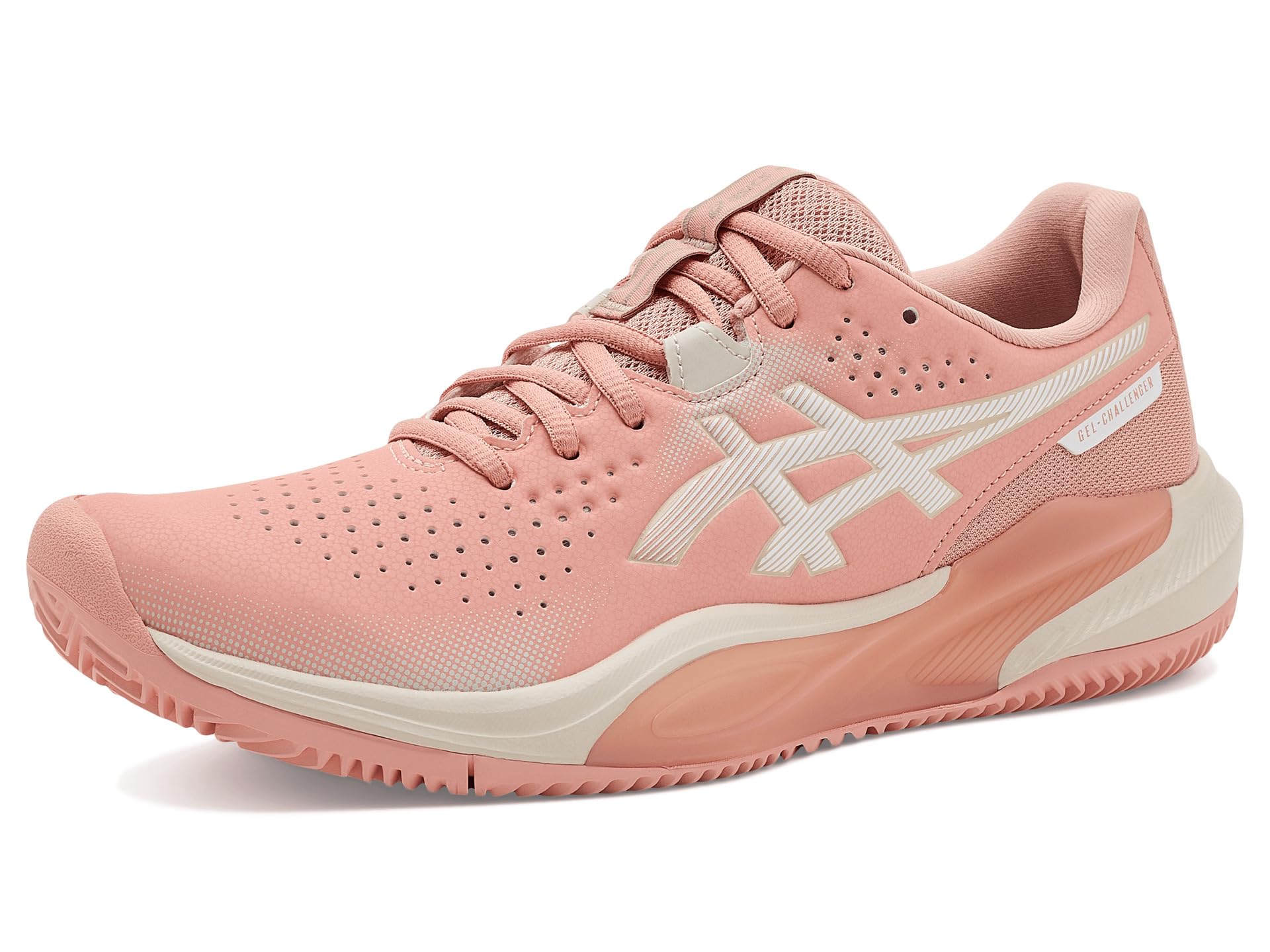
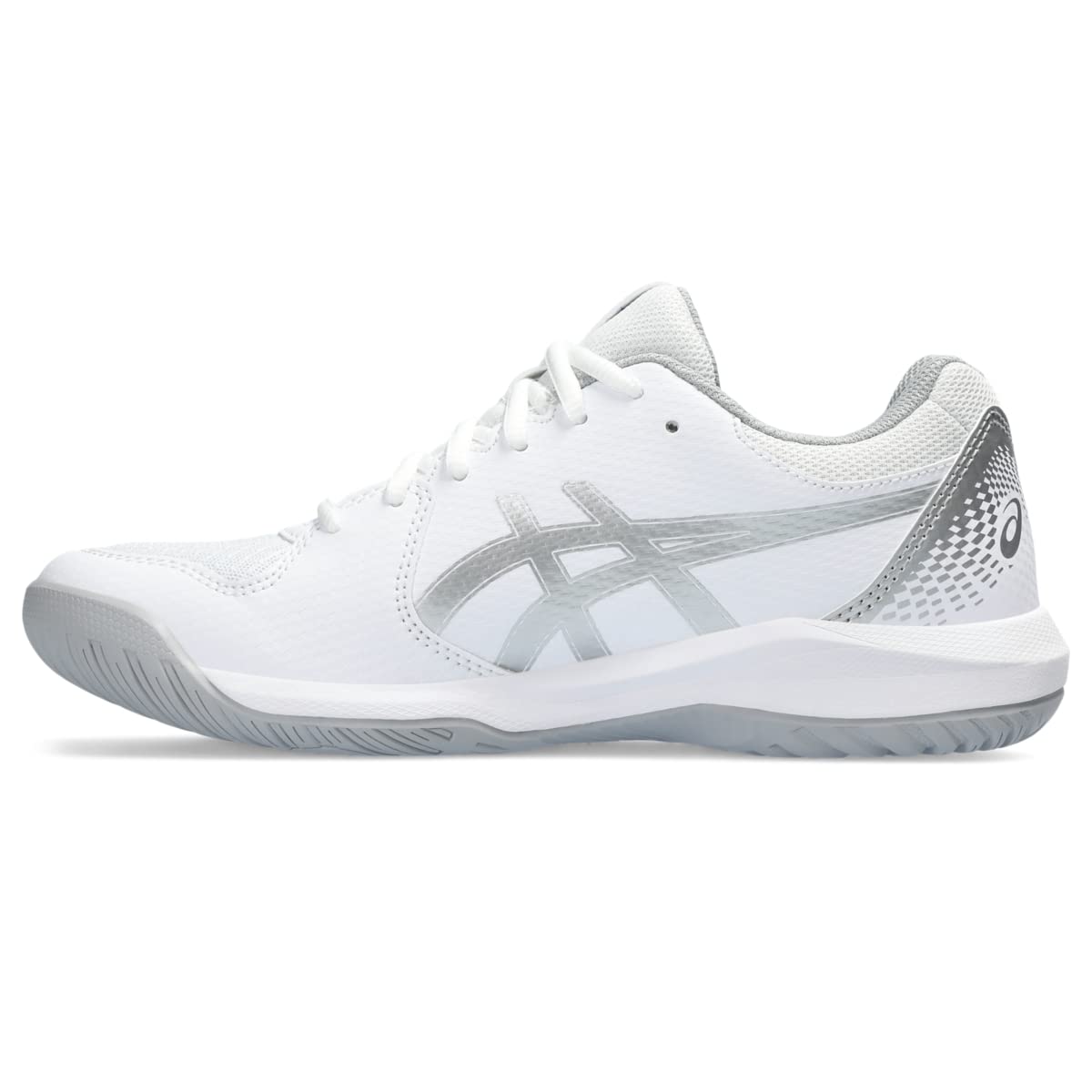
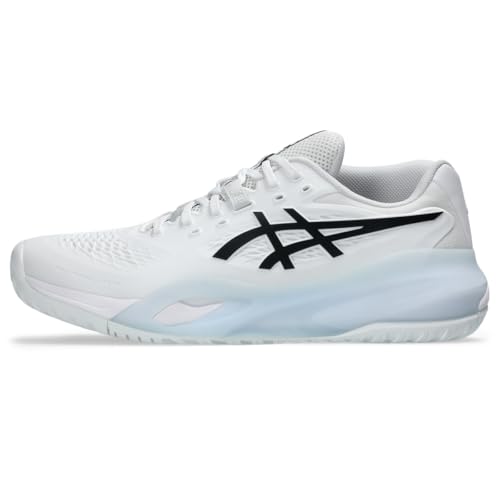
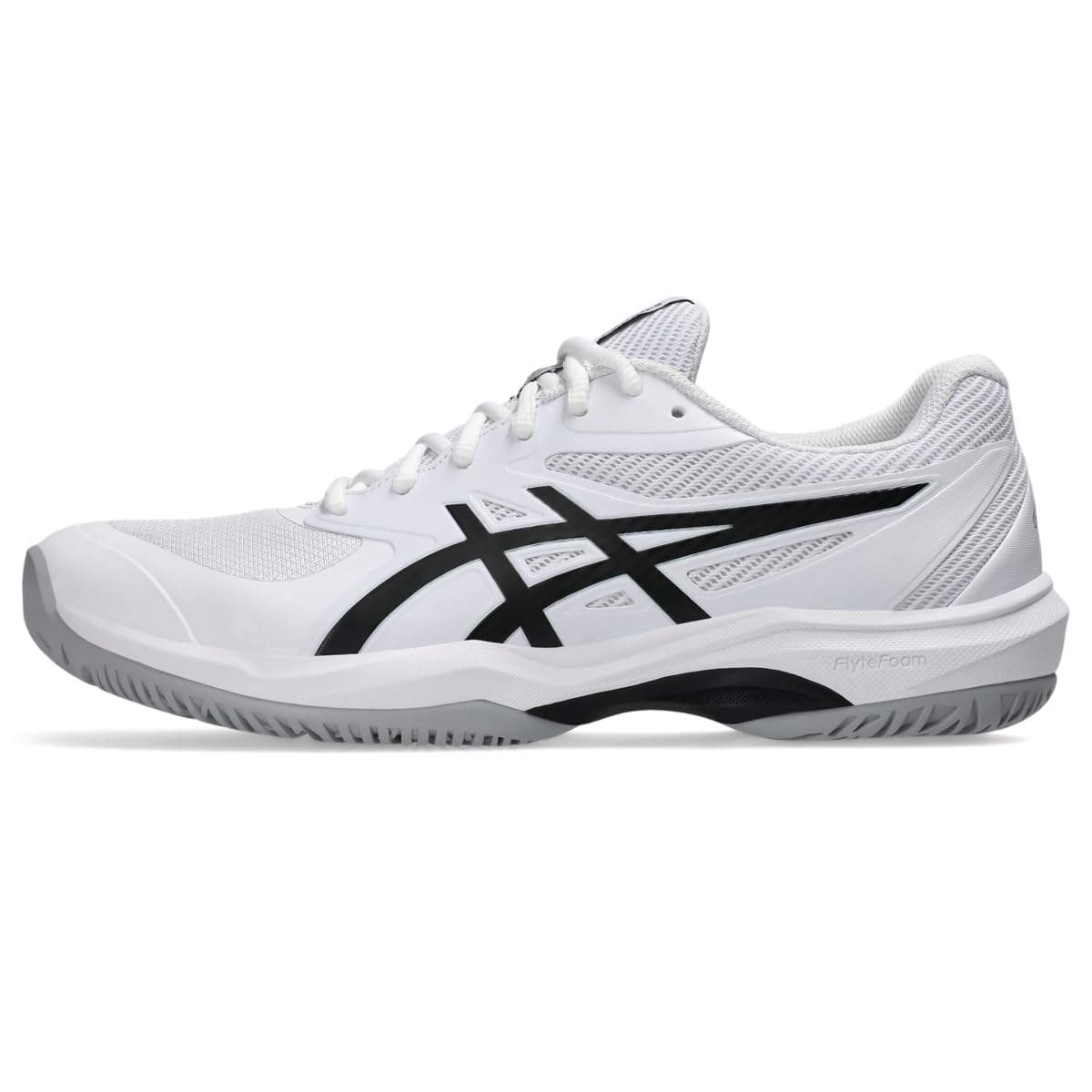
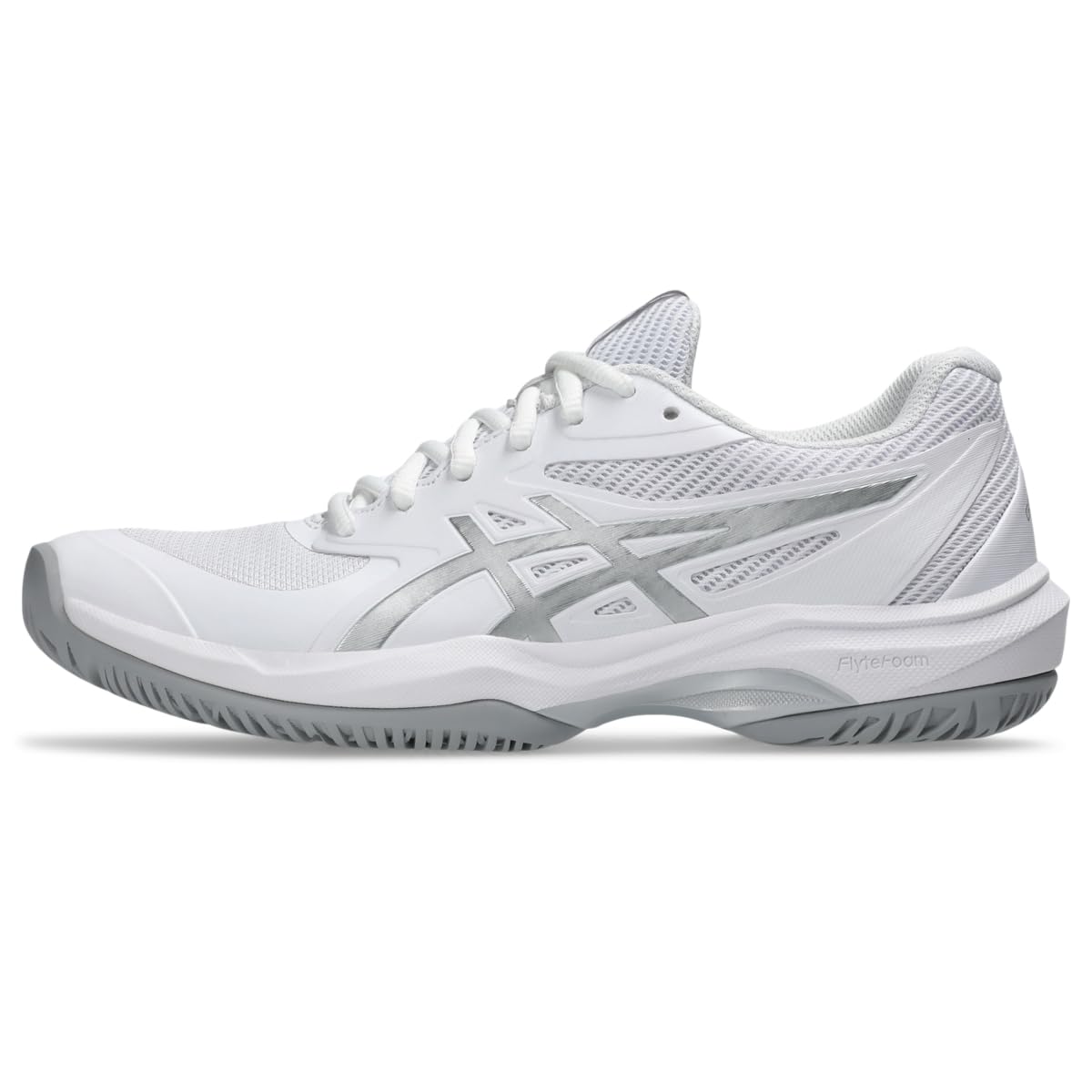
Who These Shoes Suit
These shoes suit club players, league players, and anyone who plays weekly and wants a shoe made for lateral movement. They also suit coaches and teaching pros who spend hours on court. A casual hit once a month can be played in a general trainer, but a court shoe is safer and lasts longer for regular play.
Types Compared
Hard court tennis shoes
Built for concrete and asphalt, these shoes have durable outsoles and firm lateral support. They resist abrasion from sliding and stopping, though they can feel heavier than clay shoes.
Clay court tennis shoes
Clay shoes use a herringbone outsole that grips without clogging and releases the surface cleanly. They are often lighter, with a tread pattern made to shed clay during play.
All-court tennis shoes
If you play on several surfaces, an all-court shoe balances grip, durability, and comfort. It will not match a specialist shoe on any single surface, but it keeps things simple.
What to Look For in the Best Asics Tennis Shoes
Lateral support
Tennis is built on side-to-side movement, so a shoe must hold the foot firmly during stops and changes of direction. Look for a stable heel, a supportive midfoot, and a wide base.
Outsole pattern and durability
Herringbone suits clay, and a durable, flatter tread suits hard courts. The wrong tread wears quickly or grips poorly. Players who drag a toe should check for reinforced toe caps.
Cushioning for impact
Good heel and forefoot cushioning softens landings from serves and split steps, which helps during long matches. Too much softness can feel unstable, so look for a balance.
Fit and break-in
A snug midfoot with toe room keeps the foot from sliding inside the shoe. Most tennis shoes feel best after a few short sessions.
Budget and Long-Term Value
Court shoes generally cost between $70 and $150. Entry-level pairs work for occasional players, while higher-priced pairs usually add thicker rubber, a sturdier frame, and better cushioning. For players who are on court several times a week, durability often makes a pricier pair cheaper per session.
Care and Replacement
Keep court shoes for the court, since walking on pavement wears the tread you need for grip. Air dry wet shoes away from direct heat, and rotate two pairs if you play often. Replace them when the tread is smooth, the midsole feels dead, or you notice new knee or foot soreness.
Related Guides Worth Comparing
For a women's fit, read the best asics tennis shoes women's guide. For wider comparisons, see the best asics shoes, best looking tennis shoes, and best trail tennis shoes guides.
Frequently Asked Questions
Do tennis shoes differ from running shoes?
Yes. Tennis shoes are built for side-to-side movement, with firmer lateral support and a flatter, more durable outsole. Running shoes feel softer in a straight line, but they can feel unstable during sharp tennis stops.
How long do tennis shoes last?
It depends on surface, frequency, and playing style. Hard courts wear outsoles fastest. When the tread smooths or support feels loose, the shoe has lost much of its grip.
Can I play tennis in running shoes?
For an occasional casual hit, yes, but running shoes lack the lateral support tennis demands. If you play weekly, a proper tennis shoe is worth it.
What if my feet hurt after tennis?
Some soreness is common, especially with a new shoe. Persistent pain, swelling, or numbness deserves advice from a doctor. Check fit and lacing first, since poor fit causes many aches.
Should I choose a wide fit?
Choose wide if your forefoot feels squeezed in a standard width. A shoe that is too wide can let the foot slide, so check both widths with your tennis socks.
Final Thoughts
The best asics tennis shoes match your court surface, your playing style, and your feet. Compare the options in the product table, check the fit with lateral movement, and replace worn pairs on time. If you have lasting pain, talk with your doctor before you decide.


