
Best Asics Running Shoes for Long Distance: How to Choose
Disclosure: We may earn a commission when you buy through links on this page, at no extra cost to you. As an Amazon Associate I earn from qualifying purchases. Learn more

Long runs need cushioning that lasts and a secure fit. Learn how to choose the best asics running shoes for long distance, from stability to weight.
Long runs punish shoes in a way short jogs never do. Foam that feels plush at mile two can feel flat at mile fifteen, and a fit that seemed fine in the store can turn into blisters or black toenails. This guide to the best asics running shoes for long distance explains which traits keep a shoe comfortable late in a run, so you can compare the product table with a clear idea of what to look for.
Asics builds several families that suit distance work, from soft, high-stack trainers to firmer stability shoes and lighter daily models. The right one depends on your weekly mileage, your pace, and how your foot lands, not on the newest release.


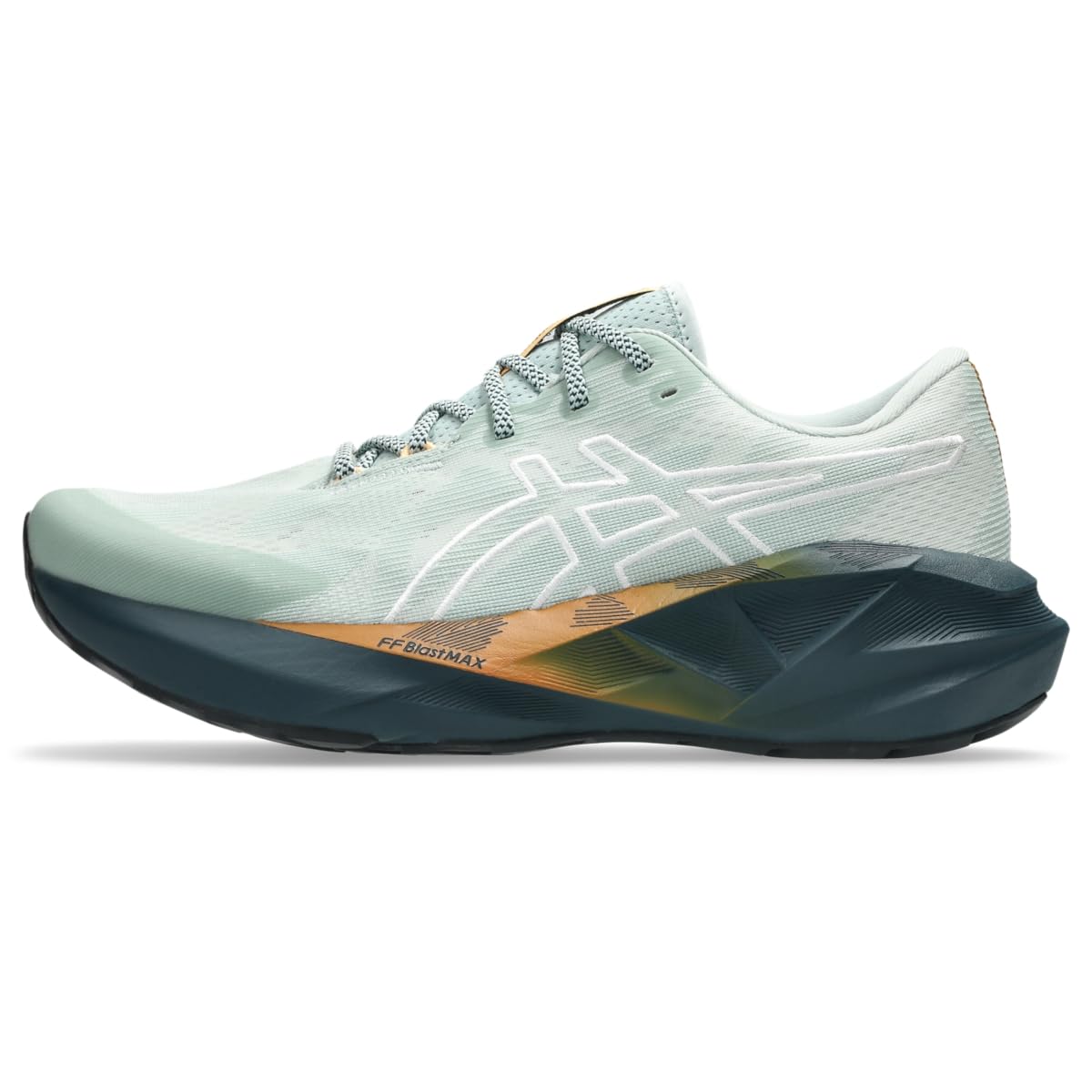
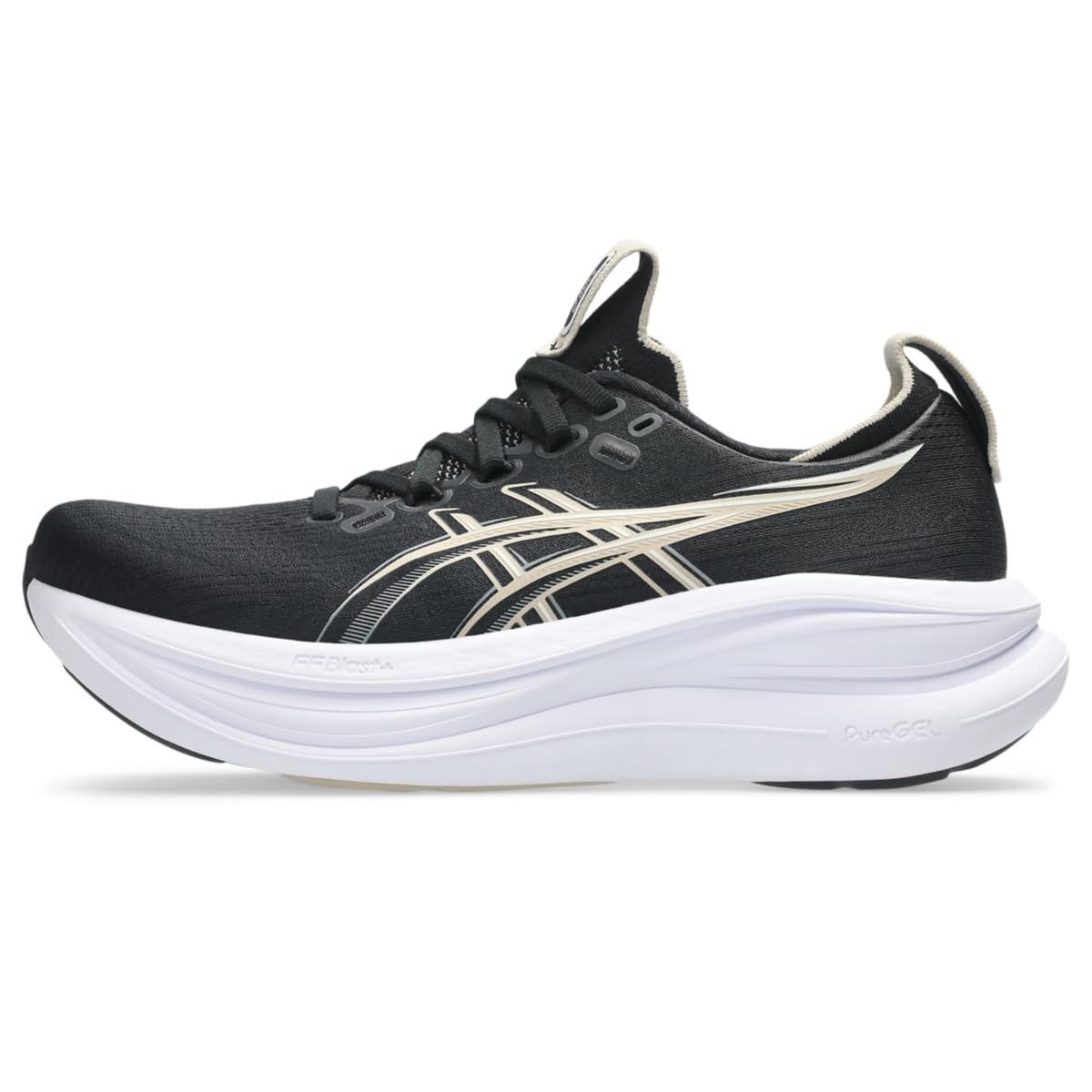
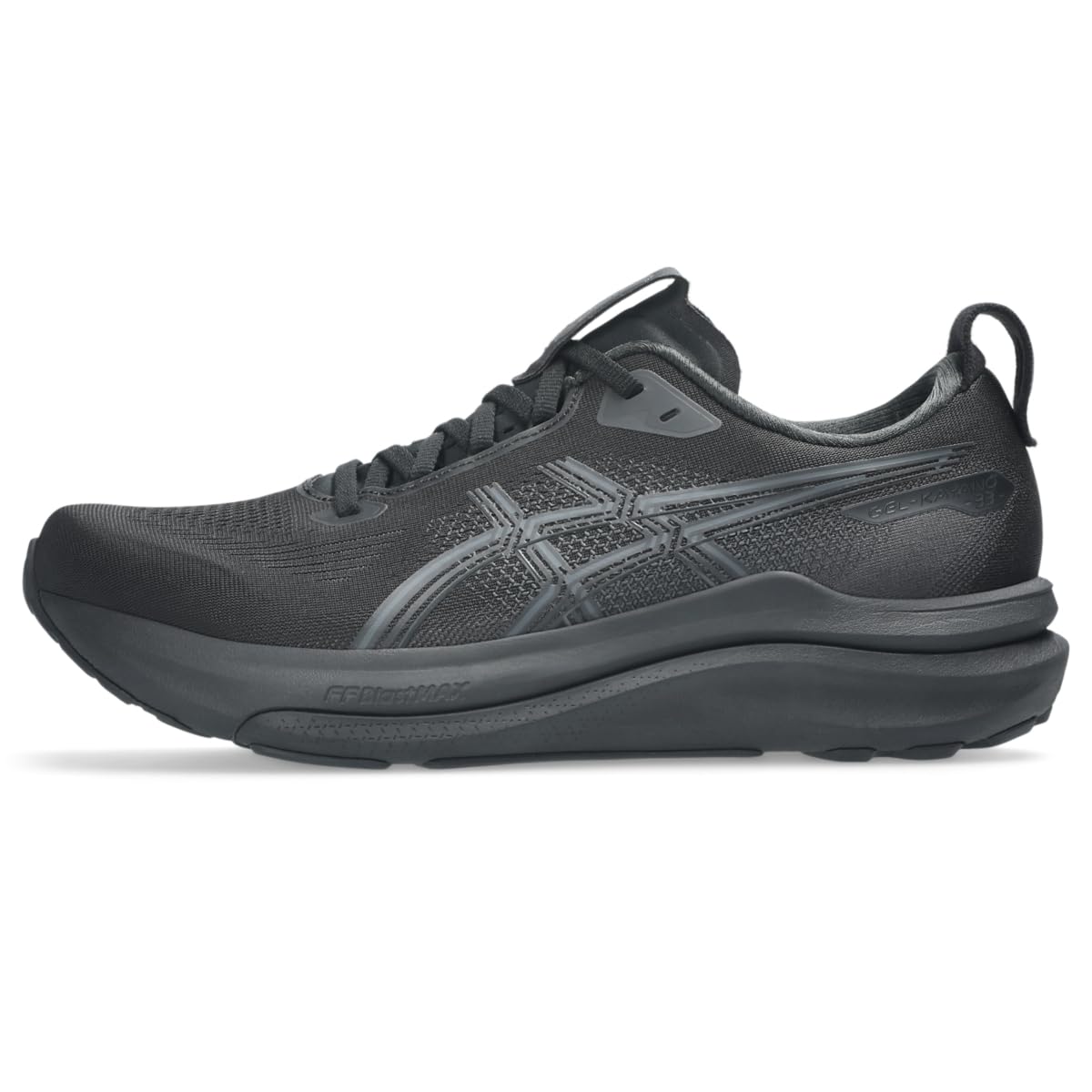
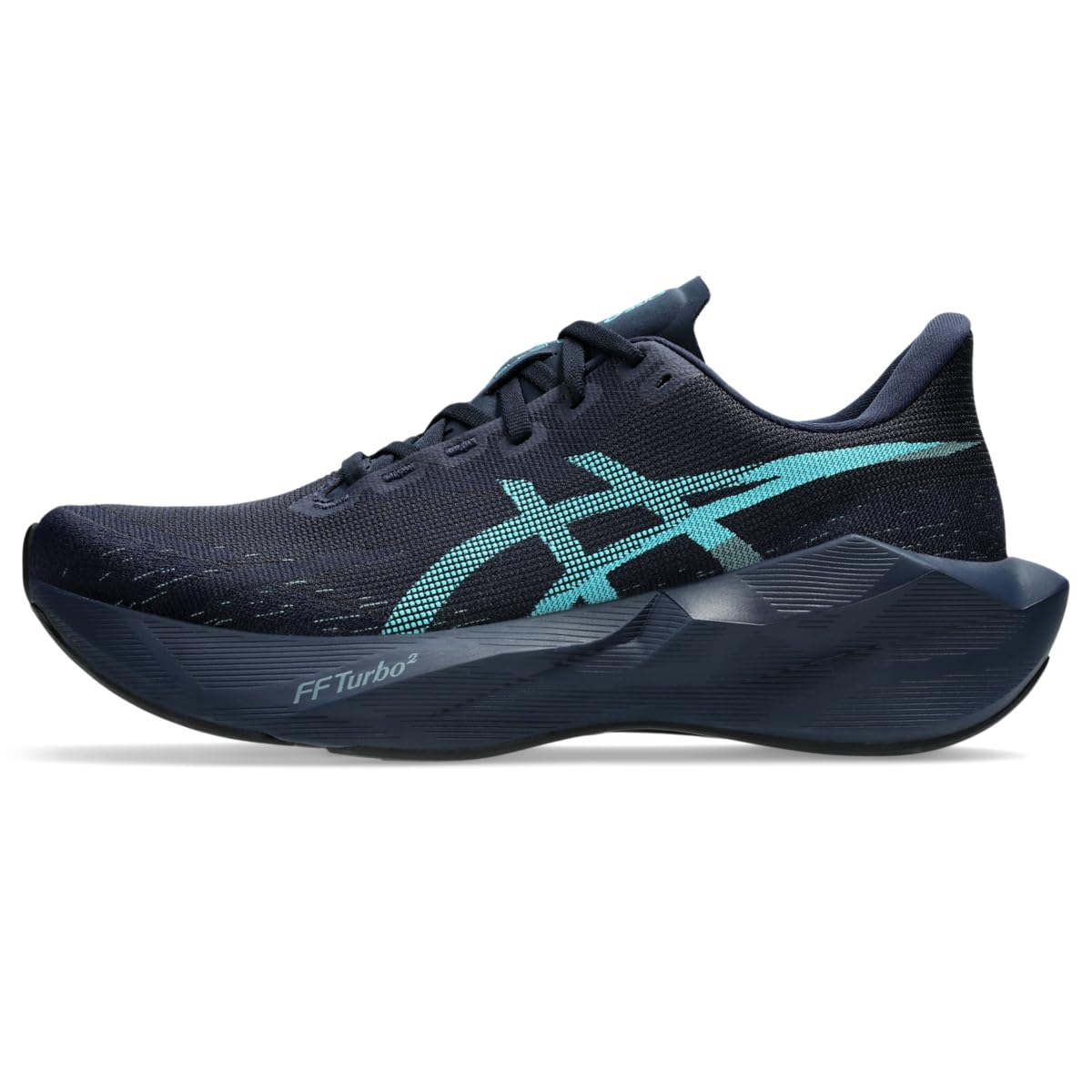
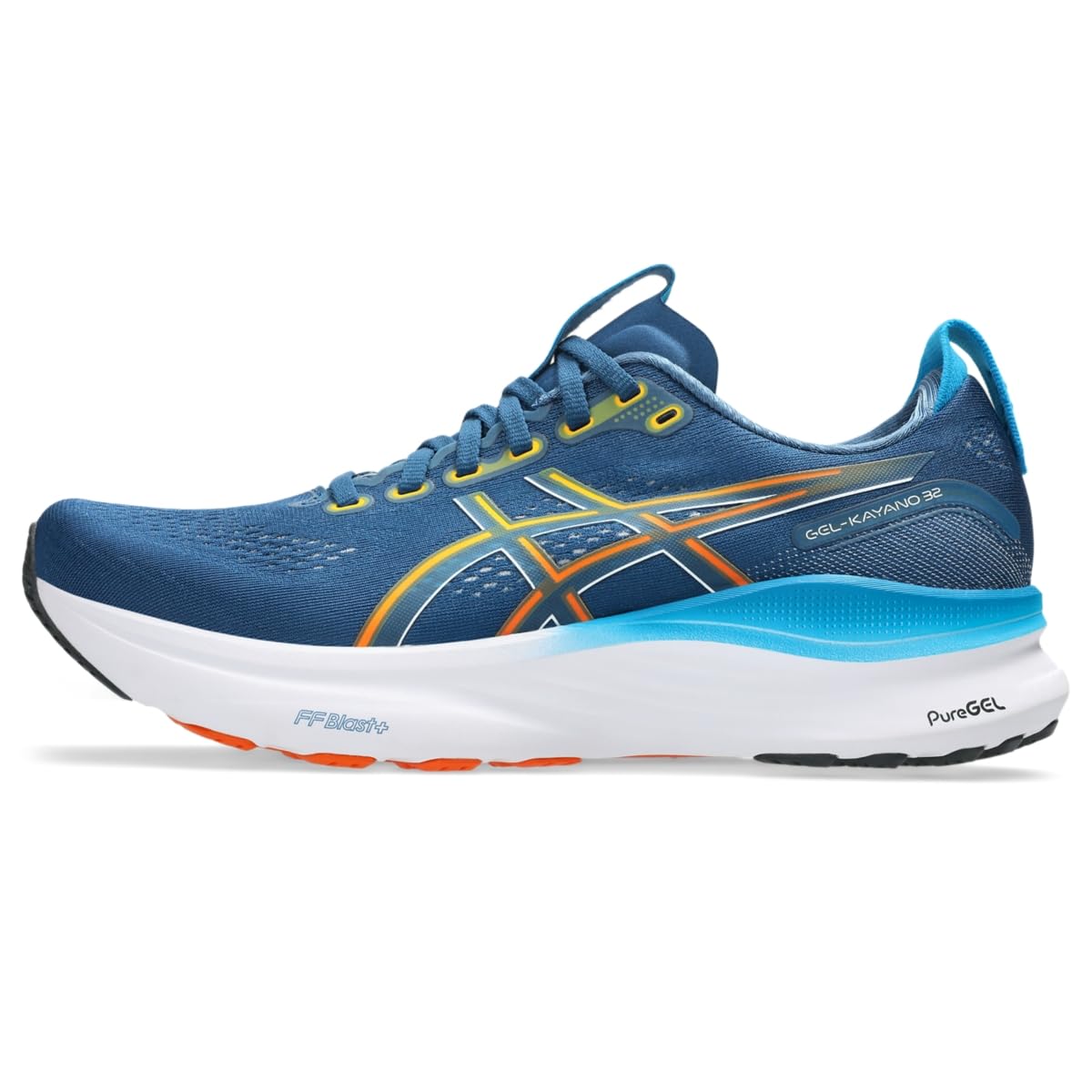

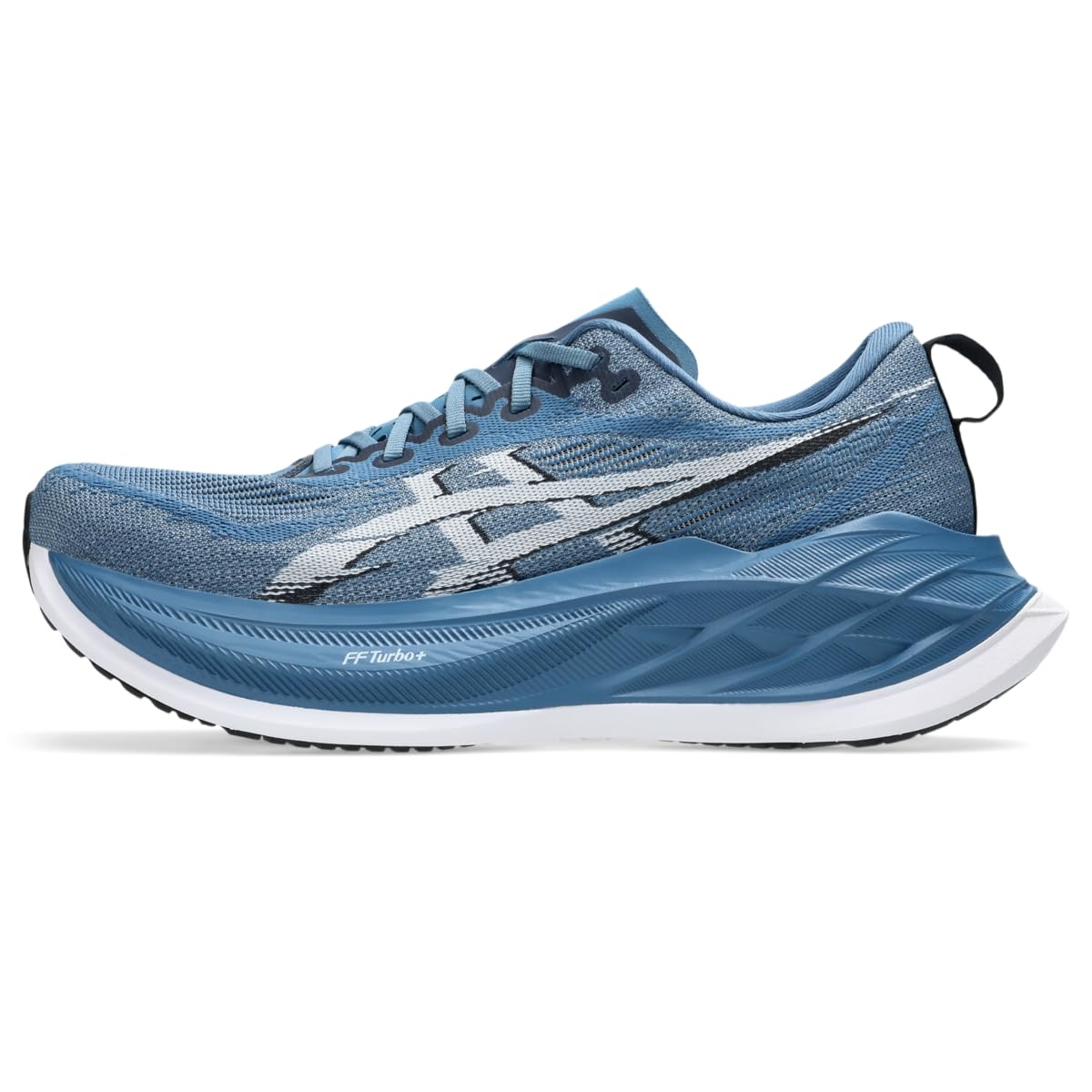
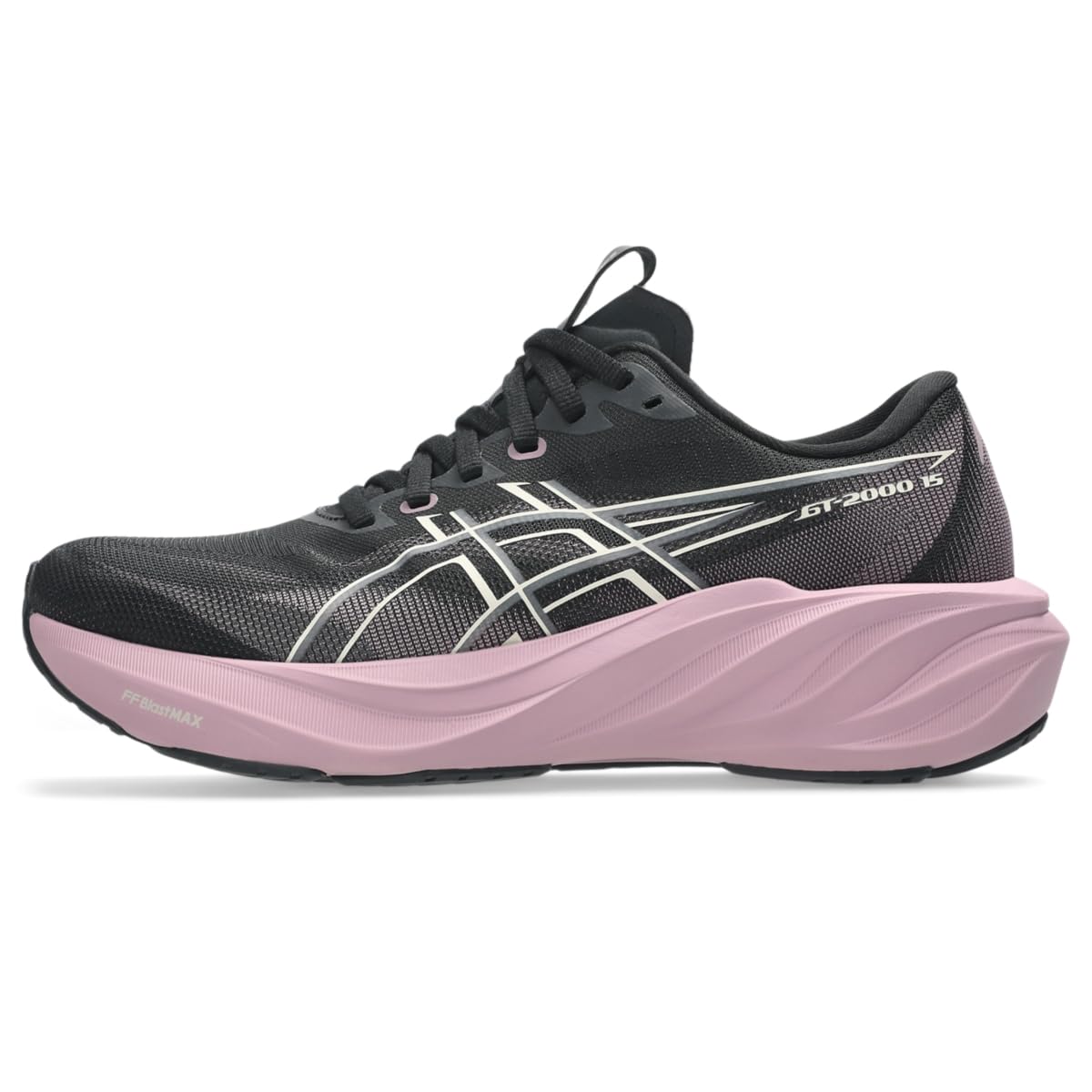
Who These Shoes Suit
Asics running shoes for long distance fit half-marathon and marathon trainees, runners who have raised their weekly mileage, and anyone whose feet and legs feel beaten up after an hour on the road. They also suit run-walkers who spend long stretches on their feet, because the same cushioning that helps at mile twenty helps at hour three of a hike-and-jog.
If you only run two or three short loops a week, you do not need the most cushioned shoe available. A balanced daily trainer will cost less and feel more responsive.
What Matters Most for Long Runs
Cushioning that lasts
Soft foam is easy to like on the first run. What counts for distance is how the midsole holds up over a two-hour effort, when your stride shortens and each footstrike lands harder. Look for generous heel and forefoot stack and a foam that rebounds instead of bottoming out.
Stability and guidance
Tired runners lose form. If your foot rolls inward late in a run, a shoe with a firmer medial side or a wider base keeps the ankle and knee in line. Neutral runners can skip heavy guidance and choose a more flexible shoe instead.
Fit and upper comfort
Feet swell on long runs, often by half a size. Choose a shoe with a thumb's width of room ahead of the longest toe, a secure heel, and a breathable mesh upper that does not pinch across the instep. A soft, padded tongue prevents lace pressure over several hours.
Grip and durability
Rubber coverage at the heel and forefoot decides how many miles the outsole lasts. Road shoes usually wear out in foam before tread, but wet pavement and painted crossings reward a grippy compound.
Weight and drop
Lighter shoes feel quicker, yet very light models often trade away protection. Heel-to-toe drop changes how load spreads between calves and knees, so pick a drop close to what you already run in and change slowly.
Types of the Best Asics Running Shoes for Long Distance
Most runners end up choosing among three broad types. Compare them by how you will use the shoe most weeks.
- Max-cushion trainers: soft, tall midsoles for easy long runs and recovery days. They feel heavier, but they take the sting out of high mileage.
- Stability trainers: firmer guidance for runners whose feet roll inward as they tire. Many are also the most durable option for heavier runners.
- Balanced daily trainers: a middle ground with moderate cushioning and some pop, useful when one pair has to handle most of your week.
Some runners add a lighter tempo shoe for faster days and keep the cushioned pair for the long run. That rotation also lets each pair of midsoles recover between runs.
How to Choose Step by Step
- Decide your longest weekly run and your usual pace.
- Note whether your ankles roll inward, outward, or stay neutral.
- Choose the cushioning level you want for that longest run.
- Try shoes late in the day, with the socks you run in, and leave room for swelling.
- Break the shoes in over a few short runs before a long one.
If two shoes feel equal, pick the one that fits your heel better. A loose heel causes more trouble on a long run than a slightly firmer midsole.
Terrain and Weather
Road, track, and groomed paths suit the same shoes, but wet weather and dirt trails change what you need. On rainy roads, check the outsole for deep grooves and a rubber compound that grips painted lines. On mixed routes, a shoe with a slightly more aggressive tread and a firmer midsole feels more stable than a soft road trainer, which can wobble on uneven ground. If most of your long runs happen on trails, look at dedicated trail shoes instead.
Care and Replacement
Most running shoes lose their spring between 300 and 500 miles. Track your mileage, and replace shoes when the midsole feels flat, the upper creases deeply, or you start to feel new aches. Rotating two pairs gives the foam time to recover and tends to extend the life of both.
Air dry wet shoes away from heat, remove the insoles, and keep trail mud off road pairs. Do not machine wash or tumble dry them, because heat weakens glue and foam.
Safety Notes
Sharp or lasting pain in the foot, ankle, knee, or hip, swelling, or numbness are signs to rest and ask a professional rather than push through more miles. Shoes can improve comfort and fit, but they do not diagnose or treat injuries. Talk with your doctor about pain that lasts beyond normal post-run soreness.
Related Guides
If you want to look beyond one brand, read the best long distance running shoes guide, or narrow by audience with the best men's long distance running shoes and best long distance running shoes for women. Runners who spend long days on dirt can also check the best long distance trail running shoes.
Frequently Asked Questions
How much cushioning do I need for long distance running?
More than for short runs, but not necessarily the maximum. Heavier runners and those with sore joints often prefer a tall, soft midsole. Lighter runners with efficient form may like a firmer, more responsive shoe that still holds up past ten miles.
Should I size up for long runs?
Many runners go up half a size from their casual shoe because feet swell with heat and distance. Try shoes in the afternoon, and make sure the heel stays locked while the toes can spread.
Can one pair handle all my runs?
For moderate mileage, a balanced daily trainer works well. If you run five or more days a week or train for a marathon, two pairs usually last longer and feel better than one.
How do I know the shoes are worn out?
Press a thumb into the midsole and compare it with a newer pair. If the foam feels hard or creased, or if your legs ache sooner than usual, the shoes have likely lost their cushioning even if the tread still looks fine.
Are stability shoes slower?
They are usually a little heavier, but a runner who needs the support will often run more comfortably in them. The best test is how your legs feel after the final miles.
Final Thoughts
The best asics running shoes for long distance are the ones that still feel good at the end of your longest run. Use the product table to compare options, match the cushioning and support to your stride, and give new shoes a few short runs before you trust them with a big effort. Talk with your doctor if you have ongoing pain before making a final decision.


