Best Art Printers 2026: A Practical Buying Guide
Disclosure: We may earn a commission when you buy through links on this page, at no extra cost to you. As an Amazon Associate I earn from qualifying purchases. Learn more
A practical guide to the best art printers: types, ink, paper handling, print size and budgets for artists and photographers.
Choosing the best art printers can feel confusing when every option claims to suit artists, photographers and print sellers who need accurate color, fine detail and paper handling for prints that last. This guide cuts through that noise by explaining the types, the features that matter, and the trade offs in plain language, so you can shortlist with confidence. The comparison table below gives a quick overview, and the sections that follow help you match a model to your routine.
Start with how you will actually use it day to day, not with a feature list. A model that fits your space, your budget and your habits will serve you far better than a more expensive model built for a different routine. Keep that use in mind as you read, and note the questions that matter most for your home.
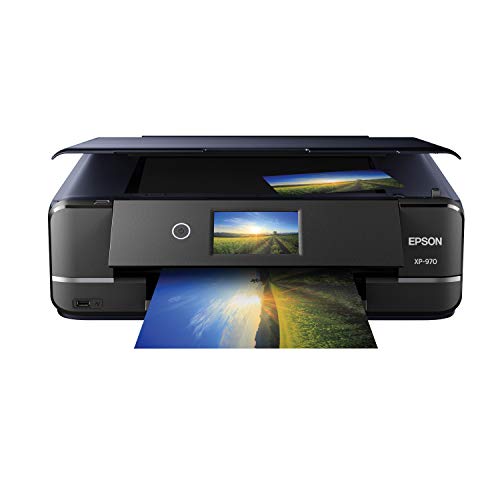
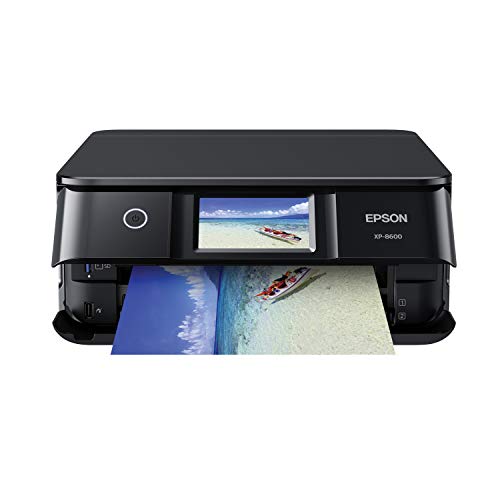

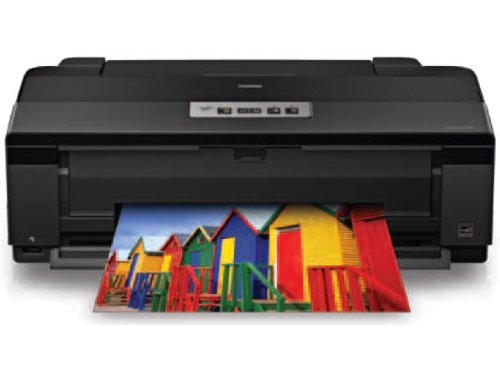
Who Should Buy Which Option
Different buyers need different strengths, and the right choice depends on your routine, your space and how often you will use it. The groups below cover the most common situations, so find the one closest to yours and use its priorities as a starting point.
Photographers selling prints
Photographers selling prints need accurate color, a good ink set and paper profiles for their chosen papers. A photo inkjet or fine art printer fits this work. Prioritize a printer that handles your most used paper size and finish reliably. For more detail, see our guide to best printers for art prints.
Artists reproducing work
Artists reproducing work need faithful color for paintings, illustrations and mixed media, plus paper handling for textured art papers. A fine art printer with pigment inks suits this use. Test prints on your actual paper before committing to a large edition. For more detail, see our guide to best fine art printers.
Art students
Art students need a capable printer that fits a budget and a small studio, with affordable ink for learning and experimentation. A good desktop photo printer often beats a large fine art printer at this stage. Check ink costs, because student printing volume can be high.
Types Explained
Understanding the main types helps you rule out whole categories quickly. Each type below suits a different routine, and the trade offs are usually clear once you compare size, cost and everyday effort.
Photo inkjet printers
A photo inkjet printer uses several ink colors to reproduce subtle tones, skin tones and gradients in photographs. It suits photographers and artists selling prints. Check the ink set, because more colors usually mean smoother gradients, especially in shadows and skies.
Fine art printers
A fine art printer handles thick art papers, canvas and large formats, with pigment inks that resist fading. It suits artists producing limited editions and gallery prints. The larger size and higher ink cost suit serious print work rather than occasional home printing.
Wide format printers
A wide format printer produces larger prints for exhibitions, posters and client work, which saves outsourcing costs for frequent large prints. It needs floor or table space, and paper rolls add storage needs. For occasional large prints, a local print service may be cheaper overall.
Key Features to Compare
Once you know your type, compare these features side by side. A feature that matters greatly for one routine may matter little for another, so rank them for your own use before you compare prices.
Color accuracy
Color accuracy depends on ink set, paper profiles and calibration. Look for a printer with profiles for the papers you use, and learn basic soft proofing so screen and print match more closely. A printer without a profile for your favorite paper will frustrate color work.
Ink type and longevity
Pigment inks generally last longer and resist fading better than dye inks, which matters for prints you sell or frame. Check print longevity claims for your paper and display conditions, because light and humidity affect fading. Ink cost per print matters for a selling artist.
Paper handling
Paper handling decides which art papers, canvas and sizes you can actually use. Check maximum paper weight, roll versus sheet feed, borderless options and whether the feed path handles thick media without bending. A printer that cannot feed your paper is useless for that work.
Print size and resolution
Print size must match your output: a desktop printer suits small editions, while a wide format printer suits exhibition work. Resolution matters for fine detail, but paper and ink quality affect the visible result as much as the headline resolution figure.
Related choices include best printers for digital art, best printers for art students and best printers for art reproduction.
What Your Money Gets You
At about $300 to $600, you can expect solid basics and reliable everyday performance, though materials and extra features stay modest. This tier suits buyers who want good value and do not need premium finishes or advanced extras. Focus on fit, core performance and running costs at this level.
At about $600 to $1,200, you gain better materials, stronger performance and more thoughtful details, such as quieter operation, easier cleaning or a wider range of sizes. This tier suits regular users who will notice the difference daily. It is often the sweet spot for a purchase you plan to keep for years.
At about $1,200 to $2,500, you pay for premium materials, the best performance and the longest expected life, plus design details that make daily use more pleasant. This tier suits buyers who use the product heavily or want a long term investment. Before paying this much, confirm that the extra features match your routine, not just your wish list.
Care, Maintenance and Common Mistakes
Keep the printer in a dust free area, run nozzle checks if it sits unused, and store art paper flat and protected from humidity. Use the maker profiles for your papers, and keep spare ink ready, because running out mid edition wastes paper and time.
A common mistake is buying a printer for its headline resolution while ignoring paper handling and ink costs, which shape daily use far more. Another mistake is printing editions on unprofiled paper and expecting gallery color. Test, profile and proof before printing a full run.
Frequently Asked Questions
Pigment or dye ink for art prints
Pigment inks generally offer better longevity and fade resistance, which suits prints for sale or framing. Dye inks can offer vivid color at lower cost, but they may fade faster in light. For art prints intended to last, pigment inks are usually the safer choice.
What paper should I use for fine art prints
Choose a paper that suits your image and your printer profiles: matte art papers suit textured, painterly work, while luster or gloss papers suit vivid photographs. Test the same image on two or three papers before an edition, because paper changes color and detail visibly.
Do I need a wide format printer
You need a wide format printer only if you regularly print large sizes and the outsourcing cost or turnaround hurts your work. For occasional large prints, a local fine art printing service is often cheaper and simpler. Factor in space, paper storage and ink costs before buying large.
How do I match screen color to print color
Use a calibrated monitor, the correct paper profile and soft proofing in your editing software. Print a test strip first, view it in daylight, and adjust before a full run. Perfect matching takes practice, but profiles and calibration close most of the gap.
What should I check before ordering
Check the ink set and longevity, paper handling for your papers, maximum print size, running ink costs, and profile availability. Also confirm the physical size, power needs and whether your computer software supports the printer drivers.
A useful test before buying is to print the same image on two or three papers you actually plan to use, through a local service or a borrowed printer, and to view the results in daylight. Paper texture, ink behavior and color shift become clear in that test in a way that specification sheets cannot show. Keep those test prints beside your desk while you compare models, because they anchor every later decision in real output.
Final Thoughts
The right printer is the one that fits your space, your routine and your budget. Compare the types and features above, check paper handling and running costs, and avoid paying for extras that do not serve your work. The product table above gives a quick recap once you have a shortlist.
The best art printers are the ones whose output on your own papers you love, so print your best image on your two favorite papers through a local service or a test printer before you commit.