
Best Army Boots for Comfort: Our 2026 Checklist for Long Duty Days
Disclosure: We may earn a commission when you buy through links on this page, at no extra cost to you. As an Amazon Associate I earn from qualifying purchases. Learn more

Soldiers on long duty days can use this checklist to find the best army boots for comfort, from cushioning and fit to weight and waterproofing.
Long road marches, hours on a parade ground, and full shifts on hard floors all punish your feet in the same way. The best army boots for comfort share a few traits: soft but stable cushioning, room for feet that swell, and a weight your legs can carry all day. This guide turns those traits into a short checklist you can use on any product page.
You will see what to check in the fit, the midsole, and the upper before you spend anything. The product table lines up options side by side, and the sections after it explain each checkpoint in plain terms.


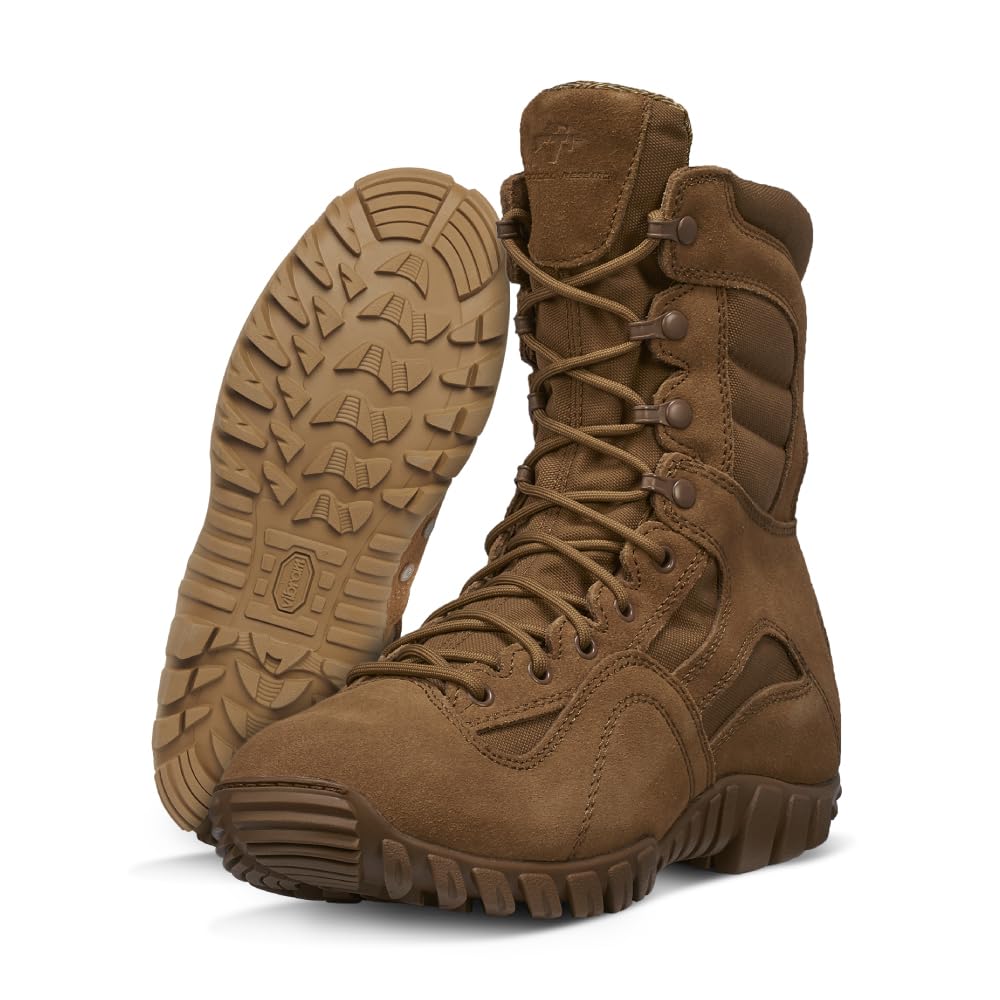


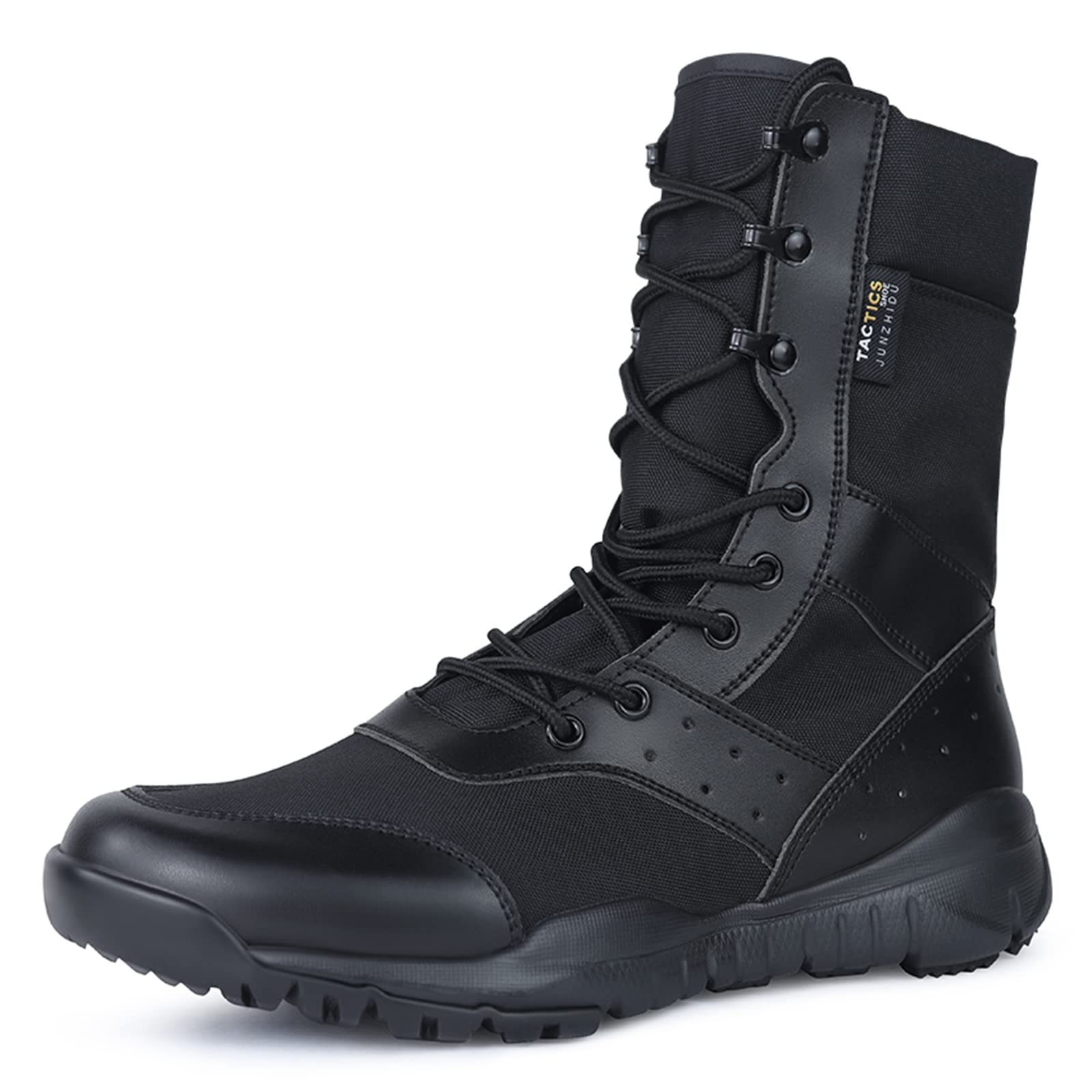

The Comfort Checklist: Key Features to Compare
Score every candidate against the points below before you look at price. If you are still weighing styles, our guide to best army boots covers the wider category, while this checklist narrows the field to comfort.
Features That Matter for Comfort
Comfort in a duty boot comes mostly from the midsole. Look for dual density foam or a foam and gel pairing that feels soft at the first step but does not bottom out by midday. A heel to toe drop of about 8 to 10 mm suits most marching strides, and a padded collar plus a cushioned tongue stop the lace bite that shows up after hour three.
Fit, Sizing, and Toe Box
Measure your feet late in the day, when they are at their largest, and try boots with the socks you actually wear on duty. Your toes need room to spread under load, so look for a toe box that lets them lie flat. If one foot is larger, fit that foot and use a thicker insole in the other boot rather than sizing down.
Weight and Flexibility
Every extra ounce is lifted thousands of times a day. Boots under about 1.5 pounds per boot feel far easier on long marches, though they give up some puncture and ankle protection. Flex matters too: the boot should bend at the ball of the foot, not in the middle of the arch. Soldiers who train with heavy packs can compare notes in our guide to best boots for rucking army, where load changes what feels comfortable.
Break In Period and Comfort Out of the Box
Stiff leather boots can need one to two weeks of short wears before the upper softens. Modern fabric and leather blends often feel fine on day one but may pack out sooner. Plan the break in before a long event, wear the boots around the house and on short walks first, and never debut a new pair on a full day march.
Waterproofing With Gore Tex and Other Membranes
A waterproof membrane keeps feet dry in wet grass and rain, but it also traps heat and sweat in summer. Choose a membrane boot if your duties mean standing water or cold rain. In hot and dry posts, an unlined breathable upper usually feels better by midday. Either way, no membrane helps if water pours over the collar, so match boot height to your terrain.
Arch Support and Foot Type
The stock insole in most boots is thin and flat. A firmer arch and a stable heel cup spread pressure and slow foot fatigue, and a removable insole lets you swap in more support, as our guide to best insoles for army boots explains. Boots cannot fix foot problems, though: pain that keeps getting worse, numbness, or weakness in the foot or leg is a reason to see a doctor or podiatrist, not to buy another pair.
What Each Spending Level Gets You
Prices cluster into three bands. The jump from one band to the next buys materials and build quality, not a different kind of boot.
Entry Level: Under About $80
Expect fabric and suede uppers, basic foam midsoles, and glued soles. Comfort is fine for garrison duty and short field days, but cushioning tends to pack out within a year of daily wear. This band suits new soldiers and anyone who wants a light spare pair for training days.
Middle Level: About $80 to $150
This band adds denser midsole foams, better heel counters, and the option of a waterproof membrane. Uppers mix full grain leather with fabric panels, so break in is shorter and durability rises. For most buyers who wear boots five or six days a week, this is where comfort per dollar peaks.
Top Level: About $150 to $250
Higher prices buy lighter builds at the same strength, softer out of the box leather, and soles that can sometimes be replaced when worn. Fit ranges widen too, with more half sizes and wide options. Choose this band if you march long distances often or have learned that cheap boots cost you more in replacements.
Quick Buyer Checklist
Run through these questions before you pay. A boot that earns a yes on nearly all of them is a safe bet.
- Is the midsole foam firm at the heel and softer under the forefoot?
- Can you wiggle and spread your toes inside the toe box?
- Does the boot bend at the ball of the foot rather than mid arch?
- Is the insole removable so you can add your own support?
- Does the weight feel manageable for a full day on your feet?
- Does the upper match your climate, membrane for wet cold or open fabric for heat?
- Does the style meet the uniform rules your unit enforces?
Red Flags to Watch For
Walk away from listings that hide the basics. Vague claims like military grade comfort with no midsole material named, no stated weight, and no size chart are signs of a weak product. Be wary of soles so thin that the boot flexes in the middle, collars with no padding, and prices far below every rival with no explanation.
A very short return window matters too, since fit problems often appear only after a week of wear. Also check the uniform rules your service and unit enforce before ordering, because some comfort features, like nonstandard colors or sole patterns, are not allowed on duty.
Care Habits That Keep Boots Comfortable
Rotate two pairs if you wear boots daily, giving each a full day to dry and let the foam recover. Air dry wet boots away from direct heat, and pull the insoles out so the inside dries too. The right socks matter as much as the boot, and our guide to best socks for army boots covers cushioning and moisture control. Brush off mud before it hardens, since dried dirt stiffens leather and cracks it over time.
Frequently Asked Questions
Do comfort focused army boots still meet uniform rules?
Most do, but the details decide. Uniform rules usually set the boot height, color, and material, and many comfort models are built to match them. Problems appear with extras like bright logos, nonstandard sole colors, or mesh panels where leather is required. Check the current rules for your service and unit before you order, and keep the receipt until you have worn the boots on duty once without a correction.
Can I wear army boots all day on concrete floors?
Yes, and cushioning matters even more on concrete than on trails because the surface gives nothing back. A boot that feels fine on grass can feel flat after six hours on a warehouse floor. If your duty is mostly indoors, favor the softest midsole you can find and plan to replace insoles about every six months, since foam wears out long before the upper does.
Are expensive army boots worth the extra money for comfort?
They can be, if you wear boots daily. A top level pair that stays comfortable for two years of duty often costs less per month than an entry level pair replaced twice. The extra money also buys wider size ranges, which helps hard to fit feet more than any foam upgrade. If you only wear boots on occasional weekends, the middle band is usually the smarter spend.
How often should army boots be replaced when worn every day?
Plan on about 500 to 800 miles of marching or roughly a year of daily wear before the midsole loses its spring, even if the upper still looks good. Signs include new heel or arch aches, a sole worn smooth in one spot, or the boot leaning to one side on a flat surface. Rotating two pairs stretches the calendar life of both, since foam recovers between wears.
Should new army boots feel tight at first?
Snug is normal, painful is not. A new boot should hold the heel with almost no lift and feel firm across the instep, while the toes still lie flat with room to move. Sharp pressure on one spot, numb toes, or a heel that rubs raw in the first short walks means the size or shape is wrong for you, and break in rarely fixes a true fit problem.
Final Thoughts
Comfort comes down to three things: a midsole that still feels alive at the end of the day, a fit that leaves room for swollen feet, and a weight your legs can forget. Match those to your climate and your uniform rules, and the best army boots for comfort for you will be easy to spot. Check the picks in the product table against the checklist before you order.


