
Best Argentic Cameras: 2026 What Actually Matters Before You Buy
Disclosure: We may earn a commission when you buy through links on this page, at no extra cost to you. As an Amazon Associate I earn from qualifying purchases. Learn more

A clear checklist for choosing the best argentic cameras: film format, lenses, metering and handling, with care tips and common buying mistakes.
Argentic cameras record light on silver based film, so your choice depends on the negative, the lens, and body condition. The best argentic cameras have clean optics, honest shutters, and controls that suit how you shoot. This guide gives you a clear checklist to use with the comparison table below.
Start by naming your main subject and your patience for manual settings. A learner, a traveler, and a portrait shooter need different formats and handling. The sections below match each need to format, focusing, metering, and film costs.
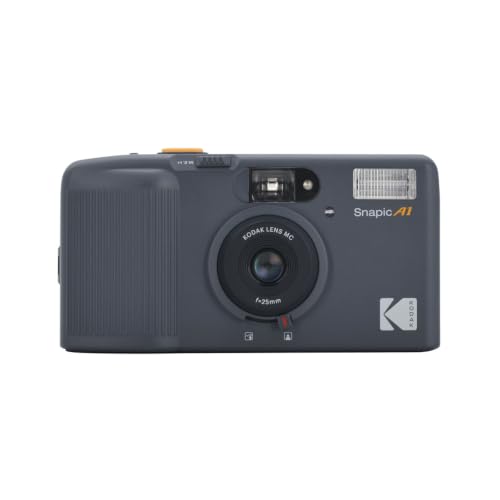

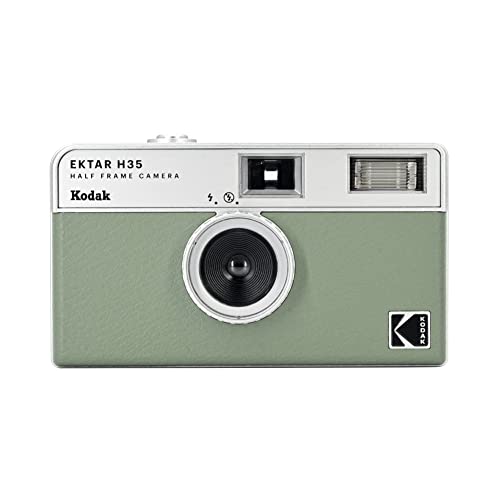


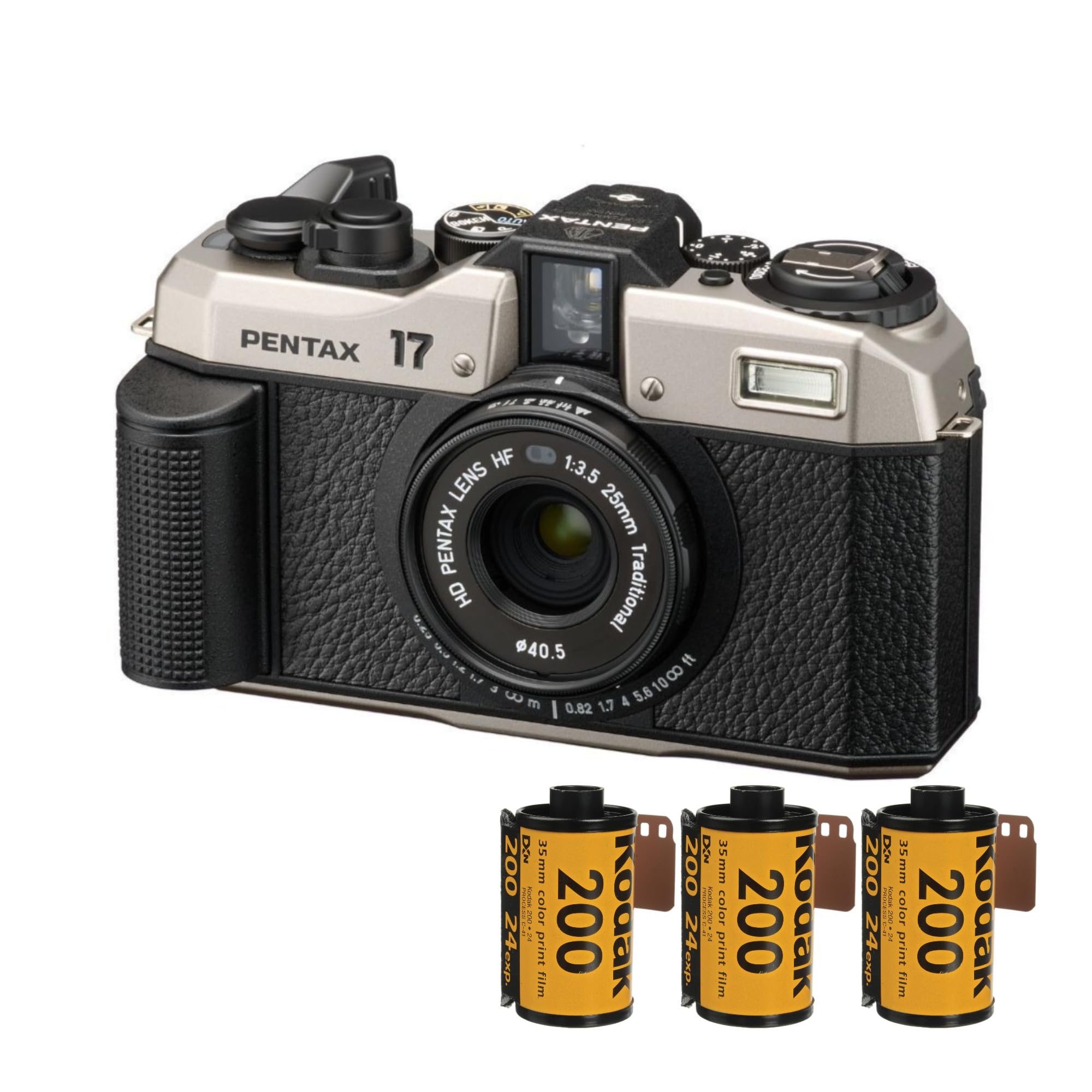


Who Should Buy an Argentic Camera?
Your reason for choosing film shapes every later decision. Match yourself to one group first, then read the feature sections.
Learners Who Want Full Manual Control
You want to understand aperture, shutter speed, and focus by doing. Choose a 35 mm SLR with a standard lens and a meter you can read at a glance. If you are still deciding between film and a modern starter body, see our guide to the best starter cameras before you commit to film costs.
Travelers and Everyday Shooters Who Want a Small Film Camera
You want a camera that fits a coat pocket and is ready in seconds. Choose a compact with a fixed lens around 28 mm to 38 mm, automatic exposure, and simple film loading. You trade lens choice for speed and low weight.
Portrait and Landscape Shooters Who Want a Larger Negative
You print large or you love smooth tones and shallow depth in portraits. Choose a medium format body, where each negative is several times larger than a 35 mm frame. You accept a heavier camera and fewer frames per roll, and in return you gain fine detail in big prints.
Key Features to Compare for Argentic Cameras
Use this checklist in order when you compare any two bodies. Condition matters as much as the spec sheet, because film bodies age, and the seals, meter, and shutter of any older camera need checking.
Film Format and Image Quality
Film format is the size of each negative, and it sets the ceiling for detail and print size. A 35 mm frame measures 24 by 36 mm and gives you 24 or 36 shots per roll, which keeps costs low while you learn. Medium format frames are much larger, so grain looks finer at the same print size. Megapixels do not apply here.
Build Quality and Weather Resistance
Most argentic bodies use metal, sturdy plastic, or a mix of both, and a solid feel usually signals careful assembly. Check that dials turn with firm clicks, the back closes without play, and the foam light seals are not sticky or crumbling. True weather sealing is rare, so plan on a rain cover outdoors. If solid construction is your top priority, see our guide to the best quality cameras.
Ease of Use for Your Skill Level
Ease of use comes from how much the camera decides for you. Program and aperture priority modes let you shoot quickly while you learn, and many compacts read the film speed from the DX code on the cassette. Fully manual bodies demand that you set focus, aperture, and shutter speed on every frame. Pick the level of help you will still enjoy after the novelty fades.
Battery Needs and Power Options
Many mechanical bodies fire at every speed with no battery at all, and the battery only powers the light meter. Electronic bodies stop working when the cell dies, so a spare is essential on trips. Common cells are small silver oxide and lithium types that cost a few dollars. One caution is that older meters were tuned for mercury cells that are no longer sold, and modern substitutes can shift readings.
Low Light Performance
Low light results depend on three things you control: lens speed, film speed, and shutter choice. A lens marked f/1.4 to f/2.8 gathers far more light than a slow zoom at f/4 to f/5.6, and film rated at ISO 400 to ISO 3200 extends your range further. A meter that reads accurately in dim rooms prevents wasted frames. Grain grows as film speed rises, so save the fastest films for dark scenes.
Autofocus, Manual Focus, and Steady Shooting
Late film bodies offer autofocus that locks on quickly, while classic bodies rely on a split image or a rangefinder patch that you align by hand. Manual focus is slower but works in dim light where early autofocus hunts. Electronic image stabilization is absent on nearly all argentic cameras, so steadiness comes from your grip and shutter speed. Stay at or above one divided by the lens focal length, so use about 1/50 second with a 50 mm lens.
Argentic Camera Types Compared: Which One Fits You?
The best argentic cameras fall into three broad types, each suiting a different mix of learning, travel, and print size. If you want one general reference, see our guide to the best cameras for photography.
SLR Cameras for Learning and Lens Choice
An SLR shows you the scene through the taking lens, so framing and focus are easy to judge. Interchangeable lenses cover wide views, portraits, and close subjects with one body. A working used kit with a 50 mm lens often costs about $150 to $400.
Compact Cameras for Travel and Daily Carry
A compact pairs a fixed lens with automatic exposure and focus, so you can raise it and shoot in one motion. Better examples add a sharp prime lens and a bright viewfinder. Clean used compacts run about $40 to $150, with rare models costing far more.
Medium Format Cameras for Portraits and Landscapes
Medium format bodies use 120 roll film and produce negatives far larger than 35 mm frames. You get about 10 to 16 frames per roll, so each shot is planned rather than sprayed. Solid used outfits often start at about $400.
Quick Buyer Checklist for Argentic Cameras
Run through these questions before you pay. A single no on condition deserves a lower offer or a different camera.
- Is the lens glass free of fungus, haze, and deep scratches when you shine a light through it?
- Do all shutter speeds fire, and do slow speeds sound even rather than sticky?
- Are the light seals intact, or is a seal replacement already included in your budget?
- Does the meter react smoothly as you point the camera from shade to bright light?
- Can you still buy the battery this camera needs in a common modern size?
- Have you set aside money for film, processing, and scanning beyond the camera price?
Common Mistakes to Avoid When Buying Argentic Cameras
Most regret comes from skipping simple checks, not from choosing the wrong format.
- Buying on looks alone leaves you with a pretty body whose shutter is inaccurate at half its speeds.
- Ignoring hazy or fungus marked glass lowers contrast on every frame, and cleaning can cost more than the lens.
- Forgetting the cost of film and processing turns a cheap camera into an expensive habit within a few months.
- Skipping a test roll means the first images you care about may be ruined by light leaks you could have found early.
- Trusting a seller who lists vague specs and no return option leaves you paying for faults you cannot verify.
Care and Maintenance Tips for Argentic Cameras
Clean the lens with a blower first, then a soft lens cloth, never your shirt, because grit in fabric can scratch coatings. Wipe the body with a dry cloth and blow dust from the film chamber. Store the camera in a dry padded bag with silica gel, away from heat and damp air that encourage fungus.
Carry a spare battery and one spare roll on any outing you care about. If you shoot rarely, fire the shutter a few times each month to keep slow speeds honest. Replace light seals when they turn sticky, since fresh foam is cheap insurance against ruined rolls.
FAQs About Argentic Cameras
Is a smartphone enough instead of an argentic camera?
A smartphone is enough for quick sharing, but it cannot give you a physical negative or the deliberate pace of film. Each frame costs money, which changes how carefully you compose. If you want instant results on the same device, see our guide to the best digital cameras for a modern path with manual control.
How much should you spend on your first argentic camera?
Plan about $100 to $300 in total for a sound first setup, not just the body. That range covers many clean compacts and basic SLR kits, plus your first rolls and processing. Hold back part of the budget for fresh light seals and a test roll.
Which lens and film choices help an argentic camera in low light?
Pair a fast lens, around f/1.4 to f/2, with film rated at ISO 800 or higher for the strongest low light results. Brace your elbows or lean on a wall to hold slower speeds steady. You can also rate ISO 400 film at ISO 800 and ask the lab to push process it by one stop, which raises contrast and grain but saves scenes that are too dark.
What specs matter most for beginners buying an argentic camera?
A working light meter, a standard lens near 50 mm, and clear shutter speeds matter most for a beginner. Those three let you learn exposure without fighting the camera. Prefer common batteries over rare sizes, and pick a bright viewfinder so focus checks feel easy.
What do 35 mm and medium format mean for argentic cameras?
The terms name the film size the camera uses, and film size controls frame count, cost, and print quality. Film sold as 35 mm fits most SLR and compact bodies and gives long rolls at low cost per frame. Medium format uses wider 120 film and far larger frames, so rolls hold fewer shots. A half frame camera doubles frames per roll on the same film.
The Bottom Line
Judge every candidate by negative size, lens condition, and meter honesty, then match the type to the way you shoot. Learners gain most from a simple SLR, travelers from a compact, and print makers from medium format. Check the product table above once your checklist is clear.
When you compare best argentic cameras with condition first and format second, you avoid costly faults and keep the pleasures of film.


