
Best Architectural Speakers at Every Price: What Your Money Really Gets You for 2026
Disclosure: We may earn a commission when you buy through links on this page, at no extra cost to you. As an Amazon Associate I earn from qualifying purchases. Learn more

A buying guide to the best architectural speakers by budget, covering driver size, placement, power needs, and which upgrades are actually worth paying for.
Architectural speakers cover a wide price range, from basic in ceiling pairs that cost less than a nice dinner out to precision in wall models that rival freestanding towers. That spread makes it easy to overspend on features your room cannot use, or to underspend and end up with thin sound you notice every day. This guide to the best architectural speakers walks through what each price tier actually delivers, so you can put your money into drivers, build quality, and placement flexibility instead of marketing extras.
Use the comparison table below to scan sizes, power ratings, and prices side by side, then read on for the criteria that explain those numbers. A speaker that disappears into your ceiling still has to move air, handle your amplifier cleanly, and suit the way you listen.
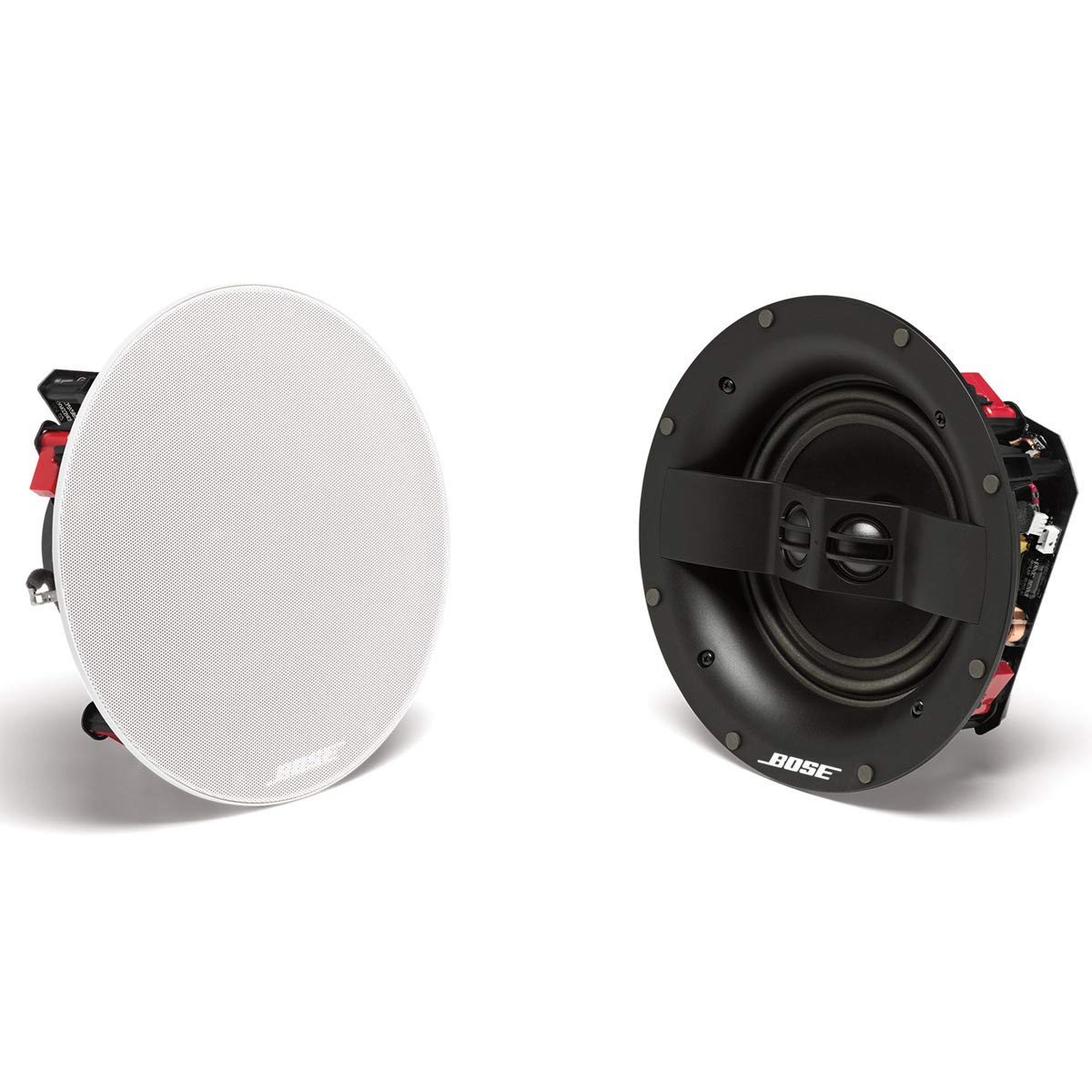


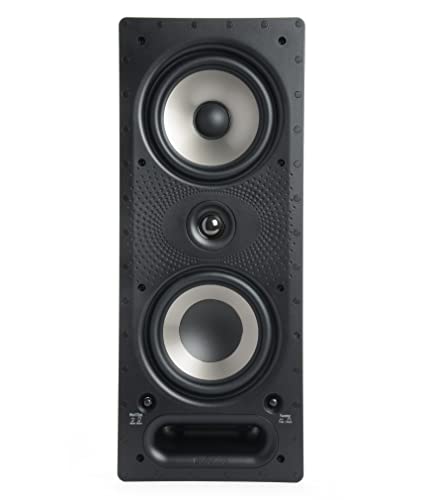


How to Judge Speakers by Budget
Instead of chasing named models, judge any option in the product table above against the tier descriptions here. The same budget logic applies across brands, because driver materials, enclosure design, and installation hardware follow predictable cost steps.
Best Budget Tier
The budget tier, roughly under $150 per pair, suits background music in kitchens, hallways, and small bedrooms. Expect basic polypropylene or paper cone woofers, simple pivoting tweeters on some models, and paintable grilles that sit nearly flush. Sound tends to be clear at low to moderate volume but limited in bass depth and in detail at higher volume. For a first installation in a room where music is atmosphere rather than the main event, this tier is a sensible place to start, provided the cutout size fits your ceiling joists.
Best Midrange Tier
The midrange tier, about $150 to $400 per pair, is where most buyers should shop. Woofers often use better cone materials that stay rigid at higher volume, tweeters pivot more smoothly for aiming sound at seating, and mounting systems grip drywall more securely. You also start to see moisture resistant designs for bathrooms and covered porches. The gain you hear most is cleaner vocals and less distortion during movies and louder listening. If you plan to keep the speakers for a decade, the extra build quality here usually earns its cost.
Best Premium Tier
Premium models, often $400 and up per pair or per speaker, add larger or more advanced drivers, aimable midrange and tweeter arrays, and back boxes or tuned enclosures that control resonance. Some include boundary compensation switches that adjust output when a speaker sits near a wall or corner. These upgrades matter in dedicated listening rooms and home theaters, where you sit in one place and listen closely. In a hallway or dining room, you will rarely hear enough difference to justify the jump, so match the tier to the room rather than to your pride.
What Your Money Gets You at Each Price Tier
Budget Tier: What to Expect
At the budget level you get sound that fills a room pleasantly, simple spring clip or push terminals, and grilles you can paint to match the ceiling. What you give up is deep bass, wide dispersion, and refinement in the treble. Plan on pairing budget speakers with a modest amplifier and realistic expectations. They work well for news, podcasts, and casual playlists. They struggle when you ask one small ceiling speaker to cover a large open plan living area at party volume for hours at a time.
Midrange Tier: The Sweet Spot for Most Buyers
Midrange speakers add output and control. A 6.5 inch or 8 inch woofer moves more air, so drums and male vocals carry more weight, and better crossover parts keep the handoff between woofer and tweeter smooth. Many models in this range carry ratings for damp locations and offer both in ceiling and in wall versions that voice match each other. That matching matters if you later expand into a surround system. For most living rooms and primary bedrooms, this tier delivers the best balance of price, sound, and installation quality.
Premium Tier: When Spending More Pays Off
Spending more pays off when your room and habits expose small flaws. Large rooms, high ceilings, and open layouts reward the extra output and dispersion control of premium designs. So do listeners who play music critically or run a home theater where dialogue clarity at the center seat is non negotiable. Premium speakers also tend to hold up better over years of use because their drivers and mounting hardware are built to tighter tolerances. If you listen mostly at background levels, save the difference and invest in a better amplifier or proper placement instead.
Features Worth Paying For (and Ones to Skip)
Sound Quality and Tuning
Driver size and frequency response tell you more than wattage claims. A larger woofer usually reaches lower, while a smooth response curve matters more than extreme numbers at either end. Look for tweeters you can aim toward seating, because ceiling speakers otherwise fire straight down and lose treble detail at your ears. A neutral tuning suits most rooms and content. Models that hype bass often sound boomy once installed in a ceiling cavity, and you cannot easily move them to fix it.
Ecosystem and App Features
Architectural speakers themselves are usually passive, so ecosystem features live in the amplifier or streamer you pair with them. Multi room platforms let you group zones, set volume limits, and apply room EQ from an app, which is genuinely useful when speakers sit in several rooms. Firmware updates for that electronics gear matter more than any app attached to the speaker itself. If you already own a platform, choose an amplifier that matches it. If you are starting fresh, prioritize simple controls your household will actually use every day.
Cutout Size, Depth and Weight
For speakers, fit means cutout dimensions, mounting depth, and clearance above the ceiling or inside the wall. Measure joist spacing and check for pipes, ducts, and wiring before you order, because a speaker that needs more depth than your cavity offers simply will not install. Weight matters during installation too, since you may hold the speaker overhead while connecting wires. Secure dog leg clamps and a template in the box make the job far easier. A model that fits your structure cleanly beats a fancier model that forces compromises.
Placement and Room Size
Placement decides more of your result than price does. Space pairs evenly over the listening area, keep them away from corners that exaggerate bass, and avoid pointing one speaker directly over a hard reflective surface if you can shift it. Large rooms may need two pairs rather than one louder pair, because even coverage at moderate volume sounds better than hot spots. For home theater use, in wall speakers at ear height around the screen give clearer dialogue than ceiling models. Readers comparing other formats can also see our guide to the best sounding speakers for how voicing differs across designs.
Long Term Costs to Factor In
The speakers are only part of the bill. Budget for speaker wire rated for in wall use, an amplifier or receiver with enough channels for every zone, and possibly professional installation if cutting ceilings and fishing wire is beyond your comfort level. Patching and repainting after installation adds a small cost many buyers forget. Quality speakers have no routine replacement parts, but surge protection for your electronics is a wise small expense. A warranty of five years or longer signals manufacturer confidence and protects a purchase you cannot easily swap once it is installed.
Architectural Speakers: Your Questions Answered
Wired or wireless: which sounds better?
Wired passive speakers driven by a good amplifier generally sound better and never drop a connection or need charging. Wireless and Bluetooth models suit renters or single room convenience, but architectural installations are permanent by nature, so wire wins here. If you want streaming convenience, add a streaming amplifier in the equipment rack and keep the speakers wired. That pairing gives you app control, stable playback, and full power without compressing the signal to each speaker.
How far apart should ceiling speakers be?
For stereo listening, space a pair about as far apart as the distance from the pair to your seat, and keep them roughly centered over the listening area. In larger rooms, add more pairs rather than turning one pair up, so the sound stays even. Keep speakers a few feet from walls and corners, which can make bass boomy.
Do I need an amplifier for in-ceiling speakers?
Yes. Architectural speakers are passive, so they need an amplifier or receiver with enough channels and power for every zone. Match the speaker impedance and power handling to the amplifier, and use in-wall rated speaker wire. A streaming amplifier adds app control and music services without extra boxes.
Can I install architectural speakers myself?
Many homeowners can, if they are comfortable cutting drywall and running wire. Use the template in the box, check the joist spacing and look for pipes and wiring before you cut. For finished ceilings and walls, or for long wire runs through insulation, a professional installer saves time and avoids repairs.
Can I use architectural speakers in a bathroom or on a covered porch?
Only models the maker lists for damp locations. Look for sealed drivers, rust-resistant grilles and an explicit moisture-resistant rating, and keep amplifiers in a dry room. A standard dry-location speaker should not be installed where steam or splashes reach it regularly.
Our Verdict
Start with room size, placement, and listening habits, then pick the tier that matches them. Most households land happily in the midrange, where driver quality, aiming tweeters, and solid mounting hardware come together without premium pricing. Compare the finalists in the product table above against your cutout space and amplifier channels. Chosen that way, the best architectural speakers for your home will disappear visually and keep sounding right for years.


