
Best Areas for Heat Pumps: What Actually Matters Before You Buy for 2026
Disclosure: We may earn a commission when you buy through links on this page, at no extra cost to you. As an Amazon Associate I earn from qualifying purchases. Learn more
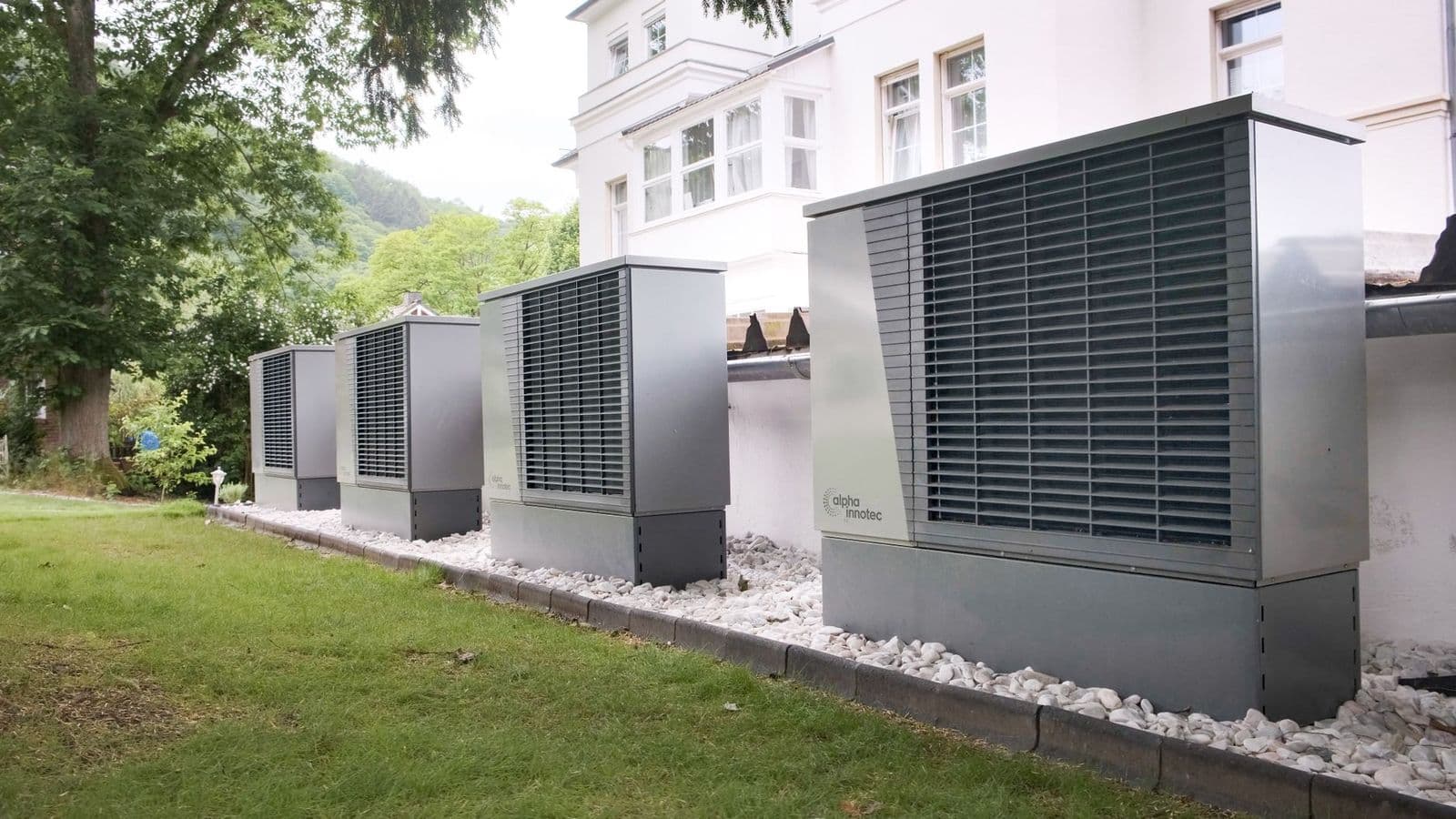
A clear guide to the best areas for heat pumps: climate zones, sizing, efficiency ratings, and costs that decide how well a system heats your home.
Choosing a heat pump starts with place, not with a brand or a price tag. The same system that heats a home in Georgia for very little money can struggle in northern Minnesota unless it is built for deep cold. This guide uses a simple checklist to judge the best areas for heat pumps and the systems that suit them.
You will learn how climate, home size, insulation, and electricity prices change what counts as a good match. Work through the criteria below before you request quotes.
How to Judge the Best Areas for Heat Pumps
A fair judgment looks at weather first and equipment second. A heat pump moves heat instead of making it, so outdoor air temperature decides how hard it must work. Mild winters reward almost any modern unit, while long cold spells reward stronger compressors, better defrost control, and backup heat that is sized with care.
Features That Matter for Heat Pumps
Look for a variable speed compressor that can run slowly on mild days and speed up when temperatures drop. That control improves comfort and cuts noise because the fan rarely runs at full power. Check the heating rating at low temperatures, not just the headline rating at 47 degrees. A unit that still delivers strong output at 17 degrees and at 5 degrees will serve cold areas far better than one rated only for mild weather.
Room Size and Coverage
Coverage starts with a load calculation for the whole home, often called a Manual J calculation. Square feet alone misleads because ceiling height, window area, and insulation change the load a lot. As a rough guide, older homes in cold areas may need about 40 to 60 BTU per square foot for heating, while tight newer homes in mild areas may need about 25 to 35 BTU. Ask every installer to show the calculation behind the size they propose.
Safety Features
Safety for a heat pump system centers on electrical protection, proper refrigerant handling, and reliable backup heat. The outdoor unit and air handler should be installed to code with correct breakers, disconnects, and condensate drainage. In cold areas, confirm that backup heat starts automatically if the outdoor unit fails, so pipes do not freeze during a winter outage. Only licensed technicians should handle refrigerant lines, since leaks waste energy and harm performance.
Performance Ratings
Four ratings tell most of the story. SEER2 measures cooling efficiency, HSPF2 measures heating efficiency, and COP shows how much heat you get for each unit of electricity at a given temperature. Higher numbers mean lower running costs in most cases. Also check rated capacity in BTU at cold temperatures, because a system can look efficient on paper yet lose too much output on the coldest nights when you need heat most.
Smart Controls and Sensors
A good thermostat learns your schedule, stages backup heat only when needed, and locks out costly electric strips during mild weather. Outdoor temperature sensors help the system decide when the heat pump alone is enough. If you travel often, app control and freeze alerts add real value. When you compare controls, see our guide to the best thermostat heat pump options and how staging settings affect bills.
Energy Efficiency and Operating Cost
Operating cost depends on your electricity price, your winter temperatures, and what fuel the system replaces. Heat pumps usually cost far less to run than electric resistance heat and often beat oil and propane on cost per unit of heat. Homes replacing natural gas see smaller savings, so local gas prices matter. Ask installers for an estimated seasonal cost in your area rather than a national average that may not fit your rates.
Noise Level
Outdoor units commonly run at about 55 to 75 decibels at full speed, while variable speed models stay near the low end most of the time. Place the unit away from bedroom windows and patios, and keep shrubs trimmed so air flows freely. Indoor air handlers should be quiet enough for conversation in nearby rooms. If your lot is small, ask about sound blankets and vibration pads before installation day arrives.
Price Tiers by Climate
Instead of chasing a single model, match the tier to your climate and your home. The right tier in a mild area would be wasted money in a cold one, and the lowest tier in a cold area often leads to high bills and cold rooms.
Mixed Climates
For most homes in mixed climates, a variable speed air source system in the middle price tier gives the best balance of comfort, efficiency, and price, usually around $8,000 to $15,000 installed for a whole home system. It handles summer cooling and winter heating in one unit and pairs well with modest duct upgrades. Choose this tier if your winters spend many weeks between 25 and 45 degrees and your ducts are in decent shape.
Mild Climates
In mild southern and coastal areas, a single speed or two stage system at the lower tier, often around $5,000 to $9,000 installed, can deliver years of low cost heat. Winters there rarely test cold weather output, so paying for extreme cold hardware adds little. If your home sits near salt air, compare corrosion protection using our guide to the best heat pumps for coastal areas before you settle on a value model.
Cold Climates
Homes in cold northern areas, mountain towns, and exposed rural sites need cold climate models rated to keep heating at 5 degrees and below, often around $12,000 to $20,000 installed. These systems cost more because of stronger compressors and smarter defrost cycles. Pair them with backup heat and good insulation. Shoppers comparing build quality across tiers can also read our guide to the best quality heat pumps for durability cues.
Quick Buyer Checklist
Answer these questions before you sign a contract. A no answer points to work to do first, such as sealing ducts or adding insulation, which often improves comfort more than a larger unit would.
- Do you know your climate zone and your coldest typical winter temperature?
- Did the installer provide a written load calculation for your home?
- Is the quoted heating rating given at 17 degrees and at 5 degrees, not only at 47 degrees?
- Do your electricity rates favor heat pump heating over your current fuel?
- Are your ducts sealed, insulated, and large enough for the new airflow?
- Is backup heat included and controlled by an outdoor temperature sensor?
- Does the quote include permits, electrical work, and condensate drainage?
- Have you checked local rebates and tax credits for your area?
Red Flags to Watch For
Walk away from quotes that size a system by square feet alone with no load calculation. Be wary of efficiency claims with no SEER2 or HSPF2 figures, since vague language hides weak performance. Very short parts warranties, often under ten years after registration, suggest lower confidence from the maker. Another warning sign is a bid that ignores duct condition, because poor ducts can waste a third of the heated air. Finally, avoid installers who push backup electric heat as the main plan for cold nights.
Setup and Care Tips
Keep the outdoor unit clear of snow, leaves, and stored items so air can move freely on all sides. Change or clean indoor filters on the schedule in your manual, usually every one to three months, because clogged filters raise bills and strain the blower. Have a technician check refrigerant charge, coils, and condensate lines once a year. In winter, watch for ice that stays on the outdoor coil for many hours, which can signal a defrost problem worth a service call.
Renters and owners of single rooms sometimes ask about smaller options. For one room additions, sunrooms, and garages, compare ductless mini split systems and our guide to the best window heat pumps to see which format fits the space. Homes that need cooling first and heating second can also review the best ac heat pumps guide for cooling focused trade offs.
Frequently Asked Questions
What features matter most in a heat pump for cold areas?
Cold weather heating capacity matters most, followed by HSPF2 efficiency and a variable speed compressor. In mild areas, cooling efficiency and humidity control move to the top of the list. One point buyers miss is defrost quality, since poor defrost cycles waste energy and cause cold drafts indoors during winter.
Where is the best place to put the outdoor unit?
Place the outdoor unit on a level pad with clear airflow, away from bedroom windows and roof drip lines. Keep it above expected snow depth in cold areas, using a stand if needed. Indoors, locate the air handler where ducts run short and straight, which lowers noise and improves airflow to distant rooms.
Is a heat pump expensive to run 24/7?
No, steady running is usually cheaper than frequent starts and stops for a heat pump. Variable speed systems are designed to run for long periods at low power, sipping electricity while holding a steady temperature. Costs rise mainly when backup electric strips take over, so a smart thermostat lockout setting protects your bill.
What size heat pump do I need for my room?
You need a size based on a load calculation, not a rule of thumb alone. A single room of about 400 square feet in a mild area might need around 9,000 to 12,000 BTU, while the same room in a cold area with poor insulation could need much more heating capacity. Ask for the calculation in writing before you buy.
Do heat pumps really work in cold areas?
Yes, heat pumps work in most areas when the model matches the climate. Standard models excel where winters stay mostly above freezing, and cold climate models keep heating well below zero in many northern states. The failures people report usually trace back to wrong sizing, poor ducts, or a mild weather model installed in a cold region.
How often should I replace the filter?
Check the filter every month and replace it every one to three months in most homes. Houses with pets, smokers, or nearby construction dust may need monthly changes. A simple phone reminder on the first day of each month helps, and buying filters in multi packs lowers the cost per change.
The Bottom Line
Match the system to your winters first, then compare efficiency ratings and installed price. A written load calculation, honest cold temperature output figures, and sealed ducts matter more than any single feature. Use the checklist with two or three local installers, and the best areas for heat pumps logic in this guide will point you to a system that heats well without punishing bills.


