
Best And Worst Refrigerators in 2026: A Practical Buyer Checklist
Disclosure: We may earn a commission when you buy through links on this page, at no extra cost to you. As an Amazon Associate I earn from qualifying purchases. Learn more

Learn how to spot the best and worst refrigerators with a clear checklist on size, cooling, noise, energy use, warranty and red flags to avoid.
A refrigerator runs all day and all night, so a poor choice costs you money, space and spoiled food for years. The best and worst refrigerators often look alike in photos, yet they differ in cooling, fit, noise and warranty support. This guide gives you a clear checklist so you can judge any model against the comparison table below.
Start with your kitchen and your household, not with a feature list. Measure your space first, decide how much food you store each week, and note whether the fridge will live in a kitchen, a small apartment or a garage.

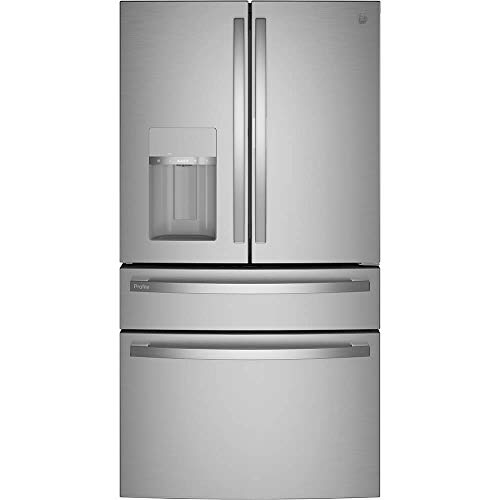
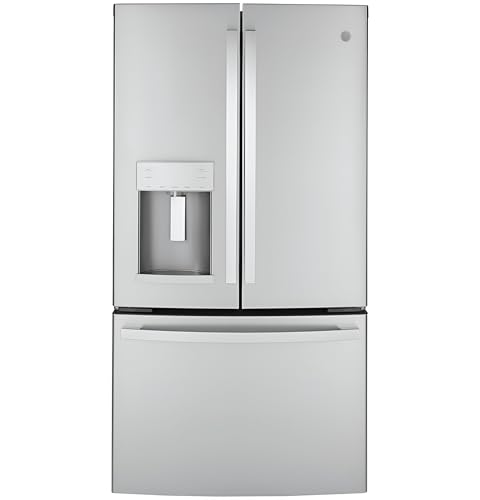
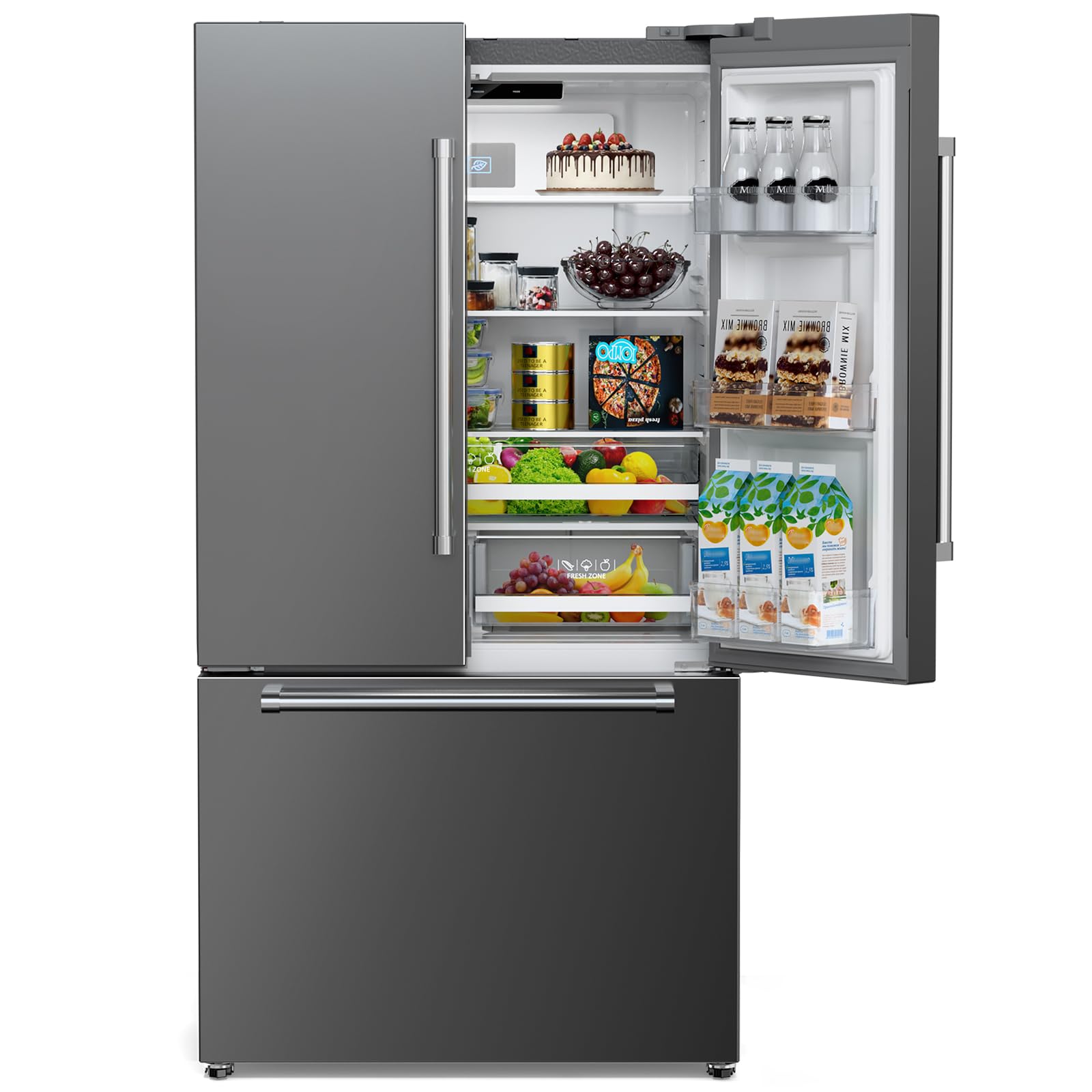
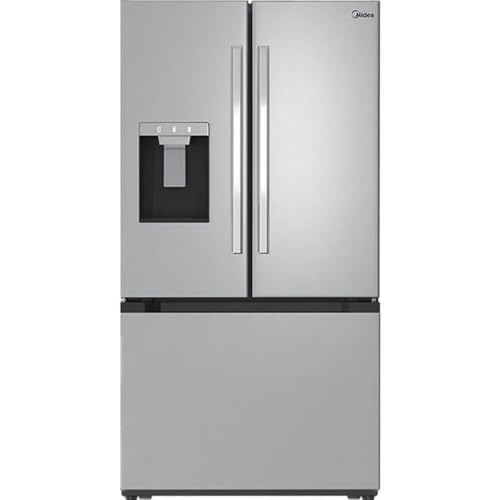
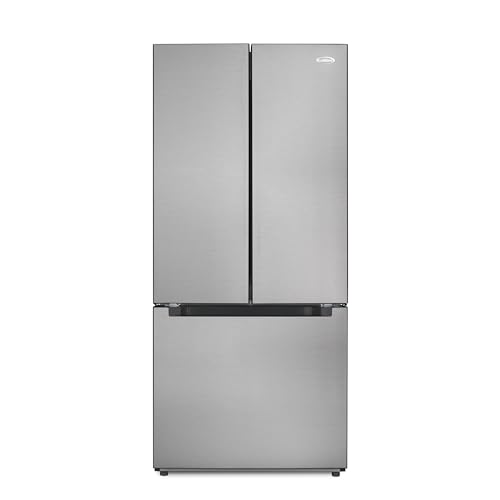
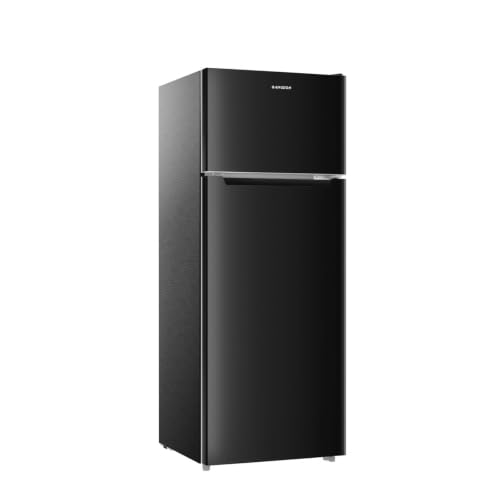


Key Features to Compare
Use the same six checks for every model you consider. A low price should never hide a fridge that is too small, too loud or too weak on warranty cover.
Configuration and Door Style
French door models put fresh food at eye level and suit wide platters, but they cost more and need room for two doors to swing. Side by side models give narrow doors for tight kitchens and equal fridge and freezer space, yet tall frozen items can be hard to fit. Top freezer and bottom freezer models cost less and keep frozen food in one wide space.
Capacity and Household Size
Plan on about 4 to 6 cubic feet of total capacity per person, then add room if you shop in bulk or host often. A couple often does well with about 14 to 18 cubic feet, while a family of four often needs about 20 to 25 cubic feet. Remember that maker figures count every shelf and bin, so usable space always feels smaller.
Temperature Control and Cooling Zones
Good cooling holds steady temperatures in both sections, so food lasts longer and flavors stay clean. Models with two evaporators cool the fridge and freezer apart, which helps keep leafy greens moist while frozen food stays dry. A convertible zone can switch between fridge and freezer use, which helps during holidays or party weeks.
Dimensions, Counter Depth and Door Clearance
Measure the niche width, height and depth, then measure every doorway and turn on the delivery path. Standard models often run about 30 to 36 inches wide and about 68 to 70 inches tall, while counter depth models sit closer to your cabinets and give up some inside room. Leave space behind and above the unit for air flow, and check that open doors clear counters and islands.
Reliability and Warranty
A strong warranty is a sign the maker will stand behind the compressor, the part that costs the most to repair. Look for at least five years of cover on the sealed system, and read what the cover pays for, since parts only cover is worth less than parts and labor cover. Simple models with fewer extras often have fewer parts to fail.
Energy Use and Noise Level
An ENERGY STAR model uses less power than a basic model of the same size, so it costs less to run each year. An inverter compressor adjusts its speed instead of switching fully on and off, which can cut noise and smooth out temperature swings. Noise matters most in open plan homes and small apartments, where the kitchen sits close to living and sleep areas.
Who Should Buy Which Refrigerator Type?
The right type depends on how you shop, cook and store food. Match your routine to one of the groups below before you compare prices.
Families Who Cook and Shop in Bulk
You need wide shelves, a large freezer and doors that hold gallons and tall bottles with ease. A french door model with a bottom freezer often fits this life best, since fresh food stays at eye level and wide trays slide in without a tilt. An ice maker in the door saves freezer room, but it adds a water line and a filter to maintain.
Small Kitchens, Renters and Compact Spaces
You need a fridge that fits a tight niche, opens without hitting a wall and still holds a full week of food. Counter depth models and narrow top freezer models suit this group, and compact and mini fridges can work as a main fridge only for one person with light cooking habits. Check the door swing direction and whether it can be reversed.
Hosts and Homes That Need a Second Fridge
You need overflow space for drinks, party trays and extra frozen food, often in a garage or utility room. A simple top freezer model makes a sensible second unit, since it costs less and has fewer parts to service. For drinks alone, see our guide to the best beverage refrigerators for small units built for cans and bottles.
A Short Checklist Before You Commit to a Fridge
Run through these questions before you pay. If you want a short list to start from, see our guide to the best recommended refrigerators and check each one against this list. That simple pass or fail view is what separates the best and worst refrigerators in daily use, not a long list of extra features.
- Does the fridge fit the niche and every doorway on the delivery path?
- Does the capacity match your household at about 4 to 6 cubic feet per person?
- Can the doors open fully without hitting a counter, wall or island?
- Does the warranty cover the sealed system for at least five years?
- Is the model ENERGY STAR rated, or is its yearly energy use clearly stated?
- Will the noise level suit your kitchen and nearby living space?
- Does the ice maker or dispenser fit your plumbing and your filter budget?
- Can shelves and bins adjust to hold your tallest pots and bottles?
Common Mistakes to Avoid
These errors are common because photos and store displays hide them. Each one can turn a sound fridge into a daily frustration.
- Buying on capacity alone leaves you with a fridge too deep for the niche and doors that block the walkway.
- Skipping the delivery path check means the new fridge stops at the front door and goes back on the truck.
- Ignoring vague specs and a short warranty leaves you paying for a compressor repair that cover would have handled.
- Trusting a flood of short, similar reviews without checking the full spec sheet can hide weak cooling or loud running.
- Choosing an ice maker and dispenser without a water line nearby adds plumbing cost you did not plan for.
- Filling every shelf on day one blocks air vents and leaves warm spots that spoil milk and greens early.
How to Make Your Refrigerator Last Longer
Set the fridge at 37°F and the freezer at 0°F, and check both with a simple fridge thermometer after a day of normal use. Keep food covered and leave space around items so cold air can move between shelves. Wipe door seals with warm water and mild soap, and test the seal by closing the door on a sheet of paper. If the paper slides out with no grip, the seal may need care or replacement.
Vacuum the condenser coils twice a year, since dust on the coils makes the compressor work harder and use more power. Leave airflow space around the unit, with a small gap at the back and top as the manual directs. If you plan a garage unit, see our guide to the best garage refrigerators for models built to handle wide temperature swings. Clean spills at once, because sticky residue can stain bins and hold odors that pass to fresh food.
FAQ
How much electricity does a refrigerator use?
A refrigerator typically uses about 300 to 800 kilowatt hours per year, depending on size, age and door style. Larger french door models with ice makers tend to sit at the high end of that range. You can check your own unit with a plug in energy meter over one full week. Multiply the weekly figure by 52 for a fair yearly estimate.
How long should a refrigerator last?
A refrigerator should last about 12 to 20 years with basic care. Simple top freezer models often reach the long end of that range, while feature heavy models may need repairs sooner. Start planning a replacement when repair quotes pass about half the price of a new unit. Age plus rising energy use is often a better signal than one single fault.
Are counter depth refrigerators worth it?
Yes, counter depth refrigerators are worth it if a flush look and clear walkways matter more to you than maximum storage. They keep the kitchen path open and make small rooms feel less crowded. The trade off is less inside room, often by about 3 to 6 cubic feet against a standard depth model of the same width. Hosts who store large trays may miss that space at once.
Can I put a refrigerator in the garage?
Yes, you can put a refrigerator in the garage if the model is garage ready for the temperature range in your area. Garage ready units are built to keep cooling when the room drops to about 38°F or rises to about 110°F. A standard kitchen fridge can stop cooling well in a cold garage, since its thermostat reads the room air. Place the unit away from direct sun and leave room for heat to escape.
What size refrigerator do I need for my family?
Most families need about 4 to 6 cubic feet per person, so a family of four usually lands near 20 to 25 cubic feet in total. Count usable space, not the headline figure, since thick doors, ice makers and deep bins take room from food storage. Add extra space if a teen shops for sports snacks or if you batch cook on weekends. When two sizes both fit, the larger one usually fills fast.
Wrapping Up
Judge every fridge with the same six checks: configuration, capacity, cooling, fit, warranty and energy use. Match the type to your household first, then let price decide between the models that pass. Use the product table above to compare size, capacity and cost side by side.
When you shop with a clear checklist, the best and worst refrigerators are easy to tell apart. Pick the simplest model that fits your space, holds your food and carries solid warranty cover, and it should serve your kitchen well for years.

