Best and Worst Dishwashers for 2026: Matching the Right Model to Your Routine
Disclosure: We may earn a commission when you buy through links on this page, at no extra cost to you. As an Amazon Associate I earn from qualifying purchases. Learn more

A use case guide to the best and worst dishwashers: capacity, noise, drying and racks, matched to your kitchen and routine.
There is no single model that suits every kitchen, and that is the real lesson behind best and worst dishwashers. A quiet, large machine that delights a family of five can be wasted money in a small apartment where you run three plates and a pan. Your routine and your space should decide the size, the noise rating, and the cycles you pay for.
This guide sorts dishwashers by use case rather than by brand. You will see which features matter for occasional use, daily family loads, and serious cooking, plus the sizing and care points that keep a machine pleasing after a year. Start with the comparison table below, then match each feature to the way you actually load and run your kitchen.





Who Should Buy Which Dishwasher?
Start with your routine. Count how often you run a load, how many people you cook for, and what fills your sink on a normal night.
For Occasional Users on a Budget
If you cook a few nights a week and mostly wash plates, glasses, and one or two pans, a basic full size model will do well. Look for an auto cycle, a soil sensor that adjusts water use to how dirty the load is, and a plastic tub if you want the lowest price. Expect to pay about $400 to $700 for this tier. If price is your first filter, see our guide to the best bargain dishwashers for how low cost models differ in racks and drying.
For Serious Home Cooks
Cooks who bake, roast, and use large pots need strong wash action and flexible loading more than extra delicate cycles. Prioritize a stainless tub, varied spray coverage, and racks that fold or adjust so stockpots and sheet pans fit without blocking the spray arms. A sanitize option helps with greasy roasting pans. You will usually pay about $700 to $1,200 for the stronger build and better racks.
For Busy Families Cooking Every Day
Families who fill the machine daily need capacity, speed, and simple loading that children and guests can manage without a lesson. Choose a full size model that holds about 14 to 16 place settings, offers a third rack for cutlery, and runs quietly enough for evening loads near living areas. A quick cycle helps when lunch boxes and bottles must be ready again by morning. Adjustable upper racks matter because tall bottles and bowls change from load to load.
Key Features to Compare
Features only matter when they change a real load. Read each factor below against your own dishes and kitchen layout.
Wash Cycles and Soil Sensors
Most homes rely on three cycles: auto, normal, and heavy. A soil sensor reads how cloudy the wash water is and adjusts time, temperature, and water use, so lightly soiled glasses do not get the same treatment as a pan of baked cheese. That adjustment saves water on easy loads and adds effort only when needed. Extra cycles such as delicate, quick, and sanitize are worth paying for only if you use them weekly.
Noise Level in dBA
Noise is rated in dBA, and lower numbers mean a quieter machine. Models rated at about 38 to 44 dBA are quiet enough for open plan kitchens and for running a load while you talk nearby. Ratings around 45 to 49 dBA are noticeable but still comfortable in a closed kitchen, while ratings at 50 dBA and above can interrupt conversation in the same room. If your kitchen opens into your living space, treat noise as a core feature.
Rack Layout and Third Rack
Rack design decides how much of a real meal fits in one load. A third rack is a shallow tray at the top for cutlery, utensils, and small lids, and it frees the lower rack for plates and pans when you remove the cutlery basket. Adjustable tines and a rack that rises or lowers help oddly shaped items sit securely. For a closer look at layouts, see our guide to the best dishwasher rack options and how tray shapes change loading.
Drying Performance
Drying is where many buyers feel let down, because cleaning and drying use different methods. Heated dry uses a heating element and dries plastics well, though it uses more energy. Condensation drying relies on a hot final rinse and a stainless tub that cools faster than the dishes, pulling moisture off them with little extra energy, but plastics often stay damp. Rinse aid helps water sheet off instead of beading, and it improves results with either method.
Tub Material and Energy Use
A stainless tub resists stains and odors, tolerates high heat, and supports condensation drying, while a plastic tub costs less and still cleans well for years. Look for ENERGY STAR certification if you run loads often, since certified models use less water and energy per cycle. Efficiency also comes from loading fully and choosing the auto cycle. A family running daily loads will feel the savings more than a household running two loads a week.
Dishwasher Types Compared by Kitchen and Routine
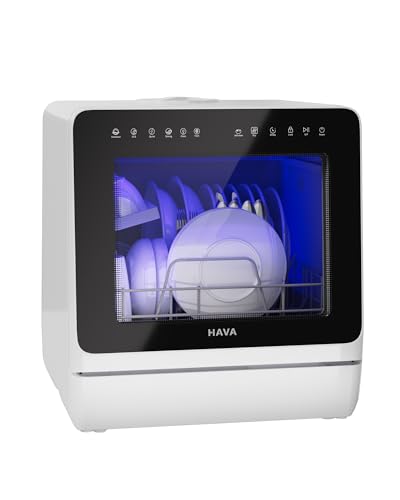
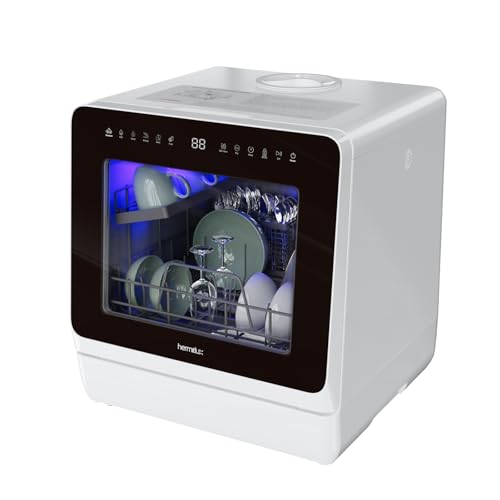
Once you know your routine, choose the format that fits your cabinets and household size. A standard built in model is 24 inches wide and suits most family kitchens, holding about 12 to 16 place settings. Compact 18 inch dishwashers fit narrow openings in small kitchens and homes for one or two people, holding about 8 place settings. Countertop dishwashers sit on the counter and connect to the faucet or a water tank, holding about 6 place settings, and they suit renters where cabinet work is not possible.
Format also affects installation. Built in models need a water line, a drain connection, and power, and most owners hire an installer. Countertop models need counter space and clearance under upper cabinets. This is where many shoppers see the split clearly, since the best and worst dishwashers for a given home are often the same machines judged by different kitchens. If you want a ranked shortlist after you pick a format, see our guide to the best ranked dishwashers to compare how models are ordered.
Measure the opening rather than the old machine before you shop. Record width, height, and depth, and allow room for the door to open fully. Confirm where your water shutoff, drain, and outlet sit, because moving plumbing adds far more cost than the price gap between two similar models.
Common Mistakes to Avoid
- Choosing on price alone, so you save money at checkout and then live with weak drying and racks that fight every load.
- Ignoring the noise rating in an open plan home, so evening loads become too loud for the room where you relax.
- Buying a full size machine for a two person home, so you wait days for a full load and dishes sit dirty meanwhile.
- Skipping the cabinet measurements, so the new machine arrives and does not fit the opening or blocks a nearby drawer.
- Pre rinsing every dish out of habit, so the soil sensor reads a clean load and shortens a cycle that still needed heat and time.
Care and Maintenance for Dishwashers
Simple habits keep wash results steady and prevent most odor complaints. Clean the filter monthly by removing it from the tub floor, rinsing it under running water, and brushing away residue, since a clogged filter recirculates food particles onto clean dishes. Scrape plates into the trash or compost rather than rinsing them first, and load large items so they do not block the spray arms. Run hot water at the sink until it feels hot before you start, so the first fill enters warm.
Check the spray arms every few months and clear blocked holes with a toothpick, and wipe the door edge and gasket where grime collects. Use the detergent amount your manual recommends for your water type, and keep rinse aid filled if glasses come out spotted. Choosing the right products matters here, so see our guide to the best dishwasher detergents for how pods, powders, and gels suit different water conditions.
FAQs About Choosing a Dishwasher
How long do dishwashers last?
Most dishwashers last about 9 to 13 years with normal use. Life span depends more on water quality, load frequency, and basic care than on price alone. Hard water shortens the life of heaters when scale builds up, so homes with very hard water benefit from prompt repair of small leaks. When repair costs approach half the price of a comparable new model, replacement usually makes more sense.
How quiet should a dishwasher be for an open plan kitchen?
Aim for 44 dBA or lower if your kitchen shares space with dining or living areas. At that level you can hold a normal conversation while a load runs. Also check for a delay start option, since scheduling the cycle for after bedtime is a practical answer in a studio or small apartment, even when the machine is not the quietest in its class.
Is a third rack worth it in a dishwasher?
A third rack is worth it if you wash many utensils, lids, and small items that otherwise crowd the main racks. One tradeoff is height: on some models the top tray reduces clearance below, so tall glasses may only fit when the middle rack sits in its lowest position. Measure your tallest glass against the stated clearance before you pay extra for the tray.
Do I need to rinse dishes before loading a dishwasher?
No, you should scrape dishes but not rinse them before loading. Modern detergents need some food soil to work as designed, and the wash system handles normal residue. A useful exception is leafy greens, oatmeal, and spinach, which cling and can redeposit on glasses, so knock those off fully. If dishes will sit for more than a day, a quick rinse cycle without detergent limits odor.
The Bottom Line
Start with format and size, then weigh capacity, noise in dBA, and drying method against your routine, and let extra cycles earn their cost only when you will use them weekly. A well matched basic model will serve a small household better than a large premium machine that never runs full. Compare your shortlist in the product table above, and apply the best and worst dishwashers lesson that fits your kitchen: the right match matters more than the longest feature list.