Best AC Heat Pumps: Sizing, Types and Features for 2026
Disclosure: We may earn a commission when you buy through links on this page, at no extra cost to you. As an Amazon Associate I earn from qualifying purchases. Learn more
Mini splits, window and RV heat pumps compared by size, efficiency and climate, so you can choose the best ac heat pumps for your home or room.
An AC heat pump cools your home in summer and heats it in winter with one unit, which is why so many owners replace separate air conditioners and space heaters with it. The best ac heat pumps match your room size, climate and power supply, and they come as ductless mini splits, window and through the wall units, or RV roof units. The product table above lines up popular models, and this guide explains how to choose.
Sizing is the most common mistake, so start with your square footage, your local winters and whether you have 115V or 230V power available.


Types of AC Heat Pumps
Ductless Mini Splits
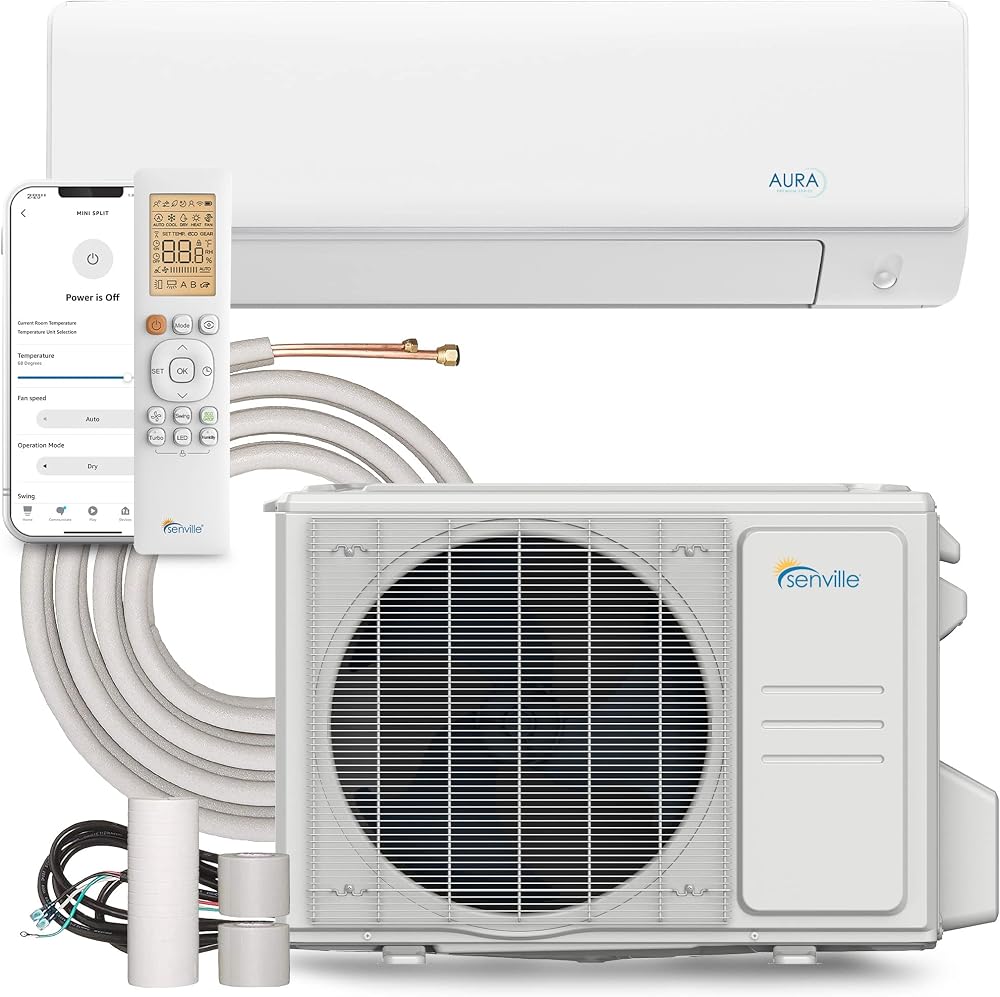
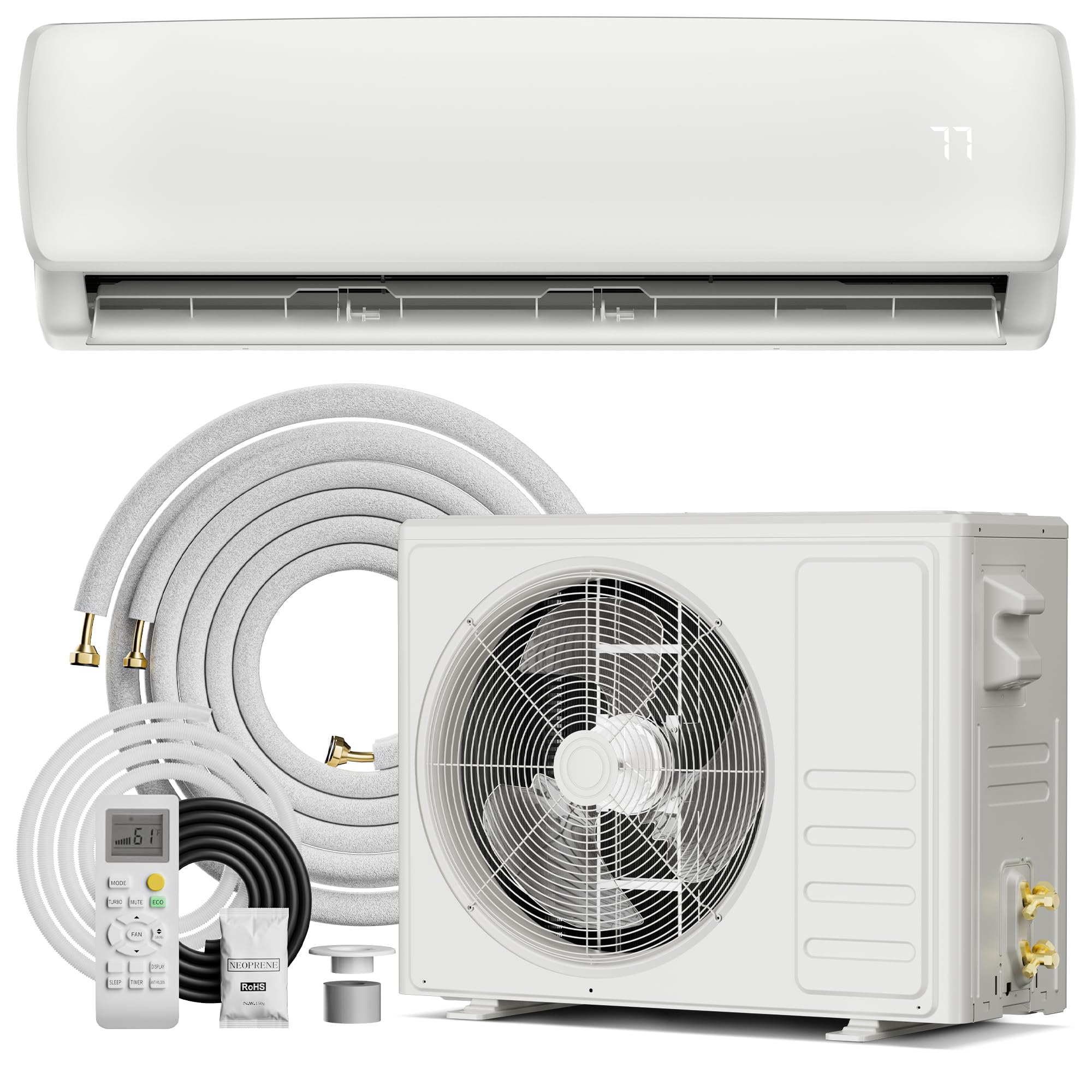
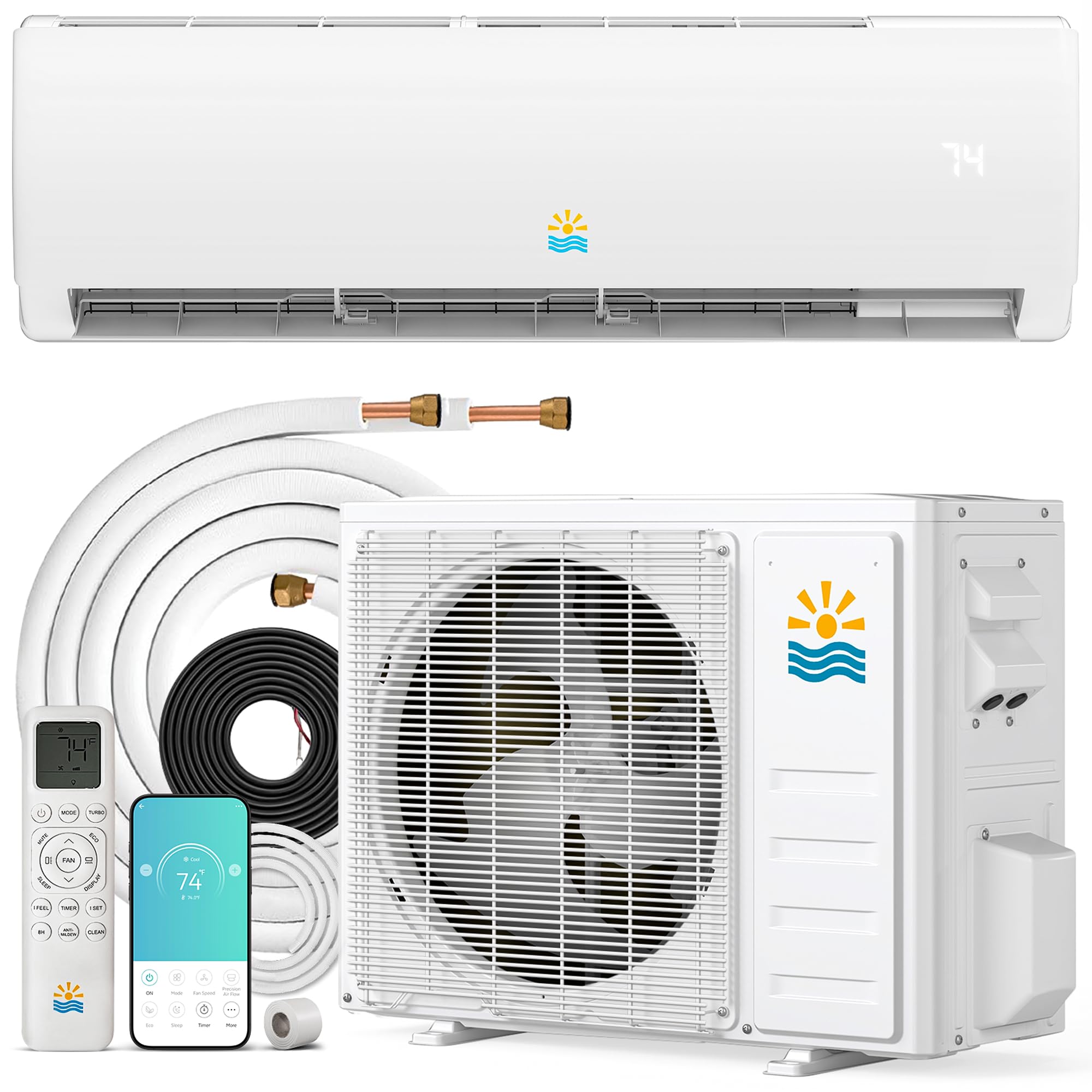
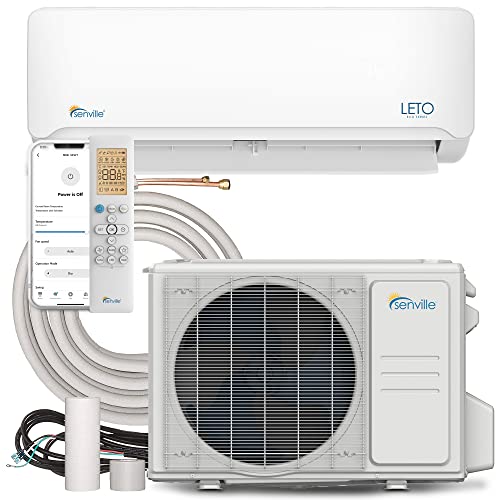
A mini split pairs an outdoor compressor with one or more wall mounted indoor heads linked by a small refrigerant line. It is quiet, efficient and ideal for additions, garages, workshops and homes without ducts. Some 115V models are sold as do it yourself kits with pre charged lines, while larger 230V systems usually need a licensed installer.
Window and Through the Wall Units
These self contained units fit in a window or a wall sleeve and offer both cooling and heat. They suit single rooms and rentals where a mini split is not allowed. Capacity is smaller and they are louder, but installation is simple.
RV and Specialty Roof Units
RV air conditioners with a heat pump function mount on the roof and run on 110 to 120 volts. They add mild weather heating without a propane furnace. Check roof opening size and whether your RV is ducted before buying.
Who Should Buy Which AC Heat Pump?
Homeowners With a Room Addition or Garage
A single zone mini split in the 9,000 to 18,000 BTU range handles most additions, home offices and garages. Size it to the room, not to your wish for fast cooling, and pick a model rated for the winter temperatures where you live.
Owners of Larger Homes
A dual or multi zone system of 24,000 BTU or more can serve several rooms from one compressor. Expect professional installation, and compare each model's rated efficiency before comparing price.
Renters and Small Space Owners
Window units or portable heat pump models avoid permanent installation. Check the building rules and the window size, and look for a quiet fan setting if you sleep in the same room.
Key Features to Compare
BTU Capacity and Room Size
A rough guide is about 20 BTU per square foot, adjusted for ceiling height, sun exposure and insulation. An oversized unit cycles on and off and cools poorly, while an undersized one runs all day. Match the capacity to the room rather than aiming high.
SEER2 and HSPF2 Efficiency
SEER2 measures cooling efficiency and HSPF2 measures heating efficiency. Higher numbers cost more up front and use less power over time, which pays back when the unit runs many hours a year. Inverter driven models vary their speed instead of cycling, so they run quieter and hold temperature better.
Cold Climate Performance
Standard heat pumps lose heating output as temperatures fall. If your winters are cold, look for models rated to keep heating at low outdoor temperatures and read the manufacturer's capacity chart for your climate. Keep a backup heat source if outdoor temperatures drop below the unit's rated range.
Voltage, Installation and Line Length
Many 12,000 BTU mini splits run on standard 115V, while larger units need a 230V circuit. Check the refrigerant line length included, the electrical requirements and whether the system comes pre charged. Handling refrigerant legally requires certification in many places, so ask a licensed installer when the kit is not pre charged.
Noise, Controls and Smart Features
Look at indoor and outdoor sound ratings, a sleep mode, a timer and a remote. Wifi control through an app lets you set schedules and adjust the temperature from your phone. These features are nice to have, but sizing and efficiency matter more.
A Simple Sizing Example
Say you want to cool and heat a 450 square foot room addition with eight foot ceilings, average insulation and one sunny window. A 12,000 BTU single zone unit is a sensible starting point, because it covers roughly 400 to 550 square feet. If the room faces west, has a vaulted ceiling or holds a lot of equipment, move up to 18,000 BTU. If it is well insulated and shaded, 9,000 BTU may be enough.
Write down the room size, ceiling height, window count and your coldest typical winter temperature before you shop. Those four facts let you compare capacity charts quickly and rule out models that cannot keep up in January or July.
What Your Money Gets You
Window and portable heat pump units cost a few hundred dollars. Single zone mini splits range from roughly $400 to $1,500 for 115V units and rise for larger multi zone systems. Professional installation can add $1,000 or more. Spending more usually buys higher efficiency, quieter operation, longer warranties and better cold climate heating.
Common Mistakes to Avoid
- Buying a unit too large for the room, which causes short cycling and humidity problems.
- Ignoring cold climate ratings in a region with freezing winters.
- Forgetting the electrical needs, such as a dedicated circuit or breaker size.
- Choosing the cheapest unit without checking the warranty and parts support.
- Installing refrigerant lines without the proper tools or certification.
Care and Maintenance
Clean or replace the indoor filter every month or two in heavy use. Keep the outdoor unit clear of leaves, snow and debris, and trim plants about two feet back. Have a technician inspect the system yearly, check that the condensate drain flows freely and clean the indoor coil when needed. Always follow the manufacturer's instructions for service.
Related Guides
If you are comparing units for the whole house, read our guide to the best heat pumps for homes. If you need a single room solution, see the best window heat pumps.
Frequently Asked Questions
What size AC heat pump do I need?
As a rough starting point, allow about 20 BTU per square foot, then adjust for ceiling height, insulation and sunlight. A 12,000 BTU unit often suits a room of 400 to 550 square feet. A professional load calculation gives the most reliable answer.
Can a heat pump heat my home in winter?
Yes, in most climates, and cold climate models keep heating at low outdoor temperatures. In very cold regions you may still want a backup heat source. Check the rated output at your coldest typical temperature.
Can I install a mini split myself?
Some pre charged kits are designed for do it yourself installation, but electrical work and refrigerant handling carry legal and safety requirements in many places. Hire a licensed professional if you are unsure.
How much does it cost to run a heat pump?
Running cost depends on efficiency, local power prices and how many hours it runs. High efficiency inverter models typically use less electricity than older air conditioners or electric resistance heaters. Compare SEER2 and HSPF2 numbers between models.
How often should I service my heat pump?
Clean filters every month or two and schedule a professional inspection once a year. Regular care keeps efficiency high and helps protect your warranty.
Final Thoughts
Size the unit to the room, check the cold weather rating and confirm the power supply before comparing prices. Use the table above to line up capacity, efficiency and price, and choose the best ac heat pumps for your space and climate.