
Best Area Rugs for Family Room 2026: Durable and Welcoming
Disclosure: We may earn a commission when you buy through links on this page, at no extra cost to you. As an Amazon Associate I earn from qualifying purchases. Learn more

The best area rugs for family room use survive kids, pets, and daily life with durable fibers, easy stain care, and layouts that keep the room welcoming.
Choosing the best area rugs for family room use means balancing comfort, durability, and cleaning, since this room hosts movie nights, homework, pets, and guests. A rug that looks perfect in a showroom may stain, slip, or wear thin under real family life. This guide explains fibers, sizes, and care routines that keep a family room rug looking good for years.
The comparison table below lists rug materials, pile types, and cleaning needs side by side. Use it to match a rug to your household, whether that means toddlers, dogs, teenagers, or frequent entertaining. Measure your seating plan before buying, since size mistakes cause more regret than color mistakes in family rooms.

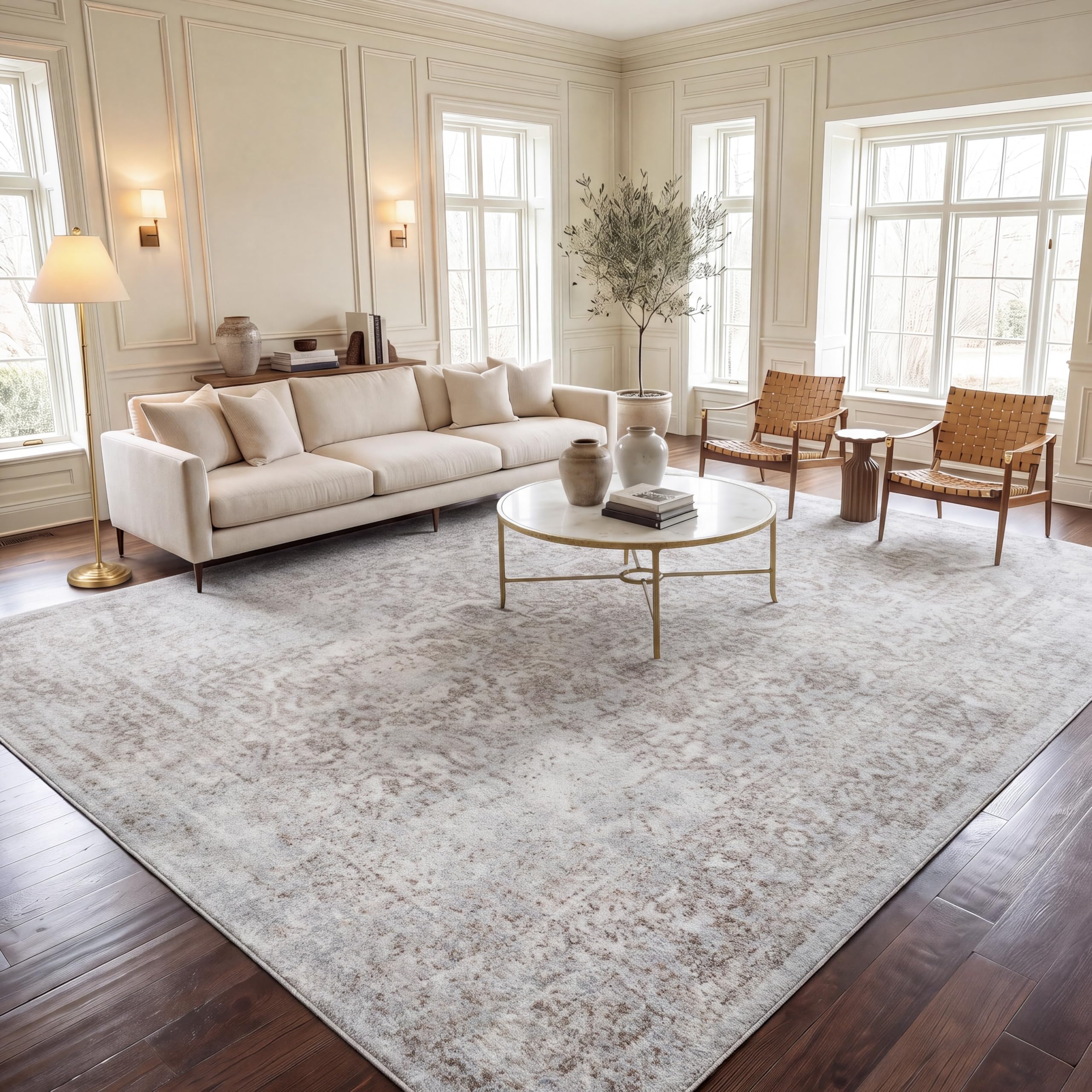
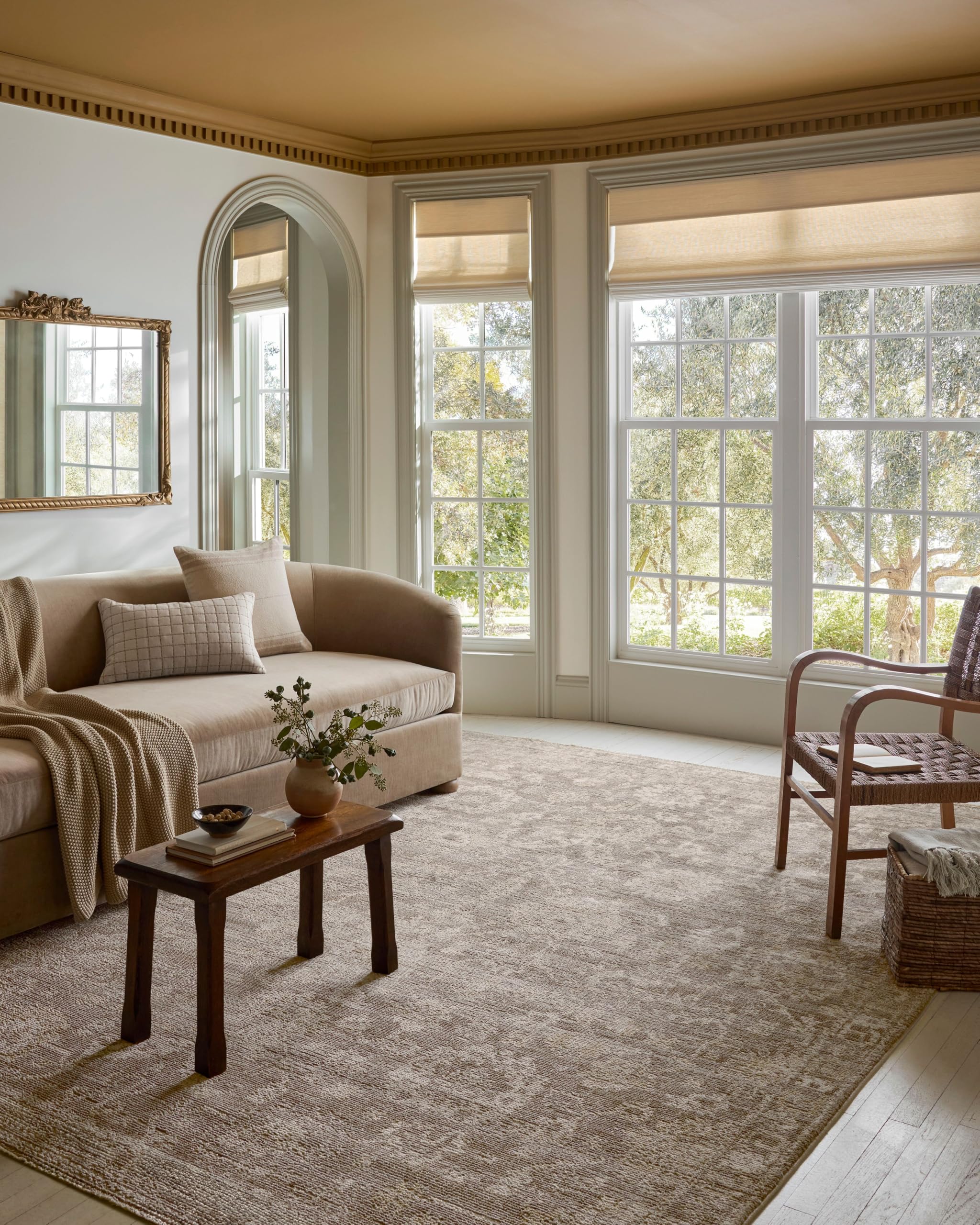
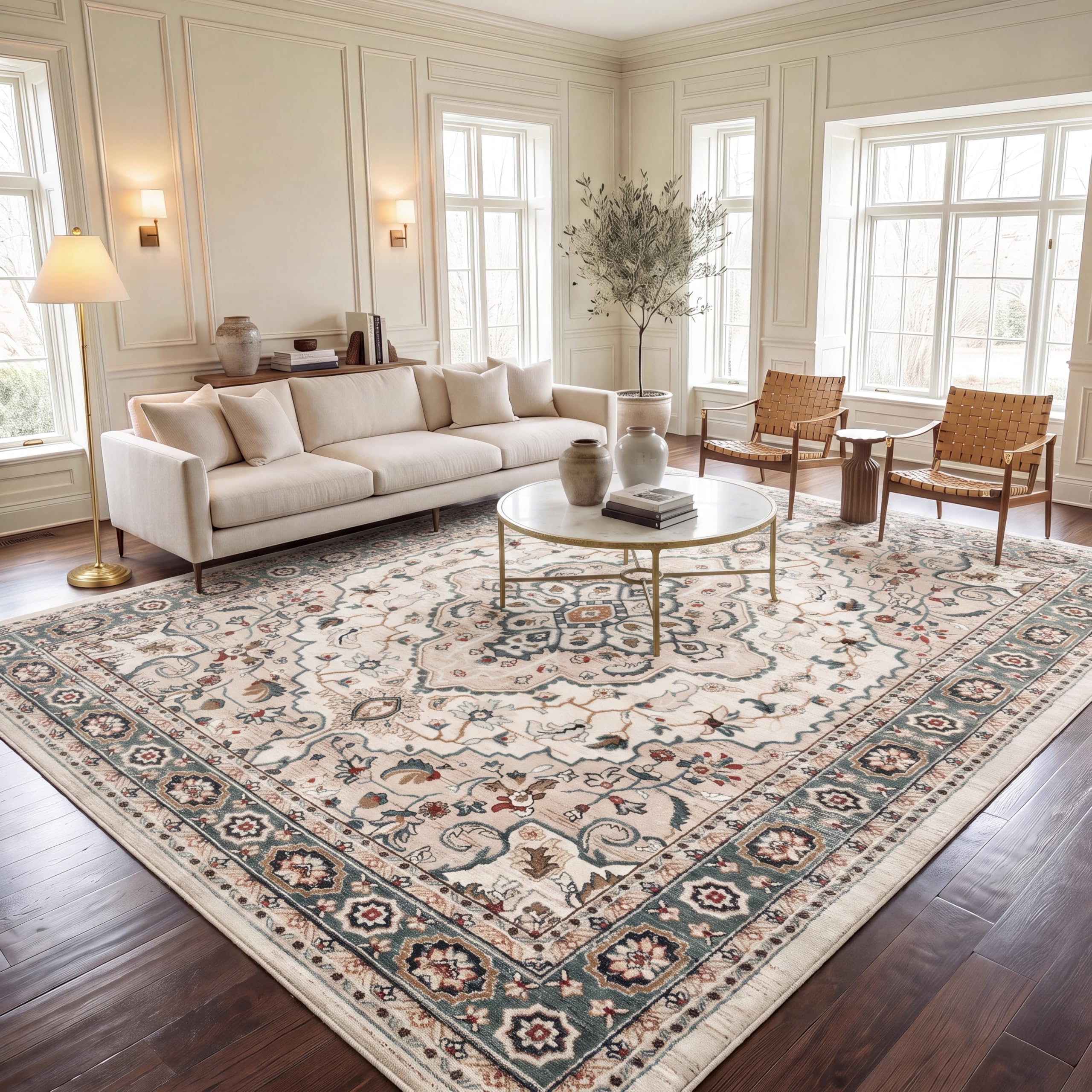




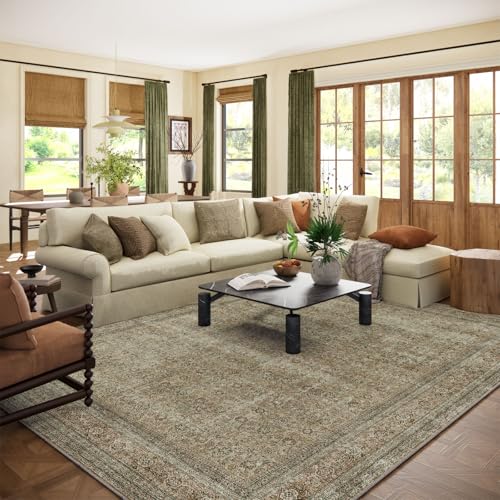
Durability in the Best Area Rugs for Family Room Use
Family rooms need rugs built for traffic, spills, and play. Synthetic fibers such as polypropylene and nylon resist stains and wear well, while wool offers natural resilience and a softer feel at a higher price. Short, dense pile hides wear better than long shaggy pile, which traps crumbs and shows traffic paths quickly.
Check the rug backing and edge finishing too, since family rugs get pulled, vacuumed, and moved often. Bound edges resist fraying better than loose fringes, which children and pets tug. A rug pad beneath adds cushioning, stops slipping, and extends rug life by absorbing impact, so budget for a pad as part of the purchase rather than an optional extra.
Stains, Spills, and Cleaning Reality
Spills are inevitable in a family room, so stain resistance deserves top priority. Solution dyed synthetics resist juice, coffee, and pet accidents better than natural fibers, and many clean with simple blotting and mild soap. Darker patterns and mid tones hide light soiling between cleans, while very pale rugs show every mark and demand constant attention.
Build a cleaning routine you will actually follow. Vacuum high traffic areas several times a week, blot spills at once rather than rubbing, and test any cleaner on a hidden corner first. Professional cleaning once a year revives pile and removes deep dirt, but daily habits matter more than annual deep cleans for keeping a family rug presentable.
Size and Layout That Work
Size shapes how a room feels. A rug large enough for the front legs of sofas and chairs anchors the seating group and feels generous underfoot, while a small rug floating in the middle looks lost and trips feet. Measure the seating arrangement and leave a consistent margin of floor around the rug, usually enough to walk comfortably without stepping half on and half off.
Consider doorways and walkways too, since a rug that blocks a door or bunches underfoot becomes a hazard. Low pile rugs suit door clearances better than thick pile, and a rug pad with grip keeps edges flat. If your room serves several zones, such as seating and play, one large rug often works better than two small ones that drift apart.
Pets, Kids, and Allergies
Pets add hair, claws, and occasional accidents, so choose pile that releases hair easily and resists snagging. Short loop or low cut pile suits claws better than long loops, which catch and pull. Washable rugs or rugs with removable covers suit homes with young pets, since accidents can be laundered rather than scrubbed repeatedly.
For allergies, vacuum often with a filtered machine and choose rugs that do not trap excessive dust. Wool naturally resists dust mites better than some synthetics, but regular vacuuming matters more than fiber choice alone. Keep a washable throw over the rug in pet nap spots, since it catches hair and protects the rug beneath with little effort.
Color, Pattern, and Room Style
Pattern hides wear and stains better than solid color, so busy or textured designs suit active family rooms. Mid tones in warm neutrals blend with changing furniture and hide crumbs, while bold colors anchor a room but limit future redecorating. Consider how the rug looks in your actual light, since shop lighting flatters colors that look different at home.
Order samples or check the return policy before committing, and view the rug in daylight and evening light. A pattern that looks lively in a shop may feel busy in a small room, while a subtle texture may vanish under furniture. Live with the rug for a week before deciding, since first impressions change once toys, pets, and daily life take over.
Budget and Longevity
Family rugs face hard use, so spending more on durability often saves money over replacing a cheap rug yearly. Compare cost per year rather than shelf price, and weigh cleaning costs too, since a rug that needs constant professional cleaning costs more than its price suggests. Mid range synthetics often give the best balance of durability, cleaning ease, and price for family rooms.
Keep the receipt and care instructions, and note the maker cleaning guidance for warranty purposes. Rotate the rug occasionally to even out wear and sun fading, especially near windows. A rug that survives family life with simple care is worth more than a delicate showpiece that spends its life protected from the family it was bought for.
Rug Pads and Floor Protection
A rug pad protects both the rug and the floor beneath it, and it adds comfort that the rug alone cannot provide. Pads cushion footsteps, reduce wear from furniture movement, and stop the rug from sliding on hard floors, which matters greatly with children running through the room. Choose a pad slightly smaller than the rug so edges lie flat and do not curl upward into a trip hazard.
Pad materials vary by floor type. Grip pads suit hard floors, while cushioned felt pads suit carpets and add softness underfoot. Replace pads when they flatten, crumble, or lose grip, since a worn pad stops protecting the rug and can trap dust beneath it. A good pad costs a fraction of the rug yet extends its life noticeably, making it one of the smartest additions to a family room.
Related Rug Guides
- Room specific sizing and furniture layouts for different room shapes: best rugs for family room.
- Kid and pet friendly options across materials and price bands: best area rugs for families.
- Formal and relaxed looks for the room next door: best area rugs for living room.
- Stain care and durability for family friendly living rooms: best living room rugs for families.
- Chair movement and cleaning in dining zones: best area rugs for dining room.
Frequently Asked Questions
What rug material is best for a family room?
Polypropylene and nylon suit most family rooms, since they resist stains, wear, and cleaning better than delicate natural fibers. Wool offers a softer feel and natural resilience but costs more and needs gentler stain care. Short dense pile hides traffic better than long shaggy pile, which traps crumbs and shows paths quickly. Choose by your household mix of kids, pets, and spills rather than by showroom looks alone.
How big should a family room rug be?
A rug should be large enough for the front legs of sofas and chairs to sit on it, which anchors the seating group and feels generous underfoot. Measure your furniture plan and leave a consistent floor margin around the rug for walking. A rug that floats in the middle of the room looks lost and creates a trip edge. When in doubt between two sizes, the larger one usually suits a family seating area better.
Are washable rugs good for family rooms?
Washable rugs suit family rooms well, since spills, pet accidents, and muddy feet can be laundered rather than scrubbed. Check machine size limits and backing care, since some washable rugs stiffen or shrink with repeated washing. Air dry fully before laying it back down to avoid damp floors and odors. Keep a spare rug so the room stays usable while one rug washes and dries.
How do I remove pet hair from a rug?
Vacuum often with a brush head suited to your pile, and use a rubber squeegee or damp rubber glove for stubborn hair between vacuums. Short pile releases hair more easily than long shaggy pile, which traps it deep. A washable throw over pet nap spots catches most hair before it reaches the rug. Regular grooming of pets also reduces the hair load on every surface in the room.
Should I use a rug pad under a family room rug?
Yes, a rug pad improves safety, comfort, and rug life in a family room. It stops slipping on hard floors, cushions impact, and reduces wear from furniture movement. Choose a pad sized slightly smaller than the rug so edges lie flat, and pick a grip style suited to your floor type. Replace pads when they flatten or lose grip, since a worn pad stops protecting the rug.
Final Thoughts
The best family room rug survives daily life with simple care: durable fibers, stain resistance, a size that anchors the seating group, and a pad that keeps it safe underfoot. Pattern and mid tones hide the marks of real living, while regular vacuuming and prompt spill care do more than any miracle fiber claim.
Use the product table above to compare materials and pile types, then try your shortlist at home during the return period. A rug that welcomes kids, pets, and guests without constant worry is one of the best area rugs for family room use.


