Best Area Rugs for Living Room: Size Guide 2026
Disclosure: We may earn a commission when you buy through links on this page, at no extra cost to you. As an Amazon Associate I earn from qualifying purchases. Learn more

Choose the best area rugs for living room use with advice on size, placement, pile, material, cleaning, and safety for busy family homes.
Shopping for the best area rugs for living room use can feel confusing, because every listing promises softness and style and few explain the trade offs in plain language. This guide focuses on what actually matters in a living room: size, pile height, material, color, and the pad underneath.
The product table gives a quick overview of the main options, and the sections that follow explain each choice in detail. Read the whole guide if you are buying for the first time, or jump to the sections that match your biggest question.


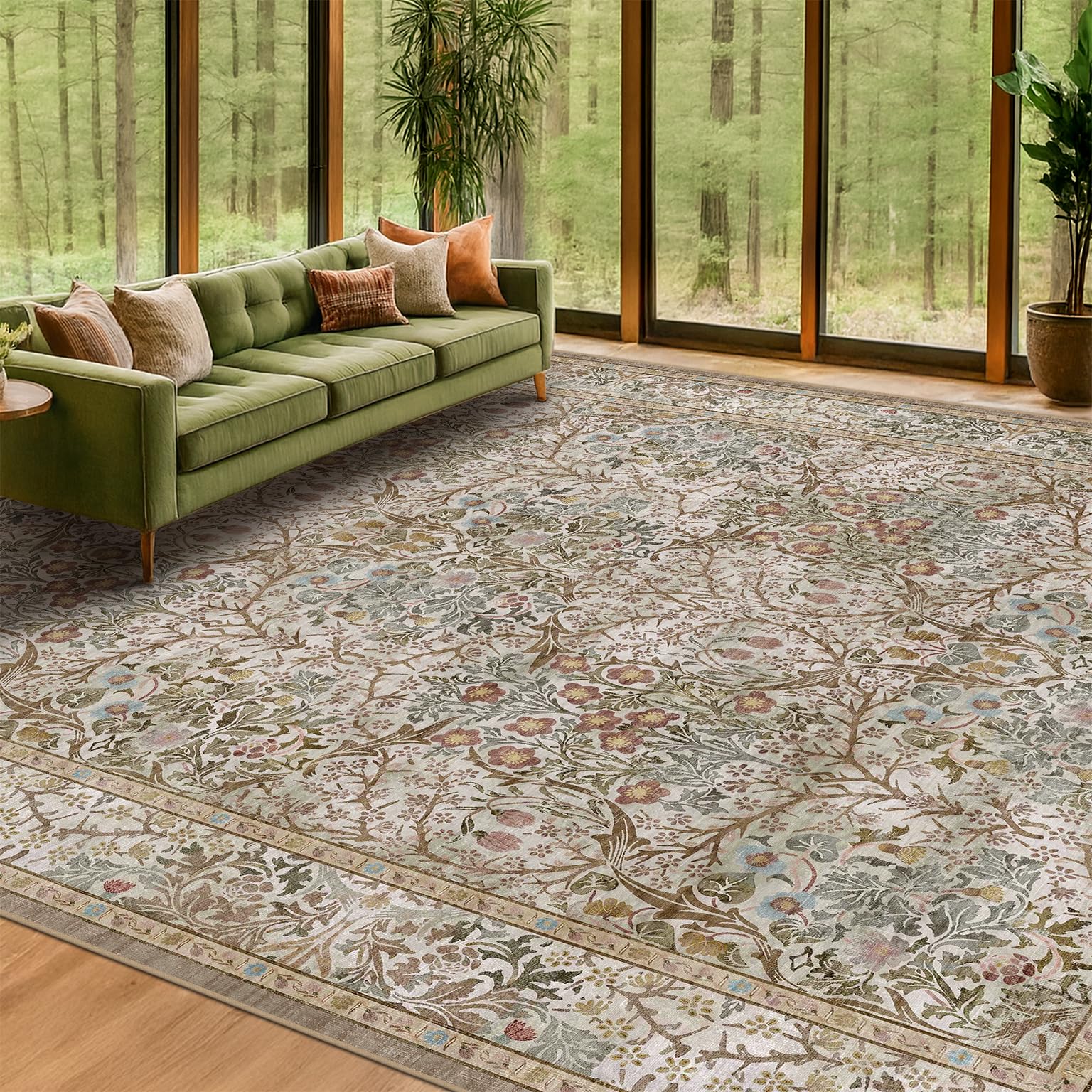
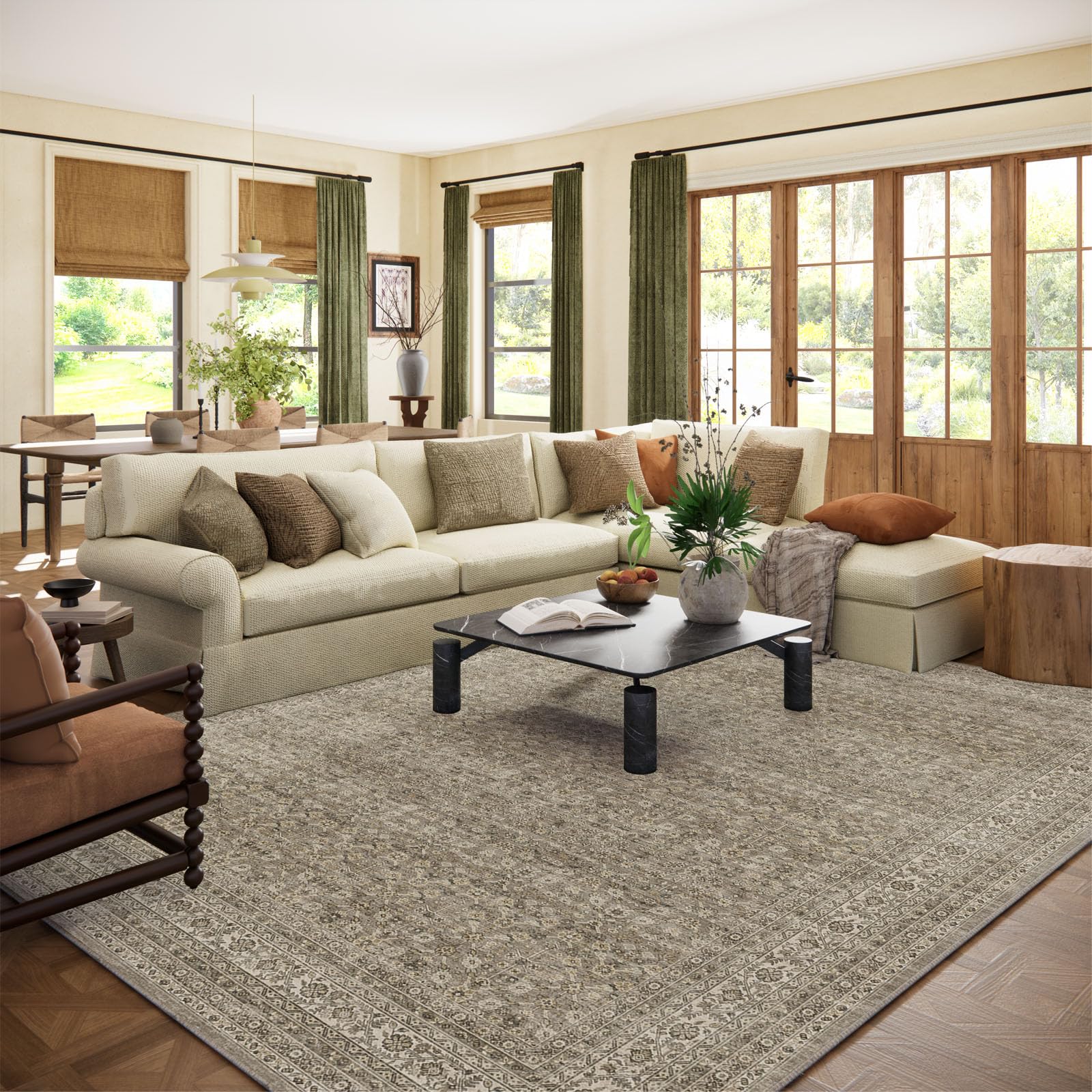
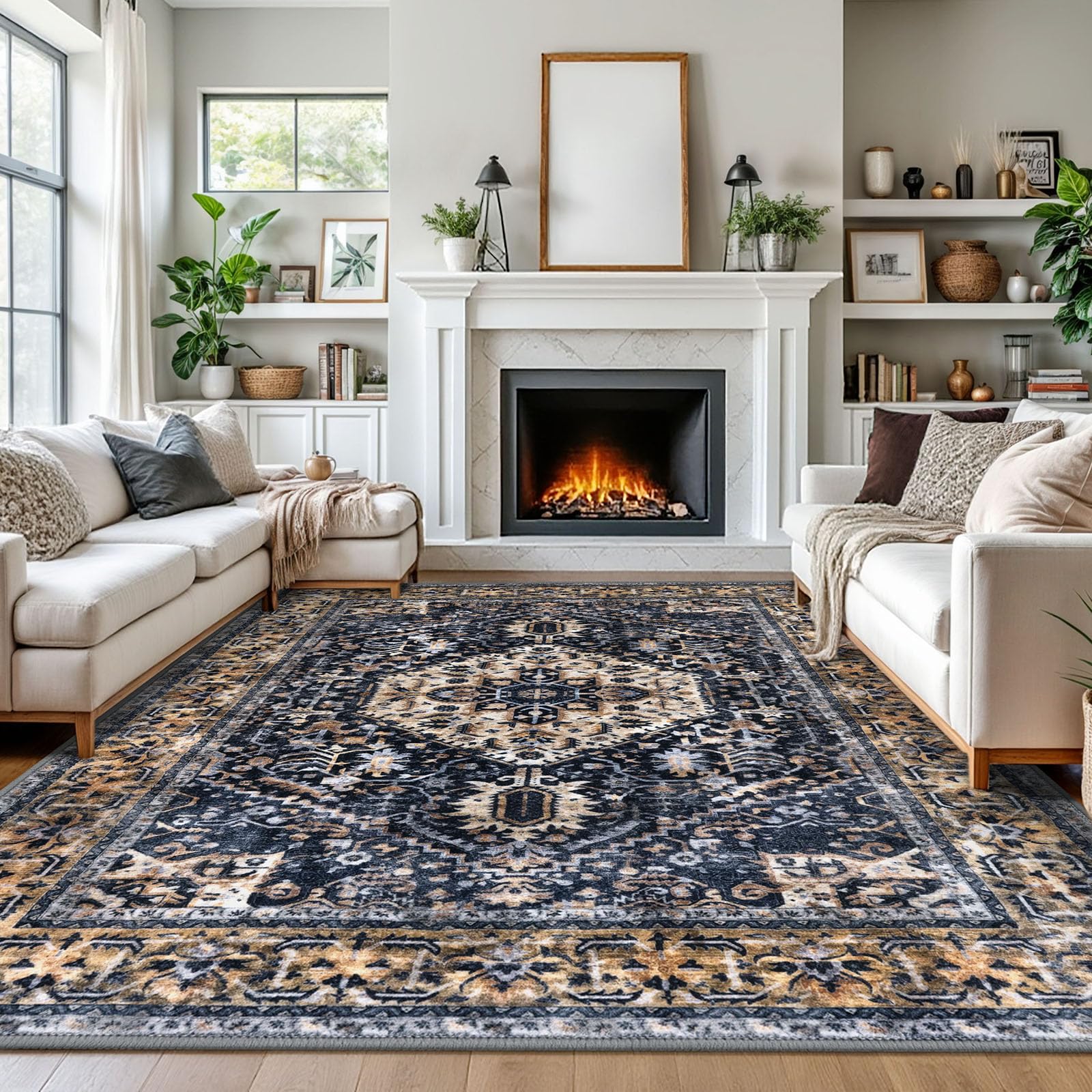
Who Should Use This Guide
Homeowners refreshing a living room, renters who cannot change flooring, and families with pets or children all use rugs to add warmth and define space. Your room layout matters more than any single rug style: a rug that anchors the seating area will transform a room, while a rug that floats alone in the middle will look lost whatever its quality.
Before you compare models, write down your main use, your budget range, and the one feature you will not compromise on. That short list will filter out most options quickly and keep you from paying for features that sound impressive but never change your daily experience. The product table above shows the main types at a glance, while the detail below helps you judge them.
Key Features of the Best Area Rugs for Living Room Use
Size and Placement That Anchor the Room
The front legs of sofas and chairs should sit on the rug, with enough rug extending beyond the seating to feel generous. Measure your seating area, tape the outline on the floor, and live with the outline for a day before you buy. A rug that is too small is the most common living room mistake, and it is easy to avoid with a tape measure.
Pile Height and Feel Underfoot
Low pile rugs are easy to clean, suit dining areas and homes with pets, and allow doors and furniture to move freely. High pile rugs feel luxurious and warm, but they trap dust and show footprints more readily. Think about bare feet, vacuum cleaning, and whether chairs will roll or slide across the rug daily.
Material and Durability for Real Life
Wool offers natural resilience and warmth, cotton is soft and often washable, and synthetic fibers resist stains and fading. Homes with pets, children, or high traffic benefit from durable, easy to clean materials, while low traffic rooms can prioritize softness and texture. Check cleaning instructions before you fall in love with a material.
Color and Pattern That Last
A rug covers a large area, so its color sets the mood of the room. Neutral rugs suit changing furniture and accessories, while bold patterns hide stains and add character. If you redecorate often, choose a rug that works with several color schemes rather than one that matches a single sofa perfectly.
Rug Pads for Safety and Longevity
A good rug pad stops slipping, protects the floor, adds cushioning, and helps the rug last longer by reducing wear. Pads matter most on hard floors, in homes with children or older adults, and under heavy furniture. Choose a pad sized slightly smaller than the rug, and check that it suits your floor type.
Living Room Rug Types Compared
Flatweave rugs suit high traffic and easy cleaning, shag rugs suit cozy low traffic rooms, and hand knotted rugs suit buyers who value craftsmanship and long life. Machine made rugs offer good value and consistent patterns, while handmade rugs offer unique character at a higher price. Washable rugs suit pets, children, and dining areas where spills are likely.
Common Mistakes to Avoid
Buying too small, skipping a rug pad, choosing high pile for a dining area, and ignoring cleaning needs are the most common errors. Another mistake is matching the rug exactly to the sofa instead of to the room as a whole. Measure first, check cleaning instructions, and view the rug in your own lighting before committing.
Setup and Everyday Care
Vacuum regularly, rotate the rug every few months to even out wear and fading, and blot spills immediately rather than rubbing them. Follow the maker's cleaning advice, and test any cleaner on a hidden corner first. Professional cleaning suits wool and handmade rugs, while many washable rugs can go in a machine if the care label allows it.
For related choices, see our guides to the best soft area rugs for living room, best area rugs for neutral living room, best quality rugs for living room, best wool rugs for living room, and best washable rugs for living room.
Choosing With Confidence
Before you buy, tape the rug outline on your floor, live with it for a day, and check door clearance, furniture placement, and walking paths. View the color in your own lighting at different times of day, because shop lighting flatters many rugs. Check cleaning instructions against your household reality, especially with pets or children, and confirm return terms in case the rug looks different at home.
Budget Tiers in Plain Terms
Budget rugs offer good looks and practical materials for first homes, rentals, and high traffic rooms where replacement is likely. Midrange rugs add better materials, denser pile, and longer life for main living rooms. Premium and handmade rugs offer unique character and decades of life for buyers who value craftsmanship and can care for them properly. Choose the tier that fits how long you plan to keep the rug.
A Closer Look at Everyday Use
Think about the room as a whole, because a rug interacts with furniture, flooring, lighting, and traffic paths, not just with the sofa it sits under. A rug in a sunny room will fade unevenly unless you rotate it, and a rug near an exterior door will collect dirt unless you place a mat at the entrance and vacuum frequently.
Consider children and pets honestly: a light colored, high pile rug in a busy family room will show every spill and paw print, while a patterned, low pile rug hides wear and cleans easily. A large rug also softens echo in rooms with hard floors, which makes conversation and television more pleasant.
Measure door swings, check that chairs slide or roll freely, and confirm that the rug pad suits your floor type, because the wrong pad can damage some finishes. A rug that fits the room, the household, and the cleaning routine you will actually follow will look good for years rather than months.
Frequently Asked Questions
What size rug should I buy for a living room?
Choose a rug large enough for the front legs of your main seating to sit on it, with extra rug visible around the seating group. For most living rooms this means a generous size rather than a small accent rug. Measure your seating area, tape the outline on the floor, and adjust until the proportions feel balanced from the doorway.
Should a rug go under the coffee table only?
A rug under only the coffee table usually looks too small and disconnected from the seating. It is better for the rug to extend under the front legs of sofas and chairs, so the seating group feels anchored together. If budget limits size, a larger simple rug often looks better than a smaller ornate one.
Are wool rugs worth the higher price?
Wool rugs offer natural resilience, warmth, and a long life when cared for, which can make them good value over many years. They need regular vacuuming and occasional professional cleaning, and they may shed initially. If your room has high traffic, pets, or frequent spills, a durable synthetic rug may be more practical despite wool's appeal.
How do I stop a rug from slipping?
Use a rug pad suited to your floor type, sized slightly smaller than the rug, and check it regularly for wear. Pads grip hard floors, add cushioning, and protect both rug and floor. For extra safety in homes with children or older adults, choose a pad with strong grip and replace it when it flattens or loses hold.
Can I put a rug over carpet?
Yes, layering a rug over carpet can define a seating area and add color, but it needs a suitable pad to prevent bunching and slipping. Choose a low pile rug for layering, and check that doors and furniture still move freely. A rug over carpet works best in large rooms where the layers add texture without creating a trip hazard.
Final Thoughts
Choosing well is mostly about matching the product to your real life, not about finding a perfect option. Use the product table above to narrow the types, use the detail in this guide to judge features, and trust a choice that fits your budget, your routine, and your comfort. If you keep that focus, best area rugs for living room will serve you well for a long time, and you will know exactly why you chose it.