Best Area Rugs for Neutral Living Room: Matching the Right Rug to Your Routine for 2026
Disclosure: We may earn a commission when you buy through links on this page, at no extra cost to you. As an Amazon Associate I earn from qualifying purchases. Learn more

Match the best area rugs for neutral living room spaces to your routine, with plain guidance on shade, size, fiber, pile, and care for calm rooms.
There is no single neutral rug that suits every living room, because neutral covers warm beige, cool gray, soft white, and a dozen shades between. The best area rugs for neutral living room spaces are the ones matched to your light, your furniture, and how hard the room gets used each day.
This guide sorts buyers by routine first, then explains the features that actually change how a neutral rug looks and wears. When you want to compare sizes and shades side by side, start with the comparison table below.





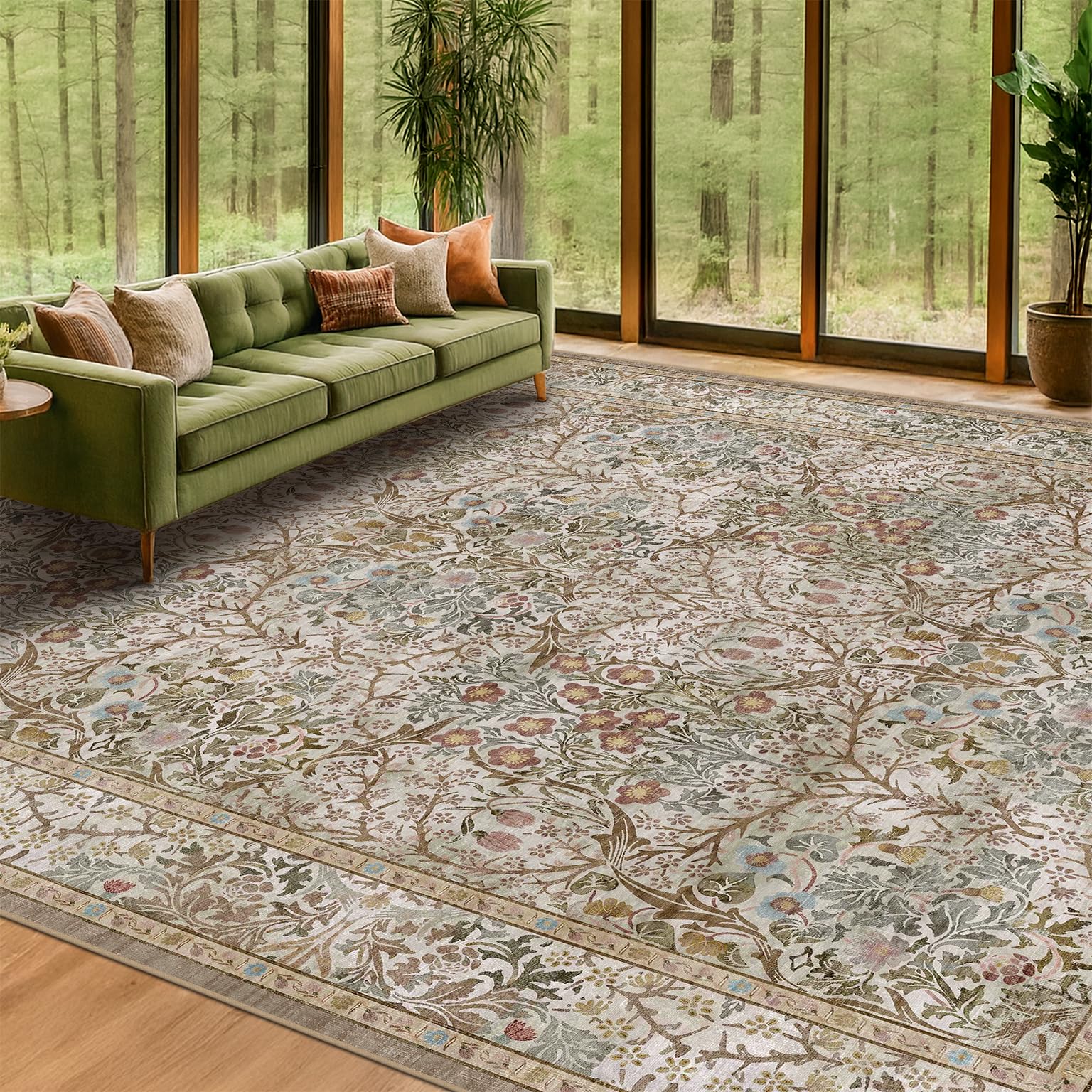
Who Should Buy Which Area Rugs?
For Value Seekers
If you want a calm backdrop without a big spend, look at flatweave or low pile synthetics in oatmeal, stone, or pale gray. These cost less, hide crumbs well when the pattern has slight variation, and can be replaced without regret when trends shift. Spend your savings on a decent pad, because a thin budget rug feels far better over real cushion. Expect a service life of about four to six years in a busy room.
For First Time Buyers
Start simple: one versatile shade, a standard size, and a construction you can vacuum without fuss. A medium tone neutral is more forgiving than near white, which shows every footprint, or dark charcoal, which shows every light hair and lint. Choose a rug with a clear fiber label and a return window, and live with fabric swatches taped to the floor for a weekend before you commit. Our broader guide to the best area rugs for living room layouts is a helpful next read.
For People Who Want the Best Performance
Premium neutral rugs earn their price through dense wool pile, subtle natural variation that camouflages soil, and dyes that stay true in sunlight. Wool also resists crushing in the walkway between sofa and door, where cheap synthetics flatten within a year. If your room gets strong afternoon sun, ask about fade resistance directly, because pale neutrals show fading unevenly. Shoppers focused on construction quality can compare notes in our guide to the best quality rugs for living room builds.
For Gift Shoppers
A neutral rug is one of the safer home gifts because it rarely clashes, but size is the risk. Gift a smaller 5 by 8 foot rug for a reading corner rather than guessing at a full seating layout, and include the receipt so the recipient can swap the shade. Stick with widely liked tones like warm greige and soft ivory, and avoid shag, which divides opinion. A washable construction softens the risk further, since the new owner can clean it their own way.
Key Features of the Best Area Rugs for Neutral Living Room Use
Cushion and Edge Finish
Cushion comes from a pad and pile combination that feels steady when you stand and soft when you sit on the floor. A rug that is too plush makes chair legs wobble and coffee tables rock. Check the edges too, because bound or serged edges lie flat and resist fraying, while raw cut edges curl. Floor seating households should favor medium pile over a firm pad for the best balance.
Material
Wool leads for living rooms: it hides soil, springs back, and its natural tone variation is exactly what makes neutral rugs forgiving. Polypropylene and polyester cost less and shrug off spills, a fair trade for homes with toddlers or dogs. Cotton flatweaves give a relaxed, layered look but wrinkle and shift without a grippy pad. Jute and sisal add texture in tan tones, yet they feel rough and stain permanently, so keep them away from dining chairs and snack zones.
Size and Fit
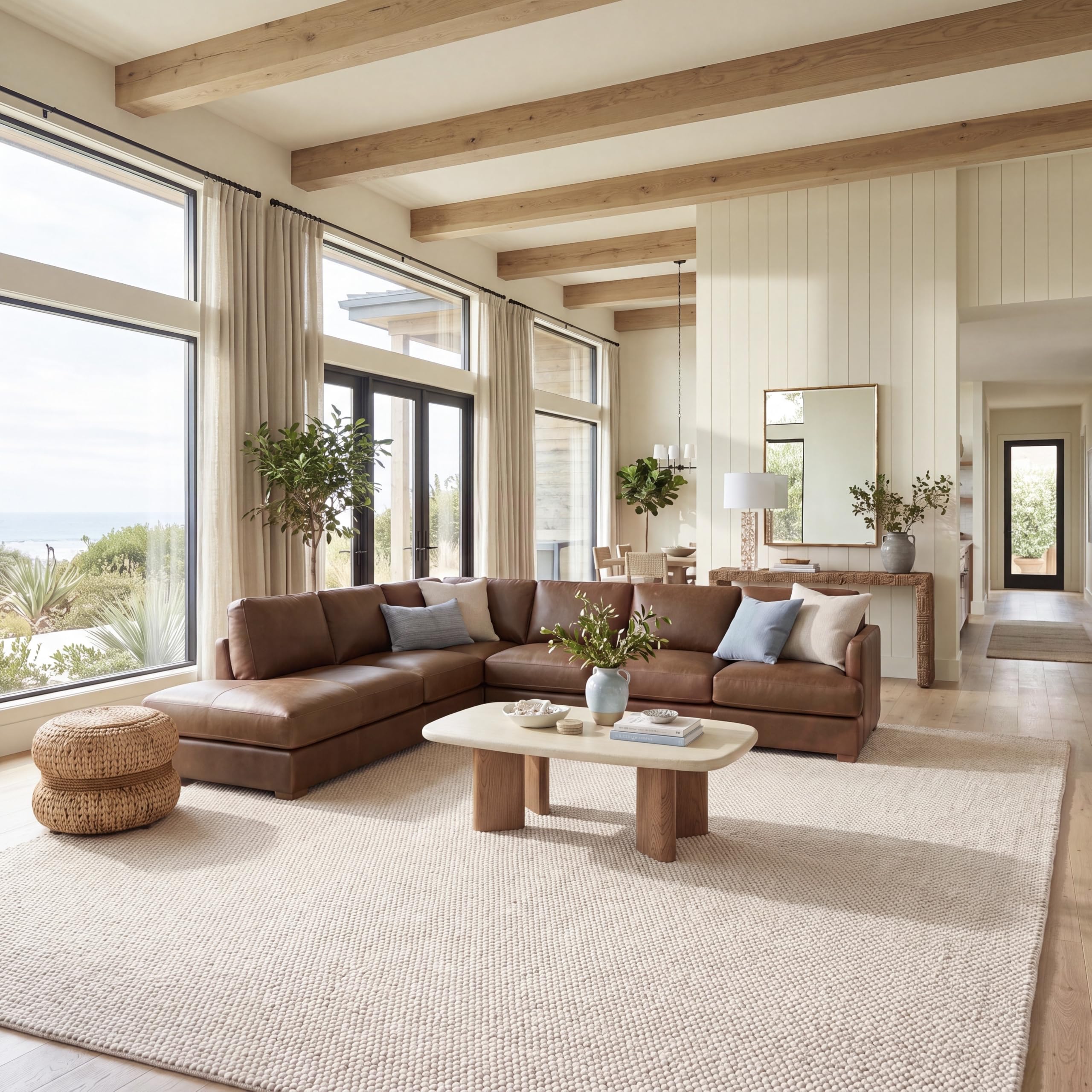
Size the rug to the seating group, not the room walls. In most living rooms an 8 by 10 foot rug lets the front legs of the sofa and chairs rest on the rug, which visually ties the group together. A 9 by 12 foot rug suits large open plans where all four legs can sit on the rug. Leave about 12 to 18 inches of bare floor between rug edge and wall so the room breathes. Tape the outline on the floor for a day before ordering if you are unsure.
Features That Matter for Neutral Living Room
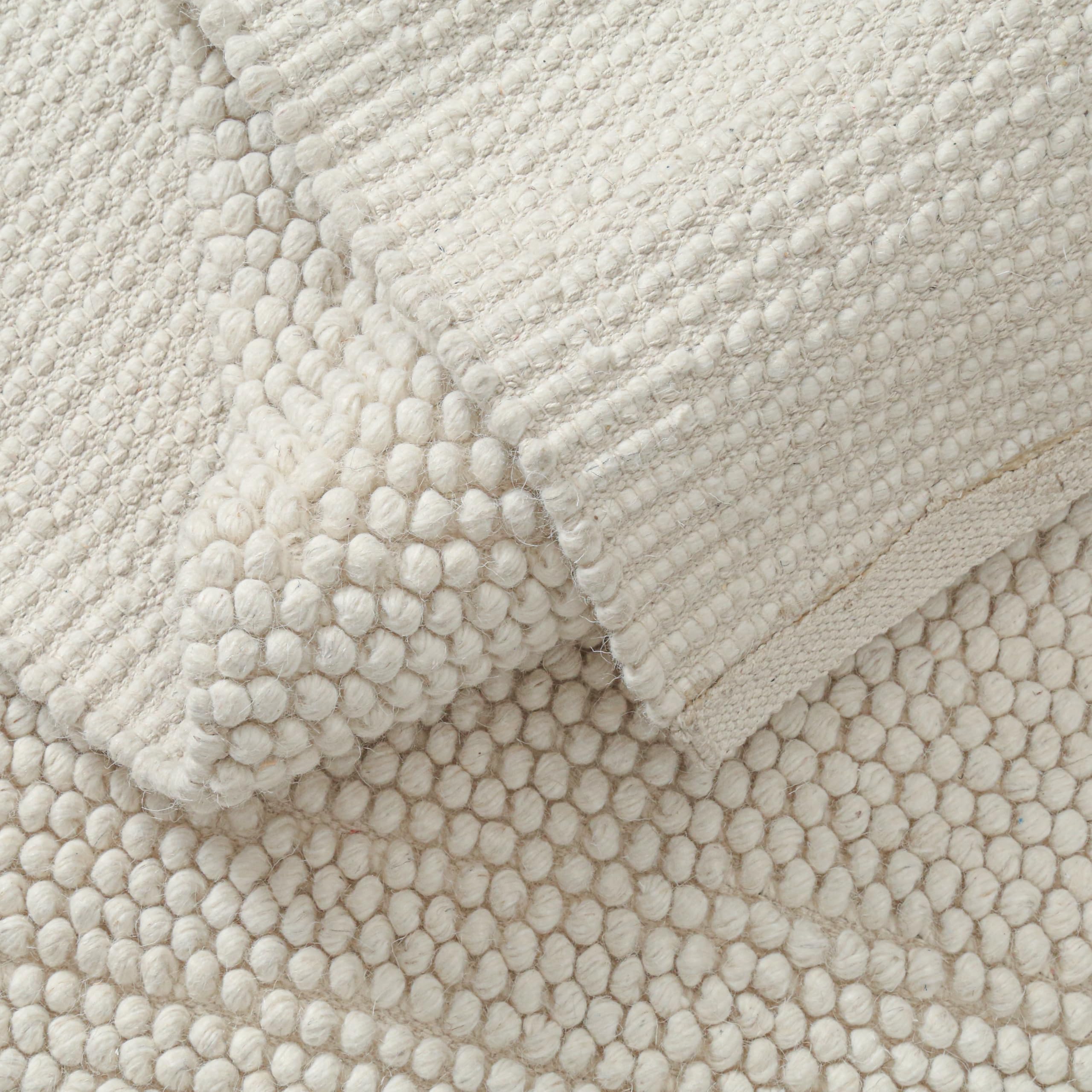
Neutral rooms live or die on undertone. Warm neutrals carry yellow or pink bases and suit wood floors and brass accents, while cool neutrals lean blue or gray and suit chrome and white paint. Hold a swatch against your sofa at morning and evening, because a beige that looks perfect at noon can turn muddy at dusk. Slight pattern, such as a fine stripe or heathered weave, is the neutral buyer's best friend, since it hides the daily dust that a flat solid shade would announce. For more shade matching ideas, see our guide to the best neutral rugs for living room palettes.
Pile Height and Daily Life
Low pile under about a quarter inch is the practical default for living rooms: doors clear it, vacuum heads glide, and dining or accent chairs slide without catching. Medium pile adds welcome softness for floor play and movie nights. High pile and shag look plush in photos but trap crumbs, complicate vacuuming, and make pale shades look dirty faster because shadows pool in the pile. Match pile to your cleaning patience, not just the photo.
Common Mistakes to Avoid When Buying Area Rugs
- Buying by screen color alone, without checking a swatch in your own light.
- Choosing a rug too small, so the seating group floats and the room feels unsettled.
- Ignoring undertones, then wondering why the beige rug clashes with a gray sofa.
- Skipping the pad, which leads to sliding, bunching, and faster wear.
- Picking near white for a room with pets, kids, or a busy entry path.
Setup and Care Tips
Lay the pad first, then unroll the rug and let it settle for a day before placing heavy furniture. Vacuum weekly, and use suction only on delicate weaves so you do not fuzz the surface. Rotate the rug every six months so sunlight and traffic spread evenly across the pale surface. Blot spills immediately with a white cloth, since colored towels can transfer dye. If softness is your top priority, our notes on the best soft area rugs for living room explain which fibers feel plush without going full shag.
Area Rugs: Your Questions Answered
What features matter most in area rugs for neutral living room?
Undertone, soil hiding texture, and correct size matter most. A heathered or lightly patterned neutral in the right warm or cool family will look cleaner and calmer than a flat solid shade. Add a pad for comfort, and confirm the rug is wide enough for at least the front legs of your seating. Browse our wider roundup of the best neutral area rugs for more shade families.
Is a higher pile density always better?
No. Density improves resilience and helps a pale rug resist looking crushed, but fiber quality matters more. A dense rug in weak synthetic fiber still mats in the main walkway, while a moderately dense wool rug springs back for years. Judge density together with material and backing, not as a single magic number.
Do light neutral rugs show dirt too quickly?
They show dark soil but hide light dust and pet hair surprisingly well, especially in heathered weaves. The real risk is a single flat shade of near white in a high traffic path. Choose mid tone neutrals with visible fiber variation, vacuum weekly, and treat spills the same day, and a light rug stays presentable for years.
How do I wash area rugs safely?
Follow the care label first. Many synthetic living room rugs can be spot cleaned with mild detergent and cool water, while wool prefers gentle blotting and professional cleaning for big spills. Small washable rugs can go in a large machine on a gentle cycle and should air dry flat. Never use hot water or harsh bleach on pale fibers, since both can yellow the shade.
How often should I replace my area rug?
Expect five to ten years from a decent living room rug. Replace it when the main walkway stays matted after deep cleaning, the backing cracks or powders, or fading becomes uneven across the surface. A rug that still looks good but slides despite a fresh pad has likely lost its structure and should go.
What cushion level feels best under a living room rug?
A firm pad about a quarter to half an inch thick under a low or medium pile rug feels best for mixed use. It softens footsteps, protects the floor, and keeps furniture steady. Very thick pads feel spongy and can make chair legs sink, so save deep cushion for bedrooms where nobody parks furniture on the rug.
Final Thoughts
Get the undertone right, buy big enough for your seating group, and pick a fiber that matches your cleaning reality. Those three choices decide whether a neutral rug calms the room or quietly annoys you for years. Compare the best area rugs for neutral living room options in the product table above against these points, and choose the shade you still like at dusk, not just at noon.