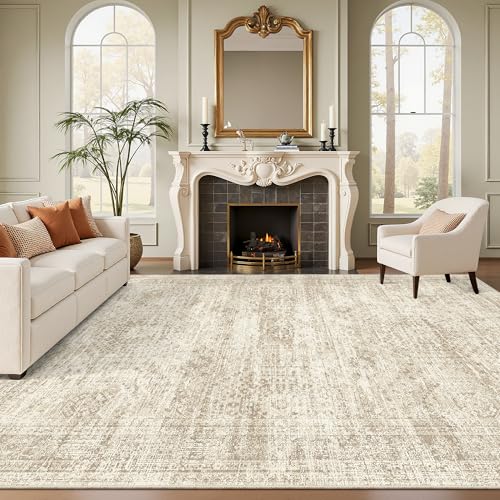
Best Affordable Living Room Rugs: A First Time Buyer Guide 2026
Disclosure: We may earn a commission when you buy through links on this page, at no extra cost to you. As an Amazon Associate I earn from qualifying purchases. Learn more

Best affordable living room rugs: Size, material, pile height and pad choices for first time rug buyers, plus washing and setup tips.
Buying your first living room rug sounds simple until you face the size chart. A rug that is too small makes the whole room look unfinished, while the wrong fiber can shed, stain, or slide underfoot within weeks. The good news is that a few basics explain nearly every listing you will read.
This guide walks through the best affordable living room rugs from the ground up: what the terms mean, which specs deserve your money, and which rookie errors to avoid. Start with the comparison table below, then use the sections that follow to narrow your choice with confidence.
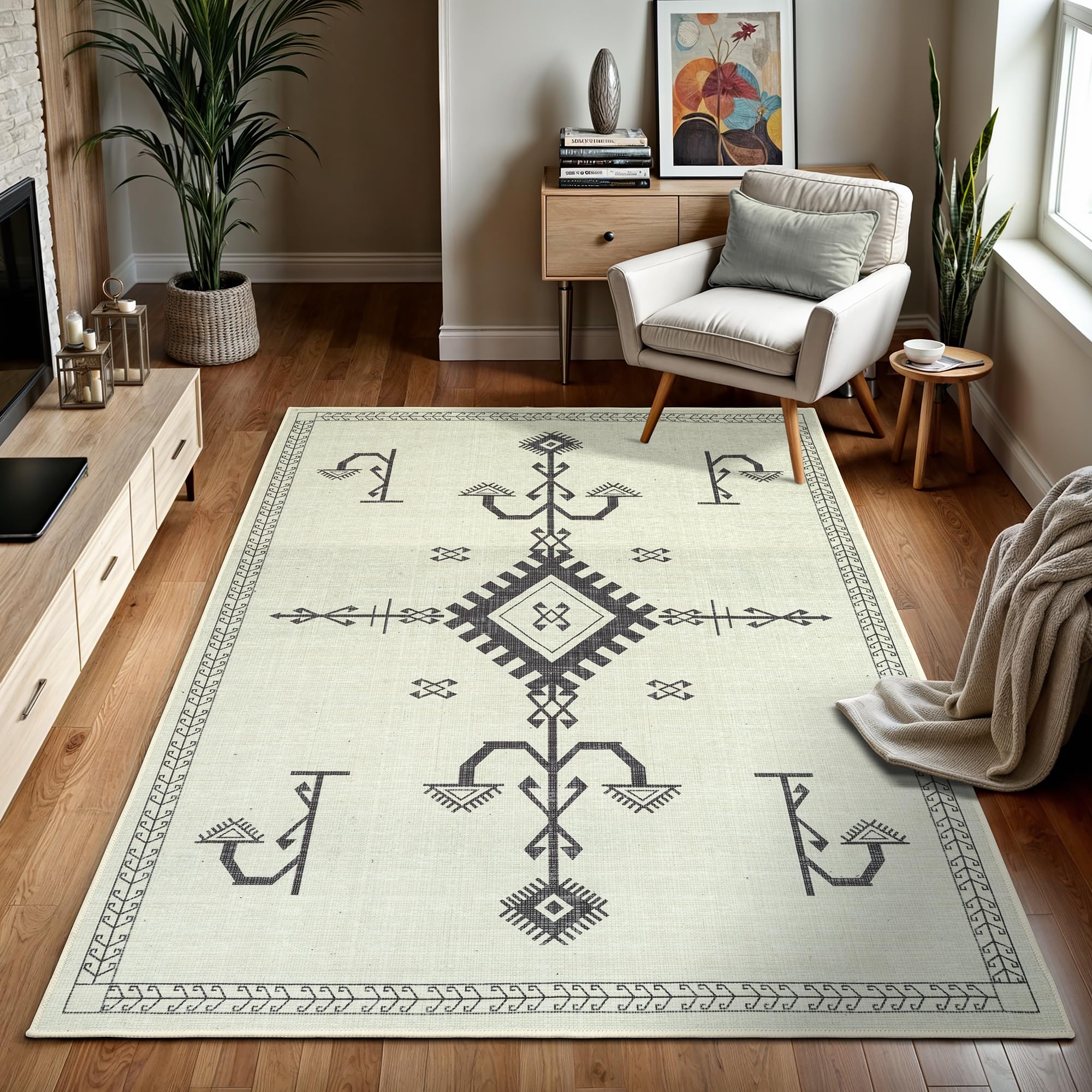

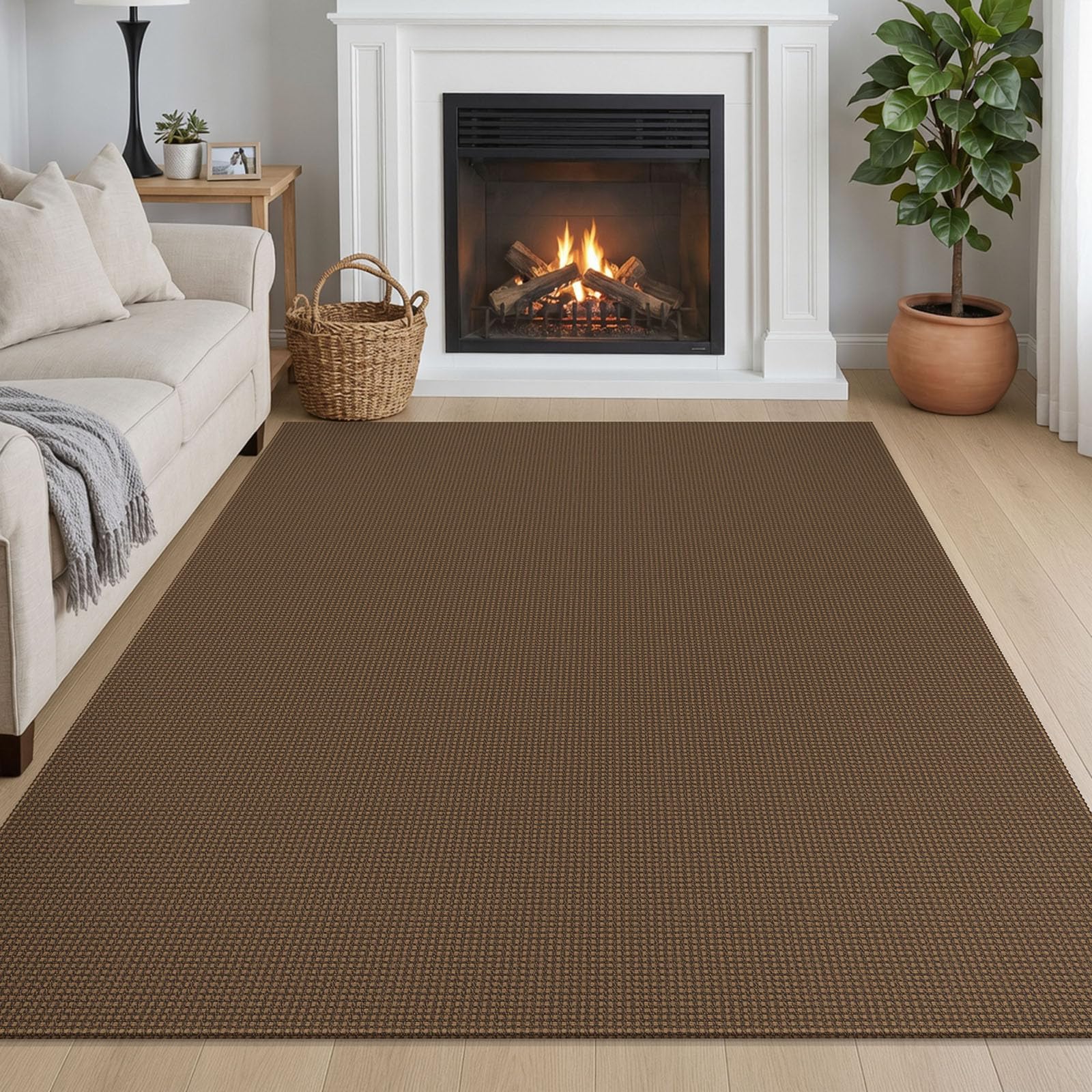
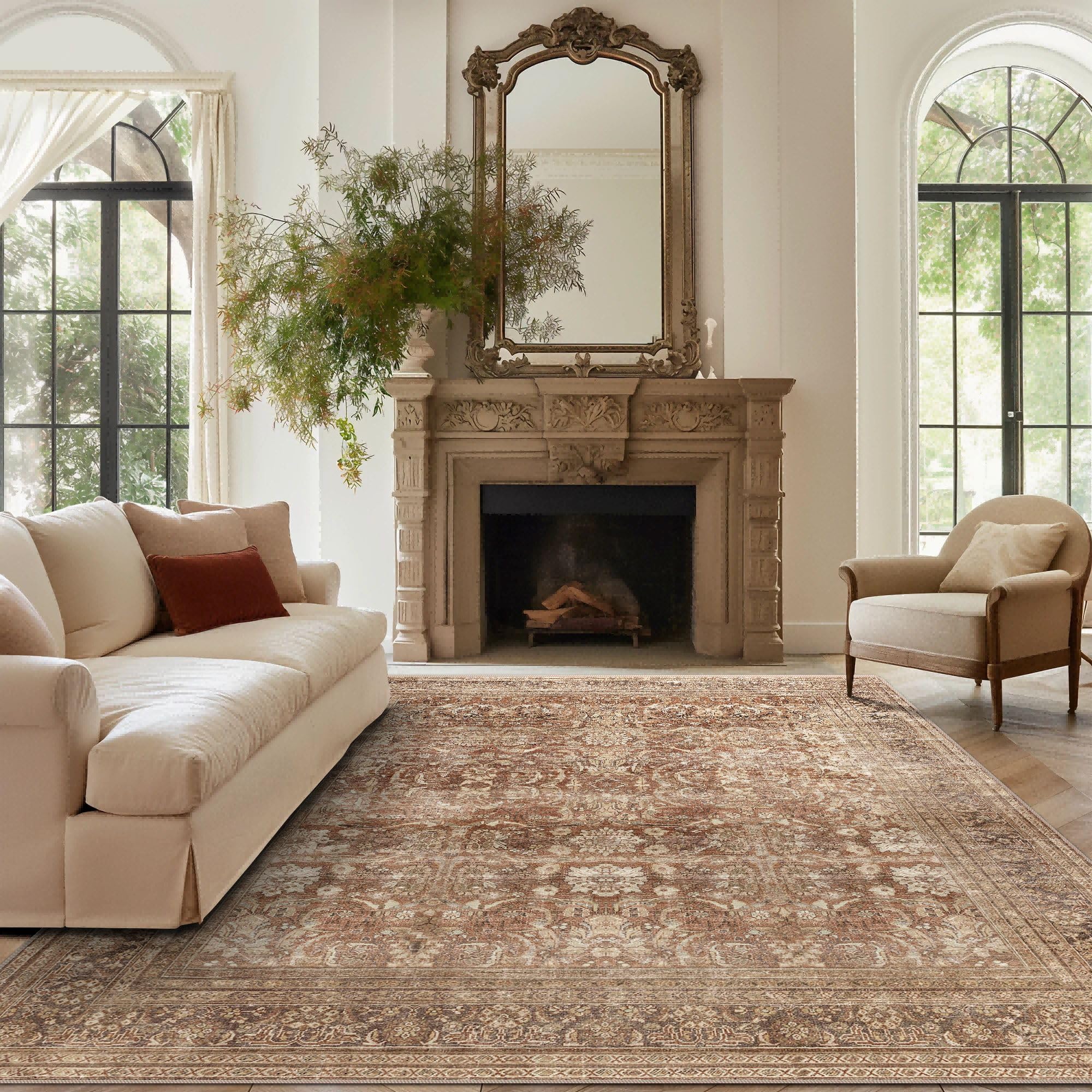
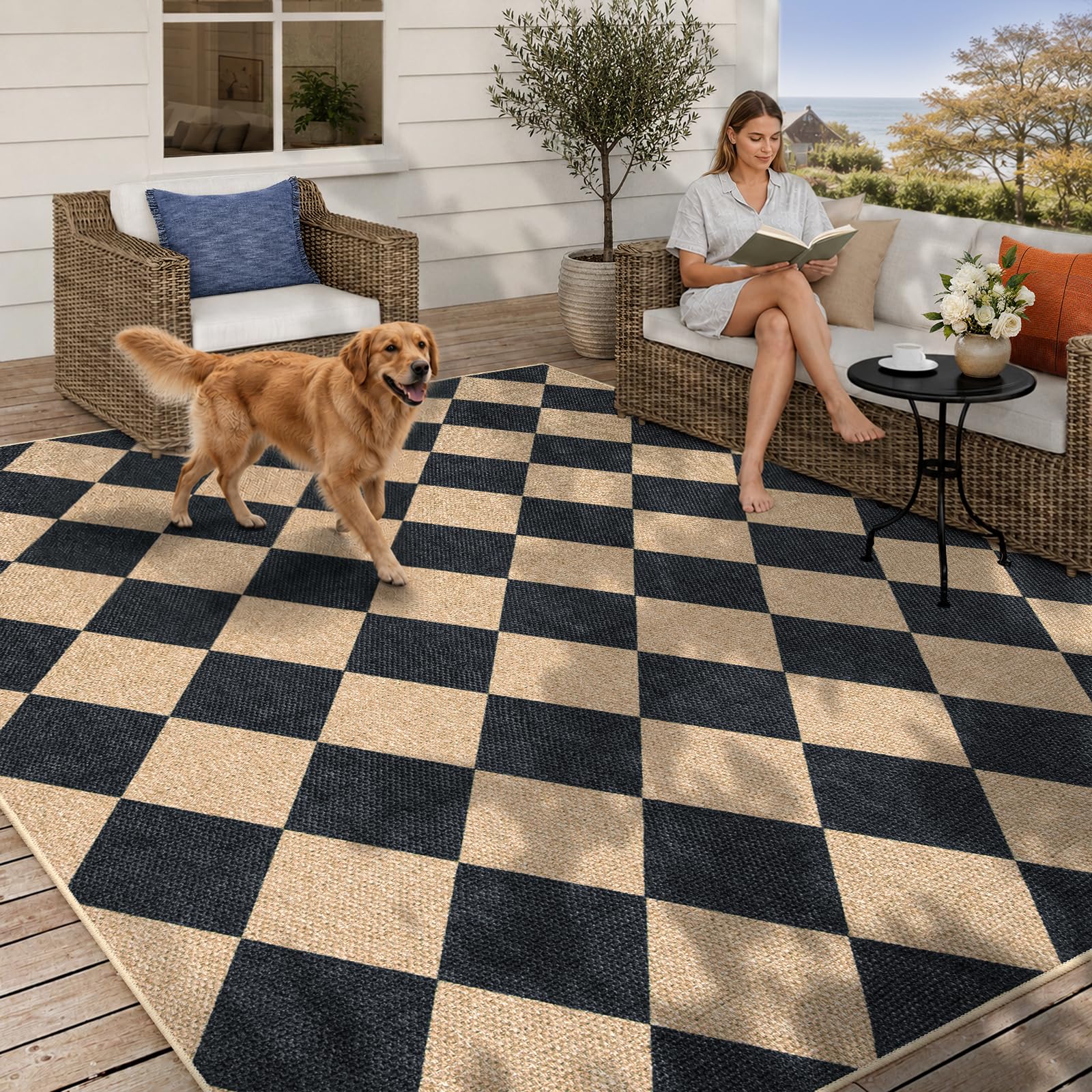
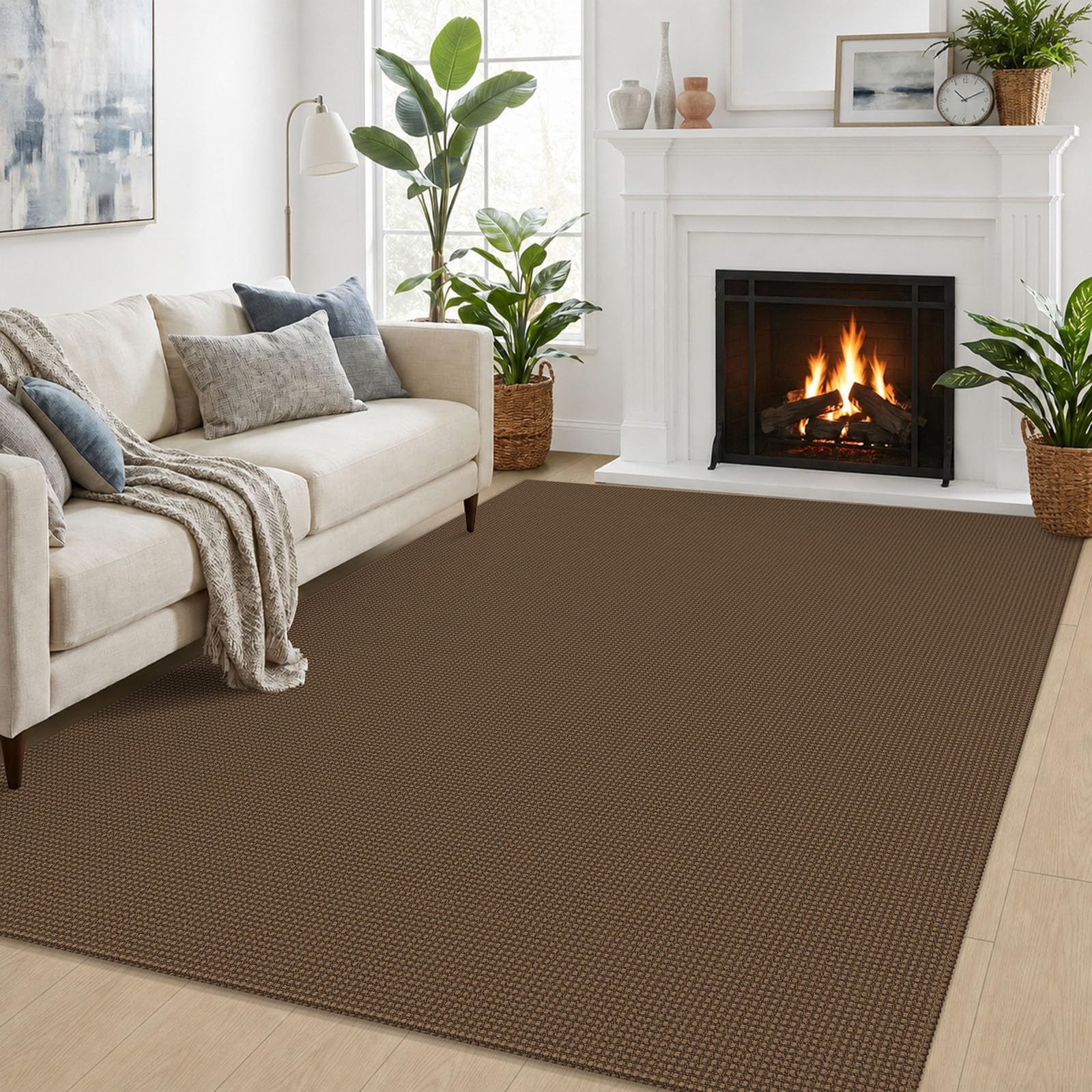
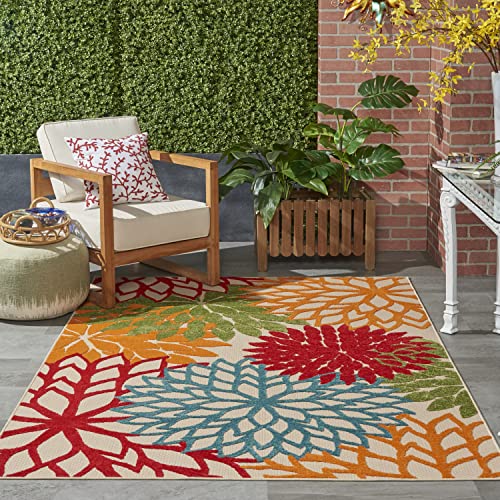
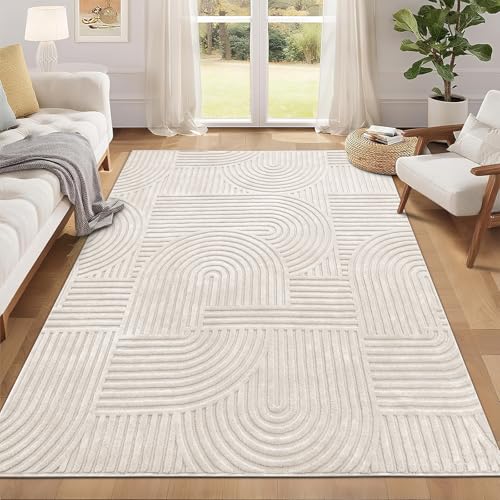
Living Room Rugs 101: The Basics
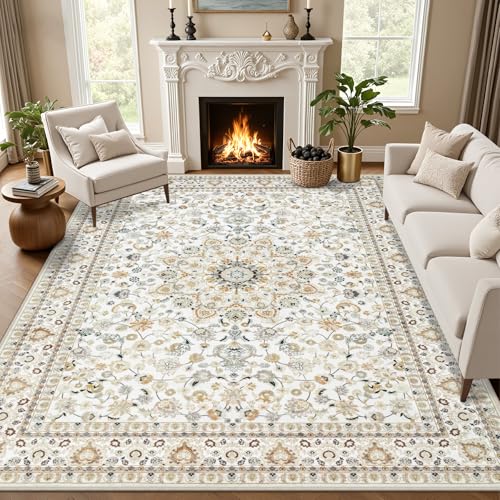
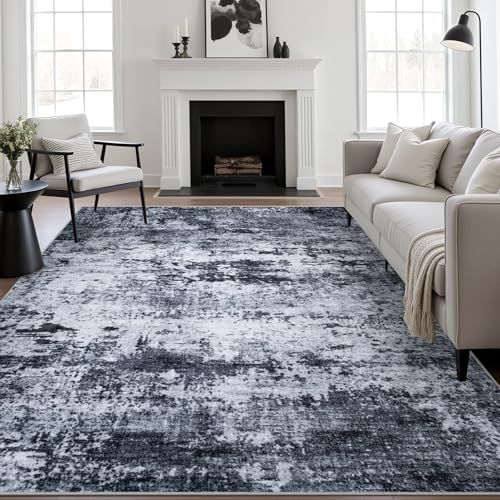
A living room rug anchors the seating area. It defines where the conversation zone begins, softens noise, protects the floor beneath, and adds warmth underfoot. In a well sized layout, the front legs of your sofa and chairs rest on the rug, which visually ties the furniture into one group instead of a row of separate pieces.
Three terms cover most listings. Size is stated in feet, with common choices such as 5 by 8, 8 by 10, and 9 by 12. Pile height is the length of the fibers, from flat woven rugs to plush high pile styles. Backing is the underside material, and it decides whether you need a separate rug pad for grip and cushion. Almost every other claim on a product page is a variation on fiber, pile, or construction.
Key Specs Explained in Plain English
What You Can Realistically Get on a Budget
Around $50 to $150 buys a good looking machine made rug in a standard size, usually in synthetic fibers with a low or medium pile. At this level you can expect attractive patterns, decent stain resistance, and easy cleaning. What you give up is the dense hand feel, natural fiber character, and decades long lifespan of a costly woven wool rug.
Spend first on the correct size, because a small rug in a fine material still looks wrong. Save on pile height and elaborate texture, which add cost but matter less than fit. If the room is large, an affordable rug in the right size beats a premium rug that floats like a postage stamp in the middle of the floor. For a quality benchmark, compare with our guide to the best quality rugs for living room.
Material and Fiber
Fiber decides how a rug feels, cleans, and ages. Polypropylene is the budget workhorse: it resists stains and moisture, holds color well, and suits homes with kids and pets. Polyester feels softer and shows rich color, though it can mat down in busy paths. Nylon is tougher and springs back well, at a somewhat higher price.
Natural fibers sit at the other end. Wool is resilient, naturally stain resistant, and long lasting, but it costs more and may shed at first. Jute and sisal add texture and handle dirt gracefully, yet they dislike water and feel rough under bare feet. For most first time buyers on a budget, a synthetic rug delivers the easiest ownership, while our guide to the best wool rugs for living room covers the upgrade path.
Pile Height and Cushion
Pile height is the rug version of loft. Low pile rugs, under about a quarter inch, vacuum easily, let doors swing freely, and work well under dining style chairs or in busy walkways. Medium pile adds softness for sitting on the floor. High pile and shag styles feel luxurious but trap crumbs, show footprints, and challenge most robot vacuums.
Cushion depends on pile plus the pad beneath. A felt or rubber rug pad adds more comfort than extra pile does, and it also stops sliding and reduces wear. If you stand or play on the floor often, choose a medium pile rug over a quality pad rather than a thick rug on bare floor. Your knees and the rug backing will both last longer.
Support, Comfort, and Edge Finish
A rug supports a room in practical ways. It absorbs the impact of footsteps, which quiets the space and reduces wear on hard floors. It also adds a thin layer of insulation, so floors feel less cold in winter. A pad improves all three effects and keeps the rug flat, which reduces trip risk at the corners.
Check the edges before you buy. Serged or bound edges resist fraying and lie flatter than raw cut edges. Corners that curl up are the most common complaint with thin budget rugs, and a pad plus a day or two under heavy books usually settles them. If a corner still lifts after a week, return the rug rather than taping it down.
Certifications
Labels help you judge chemical safety, which matters for a product your family sits and plays on. OEKO TEX Standard 100 on a rug means the textile was tested for a range of harmful substances. It is a useful screen, though it does not rate durability or softness.
Foam rug pads may carry CertiPUR US certification, which covers the foam content and emissions. Whatever you choose, air a new rug in a ventilated room for a day or two, since new textiles often carry a factory odor that fades. Anyone in the home with asthma or strong sensitivities should let the rug air out fully before regular use, and should talk with their clinician about personal needs if symptoms persist.
Durability and Care
Durability in a budget rug comes from dense, short fibers and a sturdy backing. Shorter pile hides wear paths better than long pile, and a patterned rug hides everyday dirt between cleanings. Check the care label before buying: some rugs are machine washable in smaller sizes, while larger rugs need spot cleaning and a vacuum without a spinning brush bar.
Ask about the return window, because a rug looks different at home than on a screen. Colors shift under your lighting and next to your sofa fabric. A seller with a fair return policy lowers the risk of a first purchase more than any single spec does. Our guide to the best washable rugs for living room is worth reading if laundry access shapes your choice.
Best Affordable Living Room Rugs: Rookie Mistakes to Avoid
- Buying too small. A rug should reach under the front legs of your seating at minimum. Measure the seating area, not the whole room, and size up when you fall between two sizes.
- Skipping the rug pad. A pad prevents sliding, adds cushion, and extends rug life. Thin rugs without a pad also bunch up, which creates a trip hazard for kids and older adults.
- Choosing white or pale colors for a busy room. Light rugs show every crumb and paw print. A mid tone pattern hides daily life far better, and our guide to the best neutral rugs for living room shows versatile options.
- Ignoring door clearance. A thick rug plus a thick pad can block a door swing. Add the two heights together and check every door that opens over the rug area.
- Forgetting the care routine. A rug you cannot clean in your home will not stay nice. Match the care label to your vacuum, your laundry access, and your tolerance for spot cleaning.
Getting Started: Setup and First Use
Unroll the rug as soon as it arrives and let it relax flat for a day. Shipping folds are normal; laying the rug pile side down for a few hours, or weighing the edges with books, speeds the process. Place the pad first, trimmed about an inch smaller than the rug on each side, then center the rug under your seating.
Vacuum the rug gently during the first week, because new rugs often release loose fibers. Rotate the rug a half turn every few months so sunlight and foot traffic wear it evenly. Blot spills at once with a clean cloth, working from the edge of the spill inward, and keep a simple care note with the cleaning code from the label.
Frequently Asked Questions
Do living room rugs change how warm or cool a room feels?
Yes, a rug makes a room feel warmer, mostly at floor level. It insulates against cold hard floors and cuts the echo that makes a space feel stark. No rug will cool a hot room, though a flat woven rug feels cooler underfoot than a deep pile one in summer. If warmth is the goal, pair a medium pile rug with a felt pad for the strongest effect.
Does thread count matter for living room rugs?
No, thread count is a bedding term and does not apply to rugs. The rug equivalent is density: how tightly the fibers are packed. A denser rug feels firmer, resists crushing, and hides the backing when you bend it. When you compare two rugs in person, bend a corner back. The less backing you see, the denser and more durable the rug usually is.
How do I wash a living room rug safely?
Start with the care label, because fibers differ. Many small synthetic rugs can go in a large machine on a cold gentle cycle, then air dry flat to protect the backing. Larger rugs do better with vacuuming, spot cleaning with mild soap, and an occasional deep clean per the label. Never soak a jute rug, and test any cleaner on a hidden corner first.
How often should I replace my living room rug?
Replace a budget rug when it stays flat looking after cleaning, the backing crumbles, or worn paths show the foundation. For many affordable synthetic rugs that point arrives after about three to seven years of family use. A rug in a quiet guest room can last far longer. Persistent odor after a proper clean is another clear sign that replacement beats another round of products.
Can a living room rug ease strain from standing or floor play?
A rug plus a cushioned pad does ease strain compared with bare hard floors, because the surface gives slightly under your feet and knees. It is comfort help, not a medical fix. If you have ongoing foot, knee, or back pain, choose a low, stable pile that will not catch a cane or walker, keep edges flat to avoid trips, and talk with your clinician about what your body needs.
Final Thoughts
For a first purchase, get the size right, pick a fiber that matches your household mess level, and budget for a pad. Those three choices decide most of your satisfaction. Compare the options in the product table above to find the best affordable living room rugs for your space, and if you want to see how rugs fit the broader seating layout, our guide to the best area rugs for living room covers placement in more depth.