Best Area Rugs for Hardwood Floors 2026: A Clear Buying Guide
Disclosure: We may earn a commission when you buy through links on this page, at no extra cost to you. As an Amazon Associate I earn from qualifying purchases. Learn more

Find out how to choose area rugs for hardwood floors by size, pile, backing and care, so your floors stay protected and your room feels warm.
Choosing among area rugs for hardwood floors can feel confusing, because the options look similar at first glance yet suit very different routines. This guide focuses on the best area rugs for hardwood floors and explains the main types, including low pile rugs, plush rugs, flatweave rugs, so you can match a model to how you will actually use it. No single model suits every buyer, and the right choice depends on your space, your budget and your daily routine.
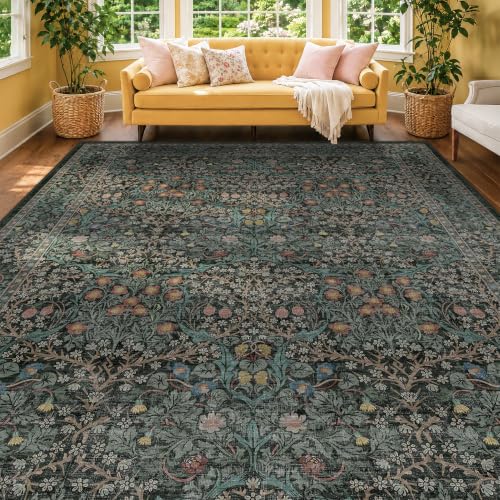
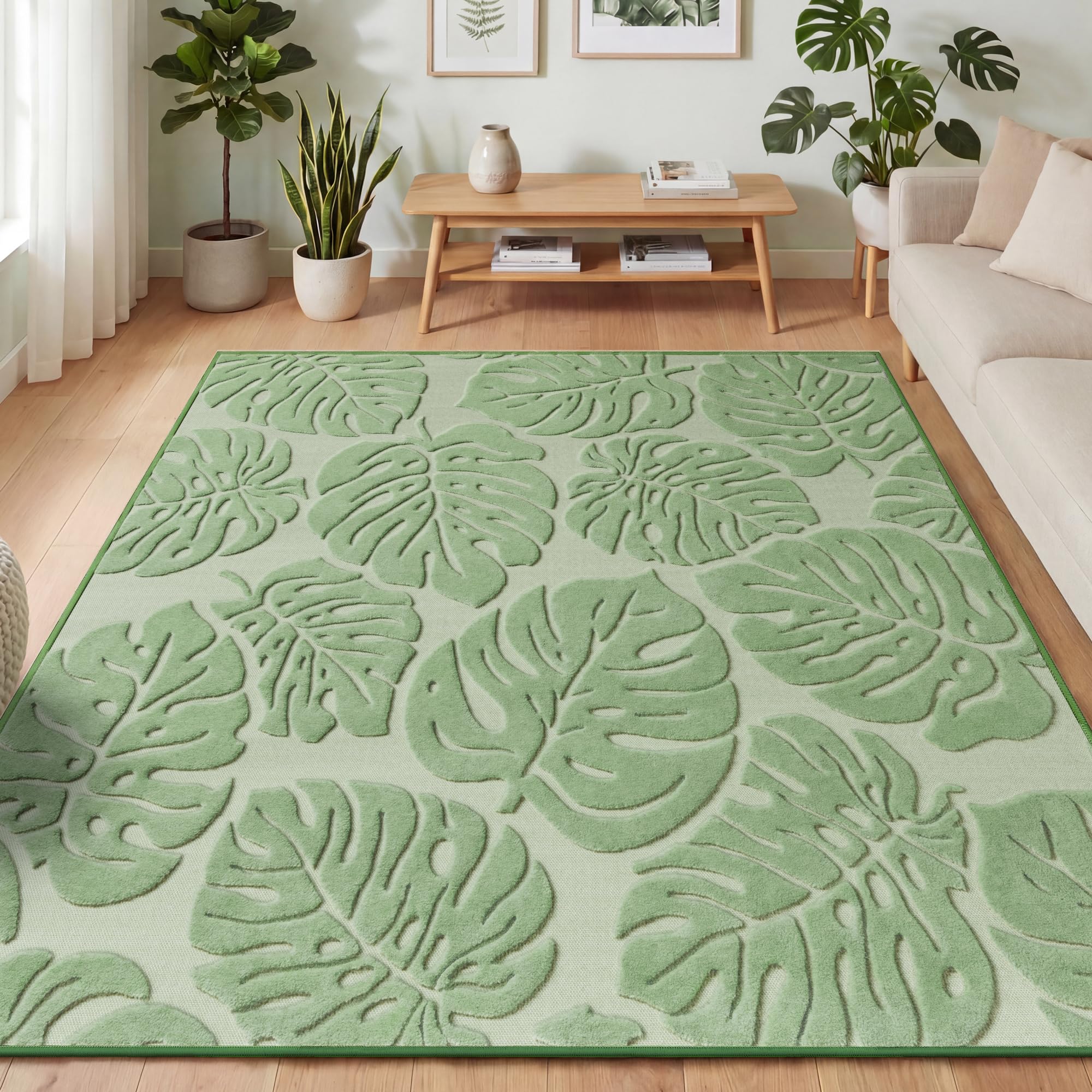
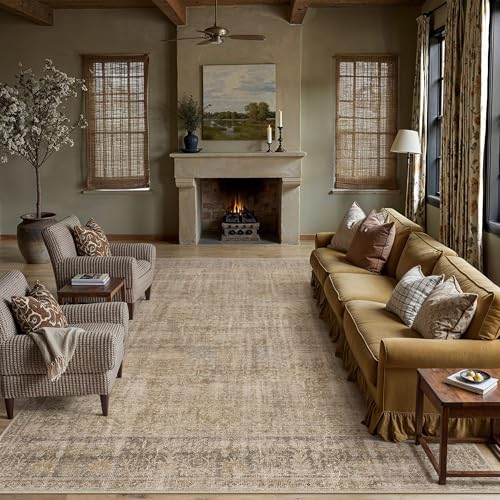
The product table below shows the main options at a glance. Read the type comparison first, then use the feature checklist to narrow your shortlist before you order.




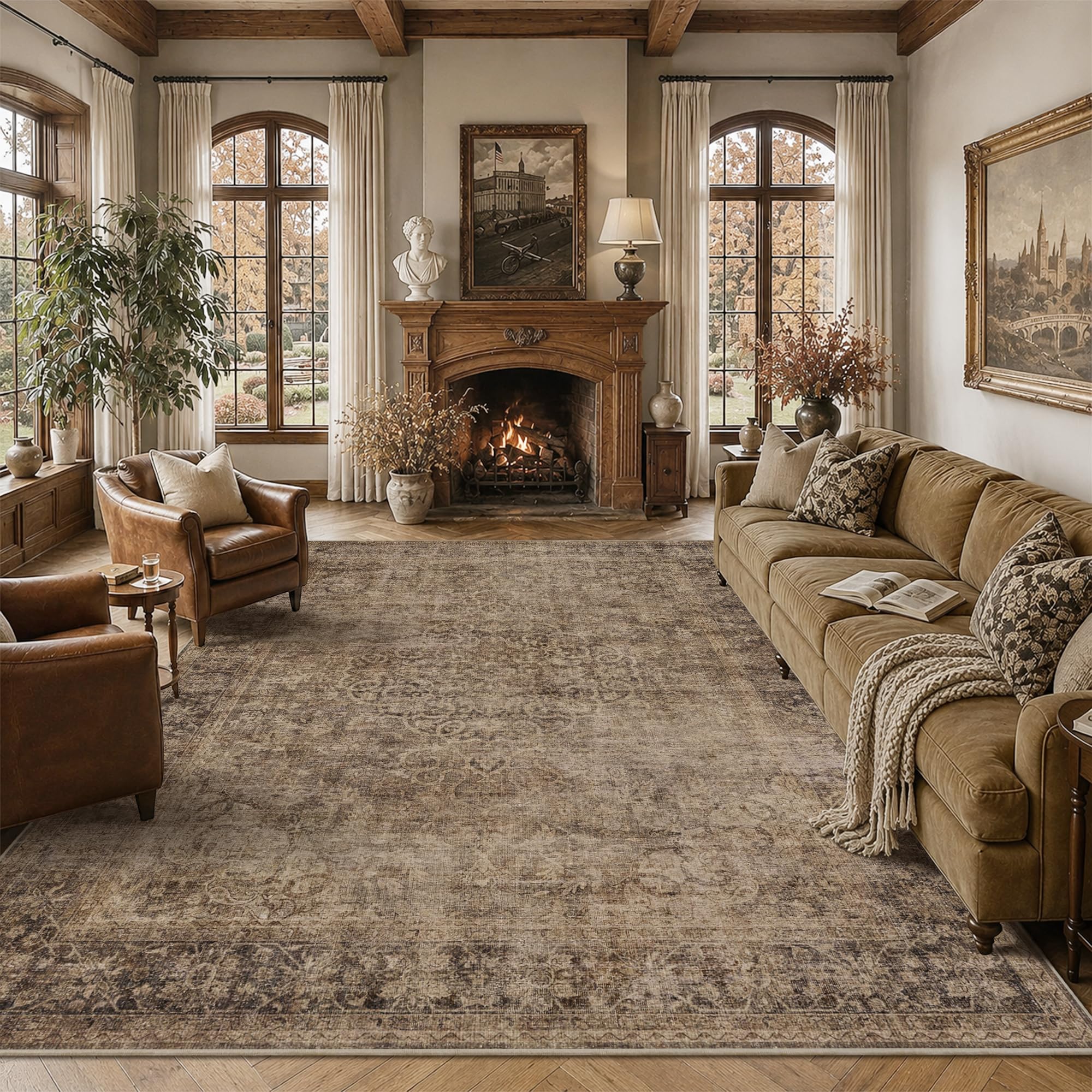
Why Hardwood Needs a Careful Rug Choice
Hardwood looks warm and lasts for decades, but it scratches, dulls under grit, and echoes noise. A good rug cuts sound, adds comfort, and shields the busiest paths from wear. A poor choice does the opposite: a rough backing can scuff the finish, trapped dirt can grind into the boards, and some rubber or vinyl backings can leave marks over time.
Start with how the room is used. A dining room needs a flat surface that chairs slide over. A living room can take a thicker rug. An entryway needs something tough that you can shake out or wash.
Types Compared
Low pile rugs
A low pile rug suits dining rooms and hallways, where chairs move often and a thin rug stays out of the way. It is easy to clean, it lets doors swing freely, and it shows less wear from foot traffic.
Plush rugs
A plush rug suits living rooms and bedrooms, where bare feet and long sitting time make softness matter. It adds warmth and sound softening, but it needs more vacuuming and it can trap dust.
Flatweave rugs
A flatweave rug suits kitchens and busy family rooms, where spills and frequent cleaning are part of daily life. It dries faster, folds for storage, and usually costs less than a thick pile rug.
Key Features to Check
Size and placement
Measure the seating area first, since a rug that is too small makes furniture look scattered, while a rug that is too large can overwhelm a room. Check it against each rug on your shortlist.
Backing and floor protection
A soft backing plus a separate rug pad protects hardwood from scratches and stops the rug from sliding, which also reduces trip risk. Check it against each rug on your shortlist.
Pile and cleaning
Low pile suits pets and allergies better than deep pile, because it holds less dust and it is easier to vacuum thoroughly. Check it against each rug on your shortlist.
Colour and pattern
A mid tone pattern hides marks better than a pale solid color, which matters in entryways and homes with children or pets. Check it against each rug on your shortlist.
Related Guides Worth Comparing
For a closer look at best color area rugs for hardwood floors, see best color area rugs for hardwood floors. That guide covers a related choice that many buyers compare before they settle on one option.
If best area rugs for dark hardwood floors sounds relevant to your routine, read best area rugs for dark hardwood floors. It explains a neighboring option that often appears on the same shortlist.
Pads, Backings, and Floor Safety
The pad matters as much as the rug. A felt and natural rubber pad grips without bonding to the finish, and it adds a layer of cushioning. Avoid cheap vinyl or PVC pads on finished wood, because some of them react with the finish and leave a sticky or discolored patch. Cut the pad about an inch smaller than the rug on every side so the edges lie flat.
Look for rugs with a woven cotton or felt backing, or add a pad if the backing is plain latex. Lift the rug a few times a year to vacuum the boards underneath and check that nothing is trapped. Move the rug a little now and then so sunlight fades the floor evenly instead of leaving a rug shaped outline.
Sizing by Room
The best area rugs for hardwood floors in a living room are usually 8 by 10 feet, so the front legs of the sofa and chairs sit on them, while an 8 by 10 foot rug usually lets the front legs of the sofa and chairs sit on it, while a 5 by 8 foot rug suits a small seating nook. Under a dining table, add about 24 inches on every side so chairs stay on the rug when pulled out. In a bedroom, let the rug extend 18 to 24 inches past the sides of the bed. In a hallway, choose a runner with a few inches of bare wood showing on each side.
Matching Rug Color to Wood Tone
Contrast helps a room feel layered. Light oak looks crisp with deep blue, charcoal, or rust rugs, while dark walnut looks richer with cream, soft gray, or sand colored patterns. Mid tone patterns also hide dust and footprints better than a pale solid. If your boards have a strong grain or color variation, a quieter rug keeps the room from feeling busy.
Care Routine for Rugs on Wood
- Vacuum the rug weekly, and use suction only on delicate or looped pile.
- Blot spills right away so moisture does not seep through to the boards.
- Keep furniture legs padded so heavy pieces do not crush the pile or dent the wood.
- Rotate the rug every few months for even wear and even sunlight.
- Let a washed or cleaned rug dry completely before putting it back on the floor.
Frequently Asked Questions
What size rug fits under a sofa?
A rug should extend beyond the sofa on both sides, with front legs on the rug in most living rooms. Measure your seating group, including side tables, before you shop. A rug that only sits in front of the sofa can look like a mat rather than a room anchor.
When in doubt, mark the size on the floor with painter tape and live with it for a day.
Do I need a rug pad on hardwood?
Yes, a rug pad is worth it on hardwood. It stops sliding, adds cushioning, and protects the finish from grit trapped under the rug. Choose a pad made for hardwood, since some rubber pads can mark certain finishes over time.
Replace a worn pad promptly, since a thin pad offers little grip or protection.
Can rugs damage hardwood floors?
Rugs can damage floors if grit builds up underneath or if a damp rug stays in place for weeks. Vacuum under the rug regularly, lift it to clean the floor, and avoid rubber backed rugs on some finishes unless the maker confirms they are safe. With a good pad and regular cleaning, a rug protects hardwood rather than harming it.
How do I clean a rug on hardwood?
Vacuum often, blot spills at once, and avoid soaking the rug, since water can reach the floor below. Use cleaners made for your rug material, and test them in a corner first. For deep cleaning, follow the maker guidance or use a professional service.
Keep the rug fully dry before you put it back on hardwood.
Which rug suits pets best?
Low pile, washable and patterned rugs suit pets best. They resist claws better than loop pile, they hide hair and marks, and they are easier to clean after accidents. Avoid delicate silk blends in pet areas, and choose a rug you can lift for cleaning.
A darker mid tone also keeps a pet home looking tidy between cleans.
Final Thoughts
Pair a low to medium pile rug with a floor safe pad, size it so furniture sits on it, and pick a color that works with your wood tone. The product table above recaps the main choices, so compare it with your room measurements and you will find the best area rugs for hardwood floors for your home.