
Best Armored Smartphones: A Buyer Checklist for 2026
Disclosure: We may earn a commission when you buy through links on this page, at no extra cost to you. As an Amazon Associate I earn from qualifying purchases. Learn more

Use this buying guide for the best armored smartphones to check display, battery, durability, 5G bands, storage, and update support before you buy.
An armored phone promises to survive drops, dust, rain, and rough workdays that would crack a normal glass phone. The hard part is that rugged labels hide big differences in screen quality, camera results, battery size, and software support. This guide walks you through the best armored smartphones the way a careful buyer should, starting with clear pass and fail thresholds for each part of the checklist.
Use the thresholds below before you look at any single model, and keep the product table open as you read. A phone that fails on carrier bands or update support is a poor buy no matter how tough its shell looks.
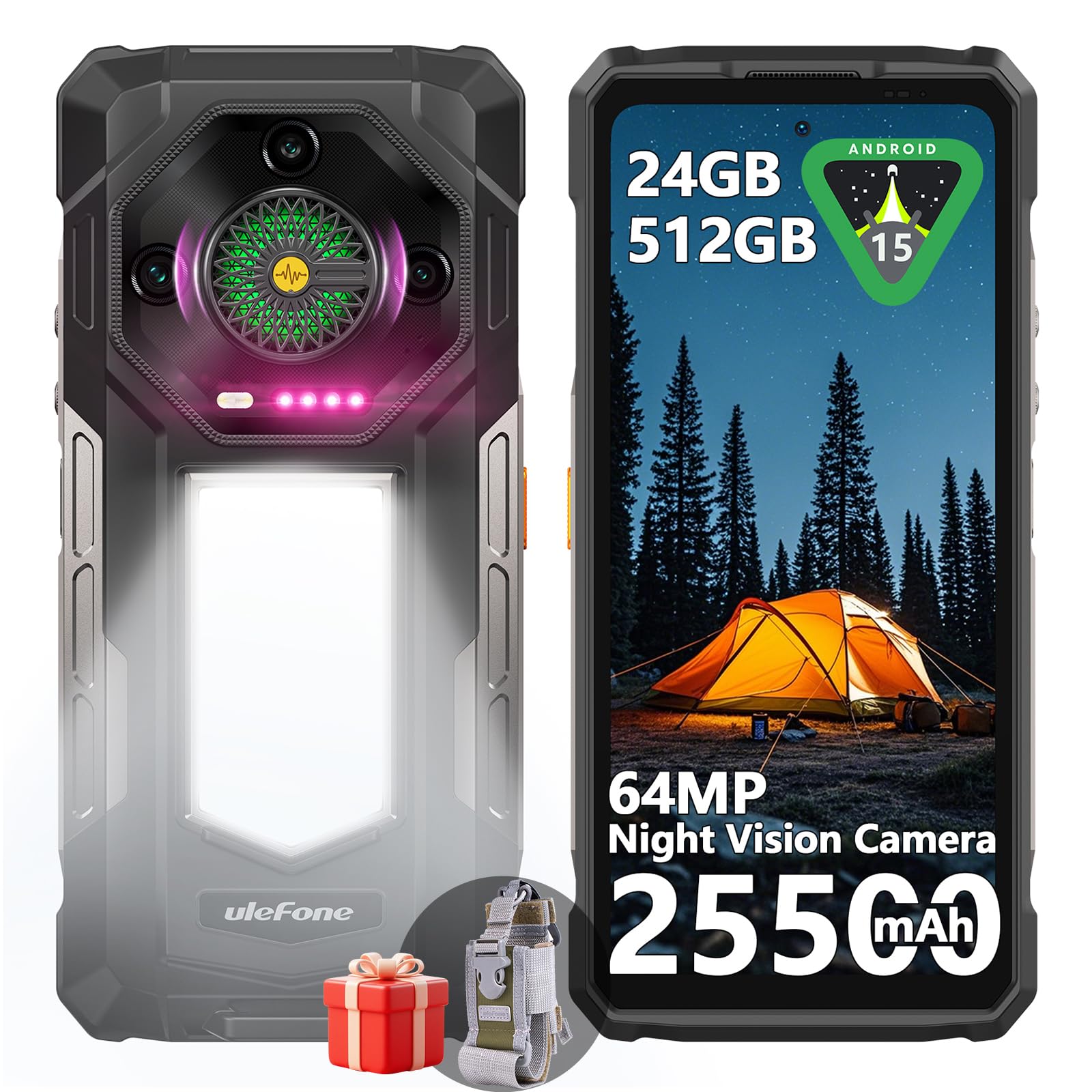
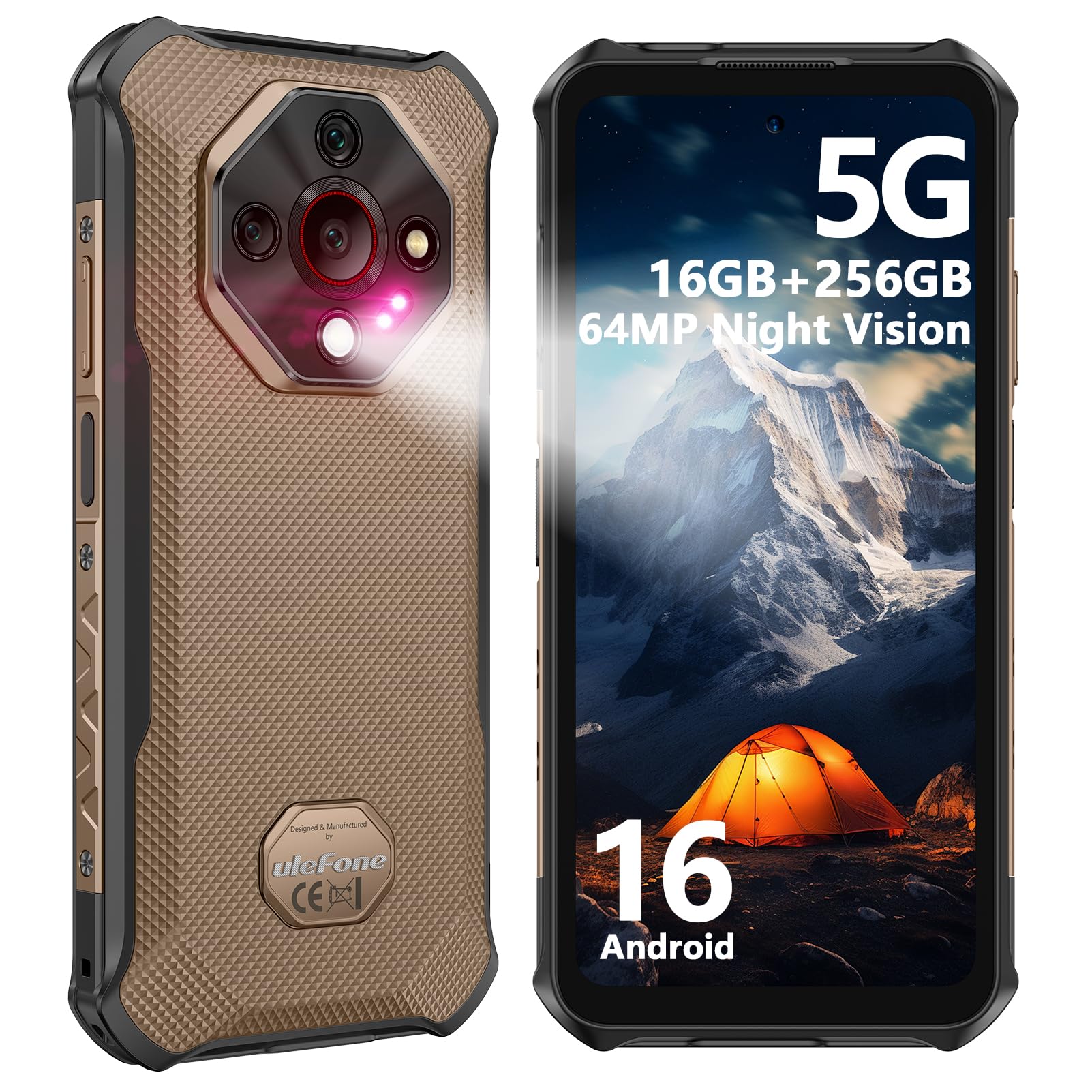
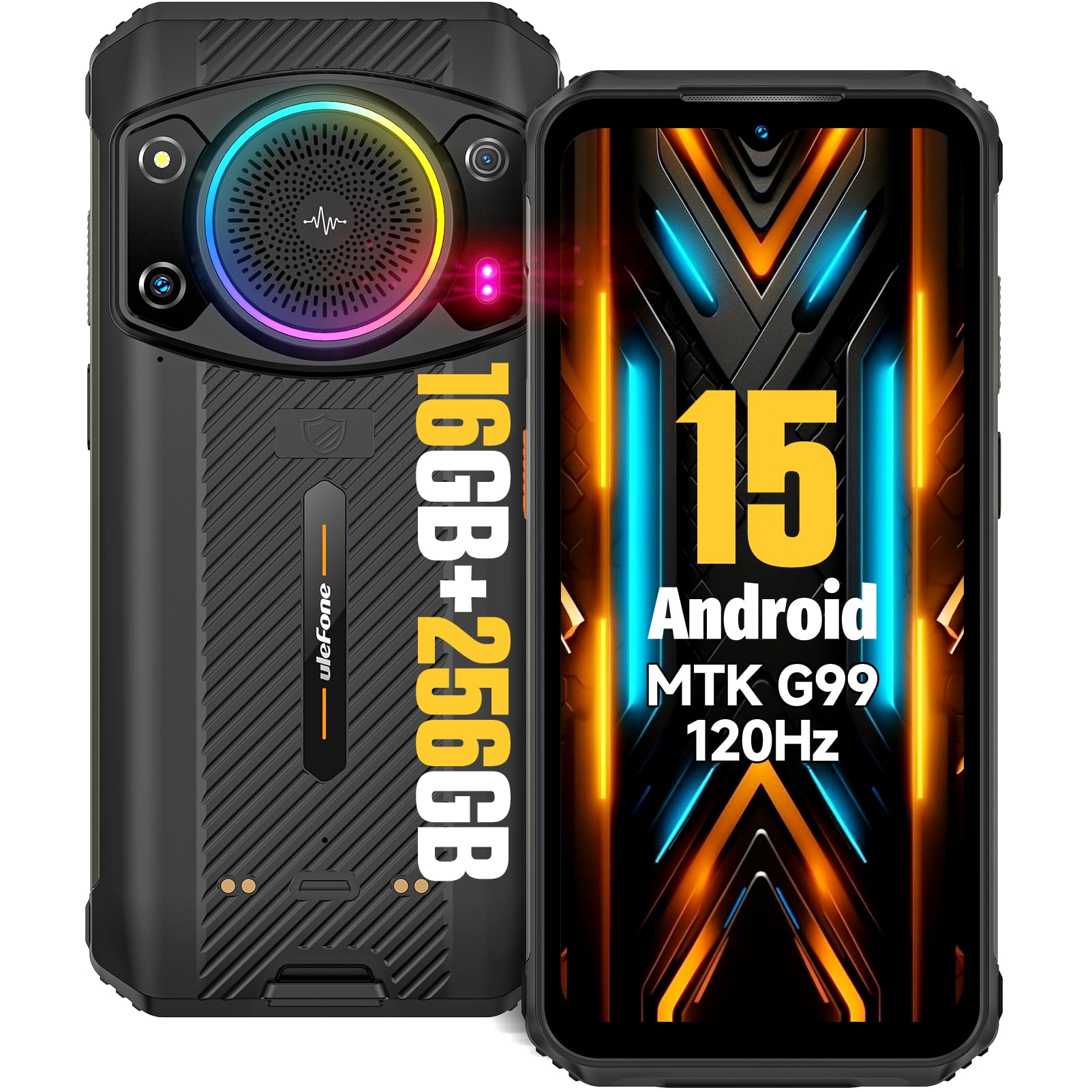
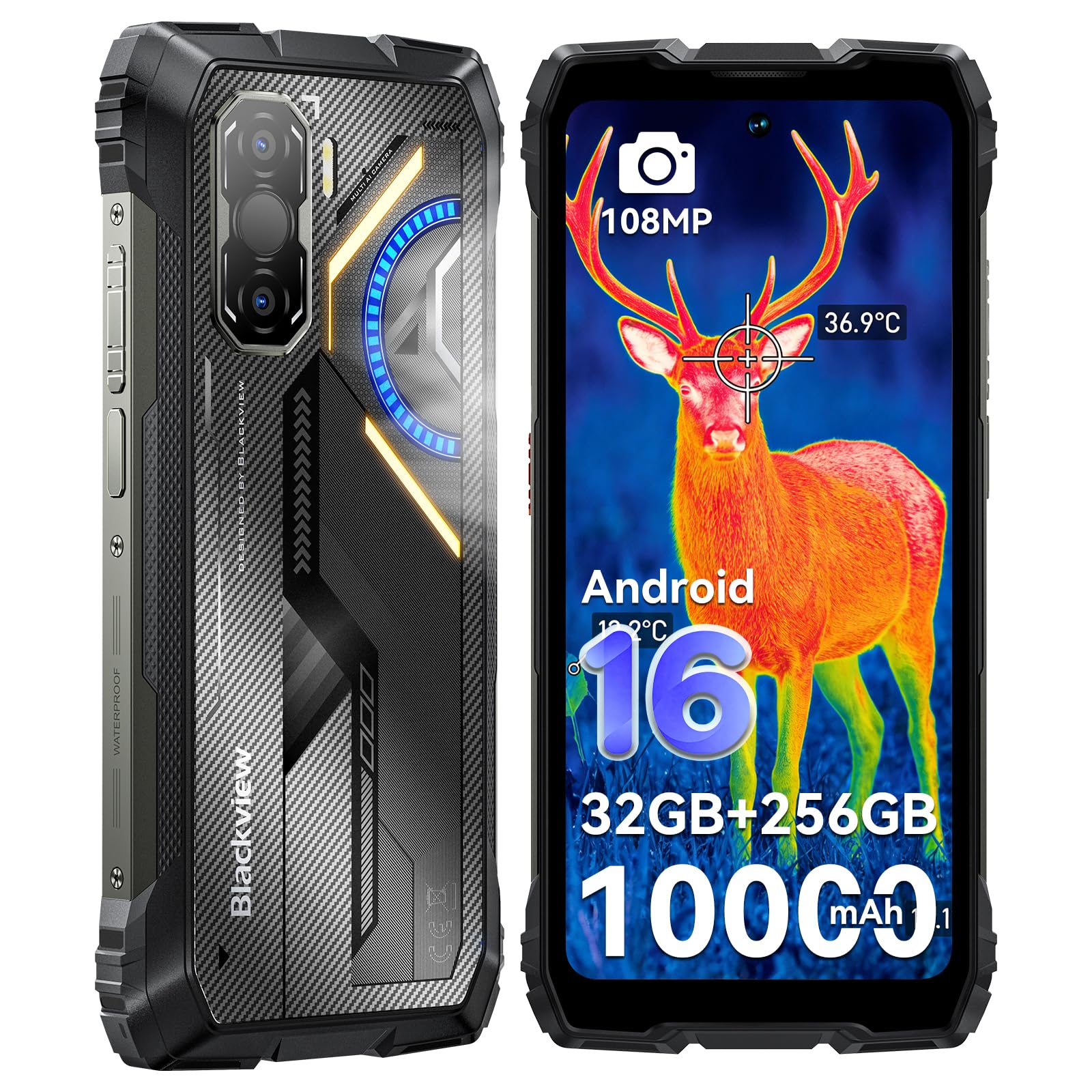
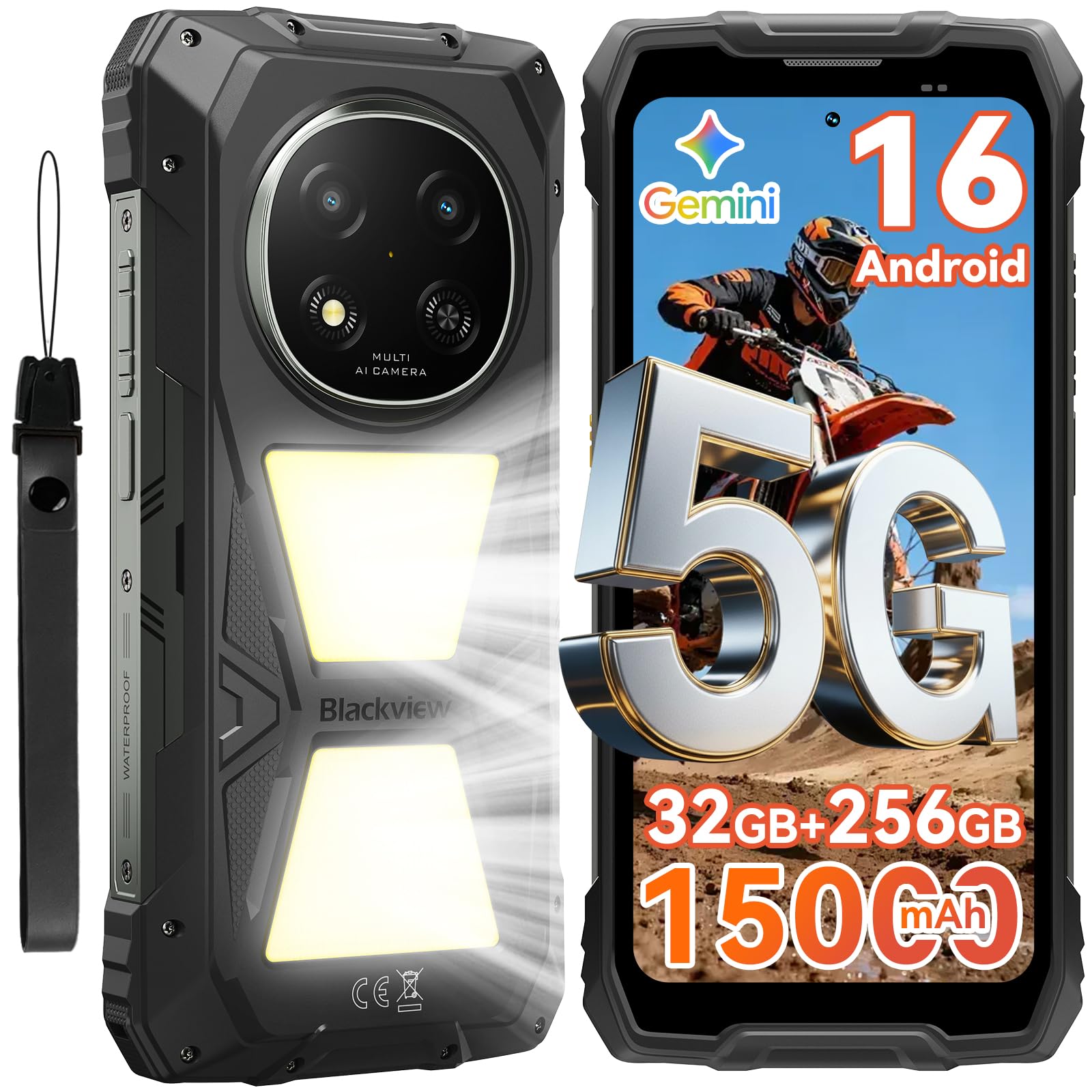
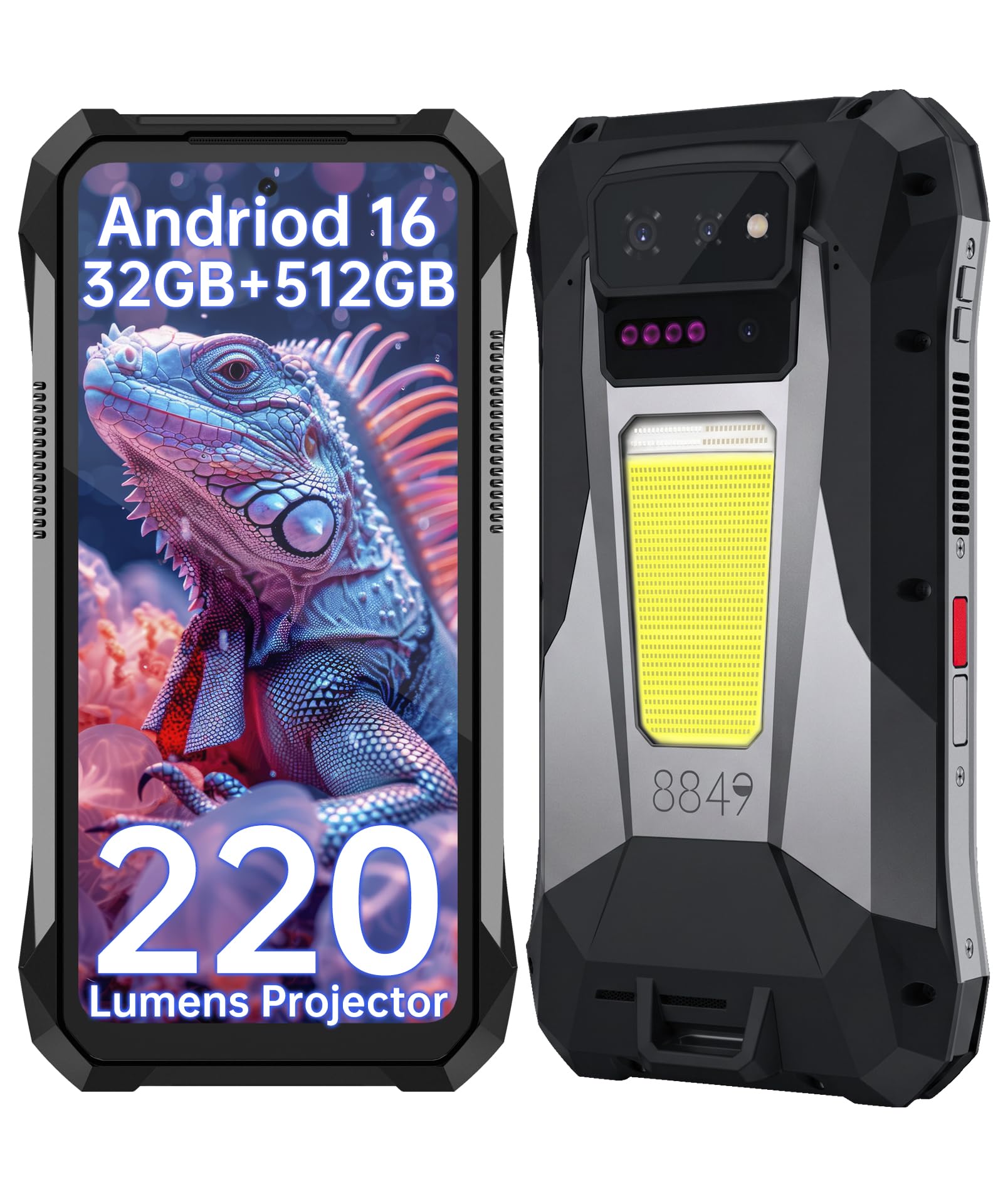
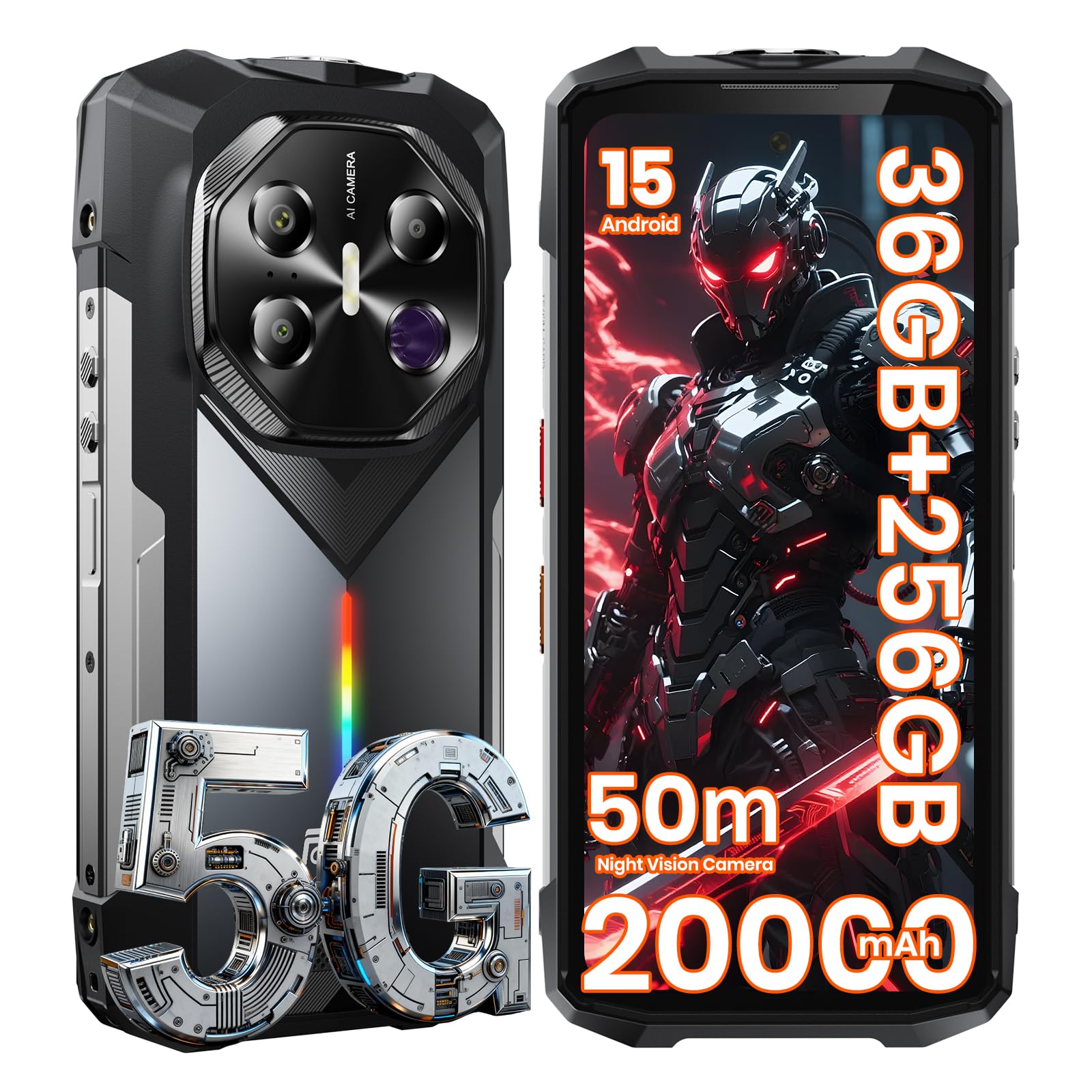
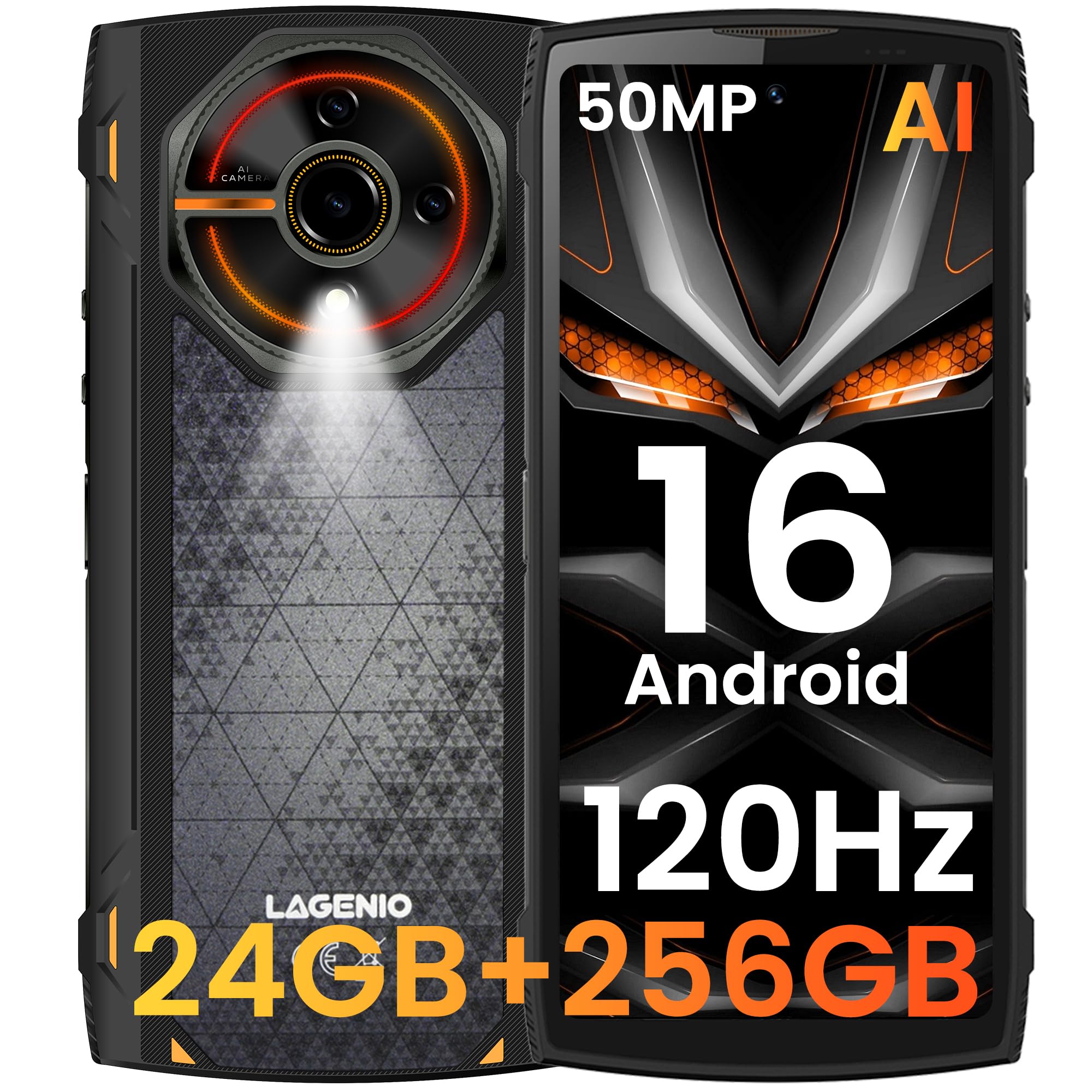
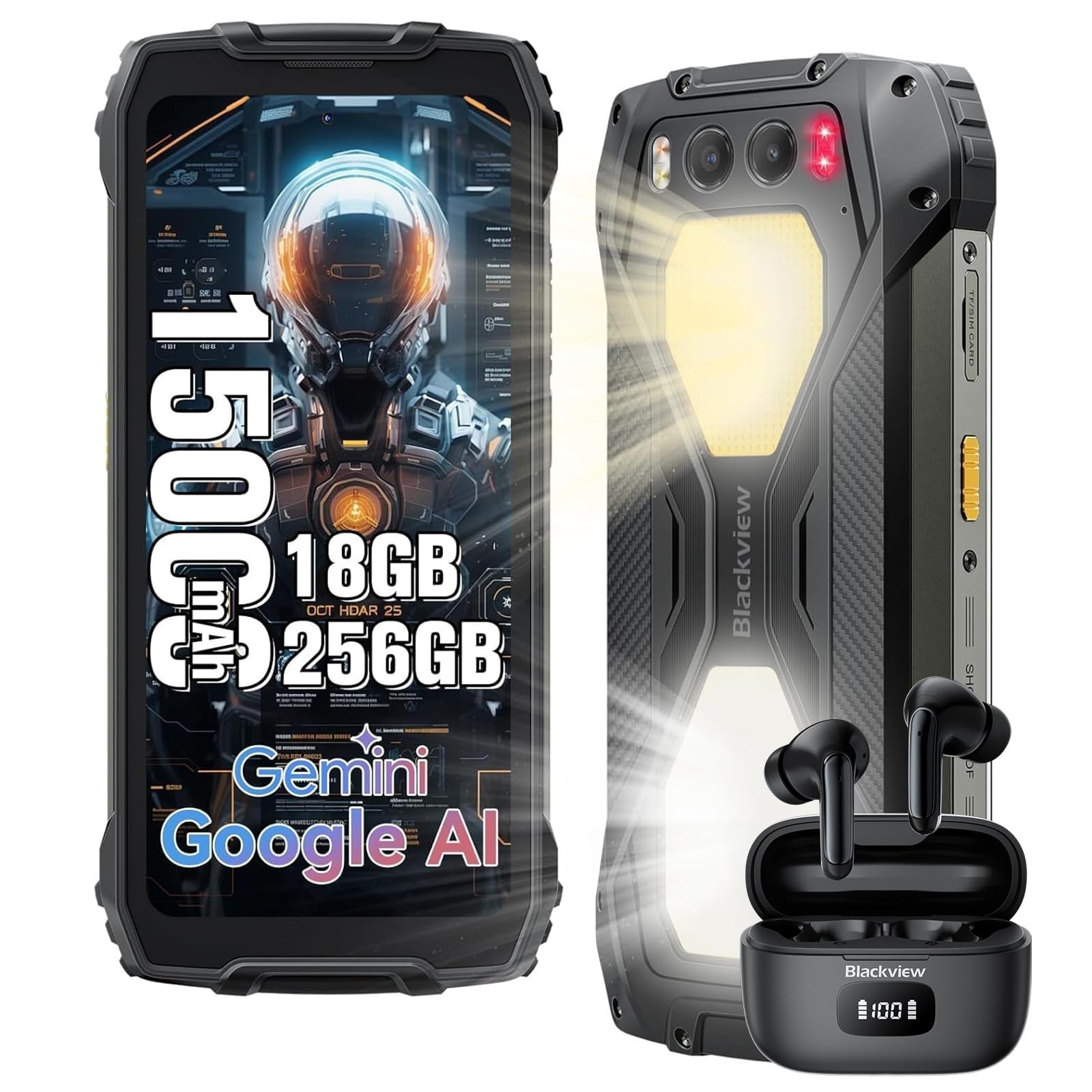
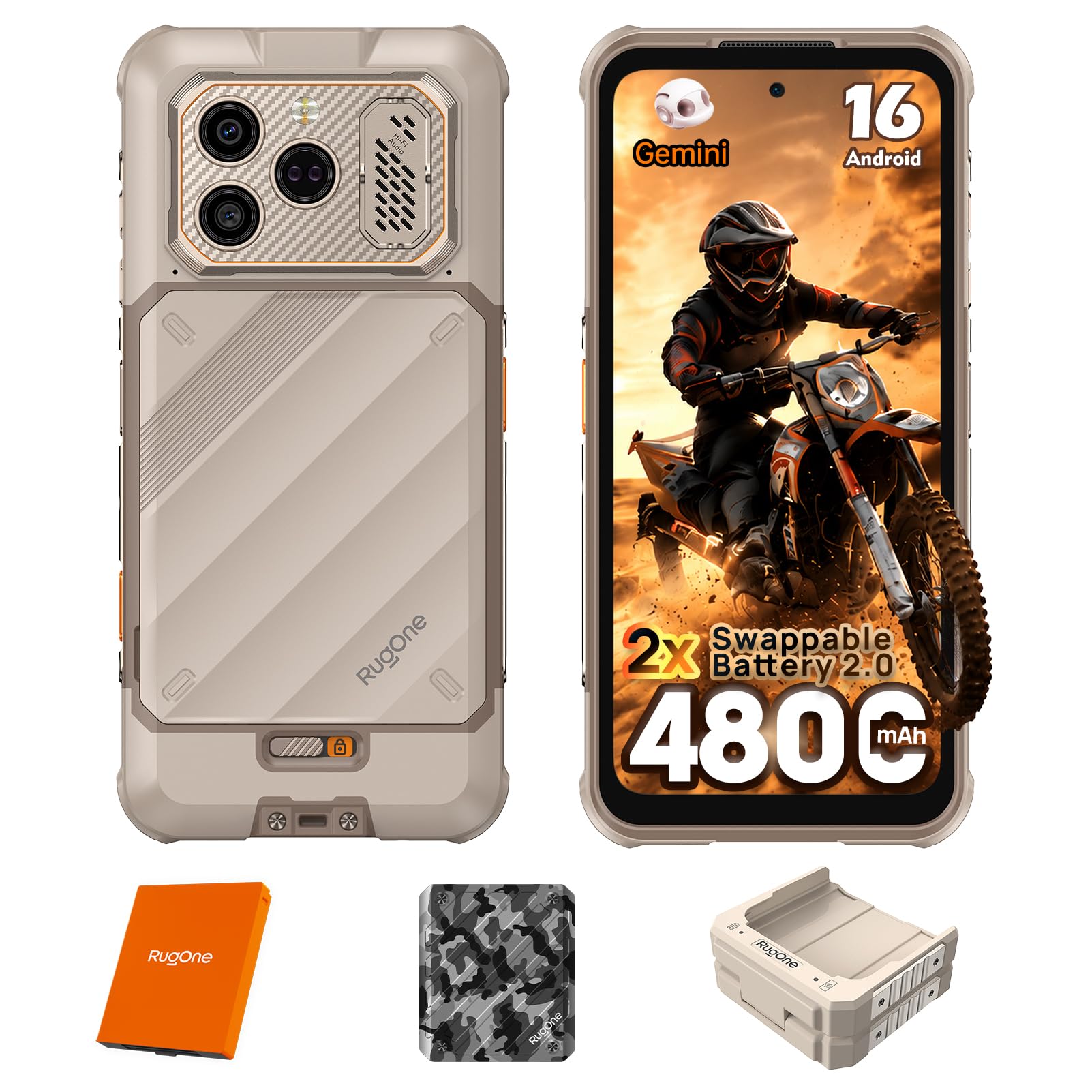
How to Evaluate Armored Smartphones
This checklist covers six areas that decide whether a rugged phone is pleasant to own for three or four years. Treat each area as a gate first and a score second. A model that clears every gate is worth comparing on price, while a model that fails one gate usually stays a problem for as long as you own it.
Display Size and Quality
Aim for a screen around 6.3 to 6.8 inches, big enough for maps and documents but still usable with gloves or one hand. An OLED panel gives deeper blacks and better outdoor contrast than a basic LCD, though a good LCD can be brighter. Look for a 120Hz refresh rate for smooth scrolling, and check peak brightness figures, because a dim rugged screen is hard to read on a sunny job site.
Storage Options
Choose 256GB if you shoot much video, since rugged phone buyers often record work progress, trails, or site conditions all day. A 128GB model suits lighter users who stream media and keep photos in cloud storage. A microSD slot adds cheap flexibility for offline maps and video files, but internal storage is faster, so buy the larger built in capacity when the price gap is modest.
Carrier Compatibility and 5G
Buy unlocked whenever possible so you can change carriers without replacing the phone. Check that the model supports the 5G and LTE bands your carrier actually uses in your area, not just 5G in general. Imported rugged phones often miss key United States bands, which leads to weak rural coverage and failed carrier activation. Confirm WiFi calling and emergency calling support with your carrier before ordering.
Build, Durability, and Water Resistance
Look for an IP68 rating at minimum, which means dust sealing and survival in shallow water for a limited time. Stronger models add IP69K protection against high pressure water jets, useful for washing off mud and concrete dust. Gorilla Glass or a similar strengthened glass should cover the screen, and raised corners, thick bumpers, and a textured back matter more than marketing photos of phones dropped from cranes.
Software Updates and Support Window
Ask how many years of operating system upgrades and security patches the maker promises in writing. Three years of security updates is a sensible floor, and four or more is better for a phone you plan to keep. Rugged brands vary widely here, and some ship with old software and no clear roadmap. A tough phone with abandoned software becomes a security risk long before its shell wears out.
Processor and Everyday Performance
A recent mid range processor with at least 8GB of RAM handles maps, messaging, photos, and multitasking without frustrating lag. Gamers and heavy multitaskers should look for 12GB and a chip with a stronger graphics unit. Battery capacity counts as performance too, so look for about 5000 mAh or more. Note that larger batteries add weight, and many rugged phones weigh far more than a standard phone.
Three Buying Profiles That Pass the Checklist
Instead of chasing a single winner, match the picks in the product table to one of these three profiles. Each profile clears the gates in the checklist, but trades weight, camera quality, and price in a different way.
The Balanced Profile
The balanced profile pairs an IP68 or better build with a bright 120Hz display, 256GB of storage, and a promised update window of at least four years. Expect to pay around $400 to $700 for this tier. It suits field workers, outdoor guides, and anyone who wants one phone for work and personal use. The main trade off is size, because even balanced rugged phones are thicker and heavier than mainstream models.
The Value Profile
The value profile keeps the durability basics, meaning IP68 sealing, strengthened glass, and a battery of about 5000 mAh or more, while accepting a simpler camera and an LCD screen. Prices in this tier often sit around $200 to $400. It fits buyers who mainly call, message, navigate, and photograph documents. Check the update promise carefully here, because low cost rugged phones cut software support first.
The Compact Profile
The compact profile favors a screen closer to 6 inches, a weight you can carry in a shirt pocket, and controls that work with one hand. You give up some battery capacity and sometimes the extra cameras found on larger models. Prices usually run around $300 to $600. If pocket comfort decides whether you carry the phone at all, this profile is the sensible one, and our notes on the best compact smartphones explain the size trade offs in more depth.
Quick Buyer Checklist
Run through these questions before you order, and treat any no answer as a reason to pause.
- Does the phone carry at least an IP68 rating from a named standard?
- Does it support every 5G and LTE band your carrier uses where you live and work?
- Is the update window stated in writing, with at least three years of security patches?
- Does the storage size fit your photo and video habits for the next three years?
- Can you hold the listed weight comfortably for a full day in your usual pocket or belt case?
- Does the screen stay readable in bright sun, based on its stated brightness figure?
- Is the warranty at least one year, with a clear repair route in your country?
If you are still torn between a rugged model and a mainstream phone in a strong case, our overview of the best smartphones ranked shows how standard flagships compare on cameras and software polish.
Red Flags to Watch For
- Vague durability claims. Words like military tough mean little without a named standard such as MIL STD 810H and a listed IP rating.
- No stated update policy. If the maker will not say how long patches last, assume support ends early.
- Missing band lists. A seller that hides the full band table may be selling a model built for another region.
- Unrealistic battery or camera numbers. Huge megapixel counts on a low cost phone rarely mean good photos, so compare sample based guides such as our look at the best smartphones with good camera before trusting spec sheets.
- Very short warranty. Coverage under a year, or warranty service that requires shipping the phone overseas at your cost, raises the real price of ownership.
Care and Maintenance Tips
Rinse mud and salt water off with clean fresh water, then dry the ports fully before charging. Use a screen protector even on strengthened glass, because sand scratches almost any surface. Keep software updated, back up your photos weekly, and avoid charging the phone in extreme heat, such as a closed truck cab in summer. Inspect seals and port covers monthly, since a torn cover quietly removes the water resistance you paid for.
Armored Smartphones: Your Questions Answered
How many years of updates should a phone get?
Look for at least three years of security patches and two major system upgrades, and prefer four years or more. Updates fix flaws that criminals actively exploit, so the support window matters as much as the hardware. A practical tip is to check the maker support page for the exact model before buying, because promises made for one product line may not cover rugged models.
Is a mid range phone good enough?
Yes, for most buyers a mid range rugged phone is good enough. Modern mid range chips handle navigation, video calls, and photography without strain, and you save around $200 or more against premium tiers. Spend the savings on storage or a spare charger. Go higher only if you play demanding games, edit video on the phone, or need the best night mode camera results.
How much storage do I need?
Most people should choose 256GB, because system files and apps keep growing and video fills space fast. A light user who streams everything can manage 128GB, especially with a microSD slot for media. Check your current phone storage screen before deciding, then double what you use now. That simple step prevents the most common regret rugged phone buyers report after a year.
Do I need 5G?
You need 5G if you plan to keep the phone for three years or more, because carriers keep shifting capacity toward 5G networks. In rural areas LTE still carries most traffic, so band coverage matters more than the 5G logo itself. Also note that some rugged phones support only slower sub 6GHz 5G, which is fine for everyday use and often gives better range than the fastest city only variant.
Should I buy unlocked?
Yes, buy unlocked unless a carrier deal is dramatically cheaper and you are certain about coverage. An unlocked phone lets you switch carriers after a move, use a local SIM while traveling, and avoid carrier bloatware. Just confirm the exact model number appears on your carrier compatibility list before ordering. Shoppers weighing slimmer alternatives can also read our guide to the best flip smartphones for a different take on durable hinges and compact carry.
Wrapping Up
Start with the gates that cannot be fixed later: full carrier band support, a written update window, and a genuine IP68 rating. Then choose a profile from the product table based on weight, storage, and price, and check the value tier guides like the best bargain smartphones if your budget is tight. Get those basics right and the best armored smartphones become an easy, confident choice rather than a gamble on toughness claims.


