Best Archery Sets for Youth: The Buyer Checklist We Use for 2026
Disclosure: We may earn a commission when you buy through links on this page, at no extra cost to you. As an Amazon Associate I earn from qualifying purchases. Learn more

Use this checklist to choose the best archery sets for youth, covering draw weight, sizing, safety gear, durability, and value for young archers at home.
Buying archery gear for a young shooter is mostly a sizing and safety decision. A bow that is too heavy or too long will frustrate a child within one session, while a well matched set builds confidence quickly. This checklist walks you through judging best archery sets for youth on draw weight, fit, protective gear, durability, and what is included in the box. Use it alongside the comparison table below, and plan on adult supervision for every session, since safe habits matter more than arrow speed at this age.




How We Evaluate Archery Sets
Six checks separate a thoughtful youth set from a toy in a bigger box. Work through them in order, because fit and safety come before materials or price. For a wider view of bow styles across all ages, see our guide to the best archery sets before you settle on a youth specific design.
What Kids Should Look For
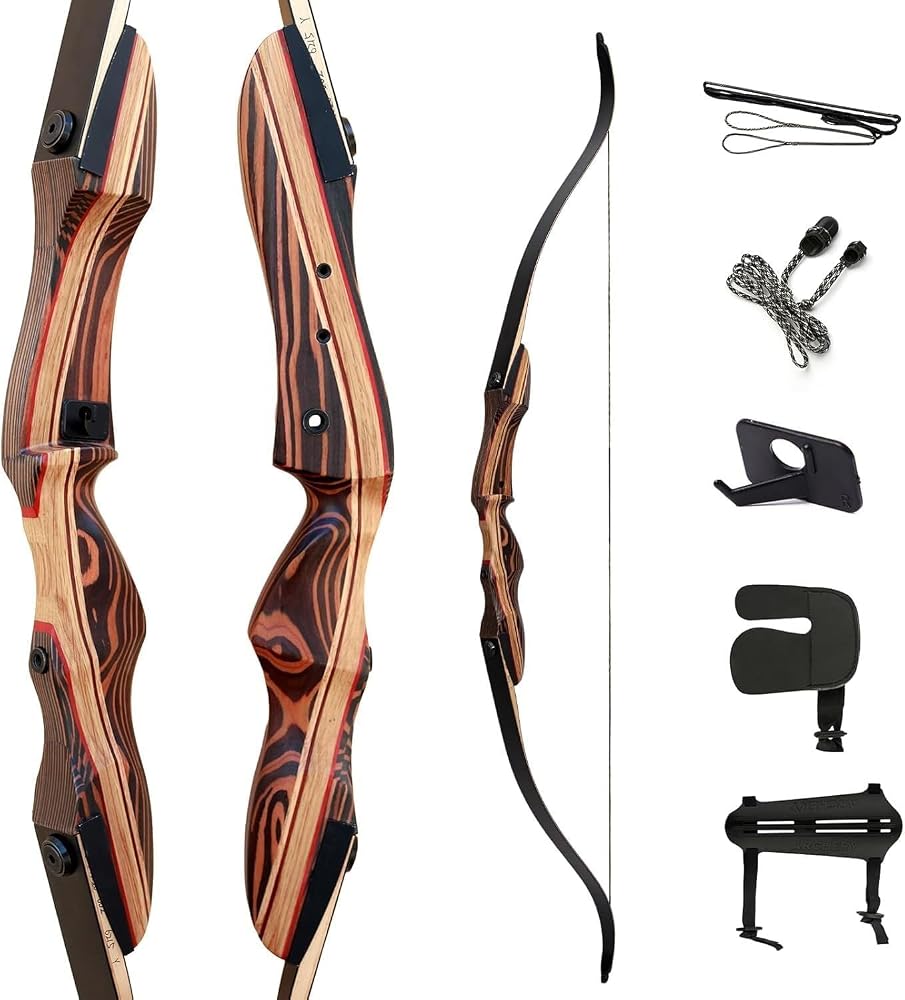
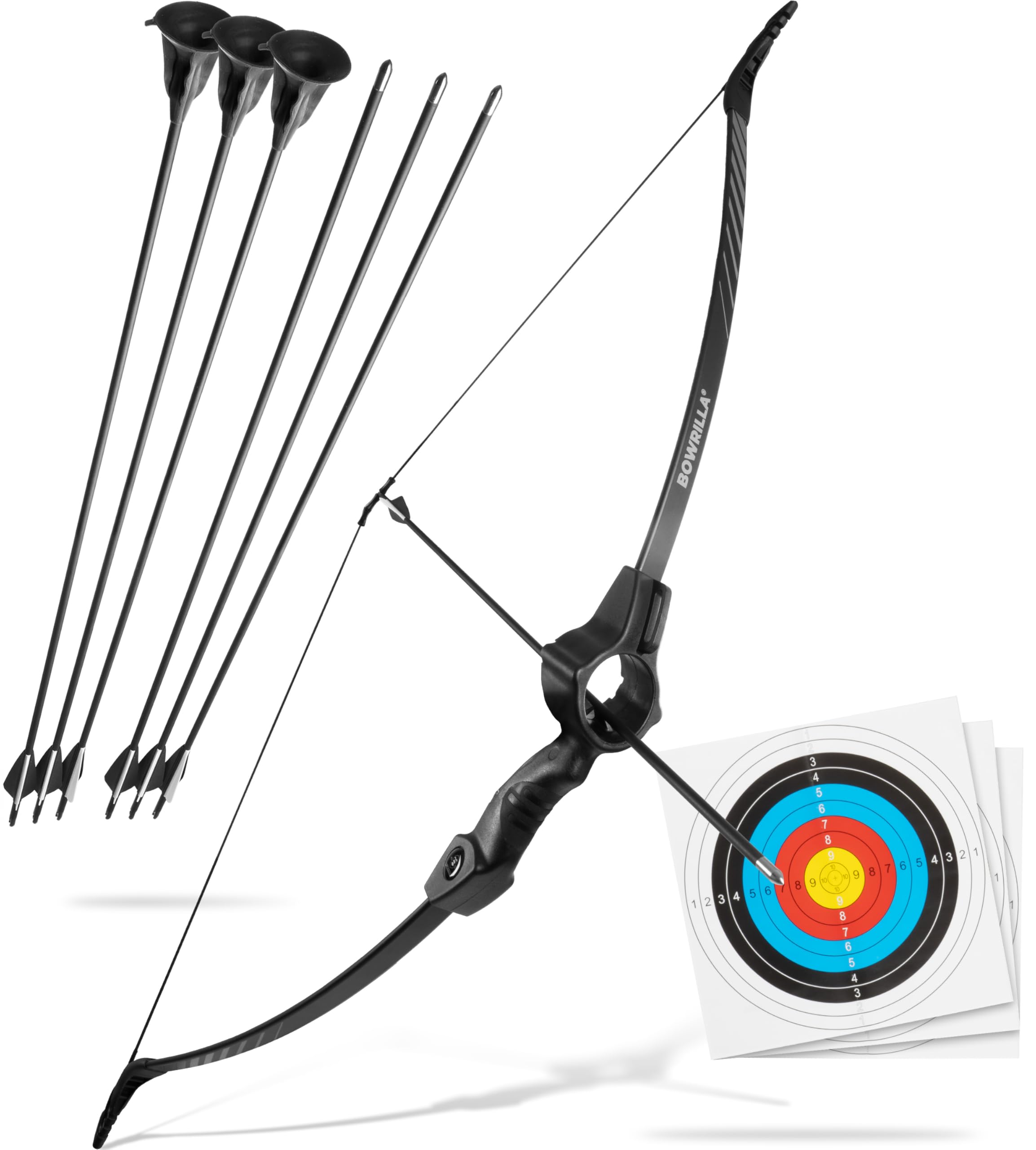
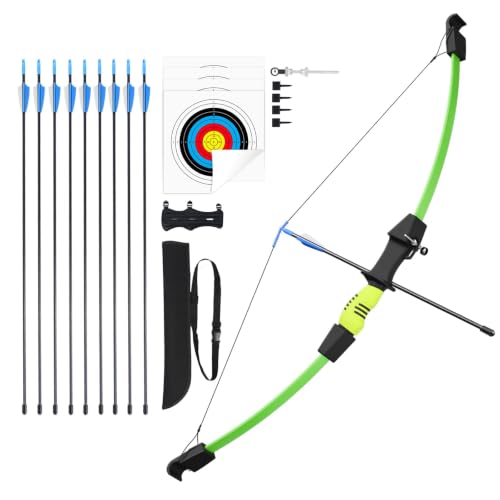
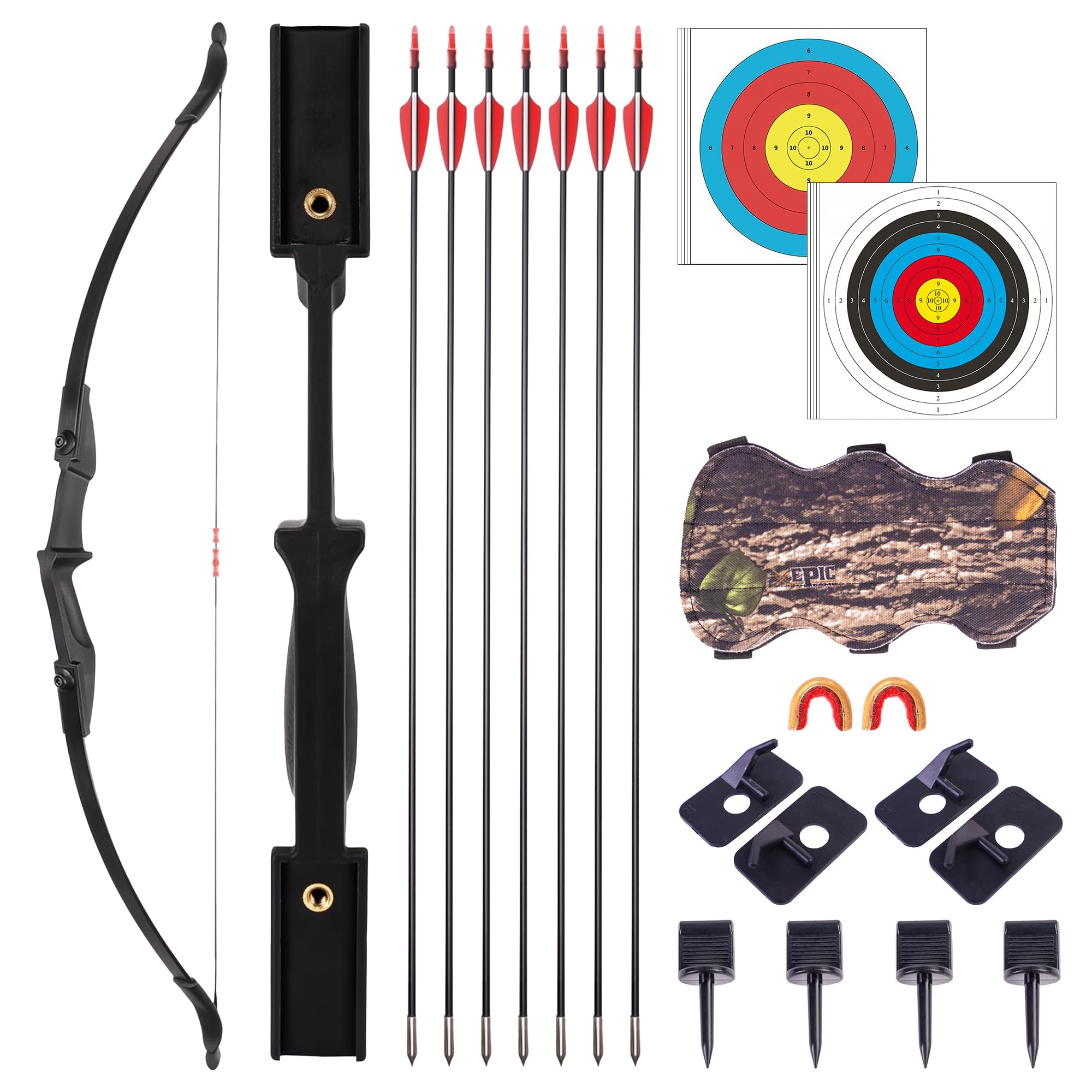
Young archers need a bow they can draw without leaning back, shrugging, or twisting the bow hand. Look for smooth edges, a grip small enough for a child hand, and instructions written in plain steps a parent can follow. Bright arrow fletching helps kids track shots and find arrows in grass. Sets that include a target, an arm guard, and a finger tab let a child start safely on day one instead of waiting for extra orders to arrive.
Skill Level and Intended Use
Match the set to where the shooting will happen: a backyard at short range, a school club, or a junior program at a range. First time shooters do best with a simple recurve and no sights, since there is less to adjust and less to break. A child moving into a club may later want a bow that accepts a basic sight and rest. Avoid adult compound designs for young beginners. Their draw cycles, release aids, and maintenance needs assume strength and habits a child is still building.
Size, Weight, and Fit
Fit starts with draw length. Have the child stretch both arms out and measure fingertip to fingertip, then divide by 2.5 for a working estimate. Bow length should rise with that number, and total bow weight should stay low enough that the child can hold the bow up at arm length without the front shoulder climbing toward the ear. Draw weight is the key number. Many younger children start under 15 lb, while older youth often start around 15 to 25 lb, always choosing the lighter option when in doubt.
Safety and Certifications
Safety gear is not optional. An arm guard prevents string slap bruises, and finger protection prevents sore, blistered fingers that end sessions early. Check that arrows are long enough that the point stays ahead of the riser at full draw, even as the child grows. Look for clear age guidance, sturdy packaging of sharp points, and maker instructions that state basic range rules. Teach three rules from the start: never dry fire a bow, never point it at a person, and never walk downrange until every bow is set down.
Materials and Construction
Youth sets take knocks that adult gear avoids, so durability counts. Composite and fiberglass limbs forgive drops and damp grass better than delicate wood finishes. A molded or light alloy riser resists dents, and arrows with flexible shafts survive hitting target frames. Inspect limb tips and string servings for fraying, since worn servings are common on hard used sets. Takedown designs earn a bonus here: when a child outgrows a limb weight, you can swap limbs instead of replacing the whole bow.
Value and Included Accessories
Count the true starter cost, not just the bow price. A set with six or more arrows, a target, an arm guard, a finger tab, and a carry case may cost less overall than a bare bow with each item bought later. Spare strings and extra arrows add real value for families, since lost arrows are part of youth practice. Warranty length matters less than easy access to replacement limbs and strings. A low price means little if the one part your child outgrows cannot be replaced.
Three Price Tiers That Pass Our Checklist
Use the tiers in the product table above as a guide to what each budget level usually delivers for a young shooter. No tier names a specific model, because fit matters more than any single design.
Best Overall Tier
The overall tier, often around $100 to $200, fits a child who has tried archery at camp or school and wants to keep going. Expect a takedown recurve with two limb weight options or an upgrade path, a dozen durable arrows, a layered foam target, and full protective gear. Cases tend to be padded and sized for the full kit. The drawback is that a fast growing child may still outgrow the riser in a couple of years. For a committed young archer, this tier balances growth room, safety, and build quality best.
Best Value Tier
Value sets, often around $40 to $100, suit a curious child and a cautious budget. You usually get a light one piece or takedown bow, a few arrows, a simple target, and basic protection. That is plenty for short range practice and learning range rules at home. Trade offs include thinner targets that wear faster, fewer arrows, and limited limb options later. This tier shines as a trial step. If interest sticks after a few months, the natural upgrade path leads toward the best archery sets for beginners with more adjustability.
Best Premium Tier
Premium youth sets, often around $200 to $350, fit club members and siblings who will share one kit for years. Look for a quality riser that accepts standard limbs, a hard case, a dense target, and arrows in matched sets of twelve. Some include a basic sight and a bow stand. The cost is the obvious limit, and premium gear can be heavier than a small child can hold steady. Buy this tier when a coach confirms the specs, not as a first guess. Older teens may instead compare the best archery sets for adults in the lowest draw weights.
Quick Buyer Checklist
Answer each question honestly before you order. A single no on fit or safety should send you back to the comparison table above for another option. Families who also shop other youth sports gear, such as the best youth golf sets, will recognize the same pattern: size first, growth room second, and price last.
- Can your child draw the bow smoothly without leaning back or shrugging?
- Does the bow length match your child draw length on the maker size chart?
- Are the included arrows long enough to stay safe as your child grows?
- Does the set include an arm guard and finger protection in child sizes?
- Is the target rated for the draw weight, with a safe backstop behind it?
- Can limbs or draw weight change as your child gets stronger?
- Will an adult supervise every session, without exception?
Red Flags to Watch For
Be cautious with sets that list no draw weight, no bow length, and no age guidance, since fit is the whole point of youth gear. Toy grade suction cup sets sold beside real bows blur an important line, and children should learn that a real bow is never a toy. Short or missing warranties, arrows of mixed random lengths, and targets with no stated weight rating are further warnings. Marketing that stresses power or hunting for young children is a poor sign. Youth archery should stress control, grouping, and safe habits first.
Care and Maintenance Tips
Store the bow out of direct sun and extreme heat, and unstring a recurve that will sit unused for weeks. Check the string, limbs, and every arrow shaft before each use, and pull cracked arrows out of the quiver at once. Clean and dry parts after outdoor sessions so grips and target cores do not mildew. One practical habit helps a lot: end each session by counting arrows back into the case with your child, which builds a safety routine and prevents a lost shaft from waiting in the grass for a bare foot.
FAQs
What makes archery sets for kids different?
Kid focused sets use lower draw weights, shorter bows, and smaller grips than adult sets, and they bundle protective gear that adult sets often leave out. Arrows are chosen for durability over speed. The biggest difference is intent: youth sets are teaching tools built around supervision and short practice lanes, while adult sets assume a trained shooter with a full range setup and personal gear already chosen.
What size should I get?
Start with draw length, estimated by dividing arm span in inches by 2.5, then match bow length to the maker chart. When your child falls between sizes, pick the longer bow and the lighter draw weight. Growth argues for takedown designs with swappable limbs. Recheck fit every few months during growth spurts. If the arrow point starts sitting close to the riser at full draw, it is time for longer arrows.
Is it worth buying premium as a beginner?
Premium youth gear pays off mainly for club shooters who practice weekly and will hand the kit down to a sibling. For a first season, the overall or value tier usually teaches the same stance and release skills. Money saved on the bow can fund lessons, range fees, and replacement arrows, which young archers go through quickly. Step up only when a coach names the specs your child needs for the next stage.
Indoor vs outdoor: does it matter?
Yes. Indoor club lanes control wind and lighting, so lighter arrows and lower draw weights work well and lost arrows are rare. Outdoor practice adds wind drift, glare, and grass that hides arrows, so bright fletching and slightly heavier shafts help. Both settings need the same non negotiable basics: a backstop, a clear downrange area, and an adult calling the line. Never set up a home lane where a door or path crosses behind the target.
How long does it last?
The bow itself can serve for years, but children often outgrow the fit before parts wear out. Strings usually need replacing about once a year with regular shooting. Targets last longer when you rotate the face and keep shots at the rated weight. Expect arrows to be the main ongoing cost. A takedown bow with replaceable limbs stretches the useful life of a set across several growth stages, which is why it anchors most smart youth purchases.
Wrapping Up
Fit, safety gear, and growth room decide whether a youth set gets used or shelved. Confirm the draw weight your child can control, insist on an arm guard and finger protection, and favor limbs that can change with time. Then compare your finalists in the product table above and choose the best archery sets for youth option that your child can shoot well today, not the one that looks most impressive in a photo.