
Best Archery Targets for Crossbows in 2026: Our Checklist for Choosing Well
Disclosure: We may earn a commission when you buy through links on this page, at no extra cost to you. As an Amazon Associate I earn from qualifying purchases. Learn more

Use this checklist for the best archery targets for crossbows to compare stopping power, bolt removal, size, and value before you buy a target.
Crossbows hit harder and faster than vertical bows, so a target that works for a recurve can fail in a weekend with a modern crossbow. Bolts bury deep, pass through worn foam, and damage fletching when removal takes real force. This checklist for the best archery targets for crossbows shows you how to judge stopping power, removal, and durability before you buy.
Work through the criteria in order. Speed rating and depth come first, because no handle design fixes a target your bolts pass through. Then use the comparison table below to match target styles to your bow speed and practice goals.

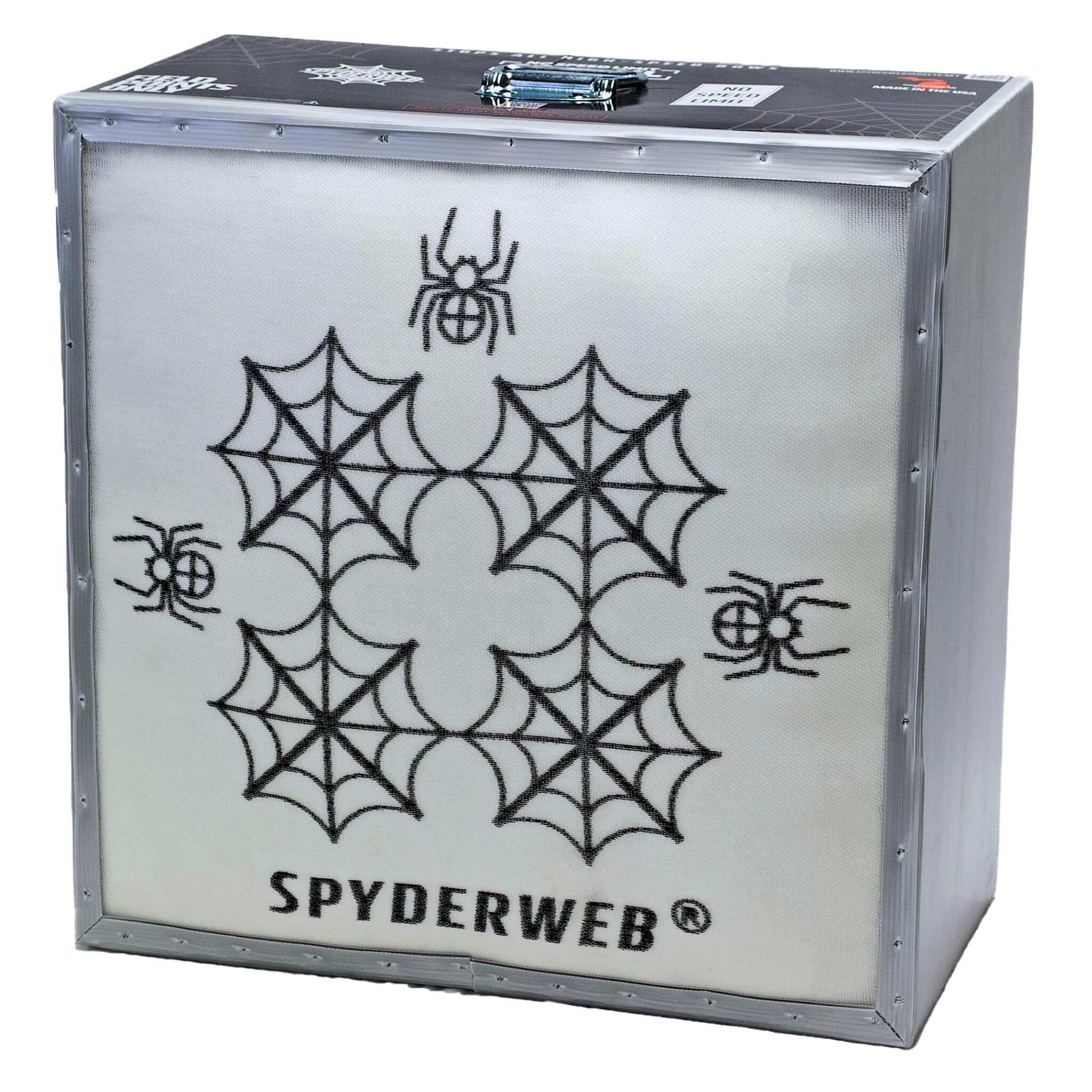
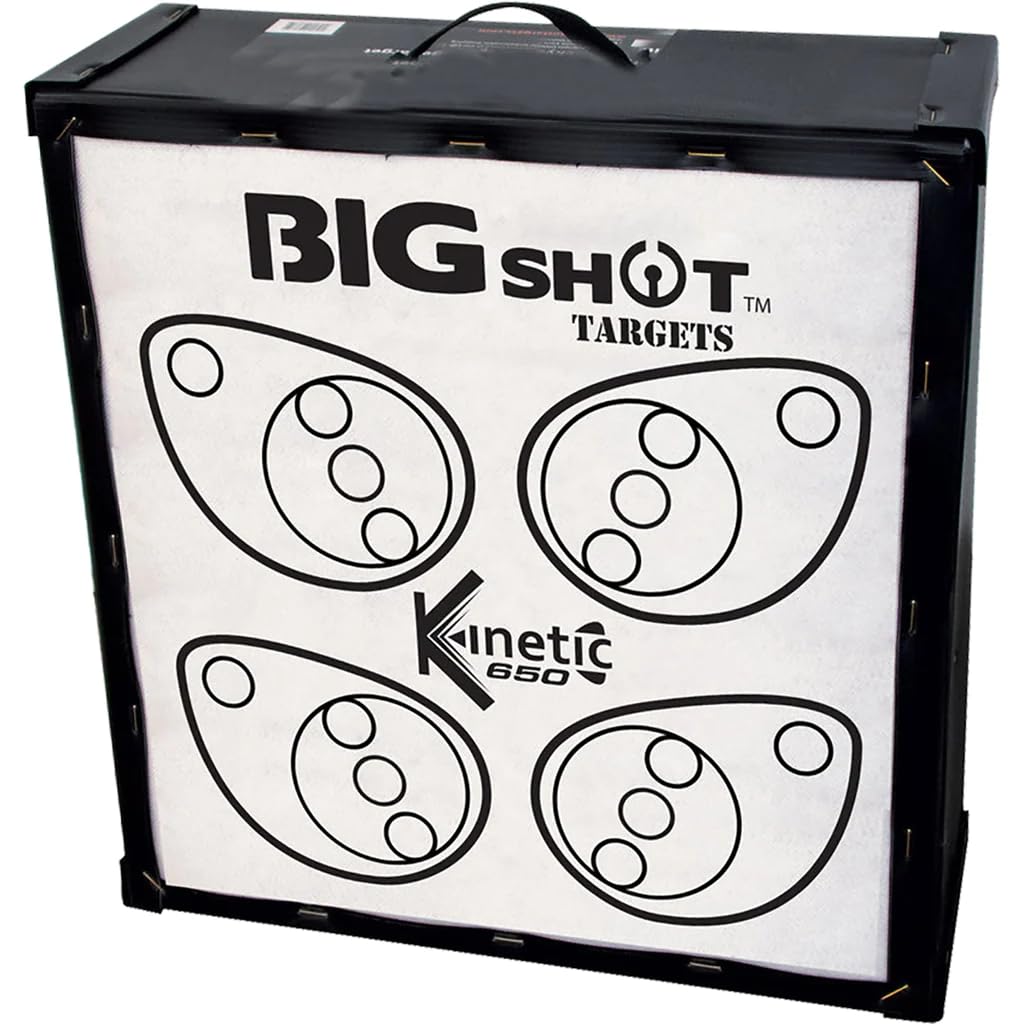

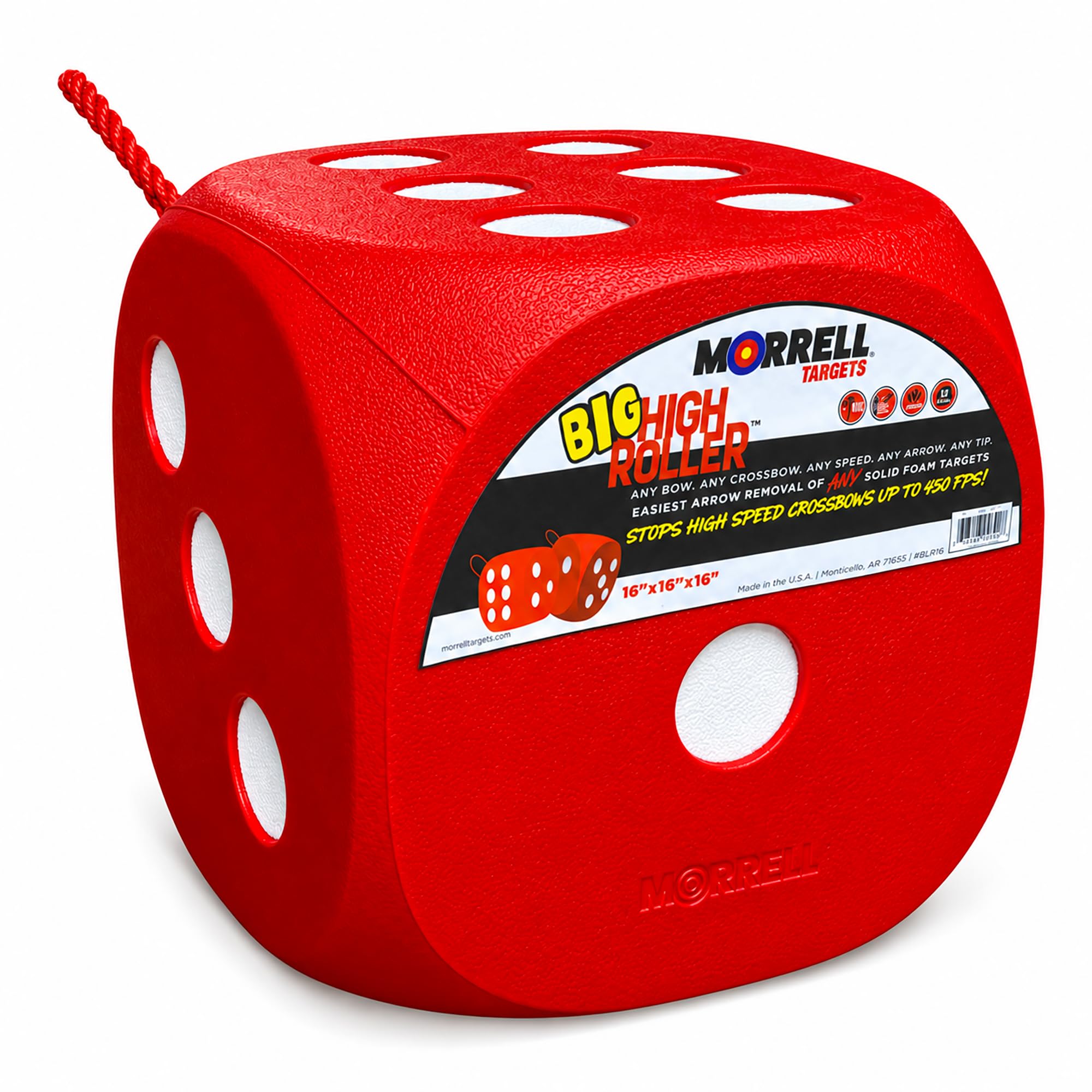
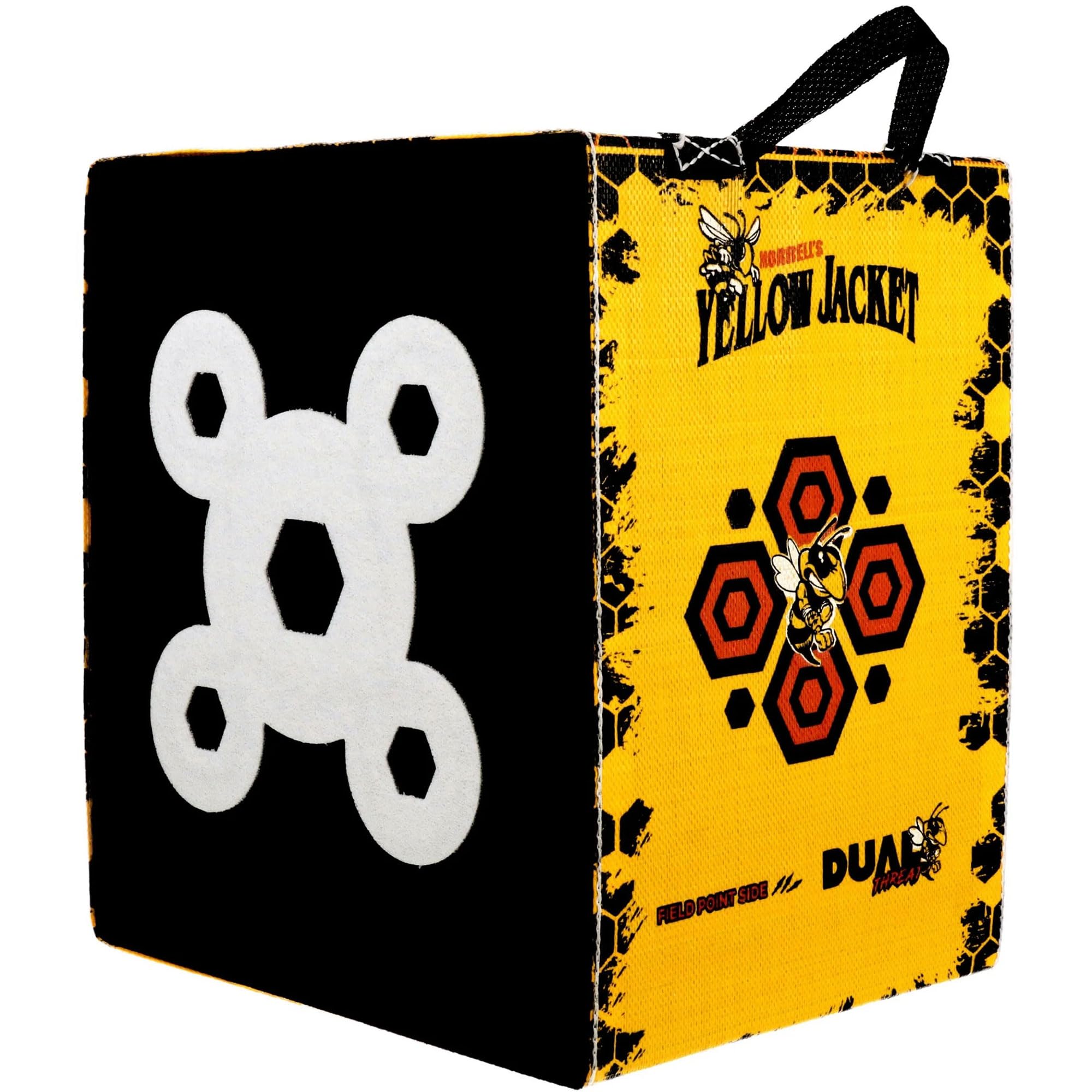


How We Evaluate Archery Targets
Think of evaluation as six tests. A target must stop your bolts, release them without a fight, survive repeated hits in the same spots, and stay stable and visible.
Features That Matter for Crossbows
Crossbow targets need a stated speed rating that covers your bow. If your crossbow shoots about 400 feet per second, choose a target rated clearly above that figure to allow for close range shots, where bolts arrive with full energy. Depth matters just as much. A target around 12 to 18 inches deep gives foam or fill more room to slow a bolt before the fletching reaches the face.
Also check point type guidance. Many foam targets suit field points only, while broadhead use requires foam made to be cut and to heal around blades. Shooting broadheads into a bag target ruins the bag and the blades, so see our guide to the best broadhead target for crossbows for blade safe options. Our guide to the best target for high speed crossbows explains the extra margin fast bows need.
Skill Level and Intended Use
New crossbow owners need a large, forgiving target face and easy bolt removal while they learn aiming and safe handling. Frequent practice shooters need replaceable cores or covers, because the center wears first. Hunters need broadhead practice close to the season and a target that confirms point of impact with hunting heads, which can fly differently from field points.
Match the target to the session you run most. Sight in work at 20 to 40 yards rewards a big face with clear aiming dots. Long range practice rewards high contrast markings. If you only hunt, a smaller broadhead capable target plus a large field point target often beats one target asked to do everything.
Materials and Construction
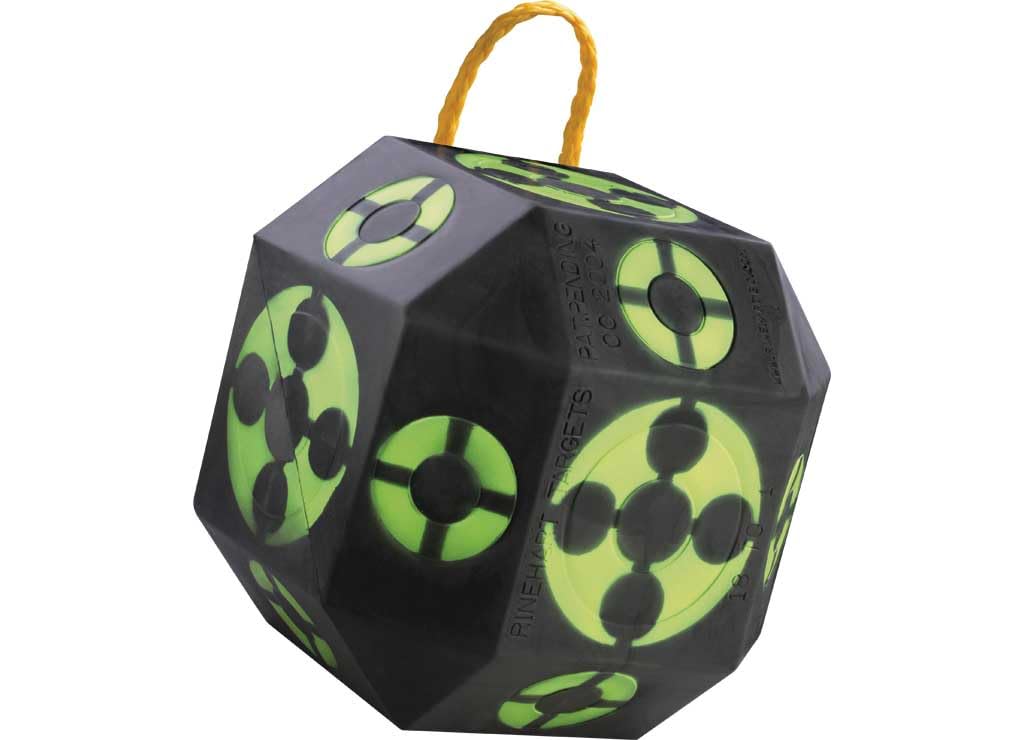
Bag targets use a synthetic fill inside a woven cover. They stop field points well and release bolts with a light pull, but broadheads cut the cover and fill. Layered foam targets stack sheets of foam, so bolts slide between layers and pull out smoothly, and worn layers can sometimes be restacked. Solid foam block targets compress foam into a dense core that handles higher speeds and broadheads, at a higher price.
Self healing foam, used in many 3D and broadhead targets, closes around cuts and extends life for blade use. Construction quality shows at the seams and straps. A target that bulges, leans, or sheds fill after a few sessions was built lightly for its rating. Very light targets with very high speed claims deserve extra caution and a solid backstop during first use.
Portability and Storage
Portability decides where you can practice safely. Light bag targets, often about 15 to 25 pounds, move easily and hang from a stand or frame. Dense foam blocks for high speed bows can weigh 40 pounds or more and need a cart or a fixed spot. A flat base matters if the target stands on its own.
Storage affects lifespan. Foam and fill last longer stored dry and out of direct sun, since ultraviolet light and moisture break materials down. If the target will live outdoors, choose a cover and accept a shorter life.
Size, Weight, and Fit
Face size should match your distance and skill. An 18 to 24 inch face gives new shooters room for error at 20 yards and reduces lost bolts. Smaller faces around 16 inches suit confident shooters and save weight and cost, but they punish stray shots and wear out faster, because hits concentrate in a small area. More aiming spots spread wear and extend useful life.
Weight also keeps a target upright. A light target can tip or shift when a fast bolt strikes high on the face. Use a stand, hang the target so it can swing slightly to absorb energy, or brace a block target at the base. Stable placement is part of accuracy, and it keeps bolts from striking at odd angles that bend shafts.
Performance Characteristics
The daily test is bolt removal. A good crossbow target releases bolts with a firm one hand or two hand pull and no twisting. If you need a mechanical puller for every shot, practice slows and fletching suffers. Stopping consistency matters next. Bolts should stop at similar depths across the face, not sink to the fletching at the center while stopping shallow at the edges.
Visibility is the third trait. High contrast aiming points you can see through your scope save trips downrange, and replaceable faces refresh them cheaply. A know how tip is to track bolt depth in your center spot each month. A steady increase is your early warning that the core is spent, long before a pass through proves it.
Three Target Styles That Pass Our Checklist
Instead of naming individual models, use these three proven styles as your shortlist. Each passes the core tests for a different kind of shooter and has one clear limit to accept before buying. Match style to bow speed and point type first.
Best Overall: Layered Foam and Foam Block Targets
For most crossbow owners, a quality foam block or layered foam target is the best overall choice. It handles a wide range of speeds, stops field points with control, and removes bolts without drama. Many models in this style offer four or five shooting faces, which spreads wear and multiplies lifespan compared with a single face target at the same price, often about $80 to $180.
The limit is broadhead use. Only shoot broadheads into a block if the maker states broadhead use in writing, and expect faster wear in that spot. For mixed practice, reserve a broadhead rated section or second target for preseason checks.
Best Value: Bag Targets for Field Points
Bag targets deliver the best value for field point practice. Prices often run about $40 to $90, bolt removal is the easiest of any style, and replaceable covers refresh the aiming face for a fraction of a new target cost. For new owners sighting in at 20 to 40 yards, a large bag is forgiving, affordable, and pleasant to shoot.
The limit is strict. Bags are for field points only, and very high speed bows can outpace smaller bags at close range. Confirm the speed rating covers your bow with margin, hang the bag so it swings to absorb energy, and stop using it when bolts begin to sink past the midpoint of the shaft. Within those rules, a bag covers most practice needs.
Best for Heavy Use: High Density Foam and Replaceable Core Targets
Frequent shooters and high speed bow owners should look at high density foam targets with replaceable cores. The dense core stops fast bolts at close range, and when the center wears, you replace the core instead of the whole target. Up front cost is higher, often about $150 to $300, but cost per season drops for anyone shooting weekly.
This style also suits broadhead verification, since many high density models accept blades. The trade off is weight and harder bolt removal when the foam is new, so a bolt puller grip is a wise small purchase. For hunters who practice all year, the durability math wins.
Quick Buyer Checklist
- Is the target speed rating clearly above the speed of my crossbow?
- Is the target deep enough, at about 12 inches or more, for close range shots?
- Does the maker state in writing whether broadheads are allowed?
- Can I remove a bolt with a firm pull and no twisting?
- Is the face large enough for my skill at my main practice distance?
- Are replacement covers, faces, or cores available for this style?
- Can I store the target dry and out of direct sun between sessions?
- Do I have a safe backstop behind the target for a worn core or a stray shot?
Red Flags to Watch For
Walk away from targets with vague speed claims such as suitable for all bows and no number attached. Be wary of very light targets claiming extreme speed ratings, of no stated depth, and of listings that never mention point types. A short or missing warranty on a premium priced target is another warning sign, as is a cover with no replacement option, since covers are wear parts.
Reports of bolts passing through in the first weeks deserve serious weight. One pass through can mean a damaged bolt or a safety risk behind the target. Also avoid any target that leans, bulges, or loses fill when new, since construction flaws grow with use.
Picking the Right Archery Targets for Different Uses
Most owners end up happiest with one main target for field point practice and a second option for special work, such as broadhead checks or realistic hunting practice. That split extends the life of both. If you are still choosing the bow itself, compare our guides to the best quality crossbows and the best inexpensive crossbows, then match the target to its speed.
Best 3D Archery Targets for Crossbows
When you compare the best 3d archery targets for crossbows, judge the core first. A replaceable vital area core is essential, because that small zone takes nearly every hit. Next confirm the foam accepts your point type, since many 3D bodies suit field points while the core handles broadheads. Finally check stability, because a life size body that tips in wind wastes practice time. Use 3D targets to judge distance and shot angles before hunting season.
Setup and Care Tips
Set the target at a measured distance on level ground with a safe backstop behind it. Hang bag targets so they swing slightly, and set block targets flat and braced. Store the target out of direct sun and heat, check wear before each use by noting bolt depth, and clean and dry arrows after outdoor use.
Rotate shooting faces so wear spreads evenly. Pull bolts straight out, aligned with the entry angle, to protect shafts and fletching. Never shoot at a target that let a bolt pass through. Keep the bow pointed downrange, keep fingers below the rail, and follow the maker manual for your bow and target.
Archery Targets: Your Questions Answered
What features matter most in archery targets for crossbows?
Speed rating, depth, and bolt removal matter most. The rating must exceed your bow speed with margin, and the target should be about 12 inches or deeper for close work. After that, check point type rules and face size. A target that stops bolts but needs a tool to release every one will frustrate practice and damage fletching over time.
What size archery target should I get for a crossbow?
Get an 18 to 24 inch face if you are new, shoot at varied distances, or practice with family members. That size forgives small aiming errors and spreads wear. Confident shooters at set distances can use about 16 to 18 inches and save weight. Whatever face you choose, depth and speed rating matter more than face size for safety, so never trade depth away for a larger printed face.
Is a premium archery target worth it for a beginner?
A premium target is worth it only if your bow is fast. Beginners with bows above about 370 feet per second need the stopping power of dense foam from day one, regardless of skill. Beginners with slower bows can start with a good bag target and upgrade later. Skill level does not set the target class, bow speed does. Buy for your equipment first and your ambition second.
How long does a crossbow archery target last?
Lasting time depends on shot count, bow speed, and point type. A bag target in weekly field point use often lasts one to two seasons before the cover and fill tire, while a foam block with several faces can last longer, and a replaceable core extends life further. Broadhead use shortens any target life quickly. Retire or repair a target when bolt depth grows month by month.
Does indoor or outdoor use matter for a crossbow target?
Yes, setting changes wear and setup. Indoor ranges control distance and backstops, so you can use smaller targets safely. Outdoors adds sun, moisture, and uneven ground, so you need a stable stand, dry storage, and a backstop you control. Outdoor targets stored outside age much faster. If you shoot in a yard, confirm local rules and ensure no path, road, or neighbor property sits beyond your backstop.
Wrapping Up
Judge every target by speed rating, depth, and bolt removal before you look at price or paint. Those three traits decide safety, practice quality, and lifespan. Then match style to use, with bags for value field point work, blocks for all around duty, and high density cores for heavy use.
Chosen with this checklist, the best archery targets for crossbows stop bolts cleanly and keep practice enjoyable for seasons. Compare your finalists in the product table above, confirm the rating against your bow speed one last time, and retire any target the moment bolts start passing deeper than they should.


