
Best Arch Support Shoes for Standing at Every Price for 2026: What Your Money Really Gets You
Disclosure: We may earn a commission when you buy through links on this page, at no extra cost to you. As an Amazon Associate I earn from qualifying purchases. Learn more

A price tier guide to the best arch support shoes for standing, covering cushioning, fit, arch height, and what each budget level really delivers.
Supportive shoes for long days on your feet can cost under $50 or well over $200, and the difference is not just a logo. Foam quality, arch shape, and outsole rubber decide whether your feet feel fine at hour two or start aching before lunch. This guide sorts the best arch support shoes for standing by budget, so you can see exactly what each price level buys you.
The comparison table below gives you a fast scan of prices and key specs side by side. The sections after it explain the trade offs behind those numbers, tier by tier, in plain terms you can use in a store or online.

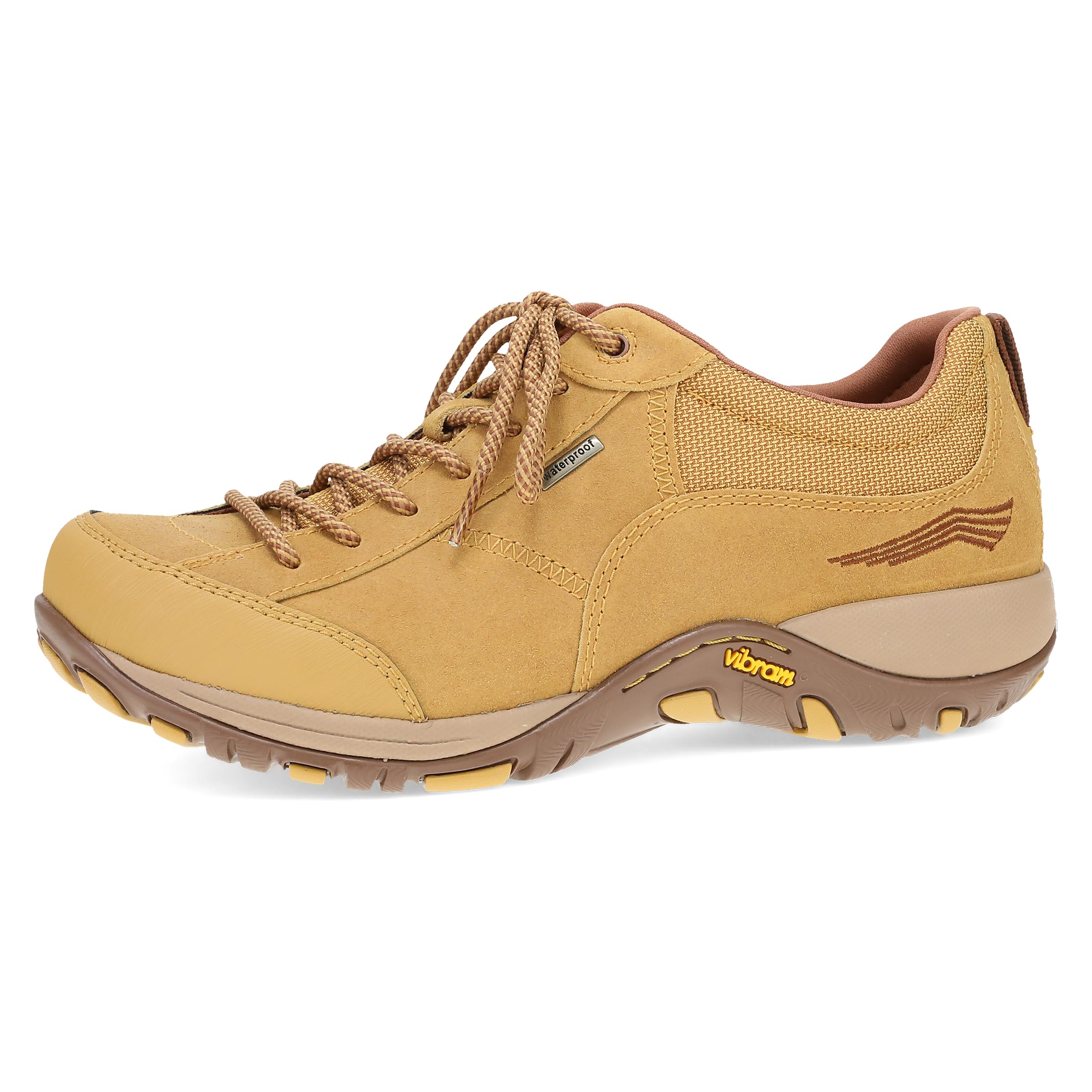


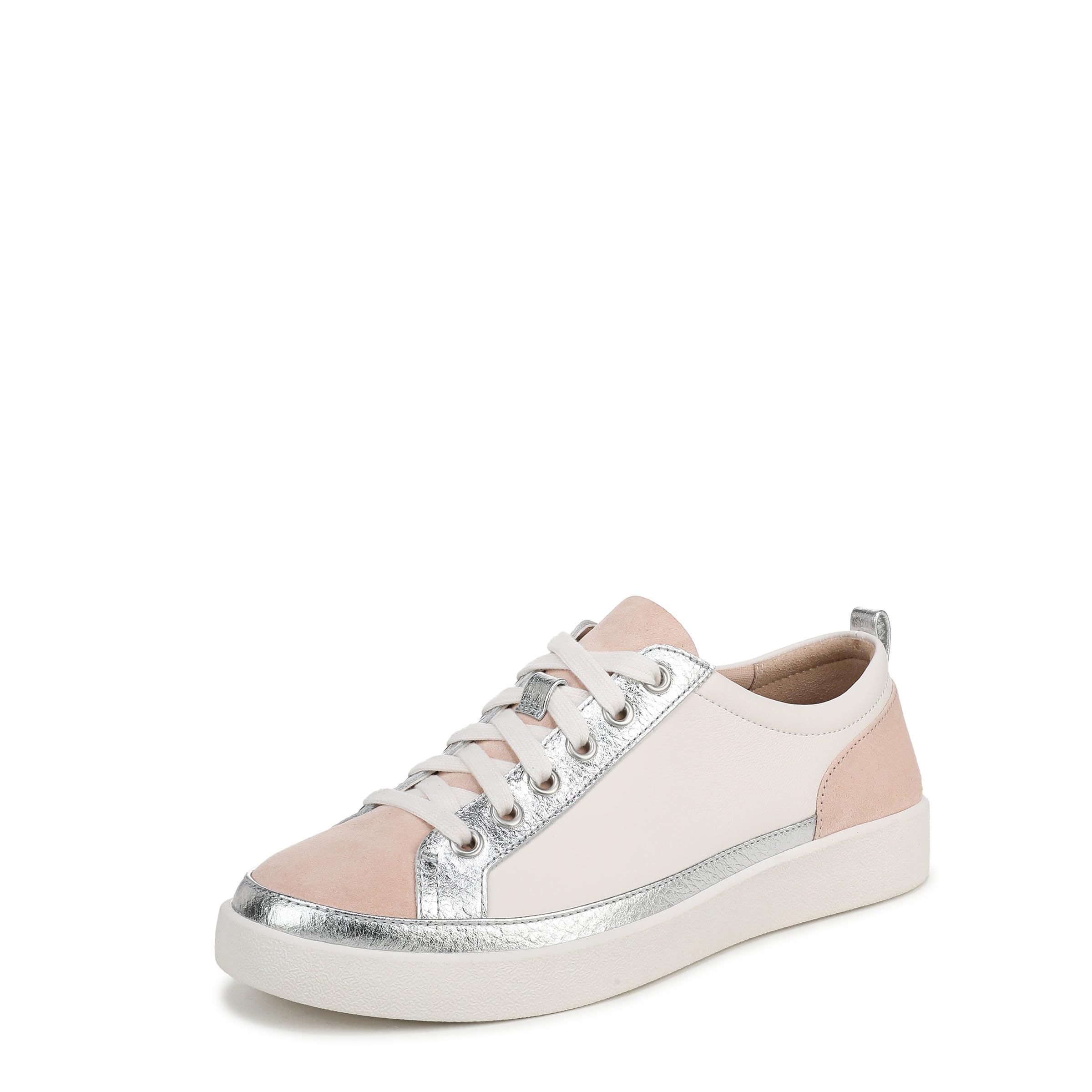
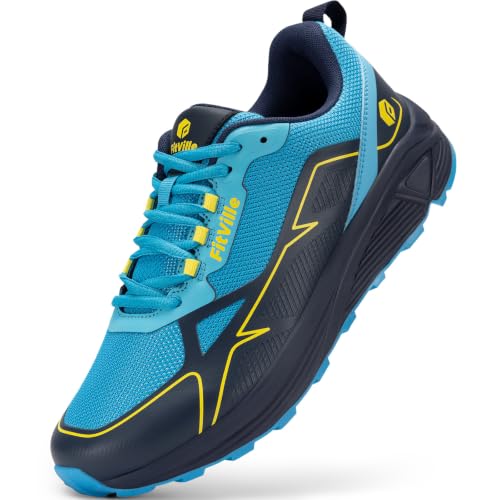


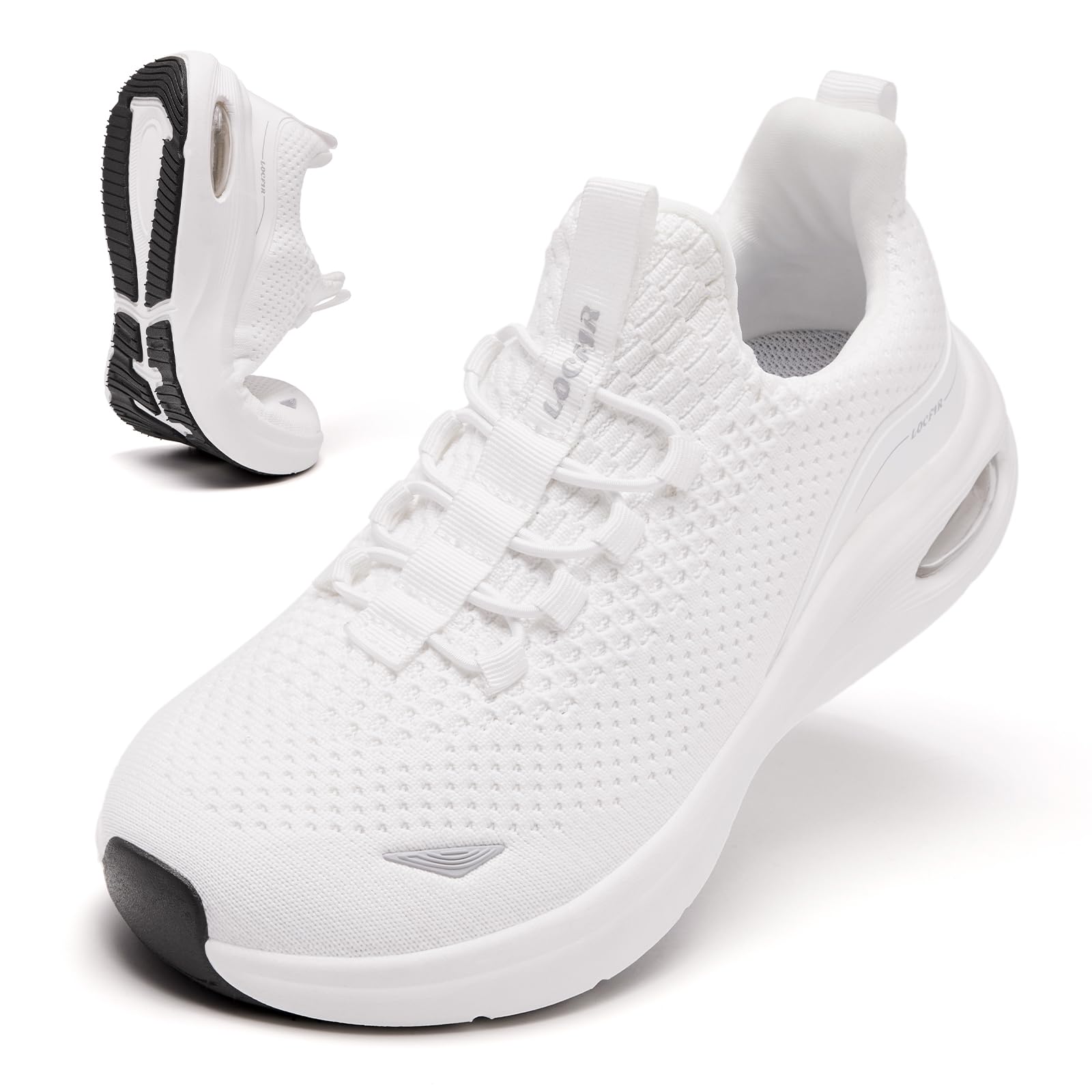
How Each Price Tier Feels on a Real Shift
Price tiers are easiest to judge by what happens during an actual workday. The same shoe that feels fine for a two hour errand can fall apart as a choice by hour eight, so match the tier to your longest typical day, not your average one.
Budget Tier on Your Feet
A budget pair, usually around $50 to $80, suits part time shifts, students, and anyone buying a backup pair for occasional long days. You get a molded arch, basic foam cushioning, and a simple fabric or synthetic upper, which is enough to beat flat fashion sneakers by a wide margin. The limit shows up late in the day, when thinner foam starts to feel packed down and tired. If your longest day is about four to six hours, this tier is a reasonable place to start.
Midrange Tier on Your Feet
Midrange shoes, usually around $90 to $140, are where most standing workers land happily. The foam holds its shape through a full shift, the arch support feels shaped rather than stamped in, and the upper keeps your heel locked without squeezing. Many people who split time between standing and walking find this tier covers both jobs well, and if that mix sounds like your day, see our guide to the best walking shoes with arch support for the walking side of the equation. Expect this tier to feel supportive from the first wear to the last hour.
Premium Tier on Your Feet
Premium pairs, usually around $150 to $220, suit health care staff, retail managers, and anyone on hard floors for ten hours or more. The difference you feel is consistency: cushioning that still rebounds in month six, an arch that matches a real foot shape, and an outsole that grips polished concrete without squeaking. You also tend to get better breathability, so feet end the day drier. The limit is simply cost, and the payoff only makes sense if you truly stand most of the day.
What Your Money Gets You at Each Price Tier
Under the surface, each step up in price buys specific upgrades in materials and construction. Knowing which component improves at which tier helps you spot a shoe that is priced like a premium model but built like a budget one.
Budget Tier: What to Expect
At the budget level, expect a single density foam midsole, a removable but fairly flat insole, and an outsole with shallow tread. Arch support comes from a molded bump in the insole rather than a shaped midsole, so support fades as the insole wears. Uppers are usually thin mesh or synthetic fabric with modest structure. None of this makes a budget shoe a bad buy. It makes it a shorter lived buy, and the sections below on lifespan explain how to judge when it has given all it can.
Midrange Tier: The Sweet Spot for Most Buyers
Midrange money buys dual density foam that stays springy longer, a shaped insole with a real arch profile, and a rubber outsole with deeper tread. Fit options improve too, with wide sizes and more half sizes on offer. Heel counters get firmer, which keeps your foot aligned over the arch instead of rolling inward. For most people standing six to nine hours, this is the tier where extra spending stops being about comfort today and starts being about comfort next season as well.
Premium Tier: When Spending More Pays Off
Premium shoes add higher grade foams that resist compression, structured arch support built into the midsole itself, and uppers that combine breathable mesh with reinforced zones where feet flex. Some include rocker shaped soles that reduce pressure under the forefoot during long static periods. Warranty coverage and return windows also tend to be more generous. Spending more pays off when your job is unforgiving: hard floors, long shifts, and no chance to sit. It pays off less when your standing happens in short bursts at home.
Features Worth Paying For (and Ones to Skip)
A long feature list is not the same as a supportive shoe. The four areas below decide how a pair performs on your feet, and each one is worth checking before you pay for extras like novelty colorways or bundled accessories.
Fit, Sizing, and Toe Box
Measure your feet in the afternoon, when they are at their largest after hours of standing, and shop to that measurement. Your toes should splay naturally inside the toe box, with about a thumb width of space in front of your longest toe. Feet swell during long shifts, so a shoe that feels snug in the morning can punish you by evening. Men comparing lasts and width options across brands can start with our guide to the best men's arch support shoes, which explains how fit differs between makers. When in doubt between two sizes, choose the larger one for standing work.
Durability and Expected Lifespan
Foam is the part that dies first. Most supportive shoes deliver their best cushioning for roughly 300 to 500 miles of use, and standing wears foam by hours rather than miles, so a full time worker may feel a pair fade in six to nine months. Watch for warning signs: new heel pain, a midsole that looks creased and flat, or an outsole worn smooth under the heel. The lifespan math is similar for runners, which is why our guide to the best running shoes for arch support uses the same mileage window when judging replacement time.
Features That Matter for Standing
Standing is not slow walking. Your weight sits still, pressure pools under the heel and forefoot, and your arches carry a constant load with no stride to share it. Prioritize a firm, shaped arch that fills the gap under your midfoot, a heel cup that cradles rather than pinches, and a stable base that does not tip when you shift weight. A modest heel to toe drop of about 6 to 10 mm suits most standing jobs, and a wide, flat outsole contact area matters more than deep tread. Skip ultra soft foam with no structure, because it bottoms out under static load.
Arch Support and Foot Type
Match support to your arch shape. Flat feet usually need firmer support and a stable heel to limit inward rolling, while high arches need support that reaches up to meet the arch plus generous cushioning, since the foot absorbs shock poorly on its own. Neutral arches have the widest choice. Women often find a narrower heel and a different arch position in lasts built for them, and our guide to the best arch support shoes for women covers those fit details. If you have persistent pain, numbness, or swelling that does not settle with rest, see a doctor or podiatrist before buying another pair, and talk with your clinician about what support your feet actually need.
Long Term Costs to Factor In
The sticker price is only part of ownership. Replacement insoles cost about $30 to $60 and can refresh a midrange shoe at the halfway point of its life, which is cheaper than a new pair. Rotating two pairs, even two budget pairs, lets foam recover between shifts and can stretch the life of both. Budget for socks with cushioning too, since thin socks waste good foam. After work, recovery footwear keeps arches supported at home, and our guide to the best sandals with good arch support explains what to look for in that role. Add these small costs together and a midrange pair rotated with a backup often beats one premium pair worn into the ground.
FAQs
What features matter most in arch support shoes for standing?
A shaped arch that fills your midfoot, a stable heel cup, and foam that holds its height under static load matter most. One detail many buyers miss is outsole width: a broad, flat base spreads pressure when you stand still, while a narrow, curved sole made for running can feel tippy at a register or workbench. Check that the shoe feels steady when you simply stand and shift your weight side to side.
Are expensive arch support shoes worth it?
They are worth it when you stand on hard floors for long shifts, because premium foams and shaped midsoles keep supporting you months after budget foam has flattened. They are harder to justify for short or occasional standing, where a midrange pair delivers nearly the same day one comfort. A useful test is your current pair: if cheap shoes left your arches aching within weeks, the upgrade is likely to pay off for you.
How should arch support shoes fit?
They should feel secure at the heel, roomy at the toes, and supportive under the arch without a hard edge digging in. Shop late in the day and wear your work socks. One practical check is the insole test: pull the insole out, stand on it, and confirm your foot fits inside its outline with the arch of the insole matching the arch of your foot. If your toes spill over the edges, size up or look for a wide fit.
Do I need waterproof shoes?
You need them only if your job involves wet floors, outdoor work in rain, or frequent spills, such as kitchen and cleaning roles. Waterproof membranes add warmth and reduce breathability, which can leave feet sweaty during indoor shifts on dry floors. If you face occasional splashes rather than standing water, a water resistant upper treatment is usually the better balance, and it costs less than a full membrane.
How often should I replace my arch support shoes?
Plan on replacing them when the support fades, which for full time standing is often every six to twelve months. Do not wait for the upper to fall apart, because foam usually dies long before fabric does. A simple home check is to press your thumb into the heel foam: if it feels dense and slow to rebound compared with a new shoe in a store, the cushioning is largely spent and your arches are doing the extra work.
Final Thoughts
Choose by hours first, foot type second, and price tier third. Match the foam and arch shape to your longest day, confirm the fit with swollen afternoon feet, and rotate pairs if you can. The product table above pulls the current options together so you can compare tiers quickly. For most readers, the best arch support shoes for standing will be a midrange pair with a shaped arch and room in the toes. If foot pain persists despite good shoes, talk with your clinician about your personal needs before your next purchase.


