
Best Astronomical Watches: What Matters Before You Buy
Disclosure: We may earn a commission when you buy through links on this page, at no extra cost to you. As an Amazon Associate I earn from qualifying purchases. Learn more

Use this checklist to compare the best astronomical watches by movement, moon phase accuracy, case fit, materials, and warranty.
Astronomical watches pack serious engineering into a small dial: moon phases, star charts, equation of time displays, and sometimes a full planetarium. Prices rise fast with each added complication, so you need clear criteria before you shop. This guide measures the best astronomical watches against a plain checklist covering movement quality, dial legibility, case fit, and materials, so you can tell real craft from decorative clutter.
Use the product table to see the styles under discussion, then use the criteria below to judge every entry, and keep the buyer checklist beside you when you narrow the field.


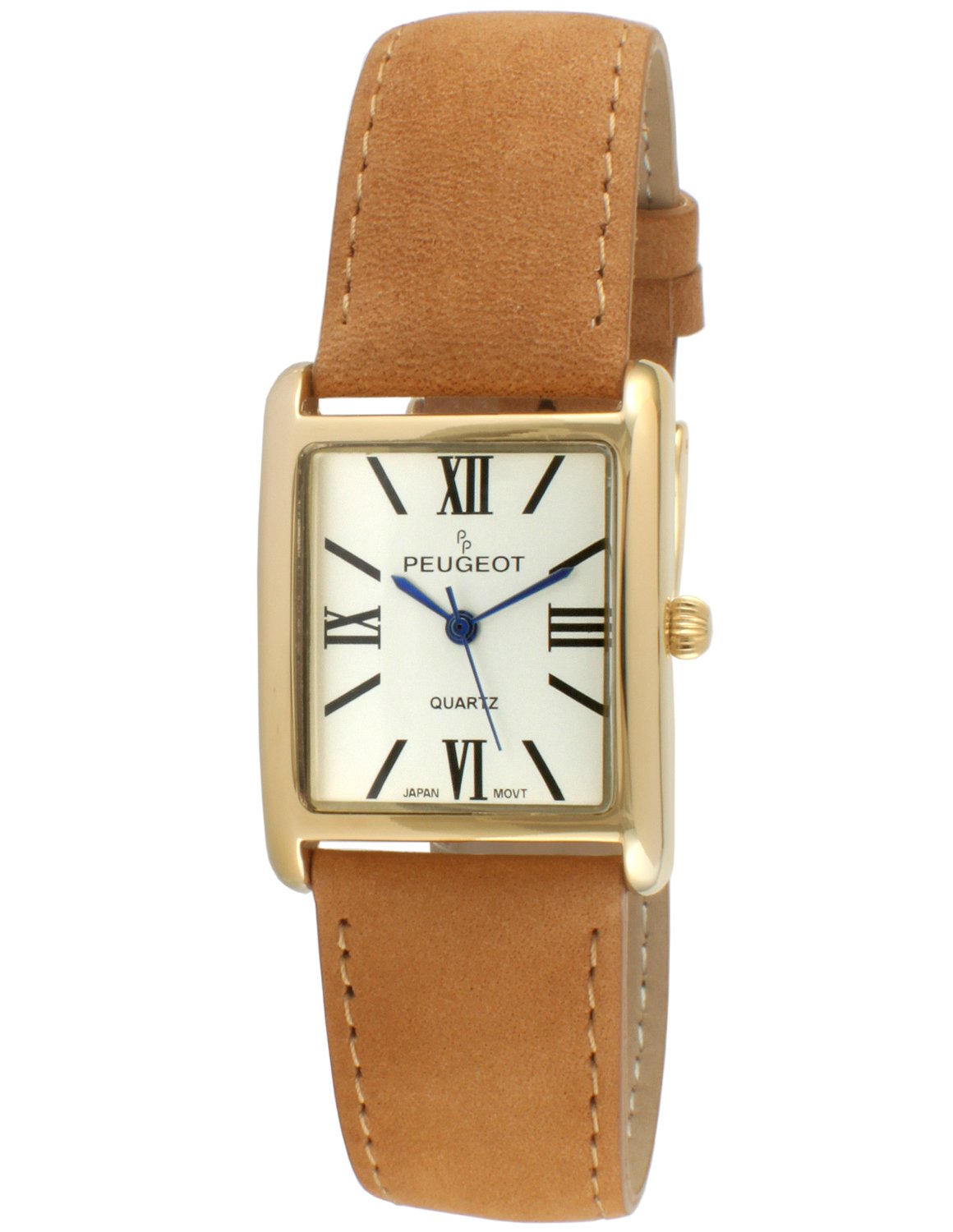


How to Evaluate the Best Astronomical Watches
Movement Type (Quartz, Automatic, Solar, Smart)
Score the movement on accuracy and upkeep together. Quartz holds a moon phase true for years with no attention, while a quality automatic movement earns points for finishing and longevity but loses a little time daily and needs service every 5 to 7 years. Solar movements score well for owners who dislike battery changes. A strong sign is a published accuracy figure; vague claims about precision with no numbers score poorly on this checklist.
Legibility and Style
Astronomical dials fail when the sky data buries the time. Good designs keep hour markers bold, use hands that stand apart from the dial, and give the moon window or star chart its own clear zone. Lume on the main hands earns points for night use, which suits a watch built around the night sky. Deduct points for tiny printed scales you need a loupe to read, unless the watch is honestly sold as a display piece.
Smart and Fitness Features
Digital models earn high marks here when GPS can plot real sky positions for your location and the battery lasts at least a week. Fitness tracking is a bonus, not the core job, and health readings remain estimates for general wellness rather than medical measurements. Classic mechanical pieces score zero in this row by design, which is fine: judge them on the other criteria. What matters is honesty about what each type can and cannot do.
Case Size and Wrist Fit
Complicated dials need room, so many astronomical watches run about 40 to 44 mm across. That size suits midsize and larger wrists; smaller wrists should look for shorter lug to lug lengths and slimmer cases so the watch sits flat. Thickness matters with cuffs: a case under about 13 mm slides under a shirt cuff, while tall cases catch. Score fit by trying the watch on, or by comparing its measurements with a watch you already wear comfortably.
Brand Reputation, Warranty, and Value
Complications are expensive to repair, so the maker behind the watch matters. Favor brands with a service network in the United States, published service pricing, and warranty coverage of at least two years. Value scoring weighs what the complication costs to own, not just to buy: a moon phase quartz with cheap battery service can outscore a costly automatic for a first purchase. Readers weighing makers across categories will find our guide to the best quality watches a useful companion.
Strap and Bracelet Options
A heavy case needs a strap that balances it. Metal bracelets with solid end links score best for durability, while quality leather suits dressier astronomical dials. Quick release spring bars add points because they let you change the look in seconds and encourage regular cleaning under the strap. Check lug width before assuming your favorite strap fits, and score down straps with thin keepers or rough edges that will fray against a cuff.
Crystal and Case Materials
Sapphire crystal earns top marks for scratch resistance, and an anti reflective coating lifts any dial full of fine detail. Mineral glass is acceptable at lower prices but scores lower for a watch you plan to keep for decades. For cases, 316L stainless steel is the dependable standard, titanium wins on weight, and precious metals add cost without function. A solid case back protects a movement; a display back adds viewing pleasure at a small cost to water resistance.
Three Tiers That Pass the Checklist
Mid-Range Tier
The mid-range tier pairs an accurate movement with a dial you can read in one glance and a case finished to a standard that survives daily wear. Expect sapphire crystal, a warranty of two years or more, and a moon phase that stays true for years between settings. Prices here often run about $500 to $2,500 depending on the movement. This tier suits a buyer who wants one astronomical watch to wear for a decade, and it is where most readers should aim first.
Budget Tier
Budget models use quartz movements to deliver an honest moon phase and a handsome sky themed dial for around $100 to $400. You give up mechanical craft and some finishing polish, and the crystal is more likely mineral than sapphire. For a first astronomical watch, that trade is smart: you learn whether you enjoy the display before committing serious money. Score value models on legibility and warranty, because those decide daily satisfaction more than decorative extras.
Heavy Use Tier
Heavy use calls for a tougher build: a sapphire crystal, a case rated to 100 meters or more, and a bracelet or silicone strap that tolerates water and knocks. Solar quartz movements shine here since they remove battery worries, and digital sky models with GPS also fit active owners. Expect to pay around $300 to $900. If your daily watch doubles as a training tool, our guide to the best workout watches shows the durability features that carry over.
Quick Buyer Checklist
- Can you read the time instantly, without studying the dial?
- Does the case size suit your wrist, with no lug overhang?
- Do you know how to set the moon phase or sky display, and how often it needs correction?
- Is the crystal sapphire, or are you at peace with mineral glass at this price?
- Does the warranty run at least two years, with service available in your country?
- Does the water resistance match your real life, including swimming if you plan to swim?
- Can you live with the service cost and interval for this movement type?
Red Flags to Watch For
- Vague specs: a moon phase with no stated accuracy or setting method often turns out to be a simple day night disc.
- No named movement or service path, which can leave a complicated watch unrepairable in a few years.
- Unusually glowing praise with no critical detail anywhere, a pattern that suggests padded listings rather than honest ownership reports.
- Very short warranty coverage on a high priced complication, which signals low confidence from the maker.
- Stock photos only, with no wrist shots, hiding how large the case truly wears.
How to Make Your Astronomical Watch Last Longer
Service automatic watches every 5 to 7 years, even if they seem fine, because old lubricants wear gears. Rinse any watch after saltwater exposure and dry it fully before storage. Store watches away from magnets, including tablet covers and speaker drivers, since magnetized movements run fast. Keep quartz models running rather than storing them with a dead battery, which can leak and ruin a movement. Style driven buyers comparing bold cases can browse our guide to the best manly watches for larger fit notes, and our guide to the best male watches rounds out everyday sizing advice.
FAQs
How long does a watch battery last?
Quartz astronomical watches usually run about two to three years per battery, similar to standard quartz models. Complications driven by the same cell do not drain it much faster, because the moon disc moves in tiny steps. Replace the battery promptly when the watch stops; leaving a dead cell inside risks leakage. Ask the technician to check the case seal during the swap to protect water resistance.
Is a smartwatch worth it over a classic watch?
A smartwatch wins when you want live sky maps, alerts, and location aware planet data. A classic watch wins on longevity, craft, and freedom from charging. Many sky enthusiasts own a digital model for observing nights and a mechanical or quartz piece for daily wear. Decide by your week, not by spec sheets: the watch you wear most is the one worth funding first.
Quartz or automatic: which is better?
Neither wins outright. Quartz is more accurate, cheaper to own, and keeps a moon phase display correct with almost no effort, which suits practical buyers. Automatic movements offer mechanical beauty and long service lives, at the cost of drift and periodic servicing. Match the movement to your temperament: if setting a watch feels like a chore, quartz will make you happier every single month.
What case size fits my wrist?
Most astronomical watches wear best between 40 and 44 mm, since the dial needs room for its displays. Slim wrists should hunt for the smaller end and a short lug to lug span, while broad wrists can carry the largest cases with ease. Compare with a watch you already own before ordering. If the new case is wider and thicker than your current favorite, expect a real change in feel.
How water resistant should a watch be?
A 50 meter rating covers rain, splashes, and hand washing for most owners. Choose 100 meters or more if you swim, and remember that ratings assume still water and fresh seals, so press no buttons underwater unless the maker allows it. Complicated dress pieces often carry modest ratings by design. Match the rating to your habits, and have seals checked every few years.
Wrapping Up
Score every candidate on movement honesty, legibility, and fit before you admire its dial art, and the right choice usually becomes obvious. Check the warranty, confirm the crystal, and try the size against your wrist. When you are ready, the product table arranges the best astronomical watches so you can compare them side by side.


