
Best Arch Support Shoes for Nurses: A Buying Guide for 2026
Disclosure: We may earn a commission when you buy through links on this page, at no extra cost to you. As an Amazon Associate I earn from qualifying purchases. Learn more

Best arch support shoes for nurses: what to check in support, cushioning, grip and fit for long shifts on hard floors.
A nursing shift can mean ten or twelve hours of standing, quick walking, lifting and turning on hard ward floors. By the last hour, weak support shows up as aching arches, sore heels and tired legs. The best arch support shoes for nurses combine a stable arch, shock absorbing cushioning, reliable grip and an upper that is easy to clean. This guide shows how to compare them so the product table is simple to read.
Start with your workplace. Floors, spills, dress code and the amount of walking all change what a good shoe looks like for you.





What Nurses Need From a Shoe
Long shifts load the feet in two ways: standing in one place, which compresses the heel and arch, and moving quickly, which adds impact. A good nursing shoe handles both with a contoured footbed, resilient cushioning and a firm heel that stays put when you turn.
Workplace rules also matter. Many hospitals require closed toes and slip resistant soles, and some prefer all white or dark shoes. Check your employer guidance before you buy so the shoe is allowed on the ward.
Key Features to Compare
Arch Support and Footbed Shape
Choose a footbed that follows your arch without pressing hard. Flat feet usually need firmer support and a stable heel, while high arches need cushioning under the midfoot. A removable insole lets you swap in a custom insert if you need it.
Cushioning for Hard Floors
Responsive foam under the heel and forefoot softens each step on tile and concrete. Very soft foam can feel unstable, while very firm foam can be harsh. A balanced midsole that springs back is the best compromise for long shifts.
Slip Resistance and Grip
Choose a rubber outsole with a tread pattern made for wet and oily floors. Spills happen quickly in clinical settings, and secure footing protects you and your patients. Check the tread regularly, because smooth soles lose grip.
Easy Cleaning and Fit
Smooth leather, synthetic leather or wipeable mesh makes it easier to clean shoes after a busy day. A snug heel, secure closure and room for swelling toes keep the shoe comfortable through the shift. Try shoes on with the socks you wear at work.
Types of Shoes Nurses Wear
Clogs
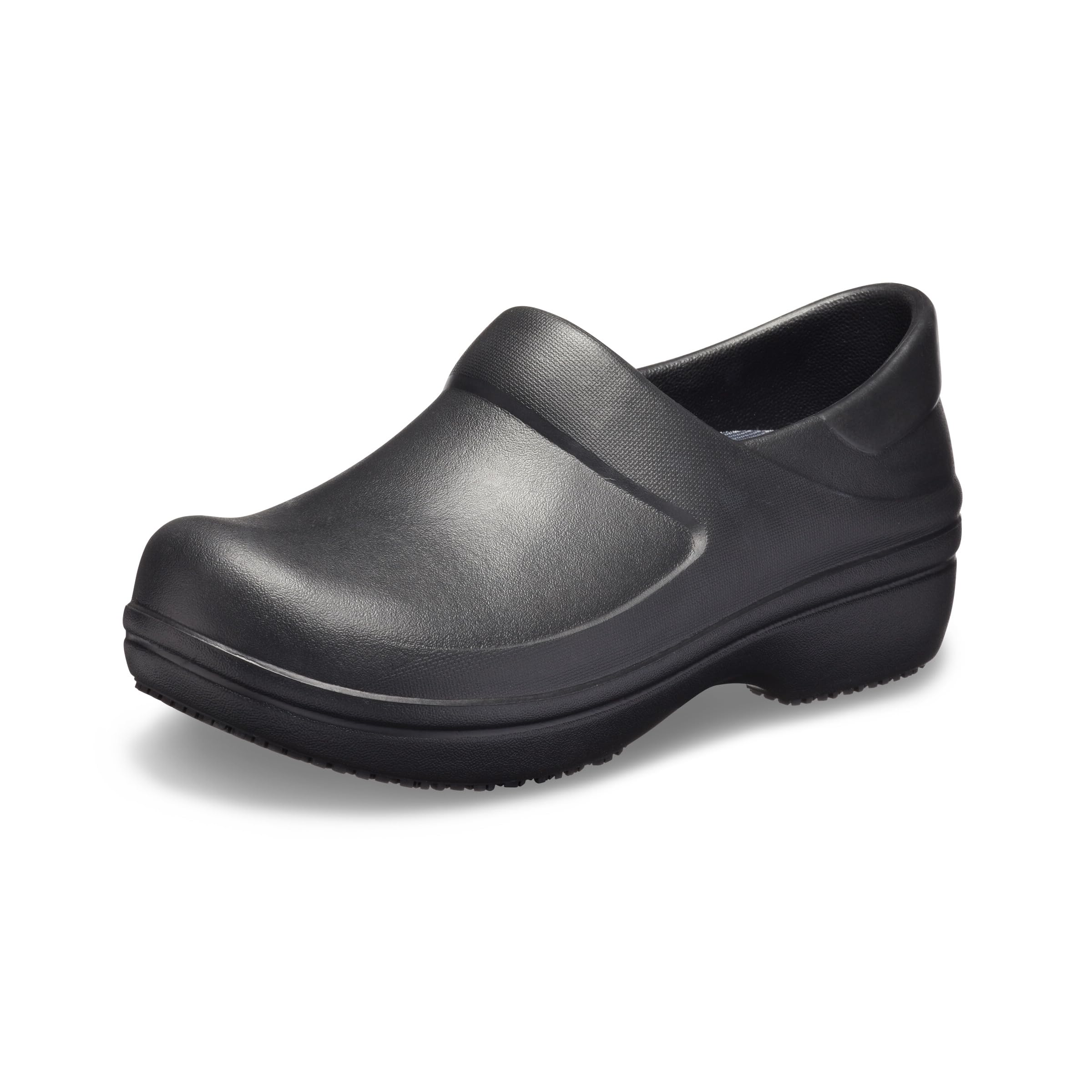
Clogs offer a rocker sole, a roomy toe box and easy on and off. Many have a firm arch and a sturdy heel, and they are easy to wipe clean. They can feel heavy at first and some people prefer a back strap for security.
Athletic Style Nursing Shoes
These look like sneakers and offer flexible soles, breathable uppers and plenty of cushioning. They suit busy wards where you walk a lot. Make sure the upper is wipeable and the sole is slip resistant.
Slip On and Loafer Styles
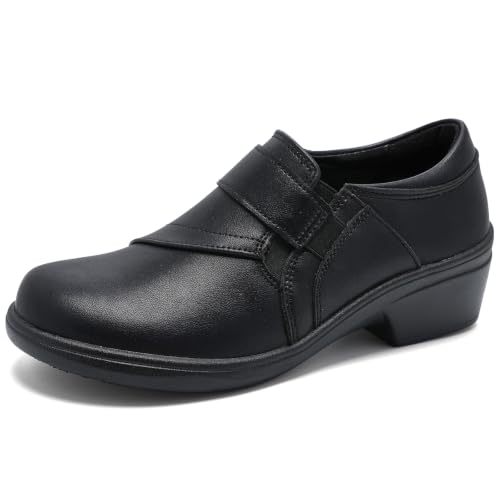
Slip ons with supportive footbeds suit quick changes and clinics with less running. Look for a deep heel cup and secure fit, because loose heels cause blisters over long shifts.
Choosing the Best Arch Support Shoes for Nurses
Try shoes on late in the day, when your feet have swollen, and walk on a hard floor. The arch should meet the middle of your foot, the heel should stay seated and your toes should have room to spread. If you wear compression socks, try the shoes with them.
Think about weight. A light shoe saves energy, but it still needs structure. Compare two or three options on arch, cushion and grip, and choose the one that feels steady at the end of a long test walk. For related ideas, see our guides to the best support shoes for nurses and the best shoes for nurses.
Fitting Tips for Long Shifts
Feet swell during the day, especially when you stand a lot, so a shoe that feels perfect in the morning can pinch by afternoon. Measure your feet in the afternoon and leave a thumb width of space in front of the longest toe. Check both feet, since one is often slightly larger, and size to the bigger foot.
Pay attention to the heel. It should stay seated without slipping, because heel movement leads to blisters and extra strain on the arch. Lace snugly through the midfoot, and loosen the top slightly if the ankle feels tight.
Socks matter as much as shoes. Moisture wicking, cushioned socks reduce friction and keep feet drier through a long day. Change them mid shift if you can, and give your feet a short break with your legs raised when time allows. A few minutes of calf and foot stretching after a shift also helps tired muscles recover.
Finally, give new shoes a gentle start. Wear them for a few hours on a lighter day before a full shift, so any hot spots show up early and you can adjust the lacing or insole before the day gets busy.
What to Expect to Spend
Affordable nursing shoes cost about $40 to $70 and suit part time or backup use. Mid range pairs at about $80 to $130 offer better arch support and durability. Premium clogs and sneakers at $140 to $180 add the most robust build and tend to last longest, which is worth it for full time work.
Common Mistakes to Avoid
- Choosing shoes only for color or style rather than support and grip.
- Buying too snug, which hurts once feet swell during the shift.
- Wearing worn shoes after the cushioning has flattened.
- Ignoring slip resistance on smooth floors.
- Skipping a break in period for new shoes.
Care and Replacement
Air shoes out between shifts and rotate two pairs when you can, so the foam recovers. Wipe or wash them following the maker guidance, and check the tread often. Replace them when the midsole feels flat, the heel wears unevenly or the outsole turns smooth.
If you notice persistent foot or leg pain, swelling, numbness or skin problems, talk with your clinician. Shoes can improve comfort on long shifts, but they do not diagnose or treat foot or circulation problems.
Frequently Asked Questions
How often should nurses replace their shoes?
Many nurses replace shoes every six to twelve months, depending on hours worked and floor type. Replace them sooner if the arch feels flat or the soles are smooth.
Are clogs or sneakers better for nurses?
Both work. Clogs are easy to clean and supportive, while sneakers are lighter and more flexible. Choose the style that feels steadiest through a full shift and meets your workplace rules.
Do nurses need special insoles?
Some do. If the shoe has a removable insole, you can add a supportive insert. Check the fit with the insert in place so your heel stays seated and your toes are not cramped.
What size should I buy for long shifts?
Choose a size that leaves about a thumb width at the toe when you are standing, and consider a wide fit if your feet swell. Try shoes late in the day with work socks.
Can compression socks be worn with nursing shoes?
Yes, but they add volume. Try your shoes with the socks you plan to wear, and choose a roomier fit if needed.
Final Thoughts
Match the shoe to your ward, check arch support, cushioning and grip, and confirm the fit while standing on a hard floor. The product table above makes it easy to compare styles and prices.
With those checks, the best arch support shoes for nurses will keep you steady and comfortable from the first round to the final handover.


