
Best Astrological Watches: A First-Time Buyer Guide
Disclosure: We may earn a commission when you buy through links on this page, at no extra cost to you. As an Amazon Associate I earn from qualifying purchases. Learn more

Learn moon phase and zodiac dial terms, movement types, and case sizes to find the best astrological watches as a first-time buyer.
An astrological watch shows more than the hour. Its dial tracks the moon, the zodiac cycle, or the positions that star minded readers follow, and that extra layer can make a first purchase feel confusing. This guide to the best astrological watches starts with the basic terms, explains each key spec in plain English, and flags the mistakes first time buyers make, so you can choose a watch you will enjoy reading every day.
You do not need any background in astronomy or horology to follow along. The product table gathers the main styles in one place, and each section after it builds your knowledge step by step, from movements to straps to water resistance.


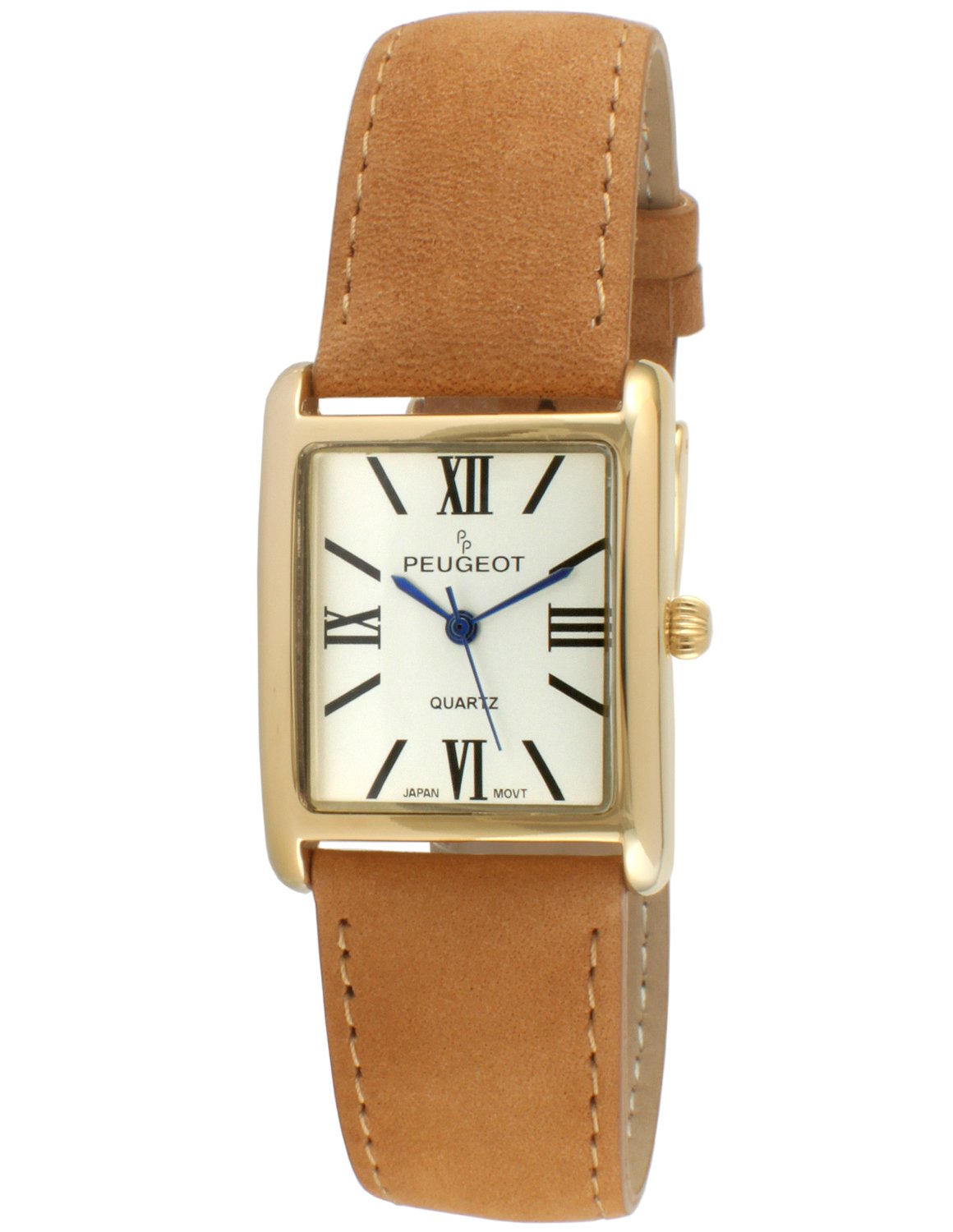


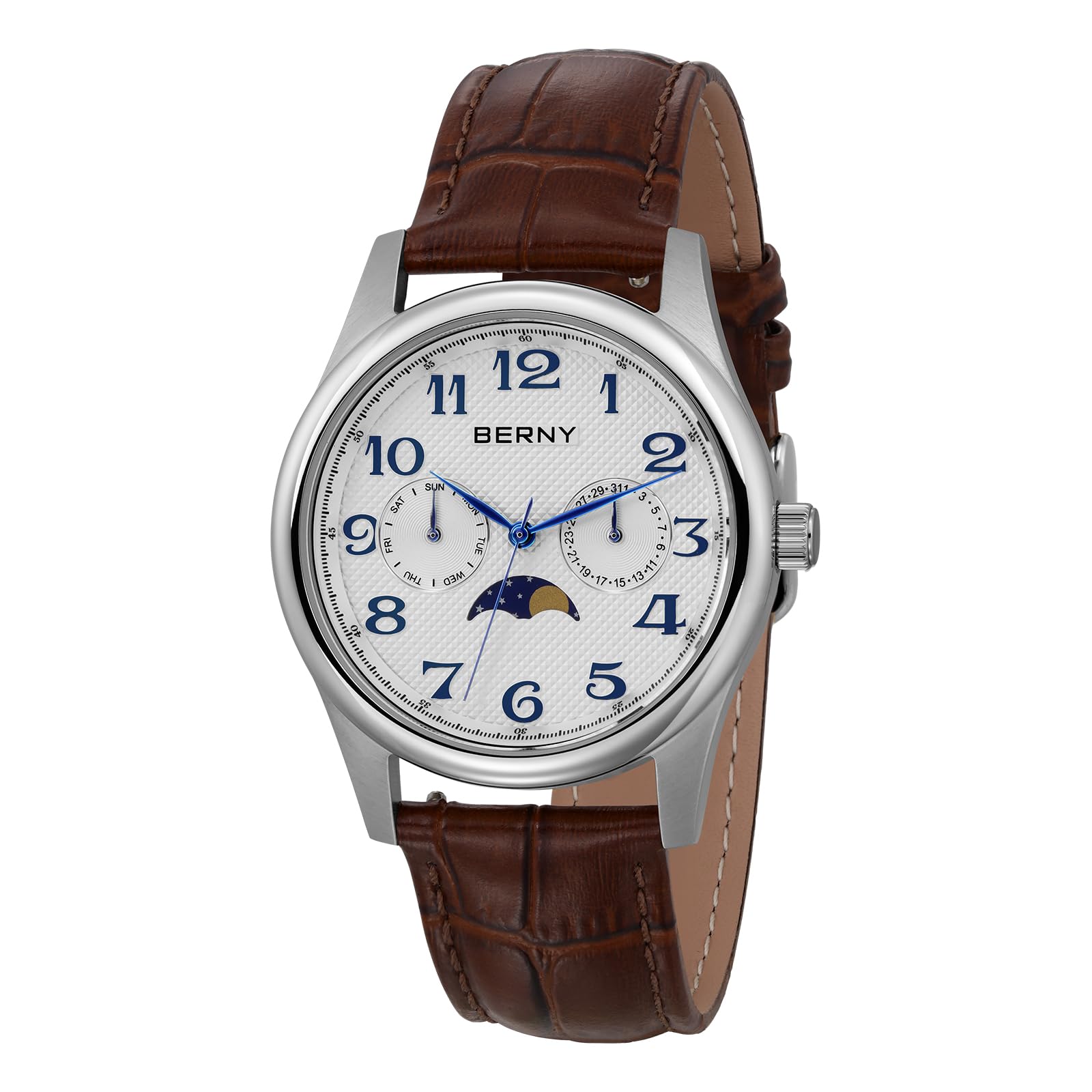
Astrological Watches 101: The Basics
An astrological watch is a timepiece whose dial displays celestial information alongside the time. The most common feature is a moon phase window, a small opening that shows the moon as it waxes and wanes across a cycle of about 29.5 days. Other models add a rotating zodiac ring, a sun and moon day night indicator, or a date display aligned with the signs.
These are mechanical or quartz displays, not telescopes and not fortune telling tools. A moon phase disc simply turns on a fixed schedule geared to the movement, which is why accuracy depends on the movement type you choose. Think of the astrological layer as a beautiful calendar for the sky: it rewards a quick glance and a little curiosity, and it needs no app or charging cable to keep working.
Key Specs of the Best Astrological Watches
Movement Type (Quartz, Automatic, Solar, Smart)
The movement is the engine. Quartz runs on a battery, keeps excellent time, and asks almost nothing of you, which suits a first watch. Automatic movements wind from your wrist motion and appeal to readers who love mechanics, but they drift a little each day and need service every 5 to 7 years. Solar models charge from light and avoid battery swaps. Smartwatches can show rich sky data, yet they need charging and software support, so weigh that upkeep honestly.
Legibility and Style
A busy celestial dial is charming until you cannot read the time. Look for clear hour markers, hands that contrast with the dial color, and a moon window large enough to enjoy without squinting. Lume, the glow coating on hands and markers, helps in dim rooms and fades in importance on dress styles worn mostly in daylight. Decide where the watch will live: a slim case with a clean dial suits office wear, while larger, bolder dials suit casual outfits.
Strap and Bracelet Options
Leather straps feel classic and light, metal bracelets add weight and durability, and silicone shrugs off sweat and rain. Quick release spring bars let you swap straps with your fingers, turning one watch into several looks for little money. Check the lug width, usually about 18 to 22 mm, before buying spare straps. Readers comparing general build standards can also see our guide to the best quality watches, which explains finishing details that apply to every dial style.
Smart and Fitness Features
Some buyers want sky data plus step counts, sleep tracking, and phone alerts. A smartwatch delivers those, and GPS models can even show planet positions for your exact location. The trade offs are battery life measured in days rather than years and a screen that looks digital, not celestial. Fitness sensors estimate activity and heart rate for general wellness; they do not replace medical devices, so treat the numbers as guidance only. If notifications matter more than dial craft, our guide to the best workout watches covers the sport focused end of that choice.
Crystal and Case Materials
The crystal is the clear cover over the dial. Sapphire crystal resists scratches best and appears on higher priced models, while mineral glass is common in midrange watches and can scratch under hard knocks. Cases in 316L stainless steel balance cost, shine, and corrosion resistance; titanium feels lighter on the wrist. A case around 36 to 42 mm across fits most wrists without swallowing the celestial artwork or looking lost.
Who Should Buy an Astrological Watch
These watches suit readers who enjoy small daily rituals: checking the moon before an evening walk, noting a sign change, or simply wearing a dial with a story. They also make thoughtful gifts for astronomy club members, night sky photographers, and anyone who marks time by seasons rather than schedules. If your taste runs to plain, utility first dials, our guide to the best male watches covers simpler everyday styles with the same sizing advice.
Think about how often you will wear the watch before you spend. A celestial dial worn daily earns its cost through use, while a watch saved for rare occasions can be a simpler quartz model without guilt. Collectors often start with one affordable moon phase piece, learn which details they actually check, and then upgrade with far better judgment a year or two later.
Rookie Mistakes to Avoid
- Buying the busiest dial you can find, then struggling to read the time at a glance.
- Ignoring case diameter, so the watch arrives looking far larger or smaller than expected on your wrist.
- Paying for a moon phase on a quartz watch without checking how to set it, then never correcting it.
- Assuming water resistance ratings mean you can swim with any watch; many dress models only shrug off splashes.
- Forgetting service costs on automatic models, which need professional care every few years.
Getting Started: Setup and First Use
When your watch arrives, set the time first, then set the moon phase using the maker instructions and a moon calendar for the current cycle. Pull the crown gently and avoid changing calendar features late at night, when many movements are mid change and gears can be stressed. Wear the watch for a full day to judge strap comfort, and adjust the fit so it sits snug without sliding. Service automatic watches every 5 to 7 years, and rinse any watch after saltwater exposure, then dry it with a soft cloth.
Frequently Asked Questions
Quartz or automatic: which is better for a first astrological watch?
Quartz is better for most first time buyers. It keeps the moon phase display accurate for months without attention, costs less, and needs only a battery change every few years. Automatic movements offer craft and a sweeping second hand, but they stop when unworn and drift enough that the moon display needs occasional correction. Choose automatic for the joy of mechanics, quartz for set and forget accuracy.
What case size fits my wrist?
Measure your wrist with a tape, then match it to the case diameter. Wrists under about 6.5 inches usually suit cases of 36 to 39 mm, midsize wrists suit 40 to 42 mm, and larger wrists can carry 44 mm. Lug to lug length matters too: the case should not overhang the edges of your wrist. Celestial dials carry detail well at moderate sizes, so you rarely need the largest case.
How long does a watch battery last?
Most quartz watch batteries last about two to three years, and moon phase models sit in the same range. A slowing second hand that jumps in steps is the classic low battery signal on many movements. Replacement is inexpensive at a watch shop, and asking for a fresh case seal at the same visit protects water resistance. Solar models skip this cycle entirely, which some first time buyers prefer.
Is a smartwatch worth it over a classic watch?
It depends on what you value daily. A smartwatch shows live sky maps, alerts, and fitness data, but it needs charging every few days and will feel dated as software moves on. A classic astrological watch shows its information with craft that lasts decades and never buzzes. Many owners end up with both, wearing the smartwatch for training and the classic piece for everything else.
How water resistant should an astrological watch be?
For daily wear, a rating of 30 to 50 meters handles hand washing and rain, despite the meter number sounding deeper than it is. If you plan to swim with the watch, look for 100 meters and a crown that screws down. Pushers and crowns should stay untouched while wet. Leather straps dislike water regardless of the case rating, so swap to silicone or metal before any swim. Style focused readers can compare dial designs in our guide to the best watches for guys, where many cases share these same ratings.
Our Verdict
Choose the movement first, because it decides accuracy, upkeep, and price. Then pick a dial you can read at a glance and a case size that suits your wrist, and let the moon phase or zodiac detail be the pleasure on top. When you are ready to compare, the product table lines up the best astrological watches side by side so you can check size, movement, and strap options in seconds.


