
Best Arch Support Insoles for Work Boots in 2026: Matching the Right Insole to Your Routine
Disclosure: We may earn a commission when you buy through links on this page, at no extra cost to you. As an Amazon Associate I earn from qualifying purchases. Learn more

Compare the best arch support insoles for work boots by arch height, cushioning, and fit with this buying guide and checklist for long workdays.
There is no single insole that suits every worker, because your arch shape, your floor surface, and your shift length all change what support should feel like. A warehouse picker on concrete, a carpenter on ladders, and a nurse on tile need different mixes of firmness and cushion. This guide to the best arch support insoles for work boots sorts those needs first.
Start with your feet, not with a brand. Note where you ache by the end of a shift, whether your boots feel roomy or tight, and how the stock insole looks after months of wear. Then use the comparison table below to match types to your routine, and the fit checks below to avoid the most common sizing mistakes.

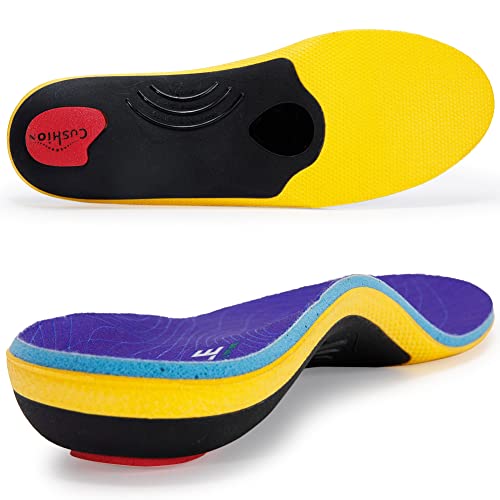
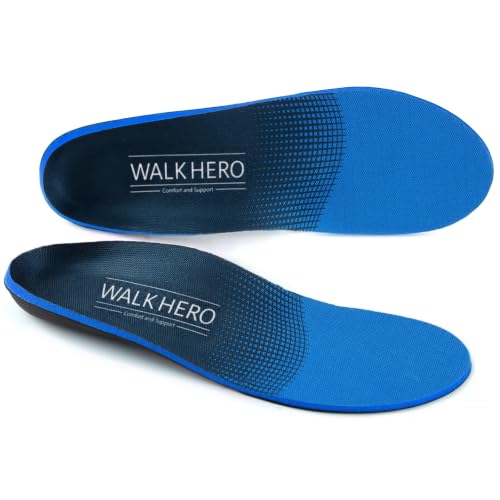
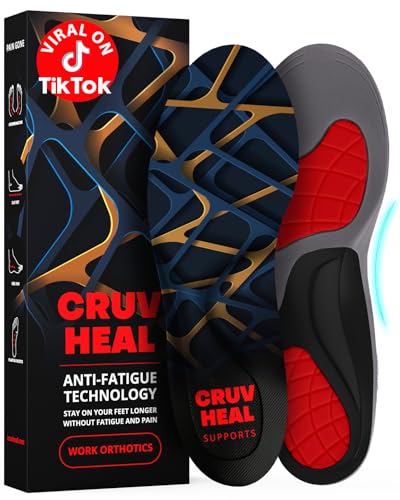
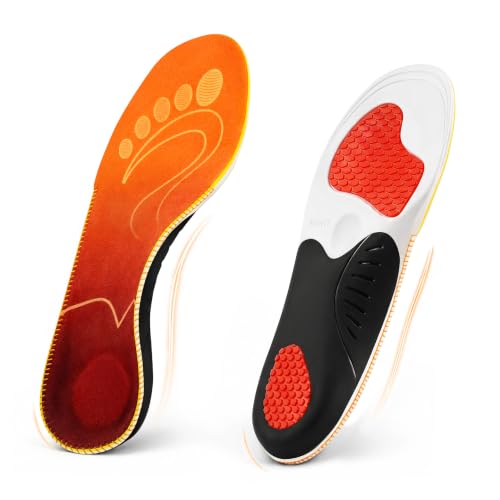
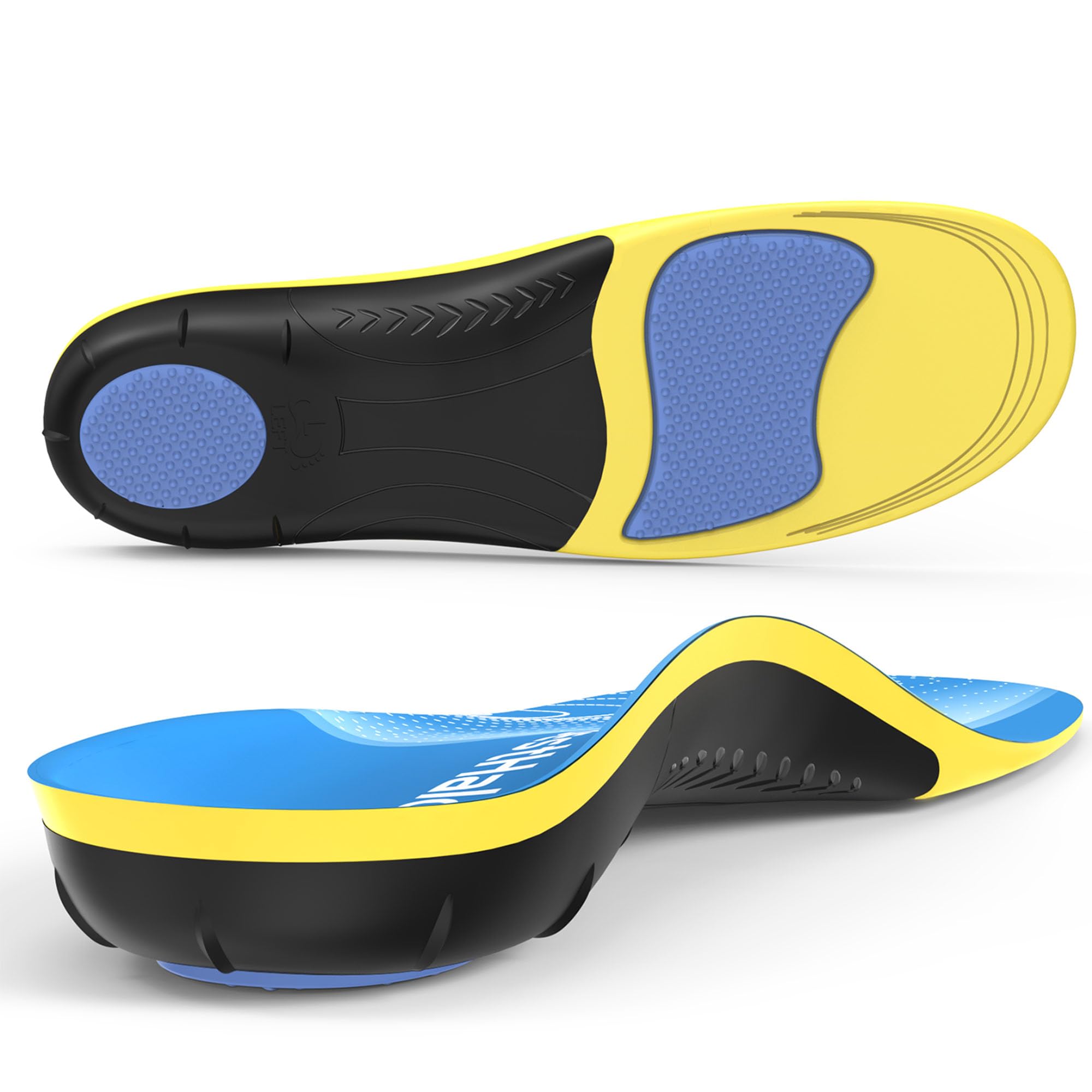
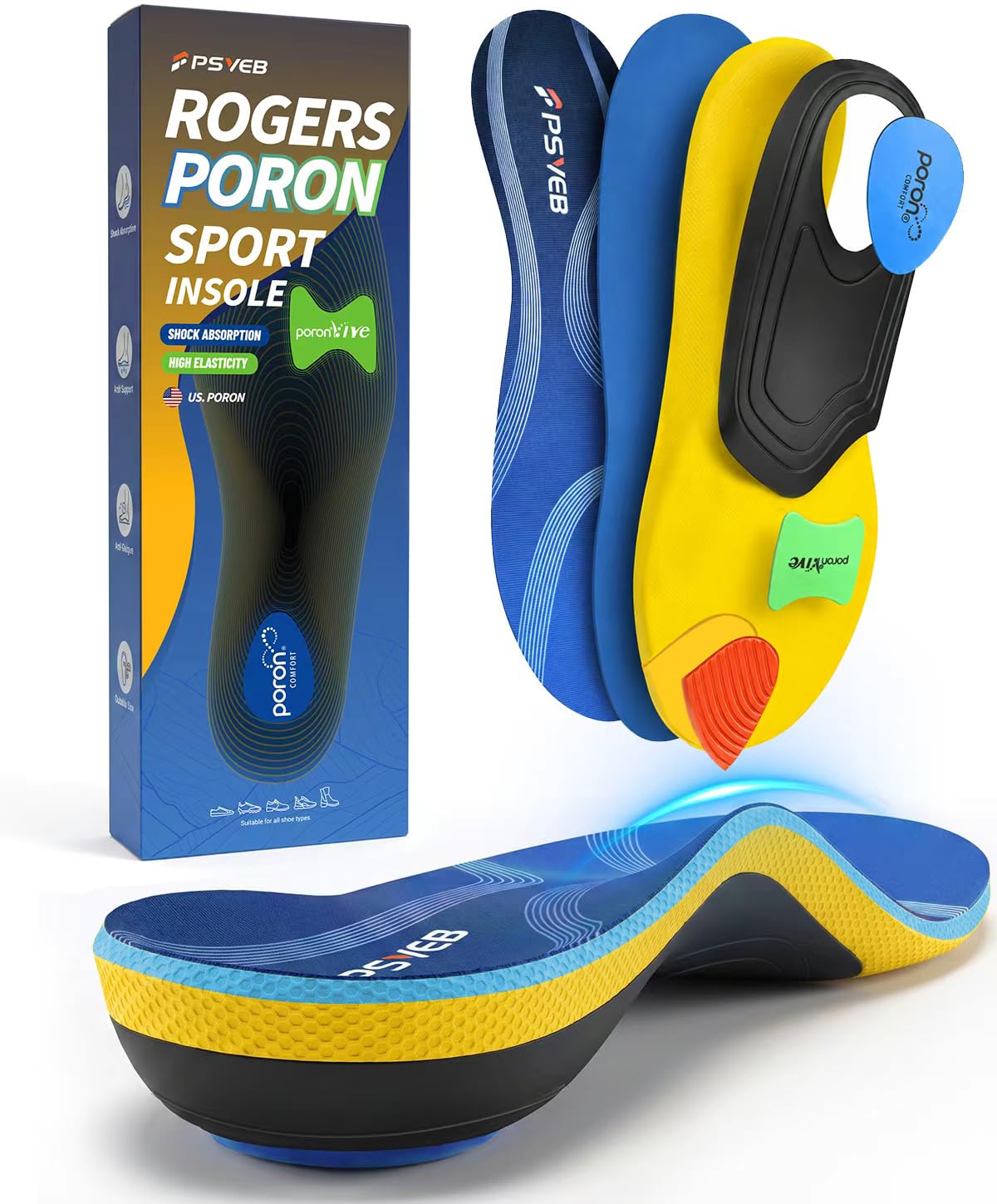
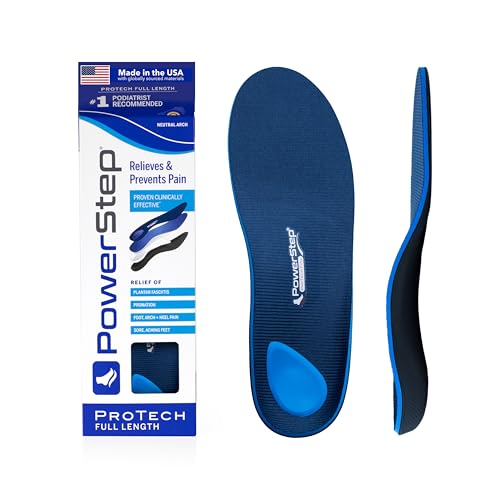
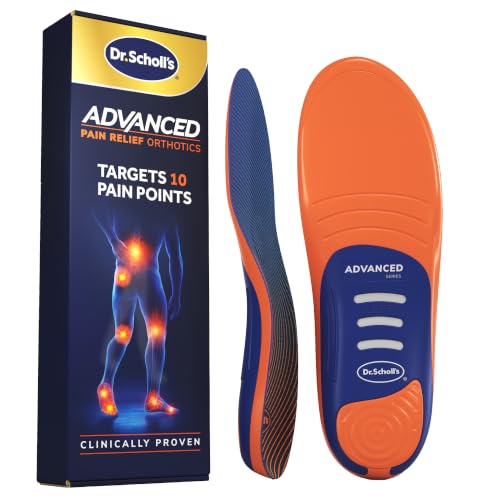

Who Should Buy Which Arch Support Insoles?
Think of support insoles in three broad styles. Firm structured insoles hold the arch up and control rolling inward. Cushioned support insoles add softer foam on top of a moderate shell. Low profile support insoles give gentle guidance in boots with little spare room. Your routine tells you which style deserves your money first.
For Standing and Walking All Day on Hard Floors
If you spend eight to twelve hours on concrete or tile, prioritize a structured shell with real cushion under the heel and forefoot. Pure gel pads feel soft for an hour, then bottom out and leave the arch unsupported. A firm arch with a padded top cover spreads load across the whole foot, which is what reduces that end of shift ache in the heel and midfoot.
Look for a deep heel cup as well. The cup centers the natural fat pad under your heel bone, improving cushion where you strike the floor thousands of times a day. Workers in logistics, health care, and retail usually do best here. If your current boots feel fine in the morning and painful by mid afternoon, this is likely your group.
For Heavy Duty Jobs and Higher Support Needs
If your work involves heavy loads, uneven ground, or long carries, you need support that does not flex away under strain. Choose a rigid or semi rigid shell rated for higher body weight and work boot use, with a stable base that fills the boot from heel to arch. Softer drugstore style inserts often collapse at the arch under load, which can leave your ankles and knees doing extra work.
Durability matters more in this group too, because gravel, mud, and job site grit wear top covers fast. Abrasion resistant covers and replaceable pairs on a shorter cycle are worth budgeting for. If you have high arches, our guide to the best high arch insoles for work boots explains the taller support profile this group often needs.
For Workers New to Support Insoles
If you have never worn structured support, start with a moderate arch rather than the firmest model you can find. A moderate shell lets your feet adapt over one to two weeks without the bruised feeling an aggressive arch can cause at first. Wear the new pair for a few hours on day one, then add time daily until a full shift feels normal.
Price can stay modest for a first pair, around $25 to $45, because your goal is learning your preference. Some workers discover they love firm support, others learn they need more cushion and less structure. Either answer saves money on the second pair. If you also shop for casual boots, the fit lessons in our guide to the best arch support insoles for boots carry over well.
Key Features to Compare
Features only matter when they map to your day. A thick cushioned insole is a poor buy if it lifts your heel out of the boot, and a very firm shell is a poor buy if your job is mostly seated with short walks. Compare the four points below against your boots and your feet, in this order.
Durability and Expected Lifespan
Most work boot insoles last about six to twelve months of full time use before the cushion compresses and the shell fatigues. Heavy duty use can shorten that to about four to six months. A simple know how test is the press check. Push your thumb hard into the heel cushion and arch. If the material stays dented or the arch flexes with little resistance, support has faded even if the top cover looks fine.
Replace insoles when your old end of day ache returns, when the top cover tears, or when one side compresses visibly more than the other. Rotating two pairs across the week can extend life, since foam recovers between shifts. Budget for insoles as a recurring work cost, like boot laces, rather than a one time fix. Mark the install date on the underside with a pen so guesswork disappears.
Features That Matter for Work Boots
Work boots change the insole brief in three ways. First, safety toe boots have a fixed toe box volume, so insole thickness at the forefoot must stay modest or your toes will press the cap. Second, work boots are heavier than shoes, so heel cushion must absorb more load per step. Third, many work boots have a defined shank and a structured sole, so the insole should support the arch without fighting the boot shape.
Look for a profile that is fuller at the heel and arch and thinner at the toes, plus a shell length that ends just behind the toes. If foot pain is part of a bigger picture, remember that some workers solve the problem at the boot level instead, and our guide to the best arch support work boots covers boots with support built into the sole unit. Insoles fine tune a good boot. They rarely rescue a boot that is worn out or the wrong size.
Moisture Control and Breathability
Work boots trap heat and sweat, and a soaked insole feels flat and slippery. Choose top covers that wick moisture and resist odor, and look for perforations or channels that let air move as you walk. Waterproof boot membranes keep outside water out, but they also slow drying, so insole choice matters even more in waterproof footwear. A breathable insole will not make a hot boot cool, yet it can stop that swampy feeling by mid shift.
Care habits help as much as materials. Pull insoles out after your shift and let them air dry away from direct heat. Never leave a wet pair sealed inside boots overnight if you can avoid it. If your job soaks boots daily, own a second pair of insoles and rotate. Dry foam cushions better, smells less, and lasts longer than foam that never fully dries.
Fit, Sizing, and Toe Box
Fit your insoles to your boots in the evening, when feet are at their largest after a day of work. Remove the stock insole and use it as a template. The new insole should match its length, sit flat with no curling at the edges, and leave your toes free to spread. Many insoles are trim to fit, so trim small amounts from the toe end only, checking inside the boot between cuts.
Watch heel position after fitting. Your heel should sit lower or at the same height as before, not perched up where the boot collar rubs. Walk on a hard floor for five minutes at home before a full shift. If you feel a ridge under the arch or pressure at the toes, adjust now. For a broader view of support built into footwear, see our guide to the best boots with arch support.
Common Mistakes to Avoid When Buying Arch Support Insoles
- Buying on price alone and choosing soft gel pads that bottom out within weeks on concrete floors.
- Ignoring arch height, so a high arch shell bruises a flat foot or a low shell does nothing for a high arch.
- Ordering by shoe size without checking boot volume, then forcing a thick insole into a tight safety toe boot.
- Skipping the break in period and wearing a firm new pair for a full twelve hour shift on day one.
- Keeping a dead pair for a year because the top cover still looks clean, long after the cushion has collapsed.
Care and Maintenance Tips
Wash insoles by hand in cool water with mild soap when odor builds, rinse well, and air dry flat away from heaters and direct sun. Heat warps shells and cracks foam, so never use a dryer or leave pairs on a hot dashboard. Brush dried mud off after outdoor shifts before it grinds into the top cover. Inspect the shell monthly for cracks near the arch, which is where flex stress concentrates.
Pair insole care with boot care. Air your boots between shifts, replace worn laces that let the heel slip, and retire boots when the midsole feels dead, because no insole can restore a collapsed boot sole. A know how habit that pays off is keeping a simple foot log for the first month with a new pair. Note pain location and timing each evening. Patterns in that log tell you more than any marketing claim about whether the support level is right.
FAQs
What features matter most in arch support insoles for work boots?
Arch height match matters most, then heel cup depth and cushion that survives a full shift. The shell should support your arch without a hard ridge, and the forefoot should stay thin enough for a safety toe box. Moisture control is the next priority in enclosed boots. If you get those four points right, brand and extra padding matter far less.
How should arch support insoles fit in work boots?
They should lie flat, match the stock insole length, and fill the heel and arch without lifting your foot out of the boot. Your toes need room to spread, and your heel should stay seated when you walk and climb. Trim only the toe end, a little at a time. A fit that feels slightly firm at home is normal, but sharp pressure or numb toes is not.
Can I wear arch support insoles all day in work boots?
Yes, after a short break in period most workers can wear them for full shifts. Build up over about one to two weeks, starting with a few hours a day. Mild arch awareness is normal early on, since your feet are adapting to new support. Stop and reassess if you develop sharp pain, numbness, or new knee or back pain, and talk with a clinician if symptoms persist.
Do work boot insoles need to handle moisture and wet conditions?
Yes, moisture handling matters because enclosed work boots trap sweat even on dry jobs. Choose wicking top covers, pull the insoles out to dry after each shift, and rotate a second pair if your boots get soaked often. A waterproof boot keeps rain out but dries slowly inside, so a damp insole left sealed in the boot will smell and lose cushion faster.
How long is the break in period for arch support insoles?
Plan on about one to two weeks for structured support insoles. Wear them a few hours the first day, then add an hour or two daily. Your feet, calves, and even knees adjust as load shifts to the arch. Firm models for high arches may take the full two weeks. If discomfort grows rather than fades by the end of week two, the arch profile is probably wrong for you.
Our Verdict
Match arch height first, fit inside your actual boots second, and lifespan third. Those three decisions decide comfort more than any extra padding claim. Workers on concrete usually need structured support with durable cushion, heavy duty users need a shell that holds up under load, and new users should start moderate and learn their preference cheaply.
Chosen well, the best arch support insoles for work boots make the last hours of a shift feel like the first. Compare your finalists in the product table above, check the trim fit against your stock insoles, and give your choice a fair break in before judging it. If foot pain includes numbness, swelling, sores that heal slowly, or pain that wakes you at night, skip further trial and error and talk with your clinician about your personal needs.


