
Best Ashwagandha Tablets 2026: Labels, Safety, and Sense
Disclosure: We may earn a commission when you buy through links on this page, at no extra cost to you. As an Amazon Associate I earn from qualifying purchases. Learn more

Compare ashwagandha tablets with care: root extracts, label doses, quality checks, interactions, and when to talk with a clinician before you buy.
Shopping for the best ashwagandha tablets calls for care, because this herbal supplement is sold in many forms, strengths, and blends, while the evidence for its benefits remains modest and mixed. Ashwagandha is a traditional herb used in Ayurvedic practice, and modern products range from simple root powder to concentrated extracts. This guide explains labels, safety checks, and realistic expectations, so you can decide with clear eyes.
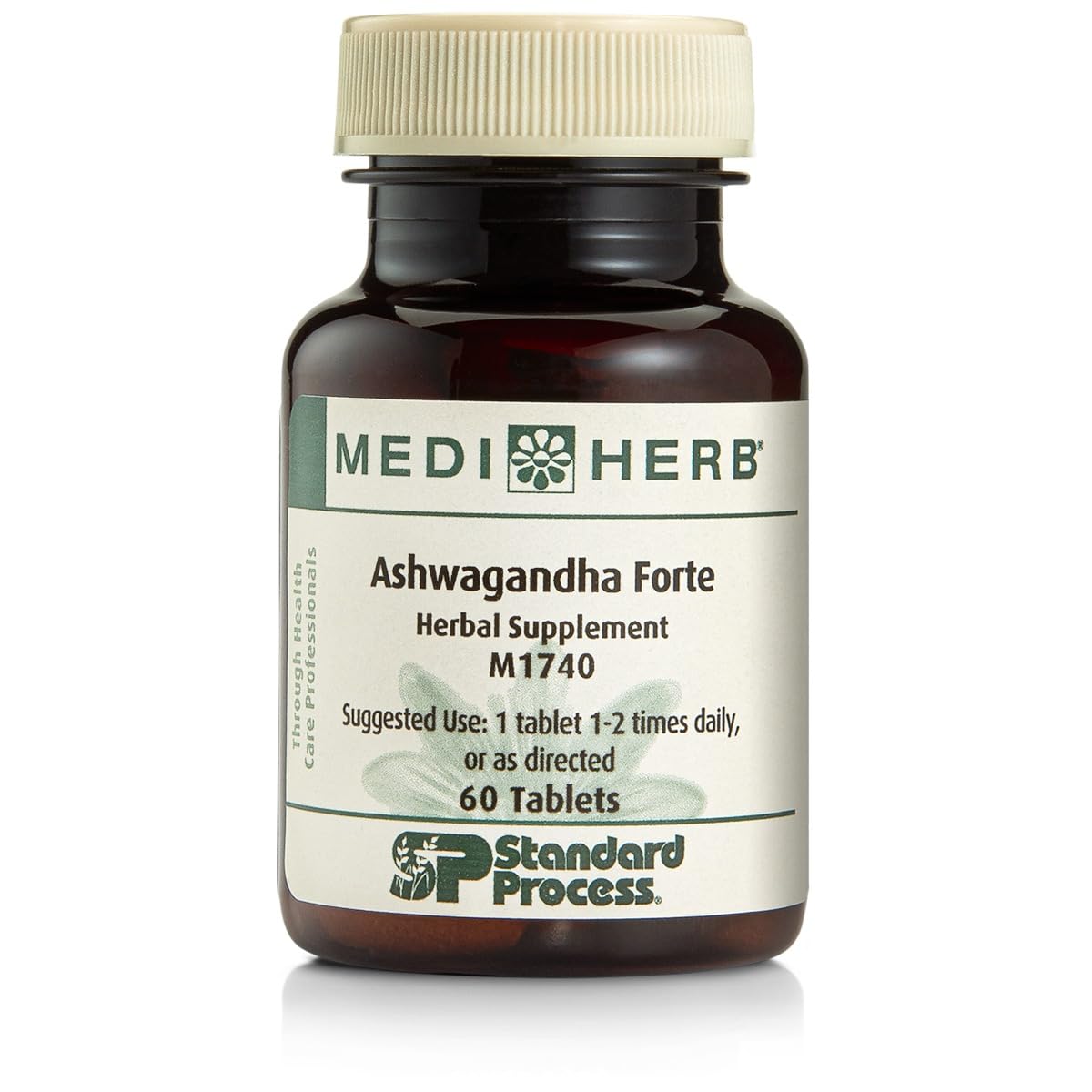
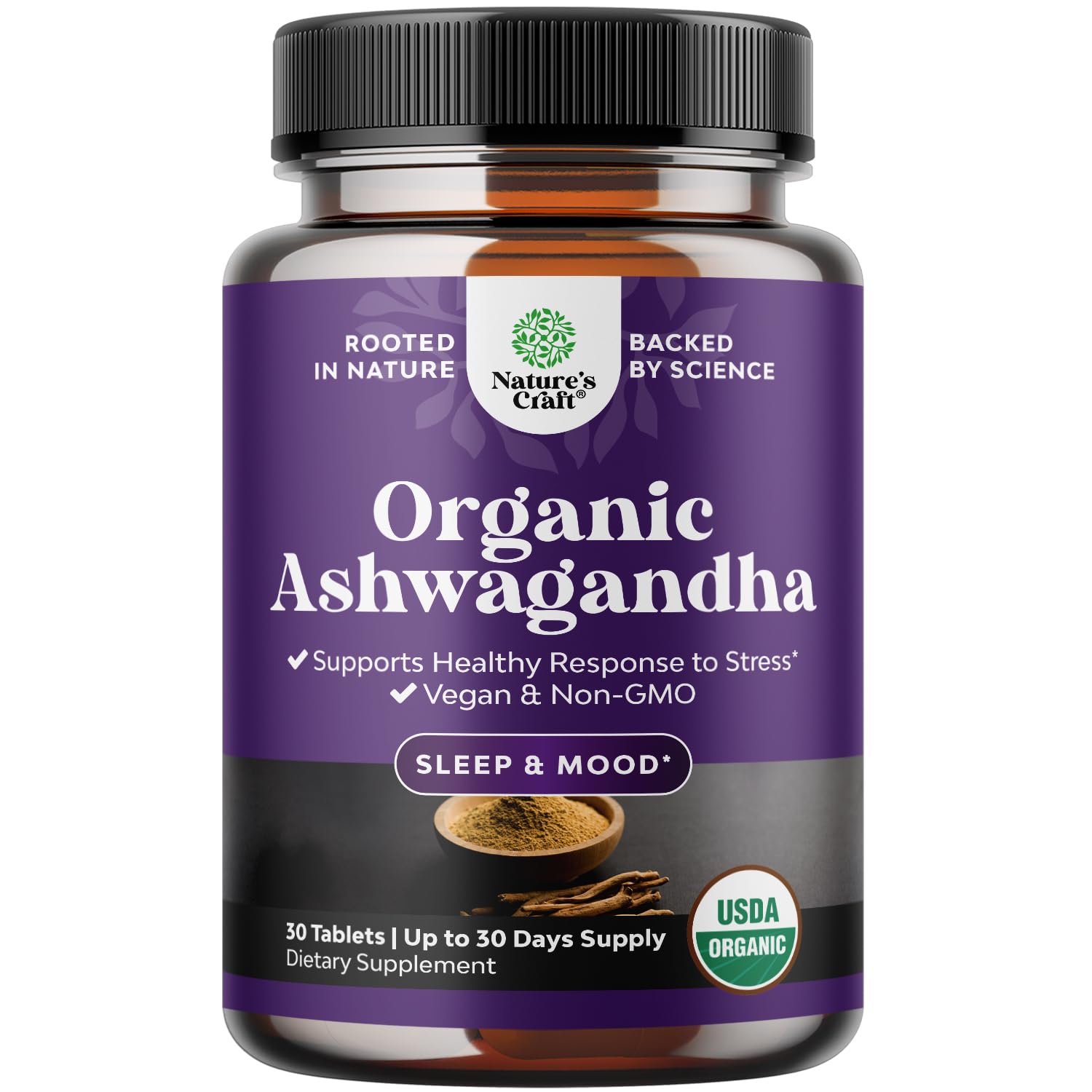
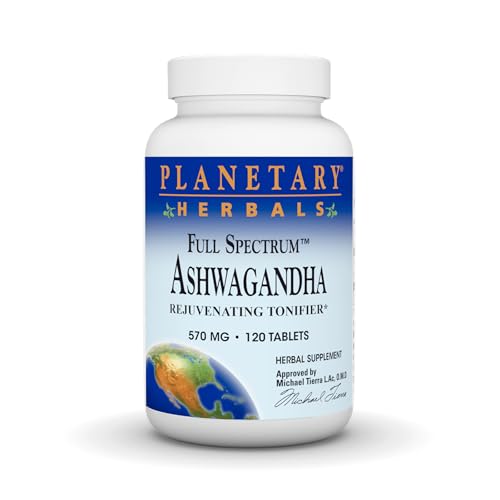
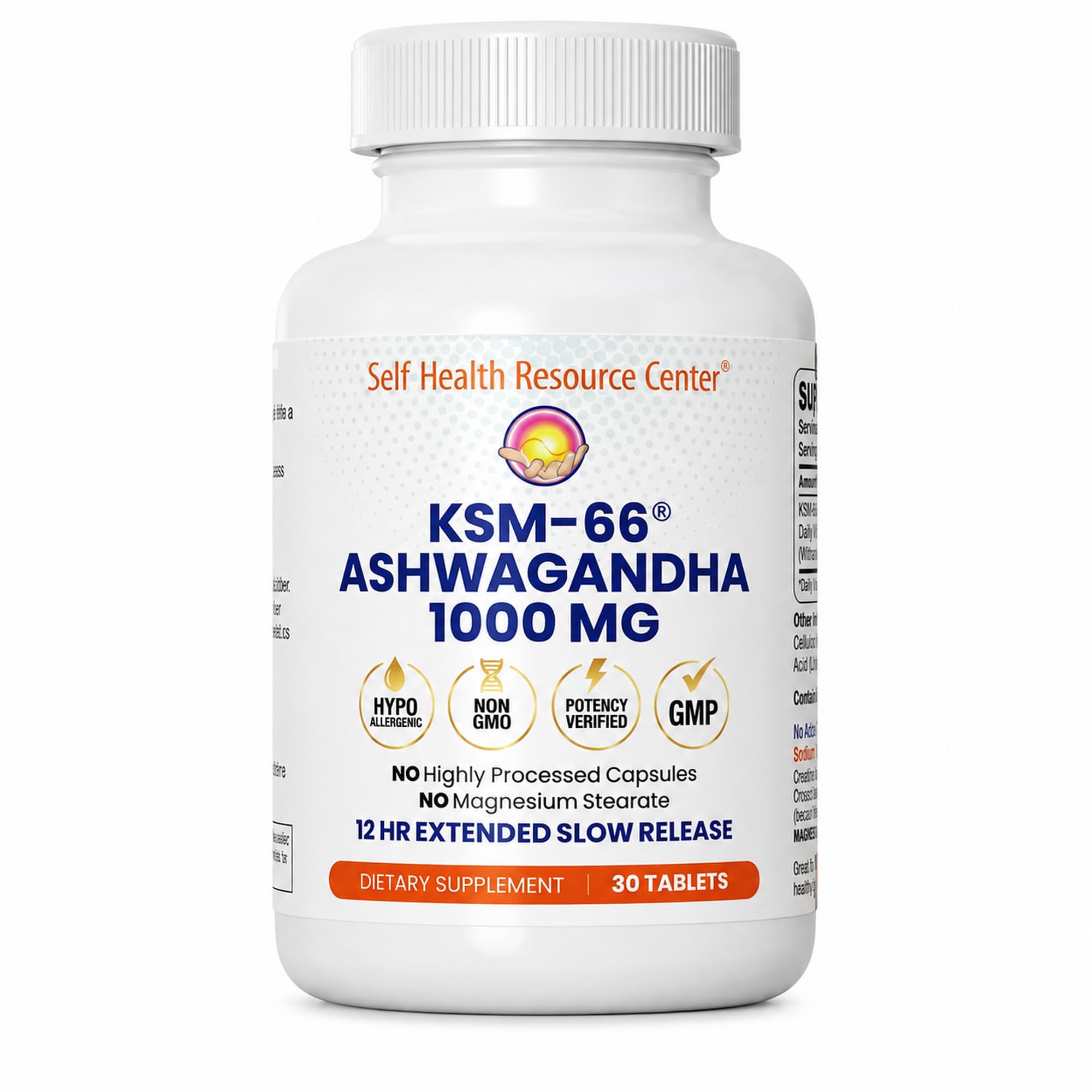
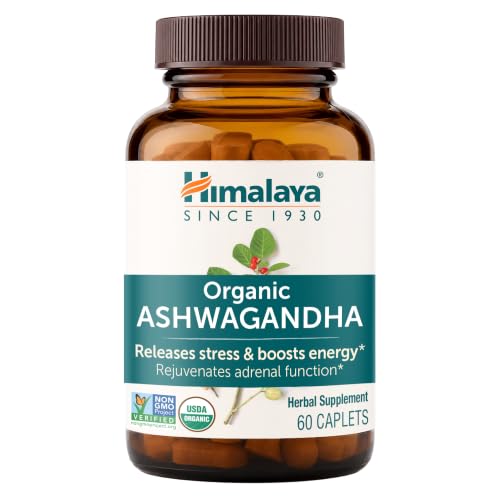
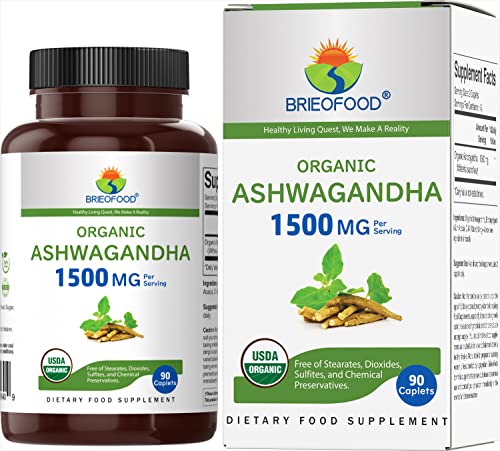
The product table below lists tablets with different extract types and label features. Treat it as a starting point for questions to a pharmacist or clinician, not as a promise about results. Herbal does not mean risk free, and ashwagandha can interact with medicines and conditions. If you take prescription medicine, are pregnant, or have thyroid, liver, or autoimmune conditions, seek professional advice before buying.



Root Powder Versus Extracts
Root powder tablets contain ground ashwagandha root, usually in doses of several hundred milligrams per tablet. Extracts concentrate certain compounds from the root, so a smaller tablet may carry a higher level of those compounds. Standardized extracts print the percentage of withanolides, the compound group used as a quality marker, which helps compare products more fairly.
Leaf extracts differ from root extracts, and some products blend root and leaf. Traditional use centers on the root, and most studied products use root or root plus leaf extracts with stated withanolide levels. A label that hides the plant part and standardization tells you little, so prefer products that state root extract, withanolide percentage, and dose per tablet clearly.
Reading Doses and Daily Amounts
Doses vary widely, from low dose blends to high dose single ingredient tablets, and serving size matters as much as tablet strength. Some labels suggest one tablet daily, others two or three, so compare total daily dose rather than single tablet numbers. A product that looks strong per tablet may equal a weaker product once serving size is counted.
More is not better with herbal supplements. High doses raise the chance of stomach upset, drowsiness, and other side effects without clear added benefit. Follow the label directions, do not combine several ashwagandha products, and check other supplements for hidden ashwagandha in blends. Keep a note of the product and dose you take, so a pharmacist can check interactions accurately.
Quality Checks and Brand Trust
Supplement quality varies, since regulation focuses more on safety and labeling than on proving benefit. Look for makers who print full ingredient lists, standardization, batch numbers, and a real company address. Independent testing seals from recognized programs add confidence, though no seal guarantees benefit for you personally.
Avoid products sold only through vague online listings with dramatic claims and no maker details. Be wary of blends that list ashwagandha among many ingredients in tiny amounts, since the dose may be too low to matter while the price stays high. A simple, transparent, single ingredient product from a traceable maker usually beats a flashy blend with hidden doses.
Interactions and Who Should Avoid It
Ashwagandha may interact with medicines for thyroid, blood pressure, blood sugar, anxiety, sleep, and immune suppression, and it may affect liver function in rare cases. People with thyroid disorders, liver disease, autoimmune conditions, or hormone sensitive conditions should seek clinician advice before use. Pregnant and breastfeeding women should avoid ashwagandha unless a clinician advises otherwise, since safety data in those groups is limited.
Also take care before surgery, since herbal products can affect bleeding, blood pressure, and anesthesia, and surgeons usually ask patients to stop supplements ahead of operations. Tell every clinician and pharmacist about ashwagandha use, including dose and brand, since interactions depend on the full picture of medicines and supplements you take. Bring the pack to appointments for accuracy.
Realistic Expectations and Timing
Marketing links ashwagandha with stress, sleep, energy, and strength, but trial results are modest and mixed, and effects vary by person. Some people notice small changes in perceived stress or sleep over weeks, while others notice nothing. A supplement will not fix chronic stress, poor sleep habits, or overtraining on its own, and lifestyle basics matter far more.
If you try ashwagandha with professional approval, set a review date, such as eight weeks later, and judge it honestly. Note sleep, stress, energy, and any side effects in a simple diary, and stop if nothing changes or if side effects appear. A product that earns no measurable benefit deserves no permanent place in your budget or routine.
A Sensible Decision Path
Start by asking whether a supplement fits a real need or a marketing promise. If stress or sleep troubles you, consider proven steps first: regular movement, consistent sleep times, reduced alcohol, and talking support where needed. A clinician can check thyroid, mood, sleep, and other causes that a supplement cannot address, and that check matters more than any herbal purchase.
If you still wish to try ashwagandha, choose a transparent root extract with stated standardization, follow label doses, and review with a pharmacist. Keep the course time limited at first, watch for side effects, and stop if benefits do not appear. The closing advice is simple: professional guidance first, transparent labels second, and honest review always.
Storing Supplements Safely
Supplement storage affects potency and safety more than many buyers realize. Keep tablets in a cool, dry place away from bathrooms, where steam and heat degrade ingredients over time. Keep them in their original container with the label visible, since the label carries dose, batch, and warning details you may need when asking a pharmacist a question.
Safety at home matters just as much. Store supplements out of reach of children, since colorful tablets can look like candy to young children, and high doses harm small bodies quickly. Check expiry dates regularly and dispose of expired products through a pharmacy take back program where one exists. Never share prescription style supplements with others, since individual health situations differ greatly.
If you are wondering about timing, see our guides on the best time to take ashwagandha tablets, the best time to have ashwagandha tablets, and the best time to eat ashwagandha tablets, which cover morning versus evening routines and taking tablets with food.
Frequently Asked Questions
What is ashwagandha used for traditionally?
Ashwagandha is a herb used in Ayurvedic practice, traditionally taken as a tonic for stress resilience, energy, and general wellbeing. Modern marketing extends those uses to sleep, strength, and mood, but trial evidence remains modest and mixed. Traditional use does not prove benefit or safety for any individual, and modern products vary widely in form and dose. Talk with a clinician before using it for any health purpose.
Can I take ashwagandha with prescription medicine?
Ashwagandha can interact with medicines for thyroid, blood pressure, blood sugar, sleep, anxiety, and immune suppression, so check with a pharmacist first. Bring a list of all medicines and supplements, including doses, since interactions depend on the full combination. Never stop a prescribed medicine to make room for a supplement, and never assume a herbal label means no interaction. Professional checking takes minutes and prevents real harm.
Is ashwagandha safe during pregnancy?
Pregnant and breastfeeding women should avoid ashwagandha unless a clinician advises otherwise, since safety data in those groups is limited and traditional sources raise caution. Herbal products can affect hormones and pregnancy outcomes in ways that are poorly studied. If you are planning pregnancy, tell your clinician about any supplement use. Safer options for stress and sleep during pregnancy deserve professional discussion.
How long does ashwagandha take to work?
Trials that show small effects usually run for several weeks, so any change, if it comes, is gradual rather than immediate. Some people notice nothing at all, which is a normal outcome given mixed evidence. Set a review date when you start, keep a simple diary of sleep, stress, and side effects, and stop if no benefit appears. Do not raise the dose beyond the label in search of faster results.
What side effects can ashwagandha cause?
Common side effects include stomach upset, nausea, diarrhea, and drowsiness, especially at higher doses. Rare but serious concerns include liver injury and thyroid changes, so seek care for yellowing skin, dark urine, severe tiredness, or unusual symptoms after starting. Stop the product and seek advice if side effects appear, and bring the pack so professionals can see the exact product and dose.
Final Thoughts
The sensible way to shop for the best ashwagandha tablets is to read the full label, prefer transparent root extracts with stated standardization, and check interactions with a pharmacist before buying. Evidence remains modest, so set realistic expectations, review honestly after a few weeks, and stop when benefits do not appear.
Use the product table to compare extract types and label features, then confirm your shortlist professionally, especially if you take prescription medicine or have thyroid, liver, or autoimmune conditions. Professional advice, honest review, and a varied healthy routine matter more than any single herbal tablet.


