
Best Arnica Tablets 2026: A Buying Guide
Disclosure: We may earn a commission when you buy through links on this page, at no extra cost to you. As an Amazon Associate I earn from qualifying purchases. Learn more

A guide to the best arnica tablets: what the label should say, who should avoid them, and when a bruise needs medical care first.
The best arnica tablets are homeopathic products often sold for bruising and soreness, but evidence for benefit is limited and safety depends on the product type. This guide explains what arnica tablets contain, when to avoid them, and what questions to ask a pharmacist before use. The comparison table below brings together the main options, so you can compare features side by side before reading the detailed guidance.
These tablets are marketed to people with minor bruises or muscle soreness who prefer a non prescription option. They are not a substitute for medical care after a serious injury, and they are unsuitable for people who need proven pain relief or who take medicines that interact with herbal products.


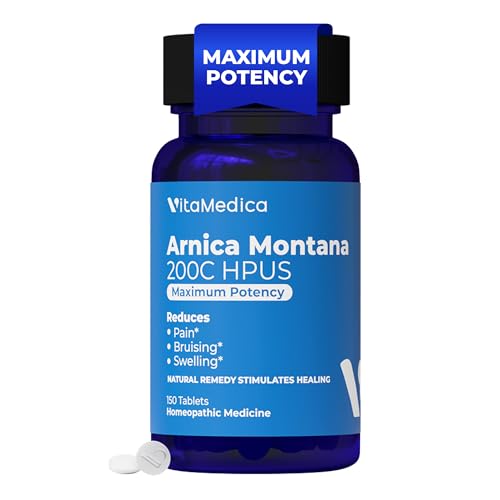


Who Should Buy These and Who Should Skip Them
Arnica tablets suit adults with minor bumps who want a low risk, non prescription option and understand that the evidence is limited. Skip them if you are pregnant or breastfeeding, take blood thinning medicines, have a daisy family allergy, or have a bruise that is large, very painful or follows a head injury. Label clarity decides most choices: a single stated potency, a full ingredient list and dose directions beat long feature claims.
Types to Compare
Different types of arnica tablets suit different routines, so compare them by how you will actually use the product. The descriptions below focus on practical differences you will notice in daily use.
Homeopathic arnica tablets
Homeopathic tablets contain highly diluted arnica, and makers claim benefit for bruising despite limited evidence. Check the dilution and ingredient list, and understand that a homeopathic label does not mean the product has proven efficacy.
Herbal arnica preparations
Herbal arnica products for skin use differ from tablets meant to dissolve under the tongue. Do not swallow a product made for skin use, and do not apply a tablet product to broken skin unless the label clearly allows it.
Combination bruise products
Some products combine arnica with other herbs or vitamins for bruising. Extra ingredients add interaction risks, so read the full label and ask a pharmacist whether the combination suits your medicines.
Low dose tablets
Lower dose products are marketed for frequent use after minor bumps. Even low dose products can cause stomach upset or allergic reactions in sensitive people, so start with the label dose and stop if symptoms appear.
Tablets for specific uses
Some arnica tablets are marketed for bruising after dental work or cosmetic procedures. Follow the advice of your treating clinician for post procedure care, rather than relying on a supplement label alone.
Key Features Explained in Plain Language
Feature lists can hide what matters, so this section explains each key feature in plain language. Use it to shortlist products that meet your needs, then check the remaining details before you order.
What the evidence says
High quality evidence that homeopathic arnica speeds bruise healing is limited and mixed. Some small studies suggest a possible effect, while larger reviews find little benefit beyond placebo. Treat claims of fast healing with caution, and do not delay proven care for a serious injury.
Safety and allergies
Arnica belongs to the daisy family, so people allergic to ragweed, marigold, or chrysanthemums may react. Stop use and seek care if you develop rash, swelling, or breathing difficulty, and avoid arnica if you are pregnant or breastfeeding unless a clinician advises otherwise.
Interactions to check
Arnica may interact with blood thinning medicines and with medicines that affect the liver. Tell your pharmacist about all medicines and supplements you take, including over the counter products, before starting arnica tablets.
When to seek care
Seek prompt care for a bruise that grows rapidly, causes severe pain, limits movement, or follows a head injury. Also seek care for bruising that appears without injury, bruises that do not fade, or pain that worsens after a few days, because these signs need assessment.
Label reading
Read the active ingredients, dilution, dose, and warnings, and check whether the product is registered as a medicine or sold as a supplement. A supplement label carries less regulatory scrutiny, so buy from a reputable retailer and keep the packaging for reference.
Mistakes to Avoid
Most disappointing purchases come from a few common mistakes, not from a single bad product. Avoiding them saves time, money, and the hassle of a return.
- Assuming a natural label means a product is automatically safe.
- Using arnica instead of seeking care for a serious injury or head knock.
- Taking arnica with blood thinning medicines without asking a pharmacist.
- Swallowing a skin product or applying a tablet product to broken skin.
Setting Up and Getting the Most From Your Choice
If you choose to use arnica tablets, follow the label dose, note any symptoms, and stop if you feel unwell. Keep a record of what you took and when, so a clinician can review it if bruising or pain does not improve. Talk with your clinician if bruising is frequent or unexplained.
Check the pack size against how long you expect to use it, and keep the original box for the lot number and expiry date.
Related Guide and Storage Notes
For a closer look at one common use, see our guide to best arnica tablets for bruising.
Store tablets in the sealed original container away from heat and damp, out of reach of children, and check the expiry date before each use. A standard pack usually costs about $10 to $25, and a higher price does not mean a stronger or better proven product. Larger counts only help if you will finish them before the expiry date.
Frequently Asked Questions
Do arnica tablets help bruises heal faster?
Evidence is limited and mixed, with some small studies suggesting a possible benefit and larger reviews finding little effect beyond placebo. Arnica tablets will not reliably speed healing, and they should not replace rest, cold, compression, and elevation for a minor bruise. If a bruise is severe or does not improve, seek medical advice rather than relying on a supplement.
Are arnica tablets safe?
Most people tolerate homeopathic arnica tablets without serious effects, but allergic reactions and stomach upset can occur. People allergic to daisy family plants, those who are pregnant or breastfeeding, and people taking blood thinning medicines should ask a pharmacist first. Stop use and seek care if you develop rash, swelling, or breathing difficulty.
Can I take arnica with other medicines?
Arnica may interact with blood thinning medicines and other products that affect bleeding or the liver, so check with a pharmacist before combining it. Bring a full list of medicines and supplements to the pharmacy, including over the counter products. Do not assume a supplement is safe to combine just because it is sold without a prescription.
When should I see a doctor for a bruise?
See a doctor promptly for a bruise after a head injury, a rapidly growing bruise, severe pain, numbness, or loss of movement. Also seek care for bruises that appear without injury, bruises that do not fade within two weeks, or pain that worsens after a few days. These signs can indicate a deeper injury or a medical condition that needs assessment.
What else helps a minor bruise?
Rest, a cold pack for short periods, gentle compression, and elevation help most minor bruises in the first day or two. Avoid heat in the first 48 hours, because it can increase swelling, and avoid massaging a fresh bruise vigorously. If pain is significant, ask a pharmacist about proven pain relief options suited to your health and medicines.
Final Thoughts
Arnica tablets are a low cost option for minor bruises, but the evidence is limited, so treat them as a small extra on top of rest, cold and elevation. Compare the product table above on potency, ingredients and warnings.
The best arnica tablets are the ones with an honest label, a clear dose and warnings you have checked against your own medicines. Talk with a clinician or pharmacist about your personal needs before you start.


