
Best Arch Support Insoles for Boots 2026: Guide
Disclosure: We may earn a commission when you buy through links on this page, at no extra cost to you. As an Amazon Associate I earn from qualifying purchases. Learn more

Find arch support insoles for boots that fit work, hiking, and winter boots, with fit, firmness, and comfort tips included. Read the full guide before you buy.
Boots demand more from an insole than shoes do: thicker socks, stiffer uppers, and longer hours on hard or uneven ground. The best arch support insoles for boots add arch support without crowding toes or lifting the heel out of the boot. This guide explains how to match firmness, thickness, and shape to your boots and your feet.
The comparison table below shows options side by side, but boot fit comes first. An insole that works beautifully in a trainer may be too thick for a boot, raising your foot and causing heel slip. Start with the boots you wear most, remove their factory insole, and compare thickness before choosing.

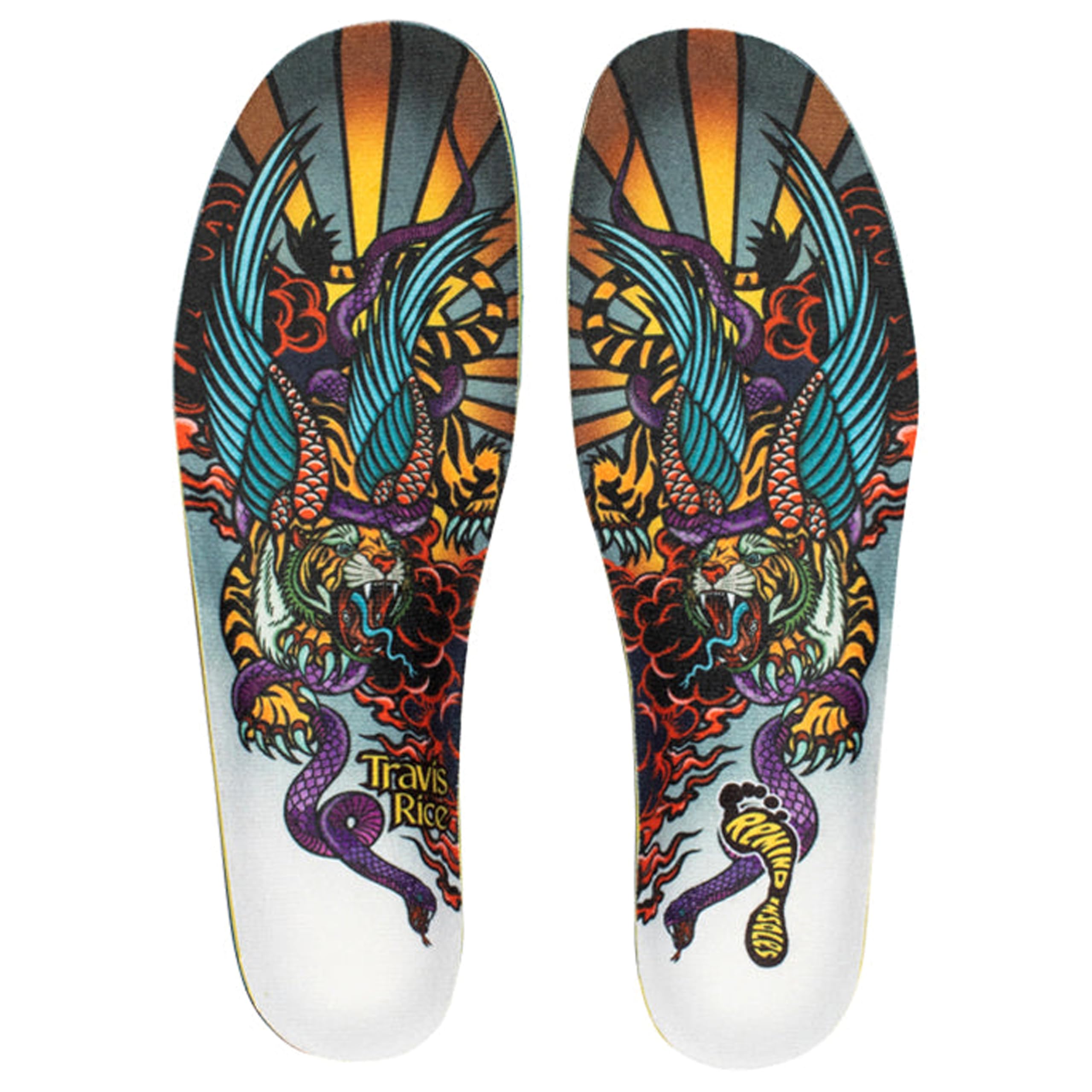
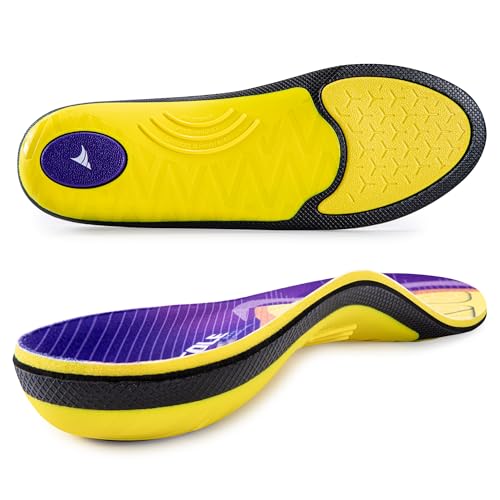
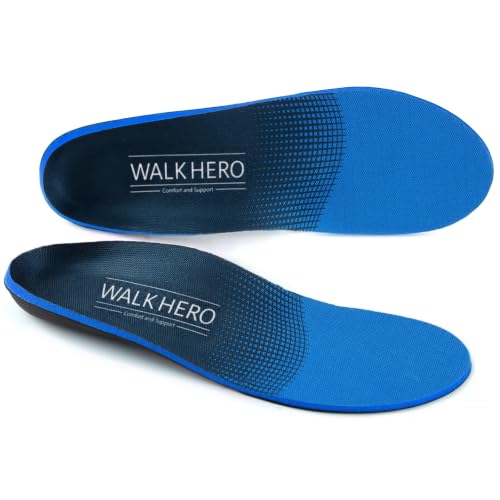


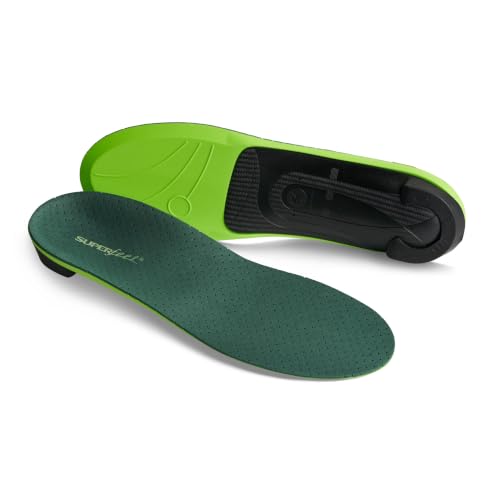
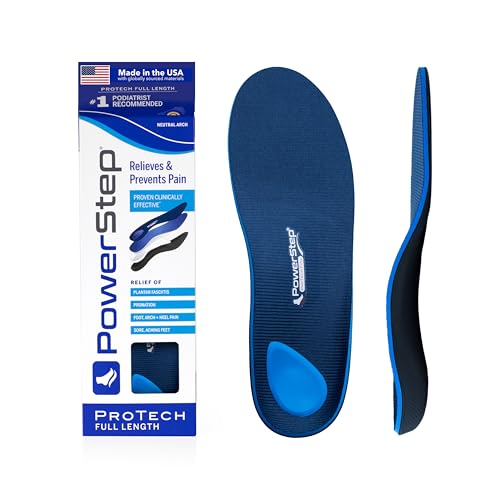
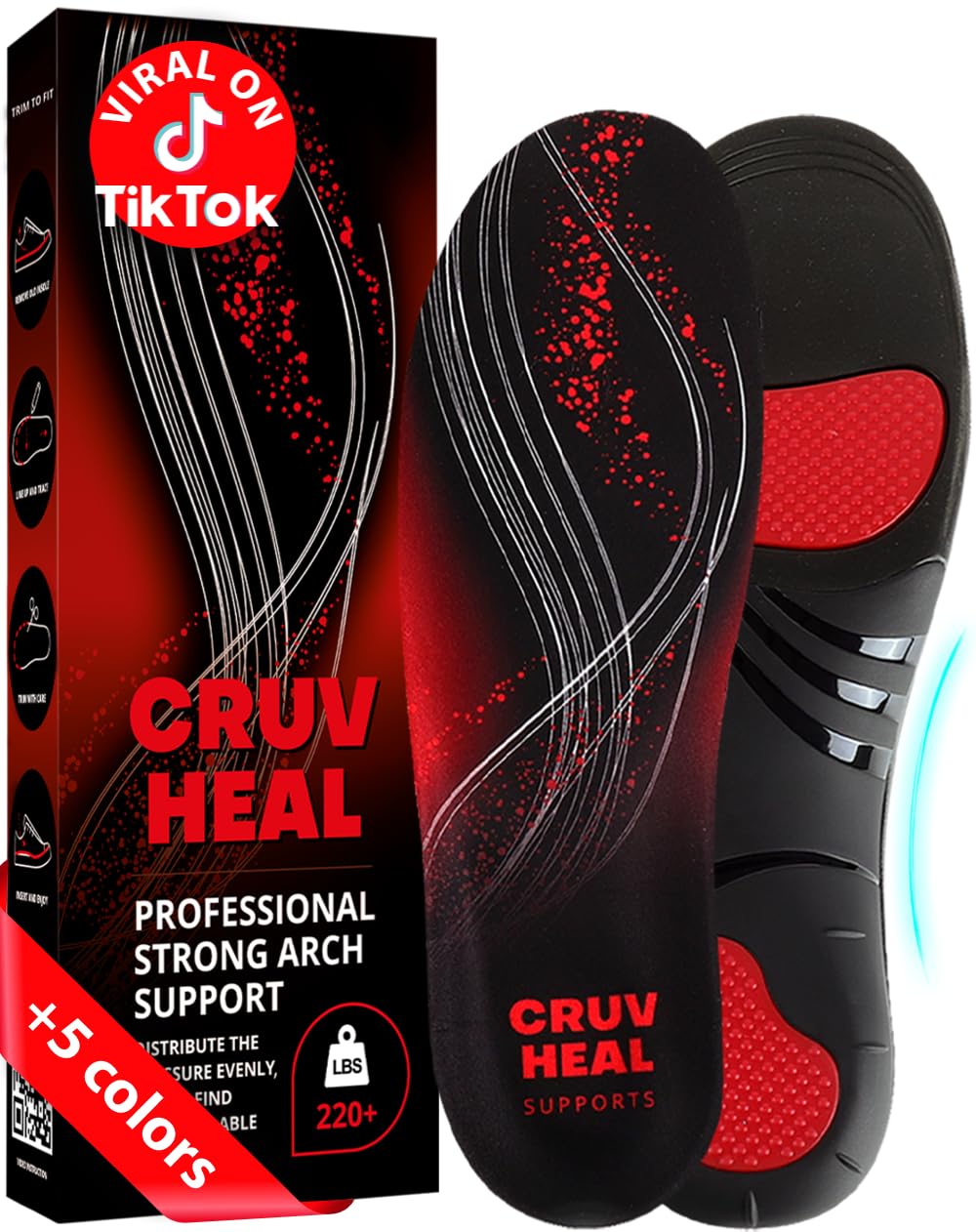
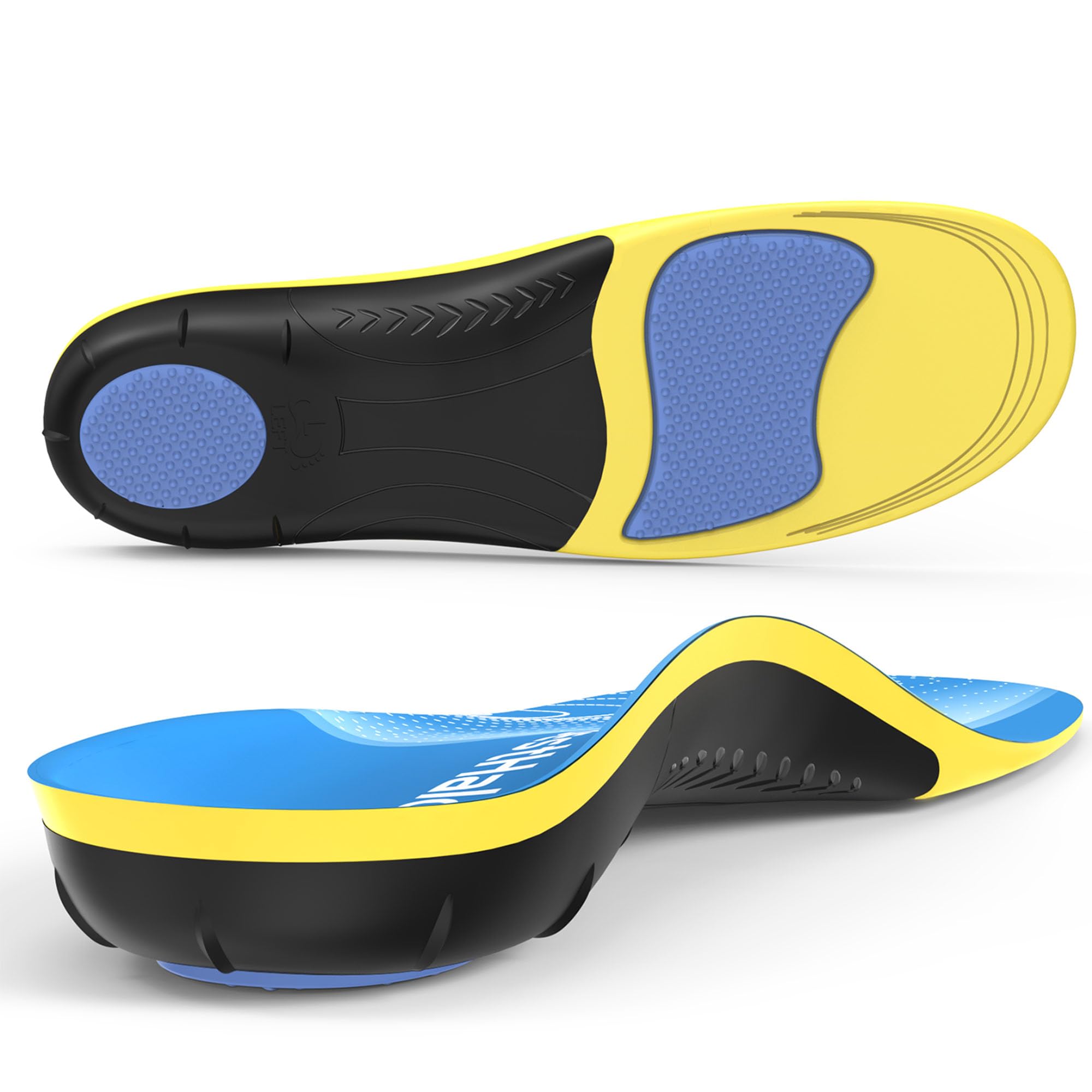
Who Should Buy Boot Insoles
Boot insoles suit workers on concrete all day, hikers covering rough ground, and anyone whose boots feel flat or unsupportive. They also help people with low or high arches whose boots lack built in support. If your boots already fit snugly with no room for an insole, a thinner model or a larger boot size may be needed.
- Workers standing on concrete or hard floors
- Hikers on rough and uneven ground
- Boot wearers with low or high arches
Firmness, Thickness, and Arch Shape
Firmness should match your arch and activity. A firm insole supports a low arch and holds up under heavy boots, while a softer insole suits a high arch that needs cushioning more than correction. Medium firmness suits most wearers and most boots, giving support without feeling like a hard board underfoot.
Thickness is the boot specific trap. Measure the factory insole and choose a replacement close to it, or slightly thinner if your boots fit snugly. Arch shape matters too: a low, medium, or high profile should match your foot, not the label on the box. Stand on the insole outside the boot first, and check that support sits under your arch, not under your heel or toes.
Fit, Trimming, and Break In
Most boot insoles trim to size, so trace the factory insole and cut carefully, trimming a little at a time. A trimmed insole should lie flat with no curling edges, and the heel should sit in the boot's heel cup rather than riding up. Test with your usual boot socks, and walk on a hard floor and a slope before committing.
Break in should be gradual: wear new insoles for short periods first, then build up over several days. Mild muscle awareness is normal as feet adjust, but sharp pain is not. If the heel slips, the toes crowd, or the arch feels like a lump, try a different thickness or profile rather than enduring it.
Common Mistakes to Avoid
A common mistake is stacking a new insole on top of the factory one, which crowds the boot and causes blisters. Remove the factory insole first. Another is choosing the firmest insole available, assuming more support is always better, which can push the foot outward and strain the outer ankle.
Do not ignore boot condition either. A worn boot with a collapsed heel counter or a tilted sole will not be fixed by any insole. Replace boots when the structure fails, and check insoles regularly for compression, cracking, or odour. An insole that has flattened under the arch has stopped supporting you.
Everyday Use, Care, and Foot Health
Air insoles out of boots after long days, and wash them as the maker directs to control odour. Rotate two pairs if you work in boots daily, so each pair dries fully. Keep an eye on hot spots and blisters during the first weeks, since they signal a fit problem worth fixing early.
Watch for warning signs that need a clinician: persistent pain, swelling, numbness, colour change, weakness, or sores that do not heal. Insoles support healthy feet, but they do not treat nerve, joint, or circulation problems. If symptoms persist or worsen, talk with your clinician and bring your boots and insoles to the appointment.
Related guides cover nearby insole and boot needs. See work boot options in best arch support insoles for work boots, sandal options in best arch support insoles for sandals, supportive boots in best boots with arch support, supportive sandals in best sandals with good arch support, and winter options in best winter boots with arch support.
Matching Insoles to Different Boots
Work boots, hiking boots, and winter boots need different insole thinking. Work boots on concrete need firm support and shock absorption, hiking boots on rough ground need stability and a secure heel, and winter boots need insulation and room for thick socks. One insole rarely serves all three perfectly, so prioritise the boots you wear most.
Test insoles in each boot type before committing to a single pair for everything. Move the insole between boots for a day each, and note fit, heel hold, and comfort in each. If one boot crowds badly while another fits perfectly, consider a second, thinner pair for the tight boot rather than forcing one insole to serve boots with very different volumes.
Insoles for Long Shifts
Long shifts punish feet in ways short walks do not, so insole choice for work deserves extra care. Choose a pair with firm arch support and heel cushioning, and break them in over several shorter days before a full twelve hour shift. Wear moisture wicking socks, change them mid shift if they become soaked, and air boots and insoles overnight so both dry fully. During breaks, sit down, elevate feet briefly, and stretch calves and toes, since even a few minutes off your feet restores circulation. If foot pain grows across a shift despite good insoles and boots, discuss it with your clinician and review your footwear with a fitter, since long term foot health matters more than finishing a shift in pain.
Frequently Asked Questions
Should I remove the factory insole before adding a new one?
Yes, in almost all cases, remove the factory insole first, since stacking insoles crowds the boot, raises your foot, and causes heel slip and blisters. Use the factory insole as a trimming template, and check that the new insole lies flat in the boot. If the boot then feels too roomy, a thicker sock may help more than stacking insoles.
How firm should boot insoles be?
Firmness should match your arch type and activity. Firm insoles support low arches and heavy work boots, medium insoles suit most wearers, and softer insoles cushion high arches. A good insole feels supportive without feeling like a hard lump, and your foot should feel guided rather than forced. Test firmness by standing and walking, not just by pressing with your hand.
Can I trim insoles to fit my boots?
Yes, most boot insoles are designed to be trimmed. Trace the factory insole onto the new one, cut a little at a time, and test the fit in the boot before trimming more. The insole should lie flat with no curled edges, and the heel should sit in the boot's heel cup. Trimming too much cannot be undone, so cut conservatively.
Do boot insoles help with standing all day?
Boot insoles can reduce fatigue for people who stand all day by supporting the arch and distributing pressure more evenly. They work best combined with supportive boots, good socks, and regular movement or stretching breaks. If foot pain persists despite good insoles and boots, talk with your clinician, since the cause may need more than an insole.
When should I replace boot insoles?
Replace boot insoles when the arch area compresses, the heel cushion flattens, the surface cracks, or odour persists after washing. Daily wearers may need new insoles every few months, while occasional wearers can go longer. If old aches return or new hot spots appear, check your insoles before blaming your boots.
Final Thoughts
The product table above narrows the field, but boot fit makes the final call. The right pair of best arch support insoles for boots supports your arch, fits your boots without crowding, and feels comfortable through a full day. Remove the factory insole, trim carefully, and break them in gradually.
If pain, swelling, numbness, or colour change persists, talk with your clinician rather than relying on a firmer insole alone. Good insoles support healthy feet, and professional advice matters when symptoms do not settle.


