
Best Arch Support Insoles for Sandals: A Buying Guide for 2026
Disclosure: We may earn a commission when you buy through links on this page, at no extra cost to you. As an Amazon Associate I earn from qualifying purchases. Learn more

A practical buying guide to the best arch support insoles for sandals, covering fit, low profile shapes, adhesives, materials, and replacement timing.
Sandals free your feet all summer, but most factory sandal footbeds are flat as a board, and your arches pay for every boardwalk and market stroll. The best arch support insoles for sandals add the missing contour without turning open shoes into clunky orthopedic gear.
This guide explains which insole shapes actually stay put in sandals, how thickness and adhesive choices affect fit, and what each price tier delivers. Keep the comparison table below open while you read, because profile height matters more in sandals than in any closed shoe.


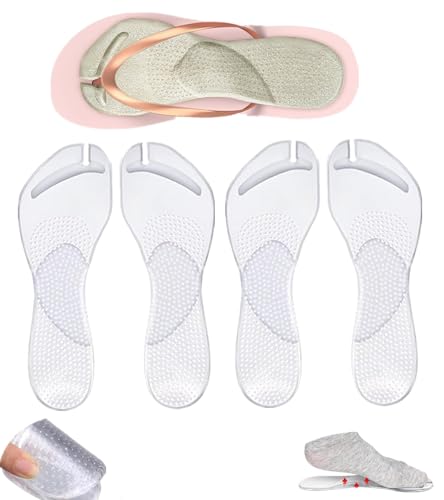

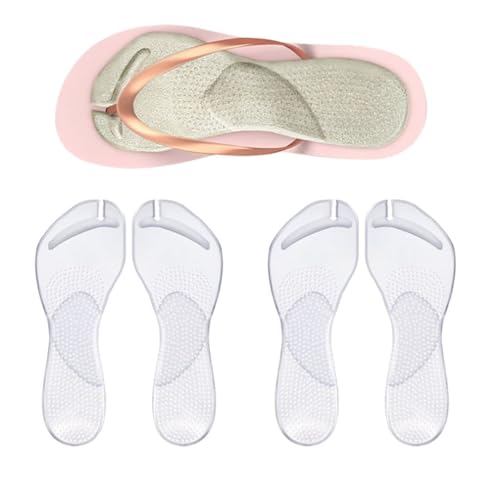
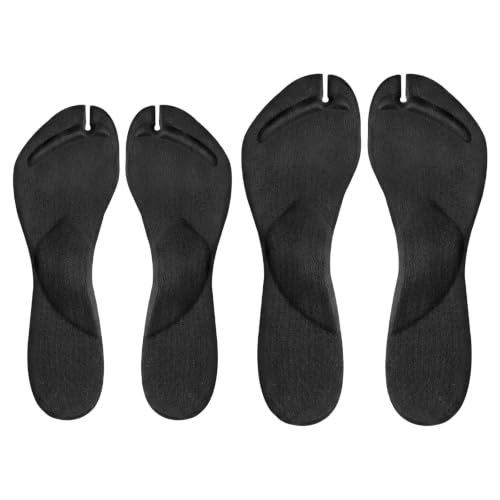
Price Tiers at a Glance
Budget Tier
Budget options, usually under $15, are adhesive arch pads, gel inserts, and simple foam half insoles. They are a cheap experiment: stick a pad under your arch and learn within a week whether added support eases your fatigue. Adhesive gives up in heat and sweat, and foam pads flatten fast, so expect weeks rather than seasons of use. That is acceptable at this price, as long as you treat them as a trial.
Mid Range Tier
Mid range insoles, about $15 to $40, use molded shells or firm foam in low profile shapes made for open footwear. Adhesives grip better, edges are beveled so they do not catch, and the arch contour survives a full summer of daily wear. For most sandal wearers this tier is the answer: real support, a shape that hides discreetly under the foot, and a price that allows a second pair for a second pair of sandals.
Premium Tier
Premium options, about $40 to $90, include heat moldable insoles and sandal specific designs in leather topped or cork style materials that look at home in quality sandals. Some sandals even accept removable footbeds, letting a premium insole sit exactly as the maker intended. Buy at this level when sandals are your main footwear for months at a time, or when cheaper pads have proven the concept but not lasted.
How to Choose Arch Support Insoles: Buying Guide
Features That Matter for Sandals
Sandals impose limits closed shoes do not. There is no upper holding the insole down, little room under straps, and the insole is fully visible. So the features that matter are a low profile that does not lift your foot out of the sandal, edges that stay hidden, and a fixing method, adhesive, or a contoured heel seat, that survives walking. A bulky running shoe insole fails on all three counts, however good its support is.
Fit, Sizing, and Thickness
Trace your sandal footbed, not your shoe insole, and match the insole outline to it. Thickness is the trap: even a few extra millimeters raise your foot enough that straps rub and your heel sits above the sandal heel cup, which feels unstable. Measure the strap clearance with your foot in the sandal before ordering, and size down rather than up if you fall between sizes, because overhang at the toes shows and curls.
Weight and Flexibility
Sandal insoles should be light enough that the sandal still feels like a sandal. The insole needs to flex with the sandal sole at the toes, because a rigid plate in a flexible sandal fights every step and peels its own adhesive loose. Through the arch, though, it must stay firm; flex the product gently in your hands and confirm the arch zone resists while the forefoot bends.
Materials and Breathability
Summer feet sweat, so materials decide comfort by August. Leather and cork style tops breathe and develop a personal fit, but cost more and dislike soaking. Synthetic microfiber tops dry fast and suit beach adjacent wear. Foam bases vary widely: closed cell foams resist water and odor better, while soft open foams feel plush for a week and then pack flat. If your sandals get wet often, favor water tolerant materials throughout.
Durability and Expected Lifespan
Adhesive pads are the shortest lived, often a few weeks of hot weather. Molded sandal insoles typically last one to two summer seasons of regular wear. Sunlight and heat accelerate breakdown, so storing sandals in a hot car shortens insole life along with everything else. Judge lifespan by the arch, not the surface: when the contour no longer meets your arch, support has ended even if the insole looks fine.
Break In Period and Comfort Out of the Box
Give any new arch support a gradual start, an hour or two on day one and more each day after. Sandals make break in easier to judge because you can see exactly where the contour meets your foot. A mild awareness under the arch is normal; a feeling of standing on a stone is not. Because sandals hold the foot less securely, stop and reassess if your foot starts sliding sideways on the new surface.
Types of Arch Support Insoles for Sandals
Adhesive Arch Pads
Small pads stick directly to the sandal footbed under your arch. They are nearly invisible, cost little, and let you place support exactly where your arch peaks. They also shift position in heat and leave residue when removed, so they suit experimentation and occasional wear better than a full summer of daily miles.
Three Quarter Length Insoles
These run from heel to just behind the toes, supporting the arch while leaving the toe area at its original height, which preserves strap fit. They are the most versatile sandal option and move between pairs easily. Our guide to the best sandals with good arch support is worth reading alongside, because a sandal with a shaped footbed may need no insole at all.
Full Length Low Profile Insoles
Full length versions cushion the whole foot and work best in sandals with removable footbeds or generous strap room. They give the most even support and suit long walking days. Check our guide to the best walking sandals with arch support if your summer involves serious distances, since insole and sandal choices interact at that level of use.
Arch Sleeves Worn With Sandals
Elastic arch sleeves slip over the foot and provide gentle compression support under any sandal. They add no thickness inside the shoe, which solves the strap problem completely, and they wash easily. Their support is the mildest of all these types, so think of them as help for tired arches on light days rather than as a fix for ongoing pain.
Care and Maintenance Tips
- Peel and restick sparingly. Every removal weakens adhesive; commit to one home sandal per adhesive pair where you can.
- Rinse sweat off weekly. A quick rinse and air dry keeps summer odor down and stops salt from stiffening foam.
- Air dry away from direct heat and sun. Heat warps molded contours and kills adhesive, so shade and patience win.
- Rotate between two pairs of sandals. Rest days let foam recover, the same habit that helps the insoles in our guide to the best arch support insoles for boots last through winter.
- Check placement monthly. Insoles creep slowly; a pad that has slid forward supports nothing and can rub.
A health note: if you have diabetes, poor circulation, or foot pain that is sharp, worsening, or paired with numbness or swelling, talk with a doctor or podiatrist before relying on any insole. Added support changes how your foot loads, and professional advice matters when sensation or circulation is reduced.
Frequently Asked Questions
What features matter most in arch support insoles for sandals?
Low profile shape and a fixing method that survives heat matter most, because a supportive insole that slides or lifts your foot out of the sandal helps no one. After that, match arch height to your foot. One often missed detail is edge beveling: thin, tapered edges stay invisible and do not catch on the sandal rim when you slip them on.
Do arch support insoles for sandals need to be waterproof?
They do not need to be waterproof, but water tolerant materials help if your sandals meet pool decks, boats, or summer rain. Closed cell foam and synthetic tops shrug off splashes, while leather and cork prefer to stay dry. If your sandals are truly amphibious, our guide to the best sandals with high arch support covers built in options that skip the insole question entirely.
How should arch support insoles fit in sandals?
The insole edges should sit inside the sandal footbed outline with no overhang, the heel should center in the heel cup, and the arch peak should meet the middle of your arch, not your heel or toes. Your straps should close at their usual setting. If you must loosen straps a full notch, the insole is too thick for that sandal.
How often should I replace my arch support insoles?
Adhesive pads often need replacing within a single season, while molded sandal insoles usually last one to two summers. Replace any type when the arch contour feels flat, the surface cracks, or your old end of day ache returns. Keeping last season pair as a spare for beach days stretches your budget without sacrificing your main pair.
Are expensive arch support insoles worth it?
They can be when sandals are your primary footwear for months, because better materials hold their contour through heat and sweat that defeat cheap foam. Premium prices also buy discreet finishes that look right in leather sandals. For occasional wear, though, mid range insoles deliver most of the support, and our guide to the best men's sandals with arch support shows when buying a supportive sandal beats upgrading a flat one.
Can I wear arch support insoles in sandals all day?
Yes, once you have broken them in gradually, a well fitted pair is made for full days. Build up over a week, especially before a vacation of heavy walking, because new support changes tired muscles workload. Carry your most trusted closed shoes on the first long day if you can, and switch if soreness builds; adaptation is normal, pain is information.
How long is the break in period for arch support insoles?
Most people adapt within three to seven days of gradually increasing wear. Thin pads need almost no break in because their support is mild, while firm molded insoles take the full week. Your arches may feel pleasantly worked, like after a walk, but they should not bruise or ache into the next morning; that pattern means the contour is too aggressive for you.
Final Thoughts
Choose the lowest profile that still meets your arch, fix it so heat cannot move it, and replace it when the contour fades. Check your finalists in the product table above, talk with your clinician about personal needs if pain persists, and the best arch support insoles for sandals will let your favorite open shoes support you as well as they free you.


