
Best Ar 670 1 Boots for Rucking by Budget for 2026
Disclosure: We may earn a commission when you buy through links on this page, at no extra cost to you. As an Amazon Associate I earn from qualifying purchases. Learn more

Compare the best ar 670 1 boots for rucking by budget, with guidance on compliance, cushioning, fit, traction and long term costs for loaded miles.
Prices for uniform boots vary a lot, and a higher tag does not always buy more comfort on a ruck march. The best ar 670 1 boots for rucking match the regulation, support your feet under a loaded pack, and fit the miles you actually cover each week. This guide sorts the choices by budget so you can see where extra money helps and where it does not, then check the comparison table below.
Start with the load you carry and the ground you cover. A short ruck on pavement with a light pack asks less of cushioning and arch support than a long march on gravel with a heavy ruck. Keep your weekly distance, pack weight and terrain in mind, because those three points decide which tier and which features deserve your money.


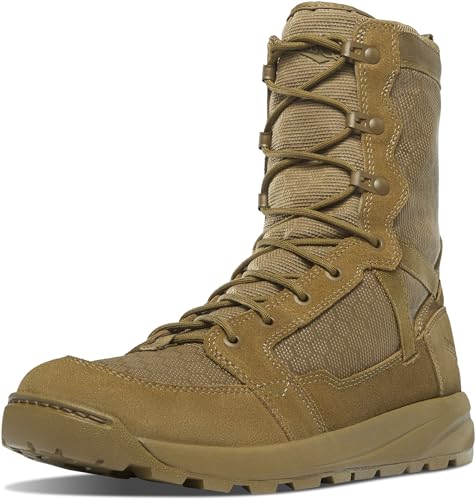
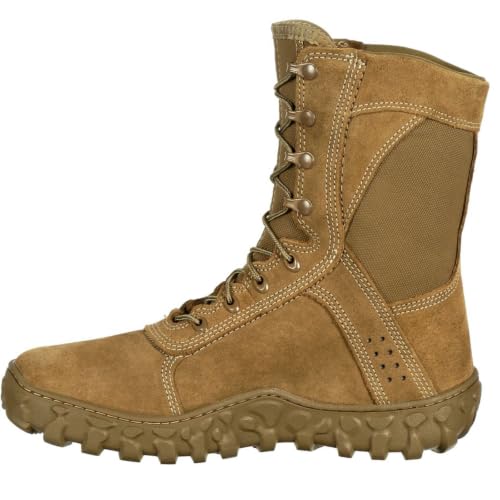

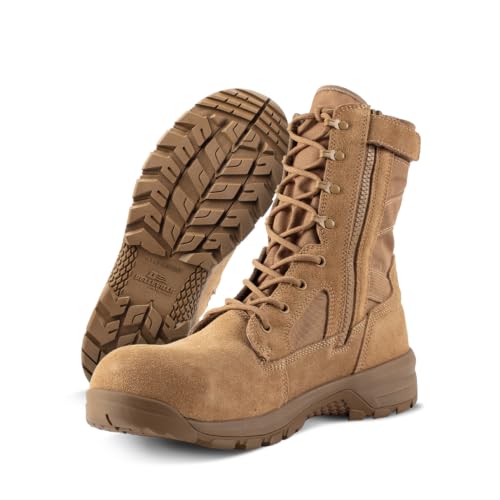


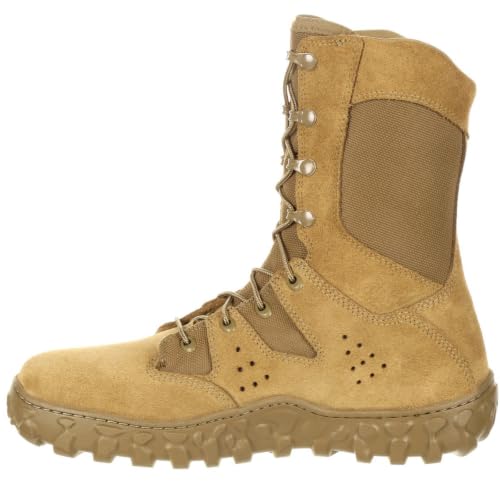
Who Should Buy AR 670 1 Boots for Rucking?
Your training stage and your usual load matter more than brand names. If you want the wider uniform picture first, see our guide to the best ar 670 1 boots and then return here to choose by rucking load and budget.
Soldiers Building a Rucking Base
You are adding miles and your feet are adapting to time under a pack. Choose a compliant boot with a forgiving fit, moderate cushioning and a sole that bends without a fight. A budget or midrange pair suits this stage well.
Weekly Ruckers Carrying Moderate Loads
You ruck two or three times a week with a steady training load, often around 25 to 35 pounds. Choose stability that keeps your ankle steady when you step off a curb or cross uneven grass. Midrange boots usually serve you best, since stronger uppers hold up to repeated weekly miles.
Long Distance Ruckers Carrying Heavy Loads
You cover long routes with loads that can pass 45 pounds, and small fit flaws turn into hot spots. Choose a roomy toe box, firm arch support and an upper that locks your heel in place. Premium builds earn their cost here, because comfort at mile twelve matters more than saving money at checkout.
What Each Price Tier Buys You in a Rucking Boot
Each tier below assumes the boot already meets the regulation. Price changes the materials, the cushioning and how long comfort lasts, not whether it counts as a uniform boot.
Budget Tier: Plain Compliance and Firm Support
Budget pairs cost about $100 to $140 and cover the basics with leather and nylon uppers and basic foam insoles. Support feels firm and weight runs higher. Choose this tier for occasional rucks and shorter routes, where low cost matters more than soft landings.
Midrange Tier: Softer Cushioning for Weekly Miles
Midrange pairs cost about $140 to $190 and add plusher midsoles and better insoles. Uppers tend to flex sooner and soles grip wet pavement with more confidence. Choose this tier if you ruck every week, because the comfort gain shows up on every outing.
Premium Tier: Lighter Builds and Longer Wear
Premium pairs cost about $190 to $250 and use lighter materials, refined cushioning and tougher stitching. Some add a waterproof membrane for cold and wet routes. Choose this tier for heavy loads and high weekly mileage, where a lightweight build and longer service life repay the price.
Key Features to Compare
Price sets the materials, but the points below decide how a boot feels at mile eight. When you judge the best ar 670 1 boots for rucking for your training, work through each point and note where a cheap pair gives ground.
Compliance Details That Keep a Boot in Uniform
A rucking boot you cannot wear in uniform is wasted money. Regulation boots stand about 8 to 10 inches tall, use coyote brown flesh side out leather with nylon panels, and keep a plain toe with matching laces. If you need the full rule set in one place, see our guide to the best ar 670 1 compliant boots before you order. Avoid extra logos and side zips, because those details can fail an inspection.
Cushioning and Arch Support Under Load
A loaded ruck drives your foot harder into the boot with every step, so the midsole has to absorb shock without feeling vague. Foam that feels soft in the store can pack down fast under weight, while a firmer bed with real arch support holds your stride steady late in a march. If your arches tire early, budget for a supportive insole. Stability matters most on tired legs, when your ankles start to roll.
Fit, Sizing and Toe Box Room for Foot Swell
Feet swell during long rucks, so try boots late in the day while wearing your ruck socks. You want a thumb width of space past your longest toe, a heel that stays put, and no pinch across the forefoot. If you notice numbness, sharp pain or swelling that does not settle after rest, stop training and talk with a clinician about your feet and your load.
Weight, Flex and Breathability on the March
Every ounce on your foot costs energy across thousands of steps, but the lightest build is not always the right one. Thin and flexible builds feel fast on pavement but can leave your feet sore under a heavy ruck on rough ground. Breathable nylon panels vent heat well in warm weather, while a Gore Tex lining trades airflow for dry feet in cold rain. Match the build to your season and your load, not to the scale alone.
Outsole Traction and Heel to Toe Drop
The outsole decides how surely you climb wet grass, loose gravel and muddy slopes. Shallow lugs roll smoothly on pavement, while deeper lugs bite on trails but can feel clumsy on hard roads. Most rucking boots use a heel to toe drop of about 8 to 12 mm, which suits a steady marching stride. Pick the lug pattern for the ground you cover most, because grip you never use still adds weight.
Ongoing Costs of Rucking in Uniform Boots
The boot price is only the first cost of rucking. Supportive insoles run about $20 to $40 a pair and usually need replacing two or three times during the life of one boot. Good ruck socks wear out as well, and most cemented soles cannot be replaced once the tread wears smooth, so a full new pair belongs in your yearly budget.
Warranty terms vary by maker, and cover for stitching and sole bonding can save a full replacement. Keep your receipt, because claims often need proof of purchase date.
Common Mistakes to Avoid
These errors cost money and skin, and each one is easy to prevent.
- Buying your normal shoe size without a fitting in ruck socks leads to crushed toes once your feet swell on the march.
- Starting with a long heavy ruck in a stiff new boot brings blisters before the leather has softened.
- Skipping the compliance details gets a comfortable boot barred from wear in uniform.
- Choosing deep trail lugs for mostly pavement rucks wears the tread down fast and wastes the grip you paid for.
- Leaving home without spare socks on a long ruck leaves wet feet rubbing with no way to cut friction.
Care and Maintenance for AR 670 1 Rucking Boots
After each ruck, loosen the laces, pull out the insoles and let the boots dry at room temperature away from direct heat. Brush dried mud from the leather and nylon, and wipe salt lines with a damp cloth. Heat from a vent or dryer hardens leather and weakens glue, so patience protects the boot better than speed.
Rotate two pairs if you ruck on back to back days, because foam needs a full day to recover its cushion. Store boots upright in a dry place. Check stitching, eyelets and sole edges each month, and retire a pair from heavy loads when the sole starts to separate.
AR 670 1 Boots for Rucking: Your Questions Answered
What features matter most in AR 670 1 boots for rucking?
Stability under load matters most, followed by fit and then cushioning. A boot that holds your heel and supports your arch keeps your stride sound when fatigue sets in. Test this by walking stairs in the store while wearing a loaded pack, because flat floors hide weak support.
How long is the break in period for AR 670 1 rucking boots?
Most AR 670 1 rucking boots settle in after about one to two weeks of short wear. Start with walks without a pack, then add distance and weight in small steps. Tape any hot spot the moment you feel it, since early care prevents blisters that can pause training.
How should AR 670 1 boots fit for rucking?
AR 670 1 boots should fit snug at the heel and midfoot with clear space at the toes. Your heel should barely lift as you walk, and your toes should never press the front when you step down a ramp. Try both feet, because one foot is often larger, and size the pair to the larger foot.
How often should you replace AR 670 1 boots used for rucking?
Replace AR 670 1 boots used for rucking after about 500 to 800 miles, or sooner if the signs below appear. A midsole that feels flat and harsh, tread worn smooth at the heel and forefoot, and uppers that lean to one side all point to a worn out pair. Keep a simple mileage log, because most ruckers wear a pair far past its support life without noticing.
Do you need waterproof AR 670 1 boots for rucking?
You need waterproof AR 670 1 boots for rucking only when cold rain and wet ground fill your routes. A membrane keeps outside water out, yet it also slows drying once water enters over the collar and adds warmth on summer marches. Many ruckers choose breathable boots and carry spare socks, then dry the boots after each wet outing.
Final Thoughts
Choose by compliance first, then by fit under load, and let your weekly miles set the tier. Budget boots serve new ruckers well, midrange boots suit steady weekly training, and premium builds repay heavy loads and long routes. Use the product table above to compare weight, price and sole type.
When the best ar 670 1 boots for rucking fit your feet and your budget, training feels simpler and your miles add up faster.


