
Best Ar 670 1 Boots: Every Type Explained Side by Side 2026
Disclosure: We may earn a commission when you buy through links on this page, at no extra cost to you. As an Amazon Associate I earn from qualifying purchases. Learn more

Compare ar 670 1 boot types side by side, from standard leather to hot weather pairs, with plain guidance on compliance, fit, weight and typical prices.
A rack of uniform boots can look nearly identical at a glance, yet the pairs differ in weight, leather, venting and price, and only some of them belong on your feet all day. This guide compares the main types of best ar 670 1 boots side by side so the differences are clear before you spend anything. It explains what the regulation asks of a boot, how each type behaves on duty, and which checks keep a purchase compliant.
Start with the comparison table below, which lines the types up by job, strengths, weaknesses and typical price. Then read the type notes and the choosing checks that follow, because a boot that passes inspection can still punish your feet on a long shift if the fit and weight are wrong for your work.


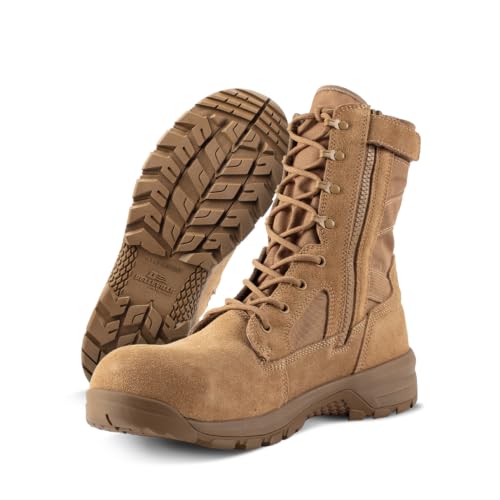
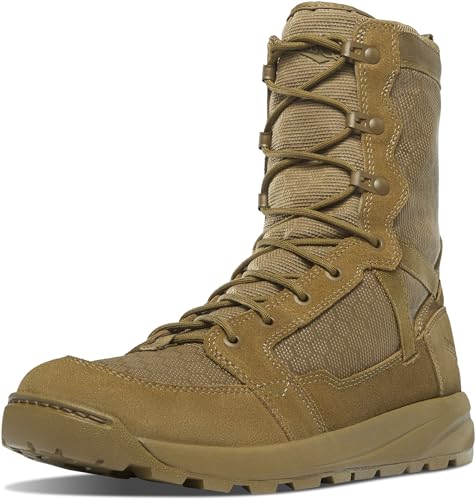
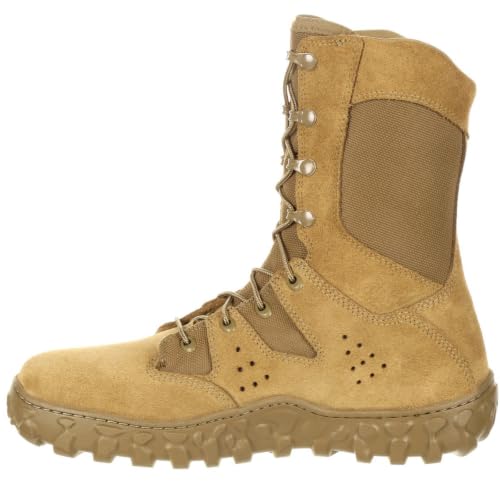
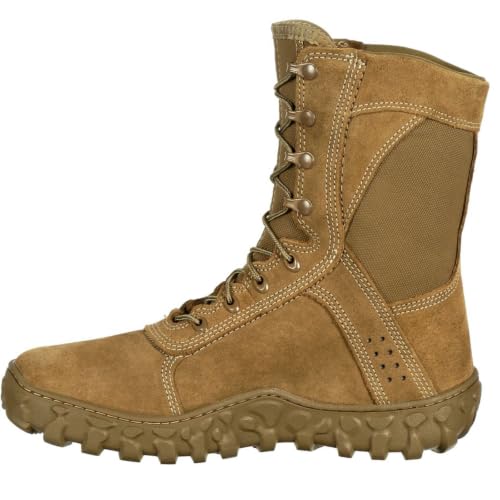


Types of Ar 670 1 Boots Compared
Compliance comes first, because a comfortable boot that fails the uniform standard is money wasted. Read compliance from two sources together: the current regulation, which sets what a duty boot must be, and the maker statement, which declares that a given boot line was built to that standard. Lines sold as best ar 670 1 compliant boots still vary widely in weight and fit, so the statement opens the door and the checks below decide the pair.
The regulation also fixes the look of the boot. It sets the colour class, an approved coyote brown shade, and the upper material class, built around cattle hide leather with the flesh side out, along with rules for sole colour and boot height. A pair in the wrong shade or with a glossy finished leather upper can fail inspection even when everything else is right, so match the colour and material before you compare comfort features.
| Type | Best For | Pros | Cons | Typical Price |
|---|---|---|---|---|
| Standard leather duty boots | Daily garrison and field duty | Strong support, long service life | Heavier, longer break in | about $150 to $250 |
| Lightweight tactical boots | Long shifts on hard floors | Light on the feet, quick break in | Less support, shorter life | about $120 to $200 |
| Hot weather vented boots | Heat and humid posts | Air flows through side vents | Vents let in dust and water | about $130 to $220 |
| Waterproof boots | Wet and cold duty | Dry feet in rain and slush | Warmer, slower to dry inside | about $180 to $300 |
Standard Leather Duty Boots
This is the baseline type the regulation describes: a full leather upper, a firm midsole and a sole built for mixed ground. The leather moulds to your foot over the first weeks and then holds its shape well, which is why this type suits soldiers whose days mix office work, the motor pool and field tasks. The trade is weight and patience, since a stiff new pair needs a gradual break in before it feels like your own.
Lightweight Tactical Boots
Lightweight boots swap part of the leather upper for synthetic panels, and the result feels closer to a sturdy trainer than a traditional boot. They shine on hard floors and long standing shifts, where every extra ounce shows up by the end of the day. The same soft build gives less ankle support under a heavy pack and wears out sooner, so this type fits garrison heavy duties better than rough field rotations.
Hot Weather Vented Boots
Vented boots add drainage and air ports low on the upper, so heat escapes and water that gets in can get out again. In hot and humid posts that airflow keeps feet drier across a long day than any sealed boot can. The openings work both ways, though: fine dust works in on dry ground, and the type gives up quickly in cold weather, so treat it as a seasonal pair rather than a year round one.
Waterproof Boots
A waterproof membrane lining keeps rain and slush out, which makes this type the calm choice for wet grass, mud and cold snaps. Feet stay dry from the outside, but sweat leaves slowly, so the inside can feel warm and damp on mild days. If your duty is mostly dry and indoors, the membrane is cost and warmth you rarely use; if you stand in wet fields, it earns its place.
Standard Leather vs Lightweight Tactical: Which Should You Choose?
The product table above lines the two up, and four points decide between them. Support: the leather boot holds the ankle and arch better under load, while the lightweight boot flexes more and steadies less. Weight: the lightweight pair can save real ounces per foot across a shift.
Break in: leather asks for one to two weeks of short wears, while most lightweight pairs feel fine almost at once. Service life: leather usually outlasts synthetic panels by a wide margin. Choose leather when field work and loads fill your week, and choose the lightweight type when your week is floors, pavement and standing.
How to Choose the Right Ar 670 1 Boot
Fit, Sizing, and Toe Box
Try boots late in the day, when your feet have swollen to working size, and wear your duty socks. Your toes need room to spread without the foot sliding forward, and the heel should sit held rather than lifted with each step. Sizes are not standard across maker lines, so read each maker size chart instead of trusting the number on your old pair.
Durability and Expected Lifespan
Judge life by the sole, the stitching and the upper, in that order. A sole worn smooth at the heel, seams opening at the flex point and leather cracking across the toes all say the pair is near the end. Marching under load wears a pair faster, which is why guides to best ar 670 1 boots for rucking stress sole stiffness and ankle support over low weight. Rotating two pairs rests the foam and leather, and extends the life of both.
Cushioning and Support
Boots carry a smaller heel to toe drop than running shoes, so the feel is flatter and steadier under load. What matters more is the insole and the arch support class: a flat insole suits some feet and tires others within hours. If your arches ache on concrete, look for a boot with a shaped insole or room to fit the insert your unit allows.
Outsole Traction and Terrain
Lug depth and pattern decide grip. Deep, spaced lugs bite into mud and loose ground but feel clumsy and wear fast on pavement, while a flatter tread grips wet floors and rock better. Softer rubber compounds hold slick surfaces well and wear down sooner, so match the sole to the ground you cross most, not the ground you cross once a year.
Weight and Flexibility
Weight is a daily cost, paid at every step, while stiffness is protection you notice only when the ground turns rough. A flexible lightweight pair suits clerks, medics and anyone standing on floors for ten hours. A stiffer, heavier pair suits soldiers who carry loads over broken ground. Be honest about your real week, because the boot that wins on paper can lose by Friday.
How to Make Your Ar 670 1 Boot Last Longer
Brush off dirt after duty and let wet boots air dry at room temperature, away from direct heat, which cracks leather and weakens glue. Rest each pair at least a day between wears when you can, since foam and leather recover while they sit. Wipe leather with the care product the maker allows, keep vents and drainage ports clear, and replace worn insoles before they change how the boot fits. Stored clean, dry and uncrushed, a good pair keeps its shape far longer.
Ar 670 1 Boots: Your Questions Answered
How long is the break in period for ar 670 1 boots?
Most leather duty boots need about one to two weeks of growing wear before they feel settled. Start with short wears around the office or barracks, then add longer days as hot spots fade. Alternating the new pair with your old pair during this window is the easiest way to avoid blisters, since your feet get rest days while the leather slowly takes their shape.
How should ar 670 1 boots fit?
They should hold the heel firmly, leave a thumb of room ahead of the longest toe and let the toes lie flat without pressing the sides. One check many soldiers miss is lacing: a loose heel lock at the top eyelets lets the foot slide even in the right size. Retie with a firm heel lock before you judge a pair too big or too small.
Are expensive ar 670 1 boots worth the money?
They can be, when the extra cost buys better leather, stitching and sole materials that stretch the service life. A useful way to judge is cost per year: a pricier pair worn three years often beats a cheap pair replaced every year. Price alone proves nothing, though, so weigh the build details and the maker compliance statement rather than the tag.
How often should ar 670 1 boots be replaced?
Replace them when the sole, support or upper stops doing its job, not on a fixed calendar. Warning signs are a heel worn at an angle, midsole foam that stays compressed, and cracks at the flex point that let water in. Heavy field use can finish a pair in about a year, while garrison wear may stretch the same pair well past two.
Can ar 670 1 boots be worn all day?
Yes, a compliant pair in the right type and size is built for full duty days. Comfort across ten or more hours depends less on the boot alone than on the pairing of boot, socks and lacing: moisture managing socks and a midday sock change do more for tired feet than any single feature. If one spot rubs by midday, fix the fit early instead of pushing through.
The Bottom Line
Three checks decide this purchase: the maker compliance statement, the regulation colour and material, and a fit and weight that match your real duty week. Get those right and the type choice follows naturally, whether that is leather, lightweight, vented or waterproof. The best ar 670 1 boots for you are the compliant pair you can wear all day without thinking about them, so compare the product table above once more before you order.


