
The Best Air Pumps for Freshwater Aquarium: Buying Guide and Top Picks for 2026
Disclosure: We may earn a commission when you buy through links on this page, at no extra cost to you. As an Amazon Associate I earn from qualifying purchases. Learn more

Learn how to choose the best air pumps for freshwater aquarium setups, with output, noise, depth and upkeep guidance for healthy fish and clear water.
An air pump looks like the simplest gadget on your aquarium shelf, yet it quietly powers sponge filters, airstones, and decorations that keep freshwater fish comfortable. Choose one that is too weak and your filter barely turns over. Choose one that is too loud and you will hear it from the next room. The best air pumps for freshwater aquarium setups balance output, noise, and reliability for your exact tank.
This guide explains the profiles worth looking for, the specs that decide performance, and the small setup habits that keep water and electricity safely apart. Start with the comparison table below, then match each section to your tank size and stocking level.

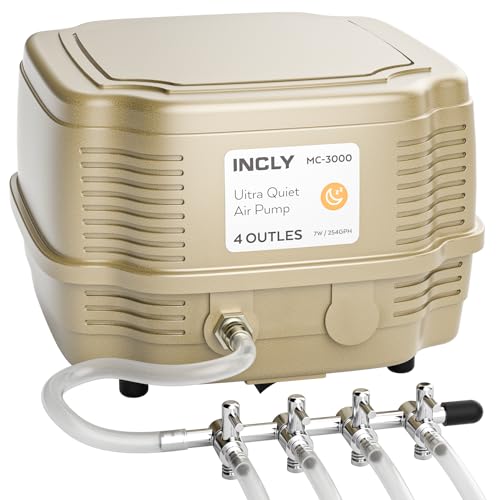
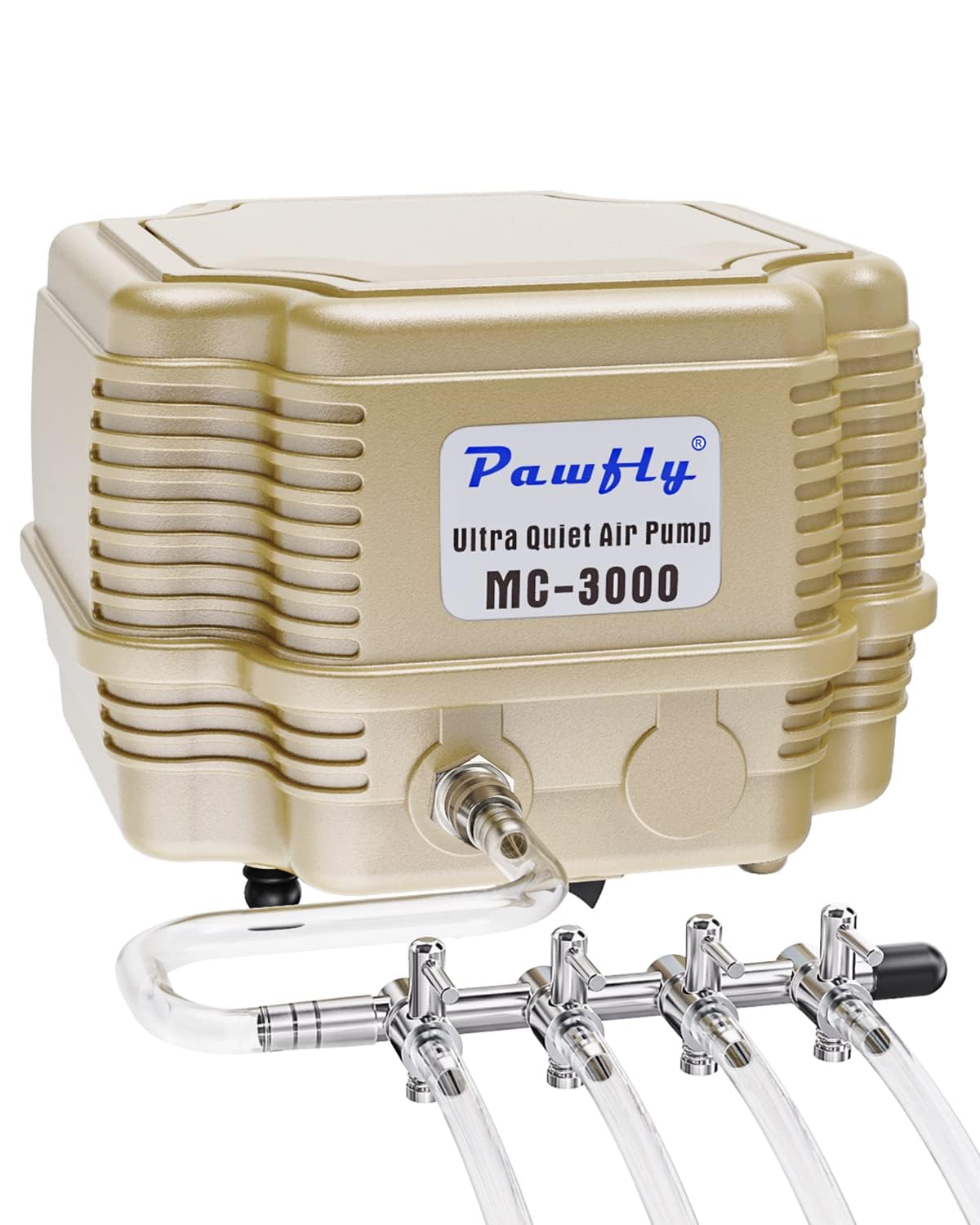


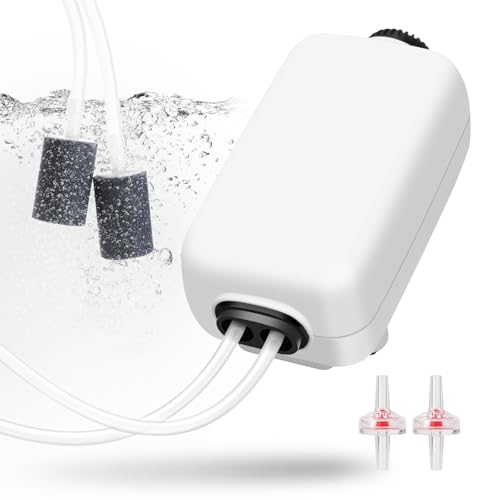
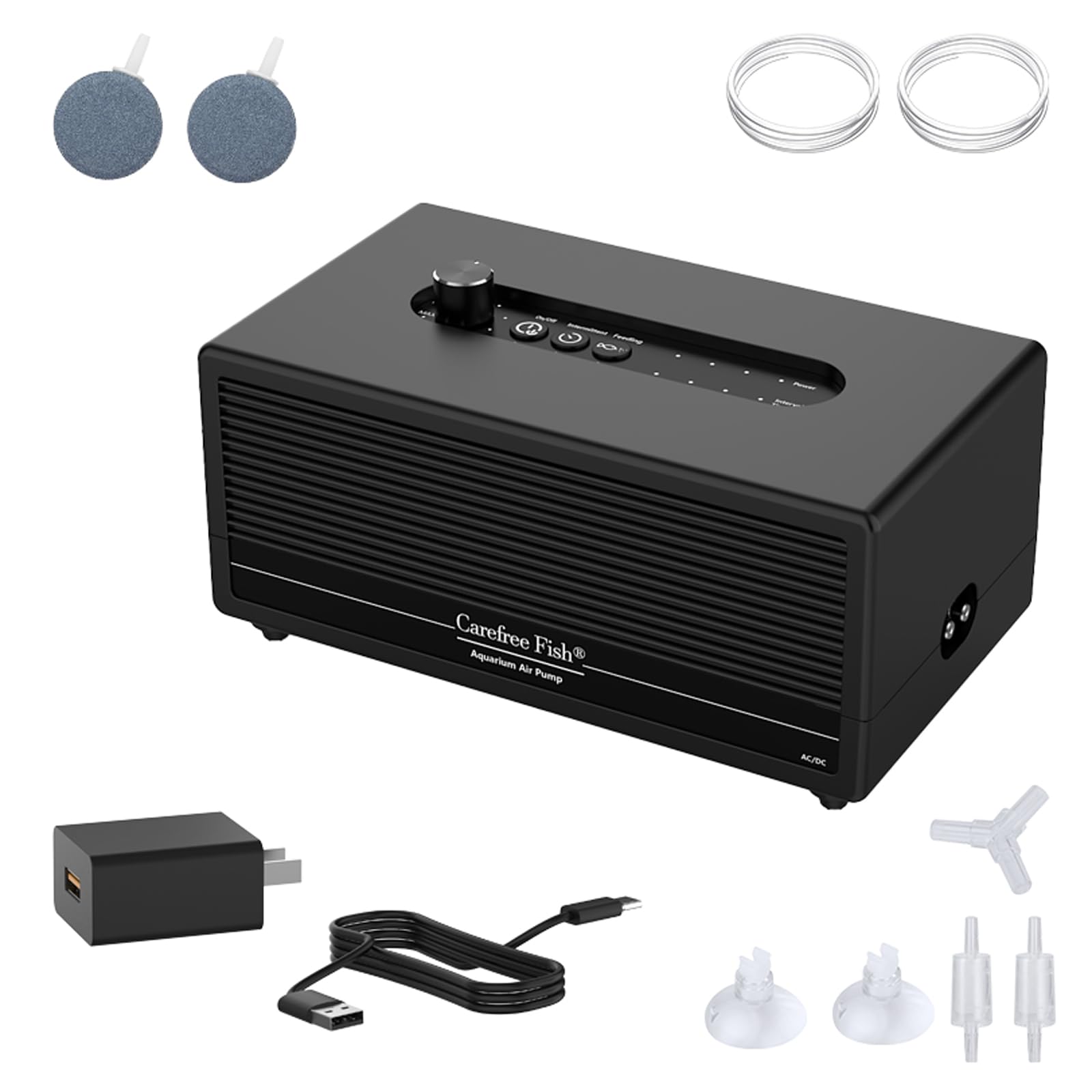

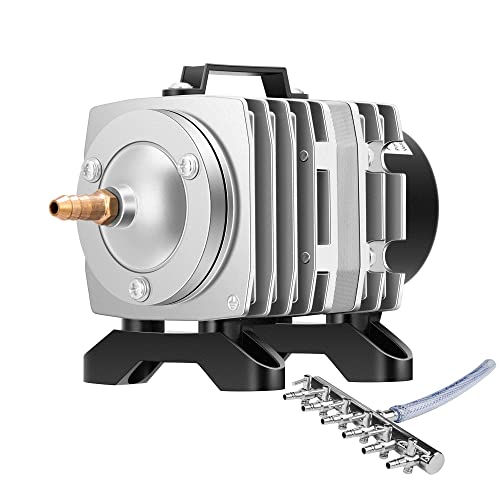
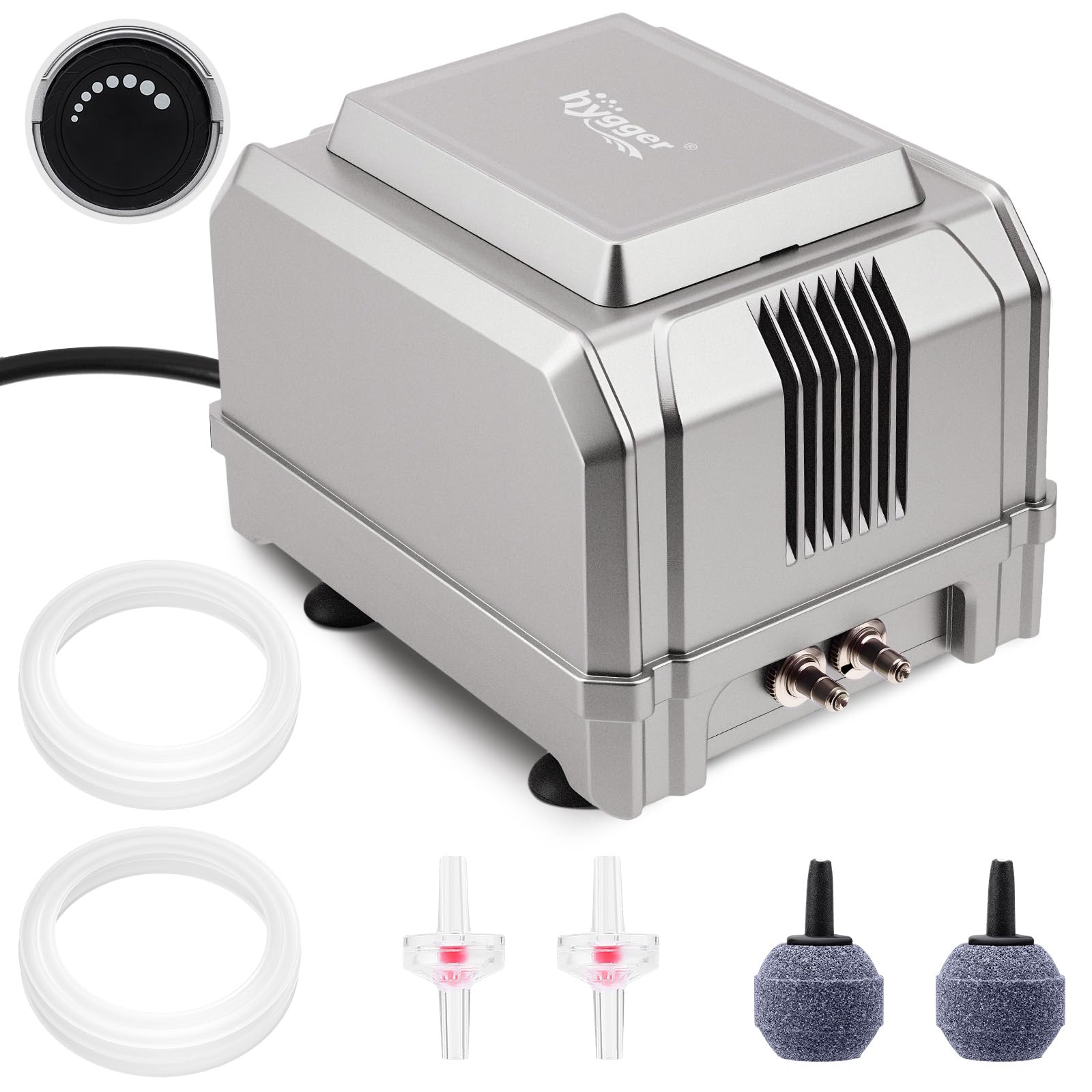
Our Top 3 Picks at a Glance
Rather than naming single models, use these three profiles to judge any current option. A pump that fits the profile for your tank will serve you well, whatever badge it carries.
Best Overall
The overall profile is a diaphragm pump rated a step above your tank size, with adjustable airflow and two outlets, priced around $20 to $40. Adjustable output lets you run a sponge filter gently for fry or strongly for a busy community tank, and a spare outlet leaves room for an airstone later. Look for rubber feet and a housing that does not buzz against the shelf. The usual tradeoff is a slightly larger body than a basic pump, which needs a dry, ventilated spot beside or above the tank.
Best Value
The value profile is a single outlet pump rated for small to mid size tanks, priced under $20 and often around $10 to $18. It should still include a check valve in your budget plan, since that tiny part protects the pump from water creeping back down the airline. Value models give up flow adjustment and spare outlets, and their diaphragms may wear sooner under daily use. For a single betta tank or a small shrimp setup running one sponge filter, that trade is sensible and the savings can go toward livestock or plants.
Best Upgrade Pick
The upgrade profile adds strong output for deep or large tanks, whisper level noise control, and parts you can replace, such as diaphragms and filters, priced around $40 to $80. Battery backup is the standout upgrade feature, because it keeps air flowing during a power outage when oxygen levels can fall fast in a stocked tank. Metal outlets, a long warranty, and stable output under back pressure from deep airstones complete the picture. The tradeoff is cost and size, so this level earns its price on big, valuable, or heavily stocked aquariums.
How to Choose the Best Air Pumps: Buying Guide
Features That Matter for Freshwater Aquarium
Freshwater tanks ask an air pump to do real work, not just make decorative bubbles. Bubbles themselves add little oxygen directly. The real gas exchange happens at the surface, where moving water meets air, and air driven sponge filters also host the bacteria that process fish waste. Match pump output to your tank rating and to depth, because an airstone placed deep needs more pressure than one near the surface. For a broader comparison of styles, see our guide to the best aquarium air pumps before you settle on a size class.
Intended Use and Who It's For
Your intended use decides how much pump you need. A nano tank with a few shrimp needs gentle, adjustable flow. A planted community tank needs steady output for a filter plus an airstone at night if plants and fish compete for oxygen in the dark. A breeding setup may run several small sponge filters from one pump and a gang valve. Keep the categories separate in your mind. An air pump moves air only, while the water moving cousins covered in our guide to the best aquarium pumps handle circulation and filtration flow.
Warranty and Customer Support
Because many air pumps run all day and all night, warranty and support matter more than with most small gear. A warranty of one to two years is common, and better brands sell replacement diaphragm kits so a tired pump can be rebuilt instead of replaced. Before you buy, check that the maker lists spare parts and a real support channel. Save your receipt and register the product, since a pump that fails in its first year should cost you an email, not a second purchase. Support that answers with clear steps also helps when noise or weak output has a simple fix.
Ease of Use and Setup
Setup is simple but order matters. Place the pump on a dry surface above the water level when you can, connect the airline tubing, fit a check valve in the line with its arrow pointing toward the tank, and add a drip loop in the power cord so water cannot travel along the cable to the outlet. Then plug in and adjust the flow so bubbles rise steadily without blasting your fish or plants. A pump with a clear flow dial and standard size outlets makes all of this faster, and airline that stays flexible is easier to route neatly.
Maintenance and Long Term Costs
Long term costs stay low when you plan for small wear parts. Diaphragms slowly lose flexibility, air filters clog with dust, and airstones coat with mineral and biofilm, all of which make the pump seem weaker than it is. Replace airstones when bubbles turn coarse and uneven, rinse or swap the intake filter on the schedule in the manual, and keep spare tubing on hand. Electricity use is tiny for most home pumps, only a few watts, so the real cost of ownership is parts and lifespan rather than your power bill.
Build Quality and Materials
Build quality shows up as quiet, steady service. A heavier housing with rubber feet resists vibration, metal outlet nozzles outlast thin plastic ones, and a well seated diaphragm delivers even pulses instead of a rattling stream. Inside better pumps, the moving parts tolerate heat from constant running without warping. Hold a candidate in mind against one test. If the whole body buzzes and walks across the shelf in a store demo or a video, that same energy becomes noise and wear at home. Solid construction is a comfort feature and a lifespan feature at once.
Types of Air Pumps
Compact Options
Compact pumps suit nano tanks, hospital tanks, and travel or quarantine setups. They are small, light, and often USB or battery capable, which also makes them handy during outages. Their limits are output and reach, so do not ask one to drive a deep airstone or several filters. If quiet running in a bedroom is your top concern, compare this class with the models in our guide to the best quiet aquarium air pumps.
Budget Options
Budget pumps cover the basics for one small tank and one air driven device. Expect a single outlet, fixed output, and a lower price around $10 to $20. They are a fine first pump and a smart spare to keep in a drawer, since a failed pump at night is an emergency you can solve in minutes with a backup. What you give up is adjustment, spare outlets, and long diaphragm life, so heavy daily duty will shorten their span.
Mid Range Options
Mid range pumps are the sweet spot for most freshwater keepers. For around $20 to $45 you typically get two outlets, adjustable flow, better noise control, and stronger pressure for deeper tanks. This class runs a sponge filter and an airstone together, or two filters in two small tanks. If your hobby is growing, a mid range pump grows with it, and it delays the day you need a second pump or a full upgrade.
Tips to Get the Most From Your Air Pump
- Read the manual before first use. It states the rated depth, the duty limits, and the correct direction for the check valve, and those three facts prevent most early failures.
- Always use a check valve or place the pump above the water line. If power stops, water can siphon back down the airline and into the pump, and this small habit prevents that damage.
- Clean and inspect regularly. Wipe dust from the intake, feel the tubing for stiff or cracked sections, and replace sections that no longer grip the nozzles.
- Store spares in a dry place. A spare diaphragm kit, tubing, and airstone kept dry in a labeled bag turn a weekend failure into a five minute fix.
- Register the product for warranty. Registration takes minutes and makes a claim simple if the motor or diaphragm fails early.
- Set the pump on a soft pad. A foam or rubber pad under the pump cuts vibration noise more than most buyers expect, especially on wooden shelves.
Air Pumps: Your Questions Answered
What features matter most in air pumps for freshwater aquarium?
Output matched to your tank and depth matters most, followed by adjustable flow and quiet running. A pump must push air against the water pressure at your airstone or sponge filter, so depth is the hidden spec many buyers skip. When people compare the best air pumps for freshwater aquariums, the winners are rarely the strongest. They are the ones whose flow you can tune to your livestock without stress or constant fiddling.
How long does an air pump last?
A typical home air pump lasts about three to five years of constant use, and many last longer. The diaphragm is usually the first part to tire, showing up as weaker bubbles and more noise. Pumps with replaceable diaphragm kits can be refreshed for a fraction of the replacement cost. Heat and dust shorten life, so a pump kept in a closed, dusty cabinet will usually fade sooner than one with moving air around it.
What features matter most when buying air pumps?
Start with the job list. Count the devices the pump must drive, note the deepest one, and choose output and outlet count from those facts. Then weigh noise, since a living room or bedroom tank makes sound a daily issue. Finally, check parts support, because a pump you can rebuild beats a sealed pump you must replace. Skipping the job list is the most common error, and it leads to pumps that are strong on paper and weak at the airstone.
Are expensive air pumps worth it?
Expensive air pumps are worth it when they add battery backup, replaceable parts, or genuinely lower noise, and when your livestock would be at risk during an outage. For a single small tank with hardy fish, a modest pump does the same daily job for far less. The smart middle path is to buy one class above your current need if you plan a bigger tank soon, because upgrading once costs less than buying twice.
How do I maintain an air pump?
Maintain an air pump by keeping its intake filter clean, replacing worn airstones, and checking tubing and the check valve every few months. If output falls, disconnect one device at a time to find the clog before blaming the pump. Wipe the housing with a dry cloth only, and keep water away from the body and cord. A pump that suddenly grows loud often has a tired diaphragm or a loose housing screw, both of which are quick, cheap fixes.
The Bottom Line
Match output to tank size and depth, demand adjustable flow, and protect the pump with a check valve and a dry, raised placement. Those choices matter more than brand or price tier. Use the product table above to compare finalists against that short list, and see our general guide to the best air pumps if you also need a pump for other jobs around the home.
For most freshwater keepers, a mid range model with two outlets is the calm, lasting choice among the best air pumps for freshwater aquarium options. Buy it once, set it up safely, and it will keep your filters turning and your water surface moving for years.


