
Best Après Ski Boots Mens for 2026: First Time Buyer Guide
Disclosure: We may earn a commission when you buy through links on this page, at no extra cost to you. As an Amazon Associate I earn from qualifying purchases. Learn more

Choose the best après ski boots mens by warmth, tread, waterproofing, cuff height and a fit that welcomes thick ski socks.
Buying your first pair of after ski boots can feel oddly hard. Ski boots are rigid and technical, house slippers are soft and useless on snow, and the boots you want sit somewhere between those extremes. This friendly guide starts with the basics, explains each spec in plain English, and shows you how to choose the best après ski boots mens styles for your trips without overbuying. By the end you will know what insulation, grip, and fit really mean, and the comparison table below will make much more sense.


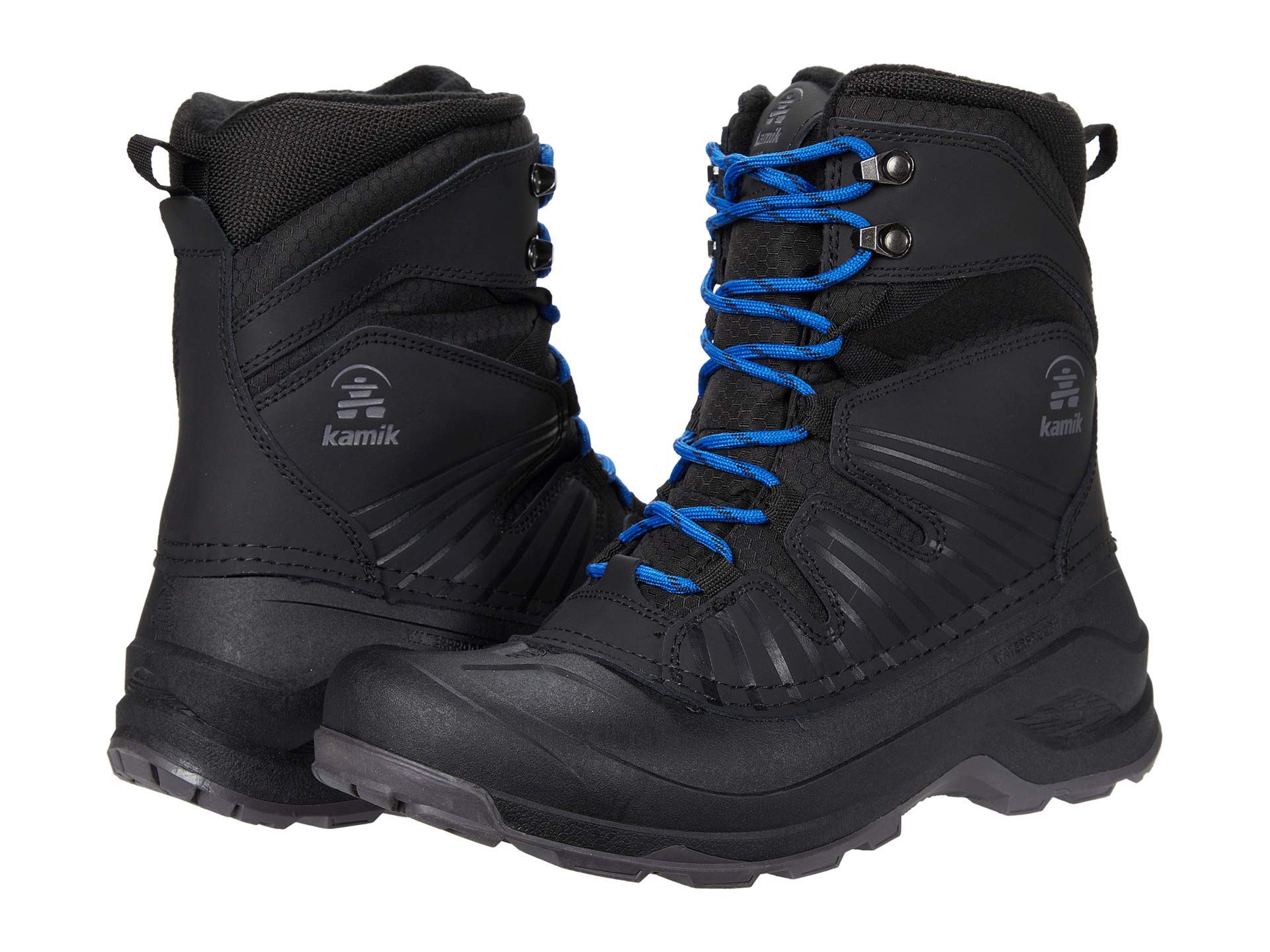
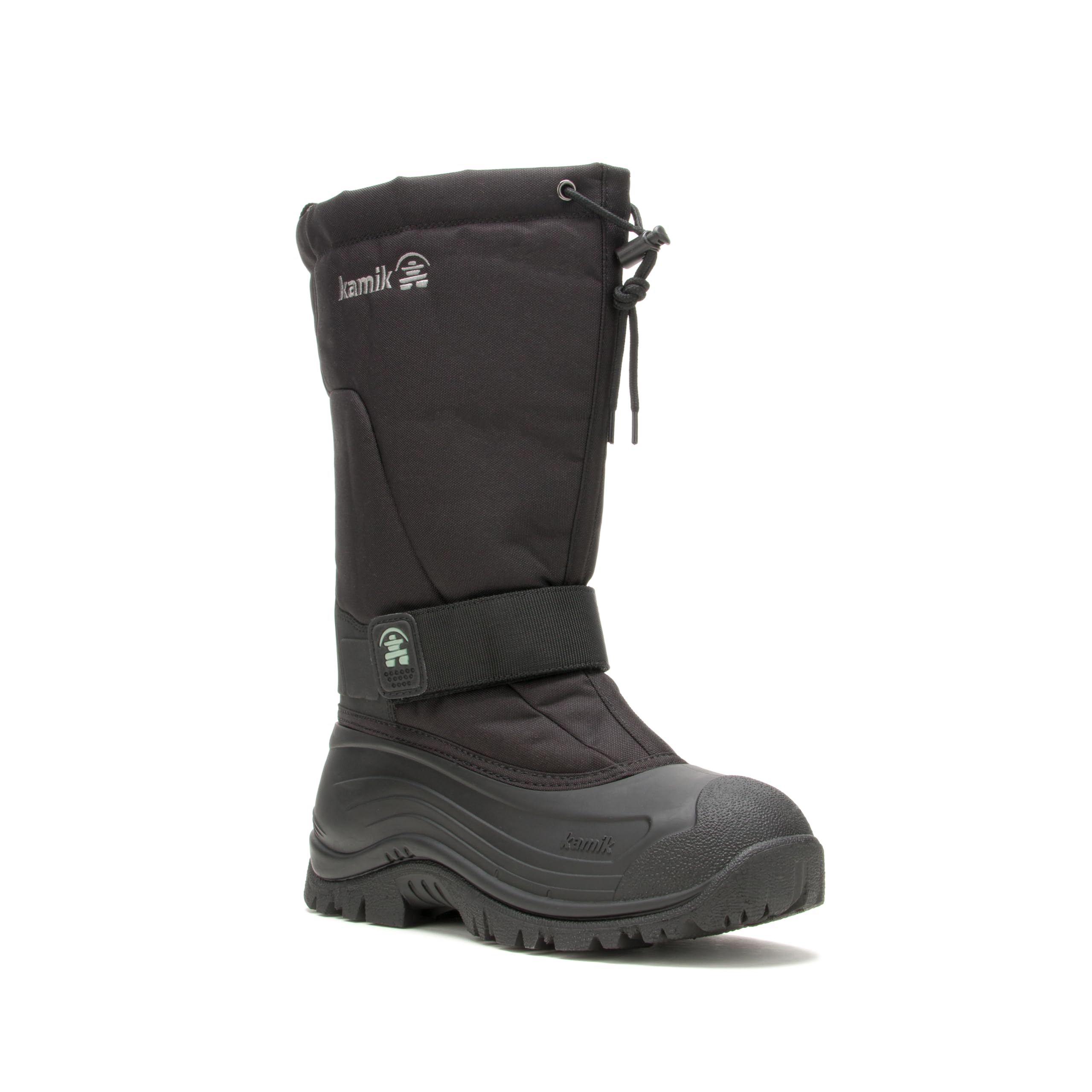

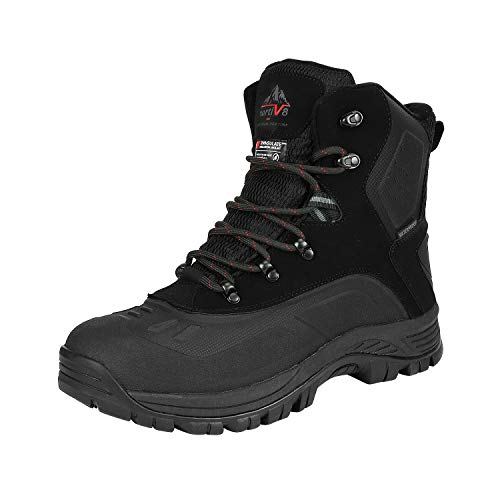
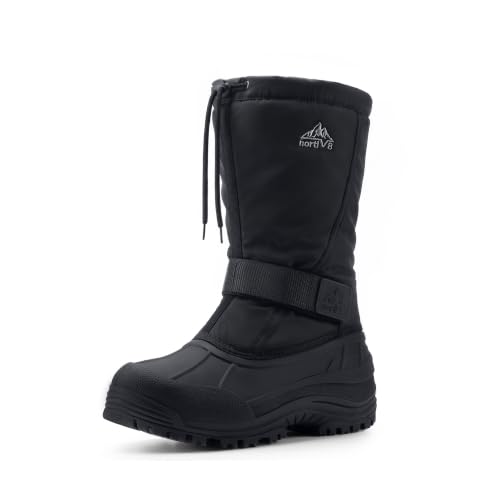
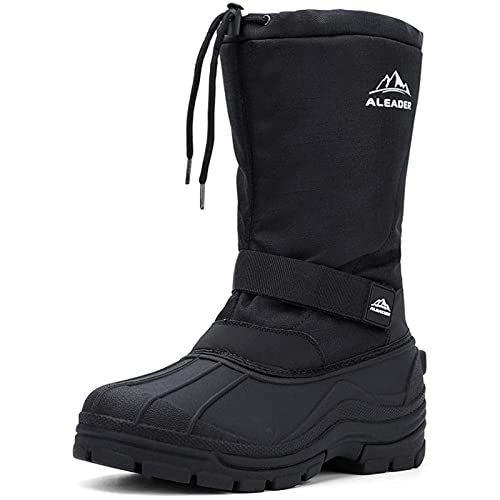
Après Ski Boots 101: The Basics
An après ski boot is warm footwear you change into when the ski boots come off. It looks like a light winter boot, with a padded insulated upper, a grippy rubber sole, and a roomy fit that welcomes tired feet and thick socks. Unlike a ski boot, it has no rigid shell and no binding connection, so you can walk, drive, and climb lodge stairs in it. Unlike a hiking boot, it puts warmth and easy entry ahead of ankle stiffness and long trail support.
The basic parts are simple. The upper keeps heat in and snow out, the lining adds softness and wicks a little moisture, and the sole grips packed snow and wet floors. Closures range from laces to zips and pull tabs, and higher cuffs stop deep snow from dropping in. Once you know those parts, every product description becomes a short checklist instead of a wall of jargon.
Price follows features in a fairly predictable way. Entry level pairs, often around $50 to $90, cover lodge floors and short dry walks with basic insulation and modest tread. Mid range pairs add real waterproofing, deeper lugs, and warmer fill for village evenings. Premium pairs add taller cuffs, stronger soles, and materials that survive many seasons. Knowing those tiers stops you from paying premium money for lodge only needs, or buying a lodge slipper for a snowy village.
Key Specs Explained in Plain English
What Men Should Look For
Men should start with honest sizing, because many brands cut these boots wide while others run narrow. Measure both feet in the evening and use the length in centimeters against the size chart. Look for a toe box that lets toes spread after hours in ski boots, a heel that stays put, and a cuff height that matches your snow depth. Weight matters on travel days, and easy entry matters every day, so test zips and pull loops with gloves on before you commit.
Skill Level and Intended Use
Your ski level shapes how far you roam after skiing. Beginners often stay near the lodge, eating, resting, and walking short flat paths, so comfort and warmth lead. Intermediate skiers wander villages, walk to rentals, and carry gear, which adds grip and water resistance to the list. Advanced and backcountry skiers may walk longer in deeper snow and want taller cuffs and stronger soles. Match the boot to your evenings, not to your ambitions on the piste.
Safety and Certifications
For these boots, safety is mostly about footing and warmth. Deep tread, softer rubber that stays flexible in cold, and a stable heel all reduce slips on ice and wet tile. Warm, dry feet protect your skin on long cold walks, so check that insulation and waterproofing claims name a method or rating rather than vague promises. Reputable makers follow general consumer product safety rules for materials and labeling. If a listing hides its sole material and insulation type, treat that silence as a warning.
Performance Characteristics
Performance shows up as grip, warmth retention, and walking comfort over an hour or more. A forgiving boot flexes naturally at the ankle and cushions the heel, while a stable sole resists rolling on uneven snow. Water resistance keeps slush out during village walks, and breathable linings slow the sweat buildup that later chills your feet. Judge performance by your longest planned walk, not by a quick lap of the shop. Men comparing proper on snow footwear too can read our guide to the best men's ski boots for the technical side of the family.
Materials and Construction
Uppers commonly use synthetic textiles, suede, or leather, often with a waterproof membrane inside. Synthetic shells shed snow and dry fast, leather looks smart and molds to the foot, and suede needs more care in slush. Insulation is usually synthetic fill, which stays warm when damp, while linings use fleece or wool blends for softness. Soles are rubber, sometimes with a composite shank for support on longer walks. Sealed seams and a gusseted tongue keep meltwater where it belongs, outside the boot.
Rookie Mistakes to Avoid
- Buying your street shoe size without checking the chart. Insulated boots fit differently, and swollen post ski feet need room.
- Choosing fashion over tread. A smooth sole on packed snow turns a short walk into a slow shuffle.
- Ignoring cuff height. Low boots in deep snow fill from the top, no matter how waterproof the upper is.
- Paying for extreme insulation you do not need. Overheating indoors leads to sweat, and sweat later makes feet cold.
- Skipping the return policy. Evening fit at home, with ski socks, is the only honest test for a first pair.
Getting Started: Setup and First Use
When the box arrives, try the boots at night with your ski socks and walk stairs, squat, and stand on one foot to check balance. Adjust laces from the toe upward so the heel locks without crushing the top of your foot. Wear the pair around the house for an evening before the trip, and check for rubbing at the ankle bones. Store them out of direct sun and strong heat, and check wear on the sole and stitching before each use. On your first trip, pack them where you can reach them at the car, because changing out of ski boots early is the whole point. If you shop by alternate names, our guide to the best after ski boots mens covers the same ground, and skiers stepping up in ability may like our guide to the best men's ski boots for intermediate.
Après Ski Boots: Your Questions Answered
What makes après ski boots for men different?
Fit and sizing make the main difference. Boots shaped for men usually offer a wider heel and forefoot, larger size runs, and a higher volume fit for thick socks. Warmth, tread, and water resistance work the same as in any good after ski boot. Some styles also use tougher hardware sized for gloved hands. Always judge the individual boot by its chart and sole, not by the label alone.
How long do après ski boots last?
A well kept pair lasts about three to five seasons of holiday use. The sole and insulation set the limit, since tread wears smooth and fill loses loft with time. Drying the boots fully after each day and keeping them away from radiators slows both problems. Daily winter wear at home shortens life, so frequent users sometimes keep a travel pair and a workhorse pair.
Indoor vs outdoor: does it matter for après ski boots?
Yes, because soles and uppers are built for one world or the other. Indoor styles are soft, light, and quick to slip on, but they soak through in slush and slide outdoors. Outdoor styles add rubber tread, sealed uppers, and insulation for real walks. Most first time buyers should choose the outdoor type, since one pair then covers the lodge, the street, and the car park.
Is it worth buying premium après ski boots as a beginner?
Usually not on your first trip. A mid range pair, often around $80 to $150, teaches you your size, warmth needs, and walking habits without a large loss if you change your mind. Premium pairs, often about $160 to $250, add better membranes, stronger soles, and longer life. Upgrade once you know you ski every year and your first pair shows clear limits.
What size après ski boots should I get?
Start with your measured foot length and the brand chart, then allow room for ski socks and evening swelling. Many men land on their normal winter boot size, while some need half a size more in heavily insulated models. Your toes should brush nothing when you walk downhill in the shop. If you sit between sizes, choose the larger pair and adjust with laces and insole thickness.
Wrapping Up
For a first purchase, keep three checks in front of you: a sole that grips, warmth matched to your evenings, and a fit tested with ski socks at night. Compare your shortlist in the product table above, and look at our guide to the best men's heated ski boots if cold feet are your main worry, plus our guide to the best men's apres ski boots for more styles. Chosen that way, the best après ski boots mens options stop being confusing and start being the coziest part of your ski day.


