
Best After Ski Boots Men's in 2026: Which Type Is Right for You?
Disclosure: We may earn a commission when you buy through links on this page, at no extra cost to you. As an Amazon Associate I earn from qualifying purchases. Learn more
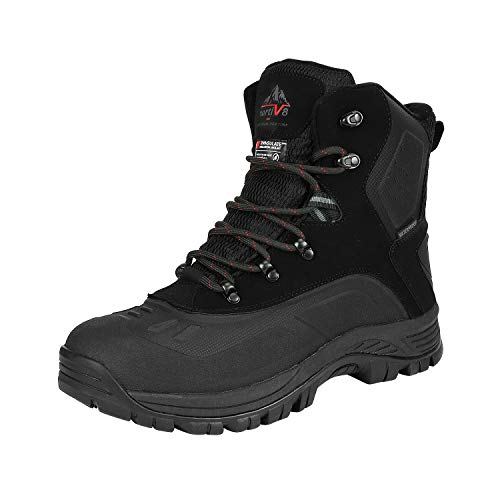
Compare the best after ski boots mens styles by insulation, grip, and fit with a clear buying guide, so you can choose warm, steady footwear for the lodge.
After hours in rigid ski boots, your feet want warmth, room, and a sole that will not skate across an icy parking lot. The trouble is choice: the best after ski boots mens options range from light insulated slip ons to rugged boots that handle a snowy walk into town.
Instead of ranking individual models, this guide compares the main types side by side, explains where each one shines, and shows you how to match a type to your trips. Start with the comparison table below, then read the type breakdown to narrow your shortlist.
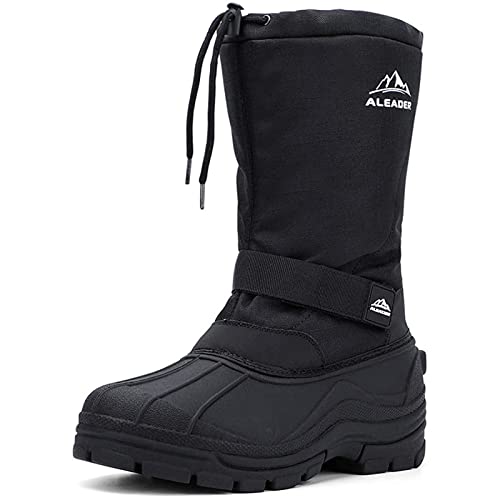
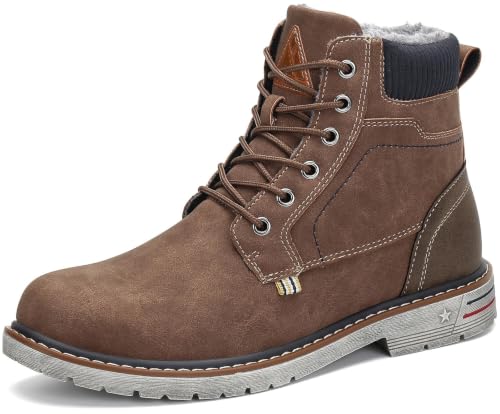
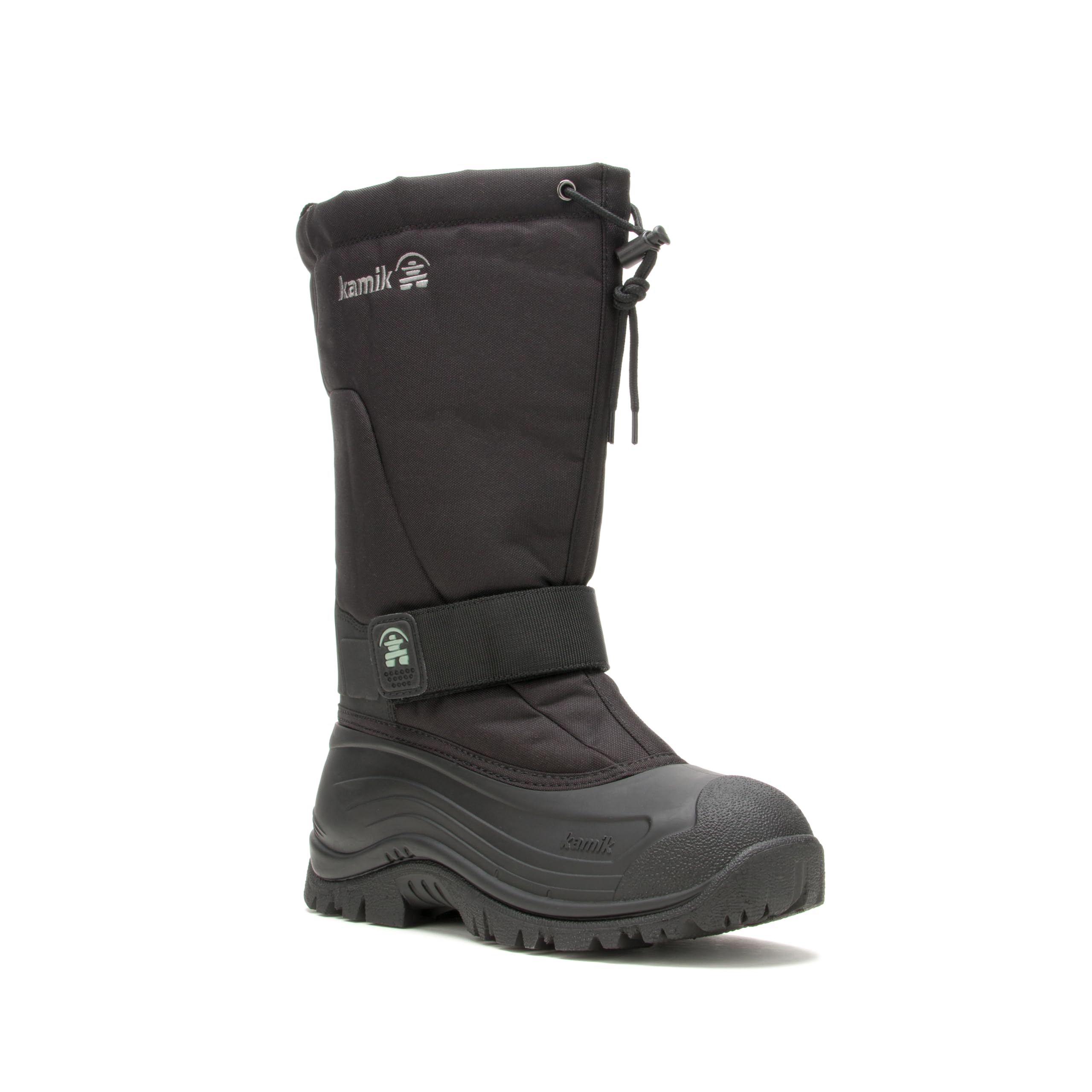


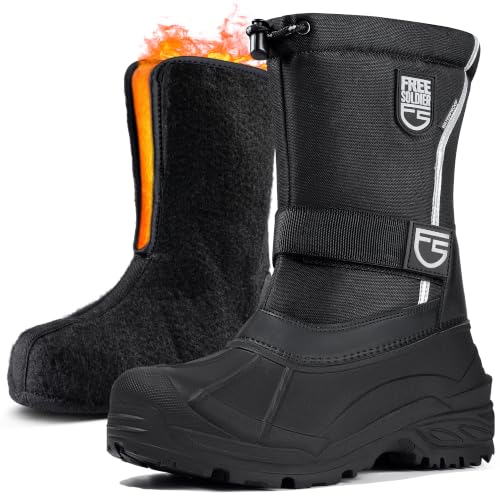
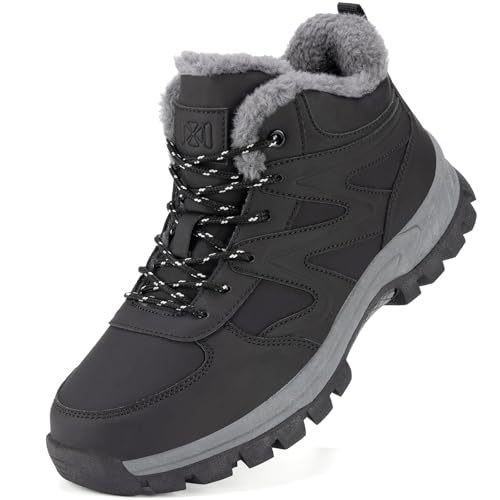

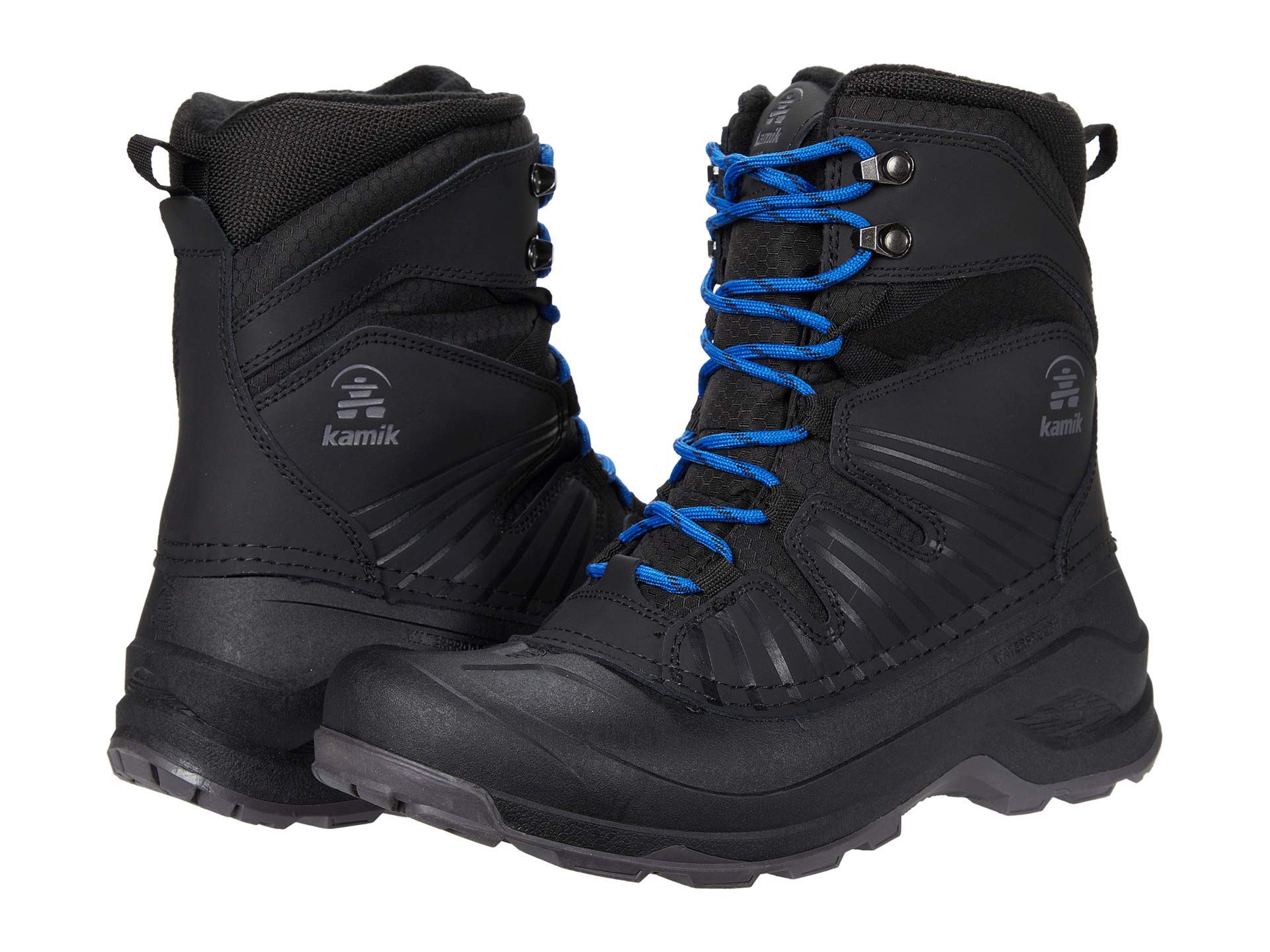
Types of After Ski Boots Compared
Think of after ski boots in four families, grouped by how much skiing experience and mountain time the wearer has and how the boots will actually be used each day. Every family below is compared on the same points, so you can line them up against the product table above.
Intermediate and All Around Options
All around boots balance insulation, grip, and weight for skiers who spend a full day on the mountain and then walk to dinner, shops, or the hot tub. They typically use a waterproof membrane, moderate insulation, and a lugged rubber outsole that handles packed snow and wet pavement. A cushioned collar and a roomy toe box relieve feet that have been held in a stiff shell all day. This is the most forgiving family for most trips: warm enough for cold evenings, light enough for travel bags, and sturdy enough for slushy streets.
Kids and Youth Options
Youth sized after ski boots follow the same ideas at smaller sizes and lower prices, with easy closures that cold fingers can manage. Hook and loop straps and wide openings matter more than technical insulation, because children change footwear often and grow out of sizes quickly. If you are buying for a younger family member tagging along on a ski trip, prioritize a sole with deep lugs and a fit that works over thick ski socks. Adult men with small feet sometimes use the largest youth sizes, but check weight ratings and sole stiffness before relying on that shortcut.
Advanced and Performance Options
Performance oriented boots add stiffer soles, higher shafts, and stronger waterproofing for men who walk long distances in deep snow or stay in remote cabins. Some borrow support from hiking boots, with firm midsoles that carry a loaded pack between a car and a lodge. The trade offs are weight, bulk in luggage, and a higher price, often about $120 to $200. Choose this family when your evenings involve real winter terrain rather than a cleared path. For the coldest destinations, our guide to the best men's heated ski boots covers the powered warmth options that pair with this category on the mountain.
Beginner Options
Beginner friendly boots keep things simple: a slip on or single strap design, soft insulation, and a moderate sole for cleared paths and lodge floors. They cost less, often around $50 to $90, and they pack flat, which suits a first ski trip where luggage space is tight. Forgiveness is the key trait here: a wide opening and flexible upper forgive swollen, tired feet and thick socks. The limits show up in deep snow and on steep icy slopes, where low shafts let snow in and shallow tread loses grip.
Intermediate and All Around Options vs Kids and Youth Options: Which Should You Choose?
These two families get confused because their shapes look similar, but they solve different problems. All around adult boots use stiffer soles, denser insulation, and lasts shaped for adult feet, so they support longer walks and heavier body weight. Youth boots are built lighter and softer, with growth and easy handling in mind, and their soles wear faster under an adult. On warmth, adult all around boots win for long evenings outdoors; youth boots are fine for short lodge to car hops. On price, youth options cost less, but a grown man squeezing into them saves money at the expense of support and durability. Unless you truly have very small feet and light use planned, the adult all around family is the right buy, and our broader guide to the best after ski boots shows how the adult families compare across brands and budgets.
How to Choose the Right After Ski Boot
Once you know your family, four checks separate a good pair from a pair that sits in the lodge unworn.
Performance Characteristics
Grip comes first: look for deep, widely spaced lugs in a rubber compound that stays flexible in the cold, since hard plastic soles turn slick on ice. Forgiveness matters too, meaning a cushioned footbed and a collar that does not dig into your ankle after a day in ski boots. Waterproofing should match your plans, from water resistant treated uppers for cleared paths to sealed membranes for deep snow. Stability on uneven snow improves with a slightly wider sole and a firm heel counter that stops your foot rolling sideways.
Skill Level and Intended Use
Match the boot to the day you actually live. A beginner on a resort trip mostly walks between the lodge, a rental shop, and dinner, so light insulation and easy closures beat technical features. Intermediate skiers who explore the town after lifts close need the all around balance of warmth and tread. Advanced skiers heading into backcountry huts should weigh sole stiffness and shaft height heavily. Be honest about walking distance: most regret comes from buying a lodge slipper for a mile long snowy walk, or a heavy boot for carpeted hallways.
Size, Weight, and Fit
Size after ski boots over your thickest ski socks, and try them late in the day when your feet are swollen, which mimics the end of a ski day. You want length for your toes to spread and enough volume that circulation stays free, because tight boots feel colder than loose ones. Men coming straight from ski boots often find relief in a wide toe box, a point our guide to the best men's ski boots also stresses for the boots you wear on the snow itself. Weight matters for travel: a pair under about 1.5 lb each packs easily, while expedition weight boots earn their space only on serious winter trips.
What Men Should Look For
Men generally need larger sizes, wider lasts, and soles rated for higher loads than youth or unisex light models offer. Check that the size range truly runs to your size rather than stopping at the most common sizes, and look for a heel cup that locks a heavier foot in place. Closures should work with gloves on, since fumbling with small buckles in a cold parking lot defeats the purpose. If your trips mix skiing with evenings in town, the styling covered in our guide to the best après ski boots men's shows how the dressier end of this category balances looks with real winter function.
Care and Maintenance Tips
Dry your boots after every use by pulling out the insoles and standing them in moving air, never on a hot radiator, which cracks membranes and glues. Brush dried slush and road salt off the uppers, since salt stains and weakens leather and fabrics over a season. Check lug depth and sole bonding before each trip, and reproof water resistant uppers when water stops beading on the surface. Store boots out of direct sun and away from heat sources in the off season, stuffed loosely with paper to hold their shape. Men progressing on the mountain can also read our guide to the best men's ski boots for intermediate skiers when the time comes to upgrade the boots worn on skis.
FAQs
What makes after ski boots for men different?
They differ mainly in sizing, width, and load rating. Men's models run in larger sizes with wider lasts, stiffer soles that support more body weight, and insulation packages built for longer evenings outdoors. The job is the same as any after ski boot: warmth, grip, and relief after rigid ski boots. What changes is the fit and durability standard, which is why most men find youth or light unisex models cramped and short lived.
Is it worth buying premium as a beginner?
Usually not for a first trip. A simple insulated boot around $50 to $90 covers lodge paths and short walks while you learn what your trips actually demand. Premium money buys stiffer soles, taller shafts, and stronger waterproofing that only pay off in deep snow or long walks. Rent or borrow for trip one if you can, note where your feet got cold or slipped, and let that experience guide a bigger purchase later.
What size should I get?
Start with your normal boot size, then size up a half size if you plan to wear thick ski socks or your feet swell after skiing. Your toes should clear the front when you stand and lean forward, and your heel should stay seated when you walk. Between sizes, choose the larger one and manage volume with a thicker insole or sock, because a slightly loose warm boot beats a tight cold one every evening.
Indoor vs outdoor: does it matter?
Yes, because soles and insulation are tuned for one setting or the other. Indoor lodge styles use softer, quieter soles that can skate dangerously on ice outdoors. Outdoor styles use harder lugged rubber that grips snow but feels clunky and can mark delicate floors. If your evenings move between both, pick an outdoor rated sole with moderate lugs and wipe snow off at the door, rather than trusting a soft indoor sole outside.
How long does it last?
A quality pair lasts about three to five ski seasons of regular use before insulation packs down and lugs wear smooth. Longevity depends on mileage: daily walks on abrasive pavement wear soles far faster than lodge carpet. Watch for compressed footbeds, cracked uppers at flex points, and tread that no longer bites on packed snow. Rotating in a second pair on long trips, and drying boots fully each night, extends the life of the insulation noticeably.
Final Thoughts
Choose your family first, then check grip, insulation, and a fit that welcomes swollen feet over thick socks. Those three decisions matter more than any single feature. The best after ski boots mens pick for you is the pair that matches your walking distance and your coldest expected evening, so line up your type against the product table above and buy with your actual itinerary in mind.


