
Best Apple Watches to Get in 2026: A Simple Guide
Disclosure: We may earn a commission when you buy through links on this page, at no extra cost to you. As an Amazon Associate I earn from qualifying purchases. Learn more

Choose the best apple watches to get by case size, cellular or GPS, battery life and sensors, matched to your wrist and week.
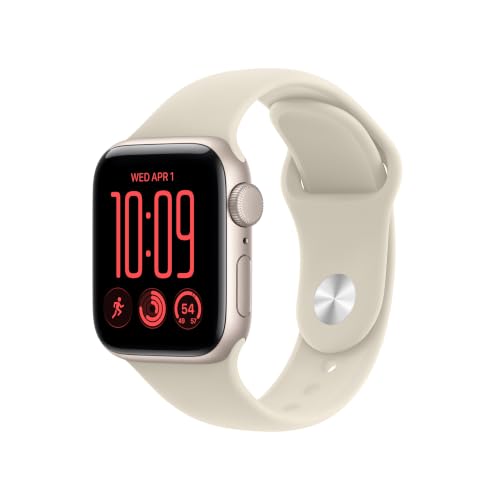
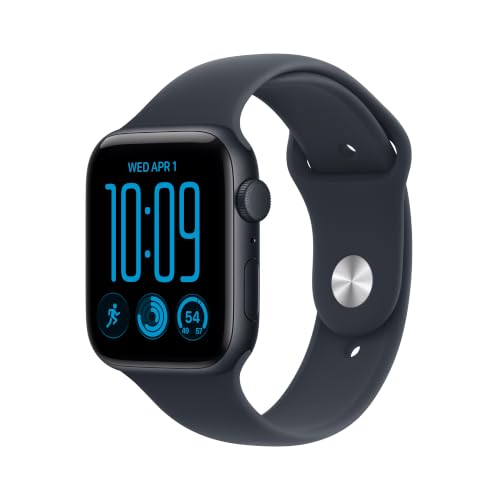
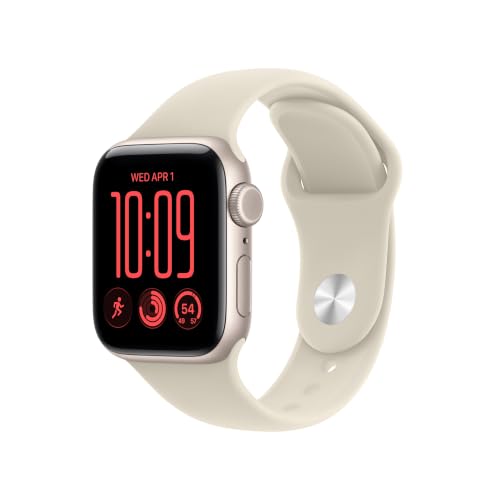
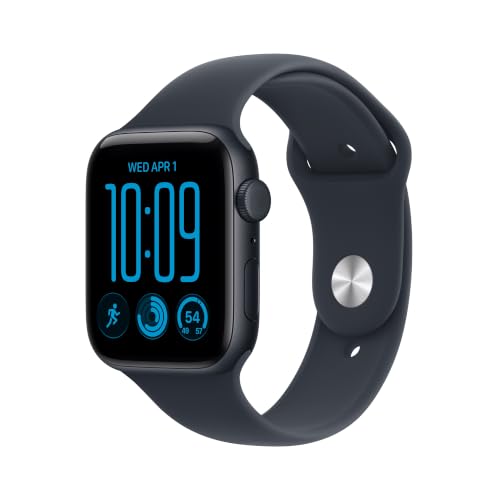
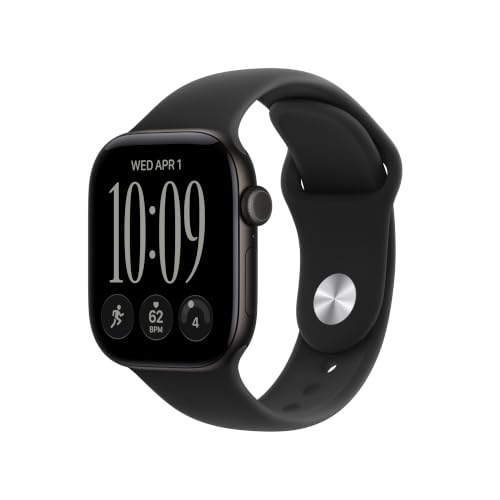
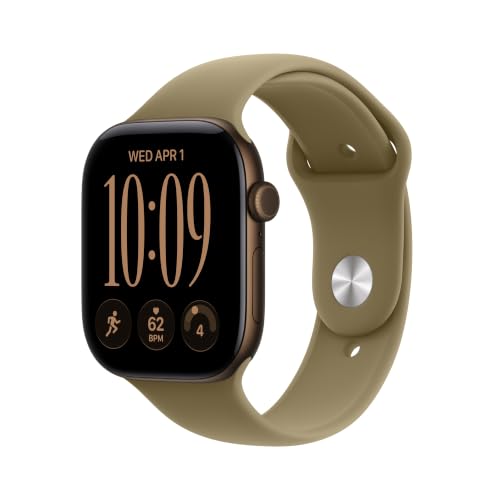
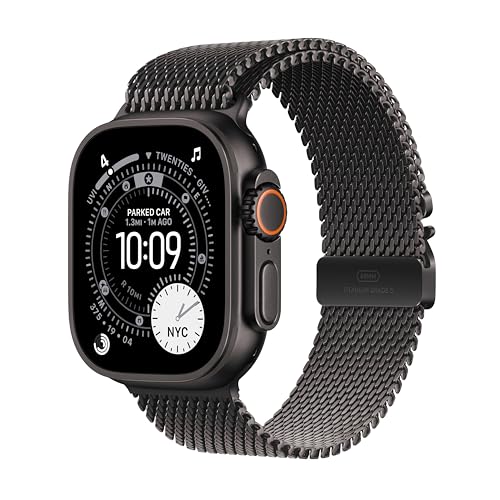
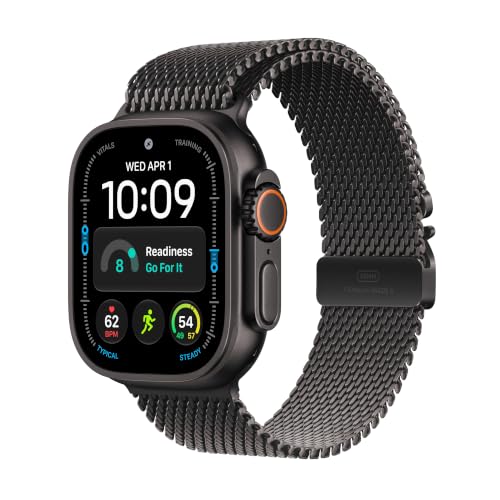
Every Apple Watch looks similar at a glance, but size, cellular, battery, and sensors change how useful it feels day to day. The best apple watches to get depend on your wrist, your phone, your workouts, and whether you want to leave your phone behind. The comparison table below compares the main models on size, battery, and key features, so you can shortlist before you choose a case and band.
This guide explains the key choices in plain language, compares the main options, and helps you avoid common mistakes. The comparison table below gives a quick overview before the detailed sections that follow.


The Basics
An Apple Watch works only with an iPhone, so phone compatibility comes first. After that, think about how you will use the watch: notifications and fitness tracking suit most models, while running, swimming, and outdoor adventures benefit from stronger battery and brighter screens. A model that fits your routine beats a flagship model whose extras you never use.
The sections below explain each feature in plain language, with practical levels to look for and trade offs to weigh. Use them as a checklist while you compare options, and note which features matter most for your own routine.
Key Features to Compare
Size, Fit, and Comfort
Apple Watches come in two case sizes per generation, and the right size depends on wrist size and personal taste. A larger case offers a bigger screen for reading messages and workout stats, while a smaller case feels lighter and less bulky. Try both sizes if possible, and check band fit, since a loose band affects heart rate readings. Comfort matters more than screen size if you wear the watch to sleep.
GPS Versus Cellular Models
GPS models need your iPhone nearby for calls, messages, and data, while cellular models connect independently for a monthly carrier fee. Cellular suits runners, swimmers, and parents who want contact without a phone, but it adds ongoing cost. If your phone is almost always with you, GPS saves money without losing core features. Check carrier support and plan costs before choosing cellular.
Battery Life and Charging Habits
Battery life varies by model, usage, and always on display settings. Most models last about a day with typical use, while larger and newer models may stretch further. Heavy workout tracking, cellular use, and bright screens drain battery faster. Fast charging helps, but a watch that needs charging every night suits sleep trackers less well. Match battery expectations to your charging routine.
Health and Fitness Sensors
Apple Watches track activity, heart rate, workouts, sleep, and more, with sensor sets varying by model. Higher models add features such as blood oxygen sensing, ECG, and temperature sensing, but these features support general wellness, not medical diagnosis. Watches do not replace medical devices, and unusual readings deserve professional advice rather than self diagnosis. Choose sensors you will actually use, not a checklist you admire.
Bands, Cases, and Everyday Style
Bands change comfort, style, and suitability for sport, work, and swimming. Sport bands handle sweat and water well, while leather and metal bands suit office wear. Case materials affect weight, scratch resistance, and price, with aluminum offering value and titanium or steel offering a premium feel. Check band compatibility across generations, since not every band fits every case size.
Software, Updates, and Longevity
Apple supports watches with software updates for several years, but older models eventually lose new features. Newer models receive updates longer and run newer watch faces and apps. If you plan to keep the watch for years, a current model offers better longevity. Check which iPhone and software version a model requires, since an older iPhone may limit compatibility with the newest watch.
Who Should Buy This Type
Apple Watches suit iPhone owners who want notifications, fitness tracking, and health insights on the wrist. They suit runners, swimmers, and busy professionals who benefit from glanceable information. They are less suited to Android users, since an iPhone is required, and to buyers who want multi day battery life above all else. If you rarely wear a watch, try a basic model before investing in a flagship.
If the description above matches your routine, the features in the comparison table above will help you narrow the choice. If it does not match, a related guide may suit you better, and the related guides near the end of this article point to useful comparisons.
Mistakes to Avoid
- Assuming any Apple Watch works with an Android phone.
- Paying for cellular without checking carrier fees and actual need.
- Choosing size from photos without trying both case sizes.
- Expecting multi day battery life from a watch designed for daily charging.
- Treating wellness sensors as medical devices or diagnostic tools.
Care and Upkeep Over Time
Charge the watch with the supplied cable and keep software updated for security and battery improvements. Clean the case and band regularly, especially after workouts and swimming, and rinse after salt water or chlorine exposure. Store bands dry and check band attachment before vigorous activity. Back up watch data through your iPhone so a replacement restores settings and health history more easily.
Before You Order
Confirm that your iPhone supports the watch, then rank size and comfort, GPS versus cellular, and battery life in your own order of importance. A model that excels at your top priority and is adequate on the others usually serves you better than one that is merely good at everything. Set a spending range first, and add the cost of a spare band and any cellular plan.
Check the return window and keep the packaging until you are sure about the fit. Wear the watch for a few days, including a workout and a night of sleep tracking if you plan to use it, and return it if the size or battery habits do not suit you.
Related Buying Guides
For a related comparison, see our guide to best looking apple watches.
For a related comparison, see our guide to best watches to get.
For a related comparison, see our guide to best apple watches for women.
For a related comparison, see our guide to best apple watches for fitness.
For a related comparison, see our guide to best apple watches for seniors.
Frequently Asked Questions
Do I need an iPhone to use an Apple Watch?
Yes, an Apple Watch requires an iPhone for setup and most features. Pairing, app installation, and software updates all run through the iPhone. Android phones cannot set up or fully use an Apple Watch. Check the required iPhone model and software version before buying, since older iPhones may not support the newest watches.
Is cellular worth the extra cost?
Cellular is worth it if you regularly leave your phone behind for runs, swims, or errands and still want calls and messages. It adds a monthly carrier fee on top of the watch price. If your phone stays nearby most of the day, GPS offers the same core features for less. Weigh the monthly fee against how often you truly go phone free.
How long does an Apple Watch battery last?
Most models last about a day with typical use, including notifications, workouts, and sleep tracking. Heavy GPS workouts, cellular use, and always on displays shorten life. Newer and larger models may last longer, but daily charging remains normal for most owners. Fast charging makes a short top up before bed or a workout practical.
Can I swim with an Apple Watch?
Most recent Apple Watches resist water for swimming in pools and open water, but water resistance is not permanent and can decline with age and damage. Rinse after swimming, especially after salt water or chlorine, and avoid high pressure water and harsh soaps. Check the maker's guidance for your exact model before diving or water skiing.
Which Apple Watch is best for seniors?
Seniors often benefit from fall detection, emergency SOS, larger text, and cellular for contact without a phone nearby. A larger case improves readability, while a comfortable band matters for all day wear. Involve the wearer in size and band choice, and test fall detection and emergency features during setup so everyone understands how they work.
Final Thoughts
Match size, cellular, and battery to your routine, not to the flagship feature list. The comparison table above narrows the models, but wrist fit and charging habits should decide the final pick. An Apple Watch earns its place when it quietly helps all day without demanding constant attention. The best apple watches to get are the ones that fit your phone, your wrist, and your week.


