
Best Apple Watches for Seniors 2026: Buying Guide
Disclosure: We may earn a commission when you buy through links on this page, at no extra cost to you. As an Amazon Associate I earn from qualifying purchases. Learn more

A senior friendly buying guide to Apple watches, covering large text, fall detection, battery life, simple setup, and everyday use for older adults.
When you start shopping for best apple watches for seniors, the choice can feel confusing, and for seniors, the best smartwatch is the one that is easy to read, simple to charge, and helpful in an emergency, not the one with the most features. This guide explains the main types in plain language so you can compare them without needing technical knowledge.
The comparison table below gives a quick overview of the main smartwatch types, and the sections that follow explain who each type suits, which features matter most, and how to avoid common buying mistakes. By the end, you should be able to match a model to your home, your routine, and your budget.
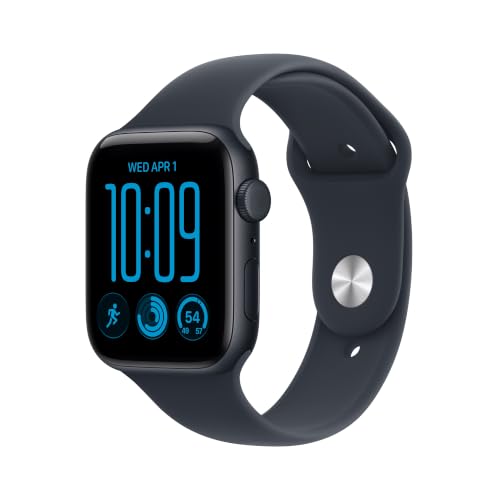
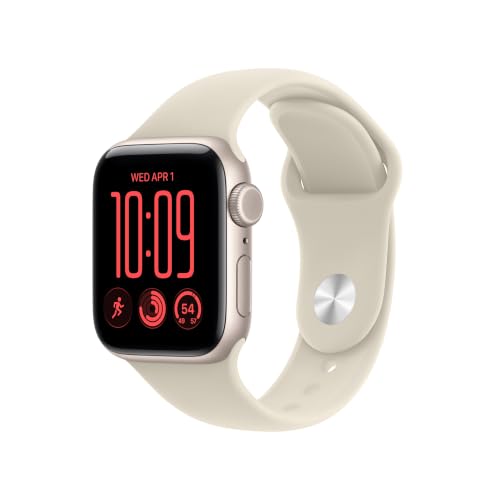
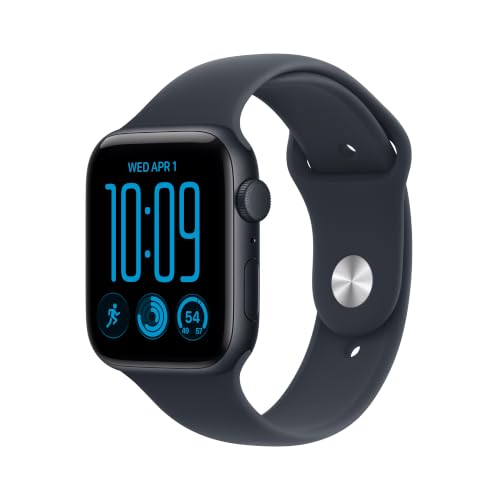
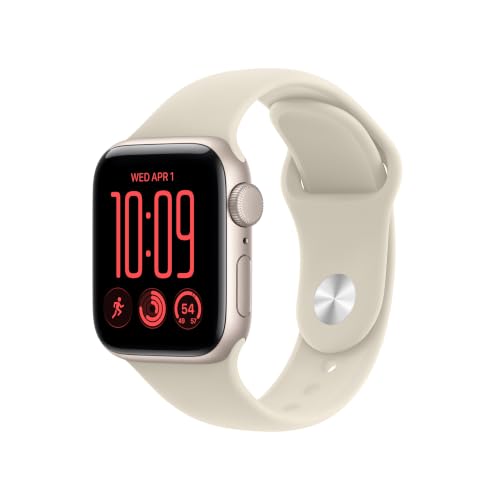
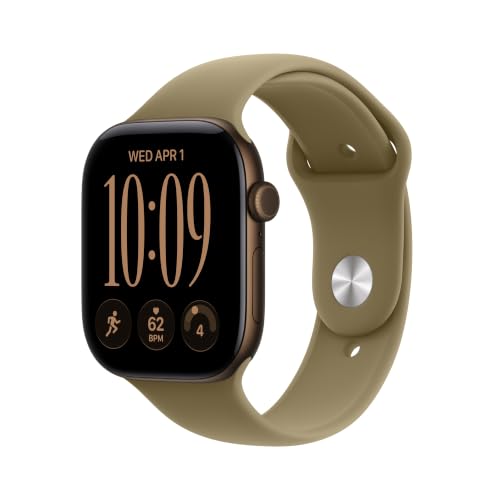


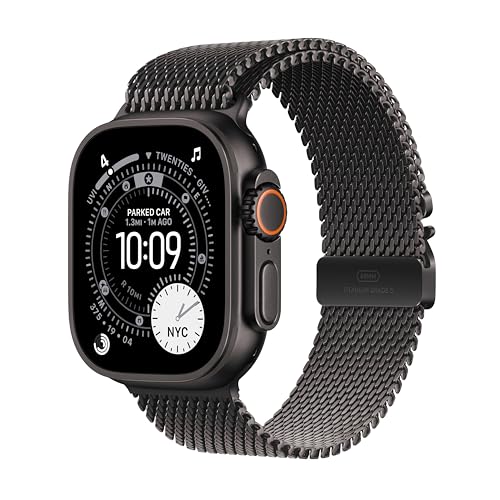
Price alone rarely tells the full story, since running costs, maintenance, and how well a model fits your space often matter more over time. Keep those factors in mind as you read, and note any feature that would change your daily routine for better or worse.
Types of Smartwatches Compared
Different smartwatch types suit different routines, so start by matching the type to how you will actually use it. The table below summarizes the main options, and each type is explained in more detail underneath.
| Type | Best For | Typical Price |
|---|---|---|
| Larger Case Models | Easier reading and tapping | about $250 to $450 |
| Cellular Models | Independence away from home | about $300 to $550 |
| GPS Only Models | Simpler and cheaper | about $200 to $350 |
Larger Case Models
Larger cases give bigger text and larger touch targets, which help with reading and tapping. They also hold bigger batteries, so charging is less frequent. They feel heavier on small wrists, so try the size before committing if possible.
Cellular Models
Cellular models can call and message without a phone nearby, which suits seniors who walk or travel alone. They need a mobile plan, which adds a monthly cost, and setup is a little more involved, so family help at the start is useful.
GPS Only Models
GPS only models need a nearby phone for calls and messages, but they cost less and avoid a monthly plan. They suit seniors who usually carry a phone and mainly want health tracking, reminders, and fall detection at home.
For a wider comparison within this category, readers often also look at best looking apple watches, best watches for seniors, best apple watches for women. Each guide covers a closely related option, so you can see how smartwatch choices differ before settling on a type.
Who Should Buy Which Type
The right smartwatch depends on who will use it and how often. The groups below cover the most common buyers, so find the one closest to your situation and note the features it prioritizes.
Seniors Living Alone
Seniors living alone should prioritize fall detection, emergency calling, and a simple way to contact family. Set up emergency contacts together, test the feature calmly, and keep the watch charged so it is ready when needed.
Active Seniors
Active seniors who walk, swim, or garden should look for water resistance, clear activity rings, and a comfortable strap that survives sweat. A bright display helps outdoors, and a long battery life avoids midday charging.
Seniors New to Smartwatches
New users should favor simple setup, large text, and a short list of features used daily. A family member can help with the first setup, notifications, and medication reminders, then step back as confidence grows.
Family Members Buying for a Parent
Family buyers should check phone compatibility, since the watch pairs with a specific phone type. Confirm who will help with setup and updates, and choose a model whose charging routine the senior can manage alone.
Key Features Explained
Marketing lists can hide what actually matters, so focus on the features below when comparing models. Each one affects daily use, running costs, or long term satisfaction in a direct way.
- Display Readability: Large text, high contrast, and a bright screen matter more than resolution figures. Check the largest text setting and whether complications can show the time, date, and next appointment at a glance.
- Fall Detection and Emergency SOS: Fall detection can call emergency services after a hard fall if the wearer does not respond. It is a safety net, not a guarantee, so it should sit alongside a phone, a personal alarm plan, and neighbors or family contacts where possible.
- Battery Life: Battery life decides how often charging becomes a chore. A watch that lasts through the day and night suits sleep tracking, while a shorter life model needs a daily charging habit that must be easy to remember.
- Health Tracking Limits: Heart rate, sleep, and activity tracking show trends, not diagnoses. They can prompt useful conversations with a clinician, but they do not replace medical devices or professional assessment.
For a wider comparison within this category, readers often also look at best apple watches for fitness, best apple watches for men. Each guide covers a closely related option, so you can see how smartwatch choices differ before settling on a type.
Common Mistakes to Avoid
Buying the most feature packed model often overwhelms a new user. Skipping the setup session with family leaves useful features switched off. Forgetting a charging routine means the watch is flat exactly when it might be needed.
Take time to measure, check compatibility, and read the manual before first use. A little preparation avoids most disappointments, and it also helps you spot a poor fit before the return window closes.
Care and Everyday Use
Clean the strap and case regularly, especially after sweating, and dry the watch after swimming if the model allows it. Update software when prompted, keep the charger in one fixed spot, and check that emergency contacts stay current.
Smartwatch health features do not replace medical care. Seek urgent help for chest pain, fainting, severe breathlessness, or a fall with head injury, even if the watch shows normal readings. Talk with your clinician about what the data means for you.
Setting Up for Daily Use
Check phone compatibility first, then decide between cellular and GPS only based on how often a phone is carried. Set up large text, fall detection, emergency contacts and medication reminders together, and practice charging before the watch becomes part of the daily routine. A bedside charging stand and a fixed charging time make the habit easy to keep.
A Final Check Before You Buy
- Confirm the iPhone model and software version support the watch you want.
- Choose a case size that can be read at a glance and fastened without help.
- Decide whether cellular is worth the monthly plan, or whether a GPS only model is enough.
- Set up emergency contacts and test fall detection and SOS with a family member.
- Check the return window so you can try the watch for a week or two.
Frequently Asked Questions
Can a senior use an Apple watch without an iPhone nearby?
A cellular model can call and message without a phone nearby, once set up with a mobile plan. A GPS only model needs a paired phone close by for calls and messages, though it still tracks steps, heart rate, and workouts on its own.
Is fall detection reliable?
Fall detection helps in many hard falls, but it can miss soft falls and can trigger false alarms during vigorous activity. Treat it as one safety layer, keep emergency contacts updated, and discuss a broader safety plan with family.
How easy is charging for seniors?
Charging uses a small magnetic puck that snaps to the back of the watch. A bedside charging stand makes alignment easier, and a nightly routine, such as charging while getting ready for bed, keeps the habit simple.
Will health data replace doctor visits?
No, watch data shows trends and can flag patterns worth discussing, but it cannot diagnose illness. If the watch shows an irregular rhythm alert, chest pain, dizziness, or breathlessness, seek medical care promptly and share the data with your clinician.
What size should a senior choose?
Larger cases are easier to read and tap, while smaller cases feel lighter. If possible, try both sizes on the wrist, check that the strap fastens easily, and favor the size that can be read at a glance without glasses.
Final Thoughts
Choosing the right best apple watches for seniors comes down to matching type, features, and budget to your real routine. Use the comparison table above as a starting point, check the details that matter for your situation, and favor a model you will actually enjoy using every day.
If you have ongoing health concerns, talk with your clinician before relying on any product feature for health decisions.


