
Best Apple TV 4K Speakers: Every Type Explained Side by Side for 2026
Disclosure: We may earn a commission when you buy through links on this page, at no extra cost to you. As an Amazon Associate I earn from qualifying purchases. Learn more

Pick the best apple tv 4k speakers by type: soundbar, stereo pair, surround or AirPlay, matched to your room size, connection and budget.
Your Apple TV 4K delivers a sharp picture and fast streaming, but the television speakers behind that picture are usually the weakest part of the room. The confusing part is the variety: soundbars, stereo pairs, surround systems, and wireless speakers all promise better sound in very different ways. This guide compares each type side by side so you can match the best apple tv 4k speakers to your room, your budget, and how you actually watch.
Start with the type comparison, because form decides more about your experience than any single specification. Then work through the choosing criteria, and use the comparison table below to check current models against the type you pick.
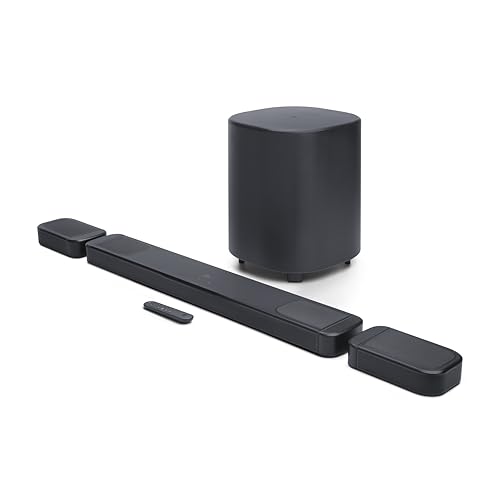

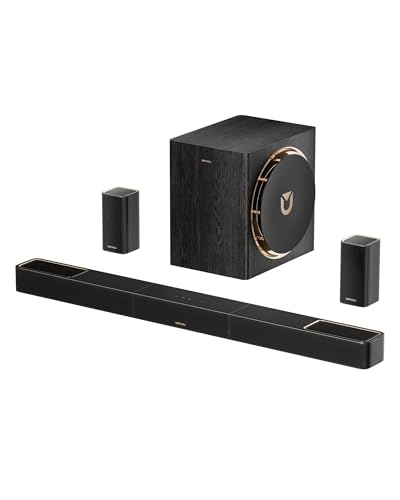


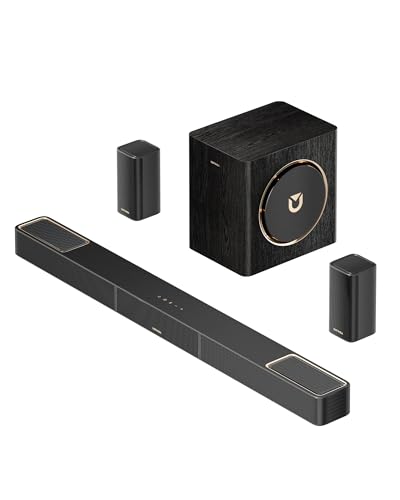

Types of Apple TV 4K Speakers Compared
Four types cover nearly every living room. A soundbar is a single bar under the TV, simple to set up, usually around $150 to $500, and ideal for dialogue clarity in small to medium rooms. A stereo pair uses two bookshelf speakers, costs around $200 to $800 with amplification, and suits music lovers who also watch films. A surround system adds a center channel and rear speakers for around $500 to $1,500, built for movie fans with space. Wireless smart speakers, including stereo paired units around $200 to $700, favor minimal wires and whole home audio. The sections below give each type its honest strengths and limits, and our broader guide to the best speakers for apple tv covers setups beyond the 4K model.
Soundbars
A soundbar connects to your TV with one HDMI cable and improves dialogue, bass, and volume in minutes. Most support HDMI eARC, which lets the Apple TV remote control volume and passes high quality audio formats from the TV. Strengths are simplicity, a tidy look, and strong value at low prices. The limits are a narrower soundstage than separate speakers and bass that stays modest unless the model includes a wireless subwoofer. Choose a soundbar if your room is small or medium, you rent, or you want one purchase that fixes thin TV sound tonight.
Bookshelf and Stereo Pairs
Two bookshelf speakers, either powered or driven by a small amplifier or receiver, give you true stereo separation that a single bar cannot match. Music sounds wider and more natural, and film scores gain real depth. You can also upgrade piece by piece over the years, swapping one part at a time. The costs are more cables, more shelf space, and a little more setup thought about placement and toe in angles. Choose this type if you listen to as much music as television, or if you already own an amplifier from an older stereo system.
Surround Sound Systems
A surround system places a center speaker for dialogue, front speakers for the main action, and rear speakers for effects that move around you, often with a subwoofer for low impact. With an Apple TV 4K feeding it Dolby Atmos or surround formats, films gain the theater feeling no bar fully reproduces. The trade offs are real: the highest prices, the most cables or wireless modules, and setup time for levels and placement. Choose surround if movies are the main event in a dedicated room and you can place rear speakers behind your seats without a fight.
Wireless and AirPlay Speakers
Wireless speakers connect over your home network and can pair in stereo or join a whole home system, which keeps cables nearly invisible. Apple households benefit from AirPlay, which lets the Apple TV send audio to compatible speakers and lets you group rooms for music after the film ends. Our dedicated guide to the best wireless speakers for apple tv explains pairing details, and the best airplay speakers for apple tv roundup covers multi room options. The limits are price per performance and reliance on your network, so choose this type when flexibility and clean looks matter more than maximum movie impact.
Soundbars vs Stereo Pairs: Which Should You Choose?
These two types compete for the same buyers, so compare them on five points. For dialogue clarity, a good soundbar with a dedicated center channel usually wins at low cost. For music quality and stereo width, the pair wins clearly. On setup, the bar takes minutes while the pair asks for placement care. On upgrades, the pair improves piece by piece while a bar is replaced whole. On space, the bar fits anywhere, while the pair needs stands or shelves beside the screen. If your viewing is mostly shows and news, pick the bar; if albums share equal time with films, pick the pair. Either way, remember that the screen itself shapes the experience too, and our guide to the best tvs for apple tv 4k can help when you upgrade the display later.
How to Choose the Right Apple TV 4K Speaker
Once the type is settled, five criteria separate the good options from the frustrating ones. Judge each candidate against all five before you buy.
Connection Type and Latency
HDMI eARC is the connection to prefer for bars and receivers, because it carries the best audio formats and syncs volume control with your Apple TV remote. Optical cables work but limit some formats, and Bluetooth adds delay that can pull voices out of sync with lips on screen. Wireless network audio through AirPlay keeps sync well for Apple devices. Whatever you choose, confirm the speaker turns on and changes volume with the TV, because reaching for a second remote every night gets old fast.
Sound Format Support
The Apple TV 4K outputs Dolby Atmos, Dolby Digital, and high quality stereo, so your speaker should at least accept what your favorite apps send. A bar or receiver that decodes Atmos can use height or virtual height effects for a bigger sense of space. Do not pay a large premium for format logos you cannot hear in your room, though. A small room with a low ceiling gains little from advanced height effects, while an open plan space may benefit more from raw power and a real subwoofer.
Room Size and Placement
Room size drives how much output you need. Small rooms and apartments do well with a compact bar or small powered speakers, and neighbors will thank you for skipping a large subwoofer. Medium living rooms suit mid size bars with subwoofers or bookshelf pairs. Large or open rooms need more driver area and power, or the sound thins out at the sofa. Place speakers at ear height where possible, keep them near the screen so voices anchor to faces, and avoid tucking them inside closed cabinets.
Power and Channel Count
Channel numbers describe how many directions sound comes from: 2.0 is stereo, 3.1 adds a center channel and subwoofer, and 5.1 adds rear speakers. For most Apple TV viewing, a 3.1 setup is the practical sweet spot because the center channel carries dialogue. Watt figures in listings are unreliable marketing, so judge power by driver size, room size, and credible reviews of loudness rather than headline numbers. More channels only help if you can place them correctly; a well placed stereo pair beats a cramped surround layout.
Setup and Everyday Controls
Daily ease matters as much as sound. Look for automatic room calibration or simple tone controls, a clear display or app, and a remote you will not lose in the sofa. Night modes that tame loud effects and lift dialogue are genuinely useful for apartment viewing after kids are asleep. Also check standby behavior: the speaker should wake when the Apple TV wakes and sleep when it sleeps. These small behaviors, tested during your return window, decide whether the system feels invisible or irritating.
How to Make Your Apple TV 4K Speakers Last Longer
Keep speakers out of direct sunlight and away from heat sources, since heat and ultraviolet light age drivers and finishes. Dust the cabinets and grilles with a dry microfiber cloth, and never spray cleaner directly onto a driver. Leave ventilation space around amplifiers and powered speakers, and use a surge protector in storm prone areas. Avoid running any speaker at maximum volume for long periods, because distortion at the limit is what damages drivers over time. Speakers are among the longest lived electronics you own, and a decade of service is realistic with basic care.
Frequently Asked Questions
Is a soundbar or a surround system better for an Apple TV 4K?
A soundbar is better for most rooms because it fixes dialogue and adds body to the sound with one cable and no rear speaker placement. A surround system is better only when you have a dedicated viewing space, can position rear speakers behind the seats, and watch films often enough to justify the cost. Apartment viewers should also weigh neighbor impact: a bar with a modest subwoofer delivers most of the enjoyment at far less volume.
What speaker size should I get for my room?
Match speaker output to the distance between the screen and your sofa rather than to the room name. Seating within about eight feet suits compact bars and small bookshelf speakers. Eight to twelve feet calls for mid size options or a subwoofer for film weight. Beyond twelve feet, or in open plan spaces, choose larger drivers or a full system so dialogue stays clear at sensible volumes without straining the speakers.
Does the HDMI connection matter for Apple TV speakers?
Yes, HDMI eARC is the connection that makes the whole setup feel seamless. It carries high quality formats from the TV, lets one remote control volume, and powers the speaker on and off with the TV. Optical is a workable fallback for older televisions but drops some formats and the single remote convenience. If you are choosing between two similar bars, the one with reliable eARC behavior in owner reports is usually the safer buy.
Are wireless speakers worth it for an Apple TV 4K?
They are worth it if you value a clean room, easy stereo pairing, and music in several rooms from the same system. AirPlay keeps audio in sync with the picture for Apple devices, which solves the delay problem older Bluetooth setups had. The honest trade off is cost: equal money buys more raw movie impact from a wired bar or bookshelf pair. Buy wireless for flexibility, not for maximum performance per dollar.
How long do TV speakers and soundbars last?
Quality speakers commonly last ten years or more because the core technology changes slowly. Soundbars age a little faster on the electronics side, as connection standards and formats evolve, but a bar with HDMI eARC bought today should stay relevant for many years. Powered models benefit from surge protection and ventilation. Since audio gear outlives most televisions, buying slightly above your current need is one of the safer upgrades in a home theater budget.
Wrapping Up
Pick the type first, confirm eARC or AirPlay fit, and match output to your seating distance. Follow that order and the best apple tv 4k speakers for your room become easy to spot, whether that is a tidy bar or a full surround layout. Compare your finalists in the product table above, check the total with any stands or cables you need, and enjoy films the way their sound mixes deserve.


