Best Apple Gaming Mouse in 2026: Buyer Checklist
Disclosure: We may earn a commission when you buy through links on this page, at no extra cost to you. As an Amazon Associate I earn from qualifying purchases. Learn more

Pick the best apple gaming mouse for your Mac by grip fit, weight, wireless speed and macOS software support.
Finding the best apple gaming mouse starts with a truth about Mac play. A mouse can post huge sensor numbers and still feel wrong on macOS if its software is limited, its receiver needs an adapter, or its shape fights your grip. This guide uses a clear checklist so you can judge fit, speed and comfort before you spend.
Start with how and where you play. A desk player chasing fast aim needs different traits from a laptop player who carries a mouse in a bag each day. Note the checks that matter for your games, and use the comparison table below to match those needs to price.

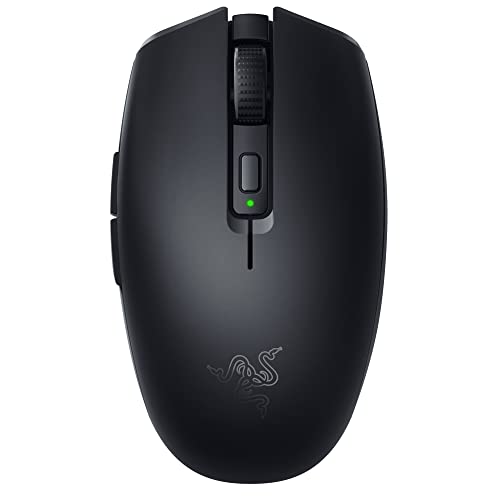
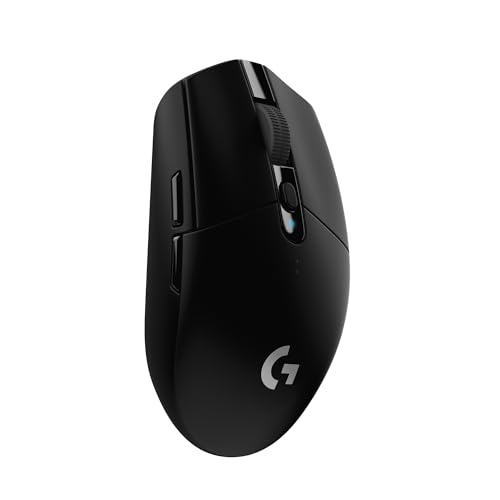

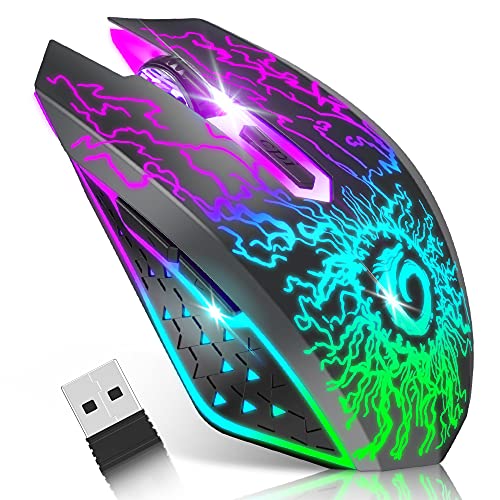
Who Should Buy Which Apple Gaming Mouse?
Your Mac, your games and your hand decide the short list. If you want a comparison focused only on Mac setups, see our guide to the best gaming mouse for apple mac after you know your group.
Competitive Players on a Mac Desk Setup
You play fast paced shooters on an iMac or a Mac Studio and you care about aim first. Choose a light mouse with a proven sensor, a polling rate of 1000 Hz or higher, and a wired or 2.4 GHz wireless link. Pick a shape that lets you make small wrist corrections without lifting your palm.
Casual and Strategy Gamers on macOS
You play strategy and simulation games where sessions run long and flick shots matter less. Choose comfort over the lowest weight. A medium or large shape with a supportive hump and side buttons you can reach without shifting your grip will feel better after two hours. Bluetooth is fine here.
MacBook Players Who Game Away From Home
You game on a MacBook at a kitchen table, a library or a hotel desk, so portability shapes every choice. Choose a compact mouse that fits your bag, connects by Bluetooth with no receiver to lose, and charges by USB C like your laptop. Avoid oversized shapes that force your wrist up on a shallow table, and carry the mouse in a pouch to protect its wheel.
Key Features to Compare
Compare the same five factors in the same order for every model, so a bold sensor claim cannot hide weak Mac support. If you also play on Windows, see our guide to the best mouse for gaming for the wider field, then return here for the Mac specific checks.
Connections for Mac Ports, Latency and Battery
Modern Macs give you USB C ports only, so check how the mouse connects first. A wired USB C cable is simple and adds no latency worry, but it drags on the desk. A 2.4 GHz receiver gives the fastest wireless response, yet many receivers are USB A and need an adapter on a Mac. Bluetooth needs no adapter and suits slower games, but it polls slower. Wireless models run about 50 to 90 hours per charge at gaming settings.
Sensor Accuracy, DPI and Polling Rate
The sensor turns hand movement into cursor movement. DPI sets how far the cursor travels for each inch you move, and most players settle between about 800 and 3200 DPI once a setting feels natural. Higher headline numbers rarely improve aim, so value clean tracking at your chosen setting over a huge maximum. Polling rate sets how often the mouse reports its position, with 1000 Hz as the strong standard for gaming.
Size, Shape and Grip Fit for Your Hand
Measure your hand from wrist to middle fingertip, then match that length to the mouse size the maker lists. A palm grip rests your whole hand on the shell and suits a larger mouse with a higher back. A claw grip arches your fingers and suits a medium shell with a clear hump. A fingertip grip touches only the front and suits a small shape. Most shapes favor the right hand, so left handed players should confirm a true ambidextrous shell.
Weight, Glide and Build Quality
Weight shapes how the mouse starts and stops. Light models at about 50 to 70 grams feel quick for fast aim and tire the wrist less, while models at about 80 to 100 grams feel steadier for slow tracking. Glide comes from the feet on the base, and large smooth feet move more evenly than small thin ones. Look for a shell with no flex, a scroll wheel with clear steps, and main clicks rated at about 50 million to 90 million clicks.
macOS Software, Extra Buttons and Onboard Memory
Software is where many gaming mice lose ground on a Mac. Some companion apps run fully on macOS, some offer only basic settings, and some run on Windows alone. Check that you can change DPI and assign side buttons on the Mac you own, including Apple Silicon models. Onboard memory helps a great deal, because the mouse keeps your DPI steps and button layout even when the app is closed or you switch computers.
Quick Buyer Checklist for an Apple Gaming Mouse
Run these questions before you buy, and treat a no answer on a top need as a reason to keep looking. Your display is part of the setup too, so see our guide to the best gaming monitors if you plan to upgrade the full desk. As you shop for the best apple gaming mouse, write down your answers so models are easy to compare.
- Does the mouse state full support for macOS and for your Mac chip?
- Can it connect in a way that fits your ports without an adapter you will lose?
- Does its size match your hand length and your main grip style?
- Is the weight in the range that suits your main game type?
- Can you set DPI and side buttons inside macOS, or save them onboard?
- Does the battery last at least a full week of your normal play per charge?
- Is the price, often about $40 to $120 for this category, in line with features you will use?
Price alone tells you little. A model at around $50 with full Mac software can serve you better than a model at around $110 that needs Windows for every setting change.
Common Mistakes to Avoid
These errors come up again and again with Mac mouse purchases, and each one is easy to spot before you order.
- Buying a receiver only mouse for a USB C only Mac leaves you hunting for an adapter before you can play.
- Chasing the highest DPI number leads to a cursor that feels twitchy at the settings you actually use.
- Ignoring companion app limits on macOS leaves DPI and button settings locked behind a Windows computer you may not own.
- Picking a shell that is too large for a fingertip grip strains your fingers and makes small aim corrections sloppy.
- Trusting vague sensor claims with no polling rate detail risks a mouse that skips on fast swipes.
- Choosing by lighting and looks alone often means paying more for a mouse that fits your hand worse.
Setup and Care for Your Apple Gaming Mouse
Setup takes a few minutes and pays off in every game. Connect the mouse, open the macOS companion app or the system Bluetooth settings, and set two or three DPI steps, one for desktop work and one for play. Test the mouse on your actual pad, because a sensor that tracks well on one surface can feel uneven on glass. See our guide to the best gaming mouse mat if your current surface is worn or uneven.
For care, wipe the shell with a dry soft cloth each week, and clear dust from the sensor opening with a gentle puff of air. Check for firmware updates inside the companion app a few times a year, because updates can fix connection drops. Replace worn glide feet when the mouse starts to drag, since fresh feet restore smooth movement at low cost.
FAQ
What DPI setting does an Apple gaming mouse need for most games?
Most players need a DPI setting between about 800 and 3200 for most games. Start near 800 to 1600 for shooters, where small and controlled moves matter, and go higher for fast work across a large display. The useful test is a full swipe across your pad. That swipe should turn your view in a smooth arc without lifting the mouse more than once.
Does an Apple gaming mouse work with an iPad and game consoles?
Yes, an Apple gaming mouse can work with an iPad and with some consoles, but the result varies by game. Bluetooth models pair with an iPad for pointer control in supported apps, though most iPad games are built for touch. Consoles accept only certain mice and only in games that allow mouse input, so check the game list first.
Is wired or wireless better for an Apple gaming mouse?
A 2.4 GHz wireless connection is better for most Mac players who want a clean desk without giving up speed. It matches wired response in fast games when the receiver sits close. Wired suits players who never want to charge a battery, while Bluetooth suits travel and slower games.
Does an Apple gaming mouse need special software on macOS?
No, an Apple gaming mouse does not need special software for basic pointing and clicking on macOS. Pair it or plug it in and it works at once. Software matters only when you want custom DPI steps or new side button assignments. If a model stores settings onboard, you can set them once and remove the app.
How long does a wireless Apple gaming mouse battery last?
A wireless Apple gaming mouse battery usually lasts about 50 to 90 hours of play at a 1000 Hz polling rate. Turning lighting off and lowering the polling rate for desktop work can stretch that span well past 100 hours. A short charge each week keeps most models ready.
Final Thoughts
Put fit and Mac support at the top of your list. A mouse that matches your hand, connects cleanly to your ports and keeps its settings on macOS will feel fast in every game. Sensor numbers and lighting matter far less.
Use the product table above to confirm size, weight, connection and price for your short list. When you compare each best apple gaming mouse option against this checklist, the right choice for your desk, your bag and your games becomes clear.