
Best AMD Gaming Laptops 2026
Disclosure: We may earn a commission when you buy through links on this page, at no extra cost to you. As an Amazon Associate I earn from qualifying purchases. Learn more
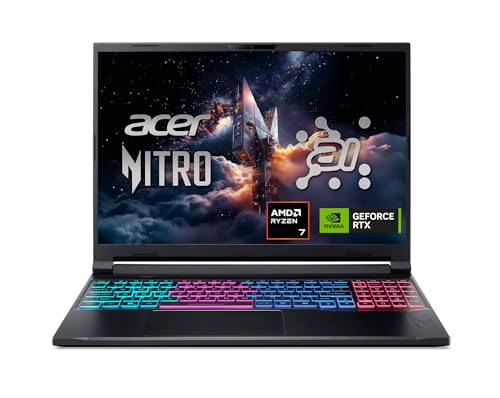
How to pick the best amd gaming laptops: Ryzen tier, graphics chip, memory, cooling and weight for the games you play.
Shopping for a gaming laptop gets confusing fast, because thin convertibles, simple Chromebooks, and tablets all sit next to true gaming machines in search results and all promise great screens and fast performance. This guide compares each type side by side so you can see where the best amd gaming laptops genuinely differ. Once the type is settled, the specs sections help you pick the right tier inside that type.
AMD powered gaming laptops have become a strong value story, since Ryzen processors handle game and background tasks well and often pair with efficient graphics options. Use the comparison table below to see current configurations and prices, then read on for the honest trade offs between power, weight, and battery life that decide daily satisfaction.


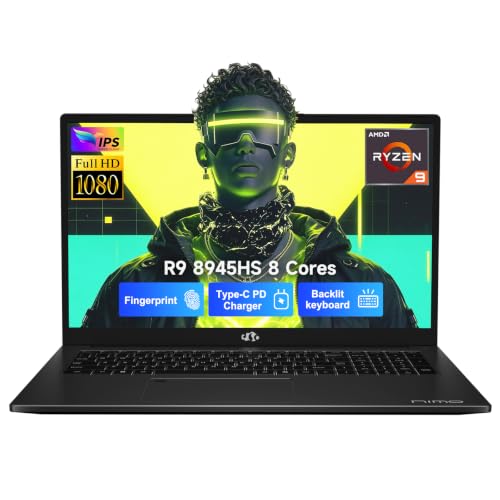
What Sets an AMD Gaming Laptop Apart
An AMD gaming laptop pairs a Ryzen processor with a dedicated graphics chip, active cooling and a keyboard built for long sessions. That is what lets it run demanding games at smooth frame rates, and it is why prices usually start around $800 and rise above $2,000 for high end graphics.
Thin everyday laptops with Ryzen chips and integrated graphics handle esports titles and older games at modest settings, but they run hot and slow when pushed. If play is a main use, buy the cooling and graphics tier first and treat looks as a bonus.
Who Should Choose AMD Gaming Laptops?
Choose an AMD gaming laptop if you play modern titles, stream or record your sessions, edit video, or run engineering and design software for school. Ryzen processors with many cores handle a game plus voice chat, a browser, and recording software at the same time without stuttering. Students in shared housing also benefit, because one machine covers classwork by day and gaming at night. You should choose another type if your needs stop at documents and video, if you travel daily with your computer and rarely play, or if battery life away from an outlet matters more than performance. For a broader short list beyond AMD models, see our guide to the best quality gaming laptops for build and warranty comparisons.
How to Choose the Right AMD Gaming Laptop
Processor and Performance Tier
Look for a current Ryzen 5 or Ryzen 7 processor from the gaming lines, which carry higher power limits than the thin laptop chips with similar names. More cores help streaming and multitasking, while clock speed and cooling decide how long peak performance lasts. A practical know how point is to read the processor suffix letters, because high performance suffixes signal a chip designed for sustained loads. Match the tier to your games, since esports titles need far less processor power than large open world releases.
Graphics (Integrated vs Dedicated GPU)
Integrated graphics handle esports titles and older games at modest settings, and they suit buyers who mostly work and play lightly. A dedicated GPU changes what is possible, enabling high settings, higher resolutions, and smooth play on an external monitor. For 1080p play, an entry to mid range dedicated chip is the sweet spot, while 1440p displays in a laptop call for a stronger chip. If price is the hard limit, our guide to the best inexpensive gaming laptops shows where budget models compromise and where they do not.
Weight and Portability
Gaming laptops range from about four pounds for slim models to seven pounds or more for large desktop replacement designs, and the power brick adds meaningful weight on top. If you carry the machine daily, stay near the lighter end and accept a smaller screen and battery. If it lives on a desk and moves only between rooms, a heavier model with better cooling will feel faster and quieter. Measure your backpack laptop sleeve before ordering, because thick gaming designs do not fit sleeves made for slim notebooks.
RAM and Storage
Sixteen gigabytes of RAM is the right baseline for gaming today, and 32GB helps streamers and creators. Avoid 8GB configurations for a gaming purchase, because modern games plus background apps crowd that amount quickly. For storage, choose an SSD of at least 512GB, with 1TB preferred since single games can pass 100GB. Confirm whether the model allows a memory or storage upgrade later, because an open slot can extend the life of the machine by years. Shoppers comparing general purpose machines too may find our guide to the best notebook laptops a useful contrast.
Care and Maintenance Tips
Keep the operating system and firmware updated, because updates often improve fan behavior, battery handling, and security. Avoid running at 100 percent charge all the time if the maker offers a charge limit setting, since holding a battery near full charge for months ages it faster. Use a padded sleeve when commuting and keep vents clear on soft surfaces such as beds, which can block intake airflow in minutes. Clean the fan area with short bursts of compressed air a few times a year, holding the laptop so dust blows out rather than deeper in. A cooling pad helps on long summer sessions, mostly by lifting the base and improving airflow.
AMD Gaming Laptops: Your Questions Answered
Ryzen 5, 7 or 9 for gaming?
A current Ryzen 5 or 7 from the gaming lines (look for an H or HS suffix) is enough for most games. Ryzen 9 helps streamers and creators who run many tasks at once. For frame rates the graphics chip matters more than the processor tier.
How long should an amd gaming laptop last?
Expect about four to six years of useful gaming life from a mid range model. The graphics chip ages first, so lowering settings over time is normal, while the processor, screen, and keyboard usually stay capable longer. Battery capacity fades gradually with daily charging. Models with upgradeable memory and storage last longest, because those two upgrades solve the most common reasons people replace a laptop.
Is a dedicated GPU worth it in a gaming laptop?
Yes, for anyone playing modern 3D games, a dedicated GPU is the single most important component. It decides resolution, settings, and frame rate more than any other part. It is not worth paying for if your games are browser based, card games, or very old titles, where integrated graphics already run smoothly and the money is better spent on a nicer screen or more storage.
How much RAM does an AMD gaming laptop need?
Sixteen gigabytes is the amount to buy for gaming, school, and everyday multitasking. Eight gigabytes forces constant compromises with modern games and many open tabs. Thirty two gigabytes suits streamers, video editors, and players who run large modded games. Check whether the memory is in two sticks, because dual channel setups give integrated graphics and some games a real performance lift.
Is a high refresh rate screen worth it?
For fast games, yes. A 144 Hz screen looks smoother than a 60 Hz one, but only if the graphics chip can feed it. For slower or single player games, a good color screen at 60 to 120 Hz is enough.
Wrapping Up
Settle the type first, then spend on the graphics tier and cooling before cosmetic extras, and keep 16GB of memory as your floor. The best amd gaming laptops for you balance frame rates with the weight and battery life your routine can accept. Compare your finalists in the product table above, and for cross category context, see our guide to the best laptops with amd processors and our guide to the best gaming computers laptops shoppers compare side by side.


