Best AMD Graphics Cards for Gaming in 2026: How to Choose by Resolution and Budget
Disclosure: We may earn a commission when you buy through links on this page, at no extra cost to you. As an Amazon Associate I earn from qualifying purchases. Learn more

Compare AMD graphics cards for gaming by resolution, VRAM, power, size and cooling, with clear pairing and setup guidance for your next build.
Choosing a graphics card shapes every game you play, from frame rate in fast shooters to detail in large open world titles. The best amd graphics cards for gaming span a wide price range, and paying more only helps if the card matches your monitor and your PC. Use the comparison table below with a clear target in mind.
Start by naming your main goal, such as smooth 1080p play, sharper 1440p detail or full 4K detail. That choice sets the memory, power and budget you need, and it explains what sets the best of amd graphics cards apart from cards built for lighter work.
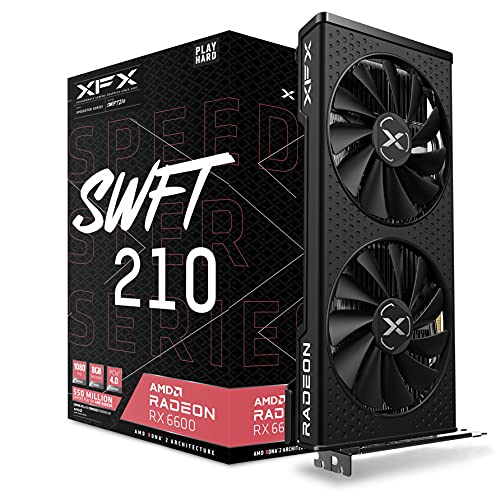
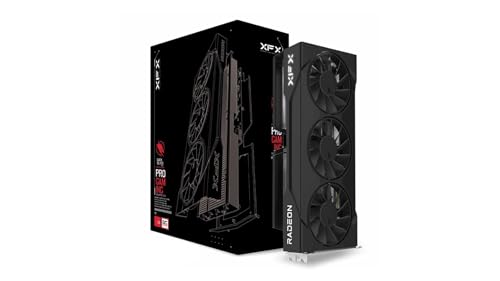


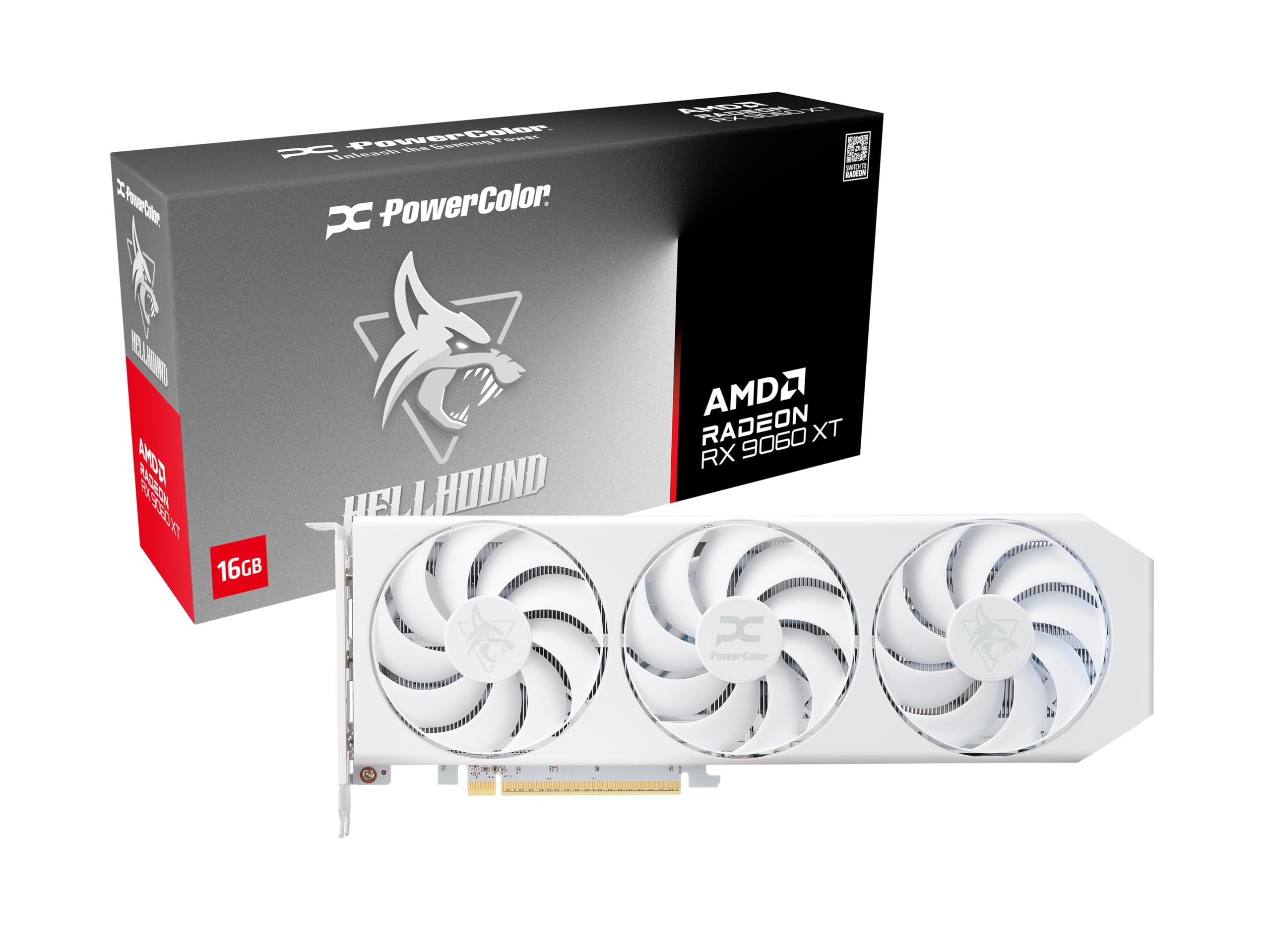
Who Should Buy Which AMD Graphics Cards for Gaming?
Your monitor and your favorite games should decide the card. Pick the group closest to your setup, then confirm the details in the feature sections.
Players Focused on 1080p and High Frame Rates
You play competitive shooters, racing games or popular online titles and value smooth motion over maximum detail. A mainstream AMD card with about 8 to 12 GB of VRAM handles 1080p well at high settings and pairs nicely with 144Hz monitors. Spend on frame rate here, not on extra memory.
Players Moving Up to 1440p Detail
You want sharper images and higher settings without the cost of a full 4K setup. Look for about 12 to 16 GB of VRAM, strong raster performance and support for upscaling, since those traits hold frame rates steady in demanding scenes. Compare price against the games you play most.
Players Building for 4K and Large Screens
You game on a 4K monitor or a large TV and want high settings in story driven titles. Choose a high end AMD card with at least 16 GB of VRAM, a strong cooler and the power headroom to run it under long loads. Your case, supply and CPU must match that level.
Key Features to Compare
Compare cards in this order and each spec becomes easier to judge. For the wider market view, see our guide to the best graphics cards for gaming and then return to the AMD choices here.
Resolution and Frame Rate Goals
Your target resolution decides how hard the card must work each frame. At 1080p the card renders about 2 million pixels per frame, at 1440p about 3.7 million, and at 4K about 8.3 million, so each step up demands much more power. A card built for 1440p is wasted on a 60Hz 1080p screen, while a basic card will dip below smooth rates on a 4K screen.
VRAM Capacity and Memory Bandwidth
VRAM stores textures, frames and game assets close to the GPU, and running out of it causes stutter and forced lower texture settings. About 8 GB suits 1080p, about 12 to 16 GB suits 1440p, and 16 GB or more suits 4K with high textures. Bandwidth matters as well, since a wide memory bus moves data faster in large scenes.
Ray Tracing and Upscaling for Gaming
Ray tracing adds realistic light, shadows and reflections, but it lowers frame rates more than most other settings. AMD cards handle it best when you pair moderate ray tracing with upscaling, where the card renders at a lower internal resolution and rebuilds a sharp image. That trade suits story games more than competitive play, where most players turn it off to protect frame rate.
Power Draw, Connectors and Supply Fit
Check the card power rating and the connectors it needs before you buy, since many AMD cards use one or two 8 pin connectors and stronger cards draw much more under load. A quality supply with headroom runs quieter, and a rating such as 80+ Gold signals solid efficiency. About 550 to 650 watts suits most mainstream builds, while high end cards often call for about 750 to 850 watts.
Card Length, Cooling and Noise
Measure the space inside your case before ordering, since many gaming cards run about 280 to 340 mm long and compact models stay closer to about 200 to 240 mm. Leave room for cables and airflow in front of the fans. Larger coolers with two or three fans run cooler and quieter, but they take more slots. In small form factor pcs, a shorter card is often the only safe choice.
CPU Pairing, Platform and Display Outputs
Pairing matters because a slow CPU can hold back the best amd graphics cards for gaming in busy scenes, especially at 1080p where frame rates run highest. Choose a current mid range CPU or better for 1440p and 4K play, confirm your board has a PCIe x16 slot, and check that outputs match your monitor, such as DisplayPort for high refresh rates. Platform memory and storage, including DDR5 and an NVMe SSD, shape load times, but they do not replace a balanced pairing. If you are planning the whole system, see our guide to the best graphics cards for gaming pc builds for the wider picture.
Types of AMD Graphics Cards for Different Builds
AMD cards fall into clear classes once you sort them by size and target resolution. Our guide to the best amd radeon graphics cards gives more background on the Radeon line.
Compact Cards for Small Form Factor Builds
Compact cards use shorter boards and smaller coolers to fit tight cases with limited airflow. They suit small desks and living room PCs where space matters more than top speed. Expect solid 1080p and entry 1440p play, with more heat and noise than a full size card at the same settings.
Mainstream Cards for 1080p and 1440p Play
Mainstream cards balance price, power draw and speed for the most common monitors. They fit standard cases, run on modest power supplies and cover esports titles easily while still handling large story games at tuned settings. For most buyers this class delivers the best value.
High End Cards for 4K Builds
High end cards carry the most VRAM, the widest memory paths and the largest coolers in the AMD range. They target 4K and very high refresh 1440p play, and they need a strong supply, a roomy case and a capable CPU. See our guide to the best graphics cards for 4k gaming to compare the wider 4K field.
Common Mistakes to Avoid
Most regret comes from a mismatch between the card and the rest of the system.
- Buying a 4K class card for a 1080p 60Hz monitor wastes money on power you cannot see on screen.
- Ignoring card length and thickness leads to a card that blocks cables or case panels after it arrives.
- Reusing an old low wattage power supply risks shutdowns when the card draws peak power in games.
- Choosing only 8 GB of VRAM for demanding 1440p games forces lower textures and uneven frame pacing.
- Skipping driver updates after a big game launch leaves fixes out of the games you play most.
- Judging a card by clock speed alone misleads you, since memory and cooling change real frame rates more.
Setup and Care Tips for AMD Graphics Cards
Install the card with the PC off and unplugged, seat it in the PCIe x16 slot until the latch clicks, and connect every power plug the card requires. Support a long heavy card if it sags, and route cables clear of the fans. On first boot, install current AMD drivers and set your monitor to its full refresh rate.
- Clear dust from fans and case filters every three months, since blocked airflow raises temperatures and fan noise.
- Update GPU drivers through AMD software, and update your board BIOS only when a fix calls for it.
- Watch GPU temperatures with free monitoring tools, and act if load temperatures stay above about 85 degrees Celsius.
- Use a surge protector, since a power spike can damage the card and the supply together.
AMD Graphics Cards: Your Questions Answered
How much VRAM do AMD graphics cards need for 1440p gaming?
Most 1440p players should choose 12 to 16 GB of VRAM for AMD graphics cards. That range covers high textures in current games without paying for flagship capacity. Watch memory use in the AMD overlay during your heaviest game. If use stays well below the limit, spend your next upgrade money on a faster monitor instead.
Can AMD graphics cards run ray tracing well for gaming?
Yes, AMD graphics cards can run ray tracing, and results depend heavily on the game and the settings you choose. Start with low or medium ray tracing and turn on upscaling before you judge the result. Test an open area and a busy city scene separately, since ray tracing costs far more in reflective scenes.
How do I check if an AMD graphics card fits my case and power supply for gaming?
Measure the clear length from the rear bracket to the first drive cage or radiator, then compare it with the card length and leave space for cables. Next compare your supply wattage and its 8 pin plugs with the card requirements. A paper template cut to the card size is a simple way to test fit before you order.
Is a liquid cooled AMD graphics card worth it for gaming?
For most players, no, a liquid cooled AMD graphics card is not worth the extra cost and setup. Large air coolers already keep mainstream and many high end cards in a safe range. Liquid models help mainly in tight cases or where low noise matters more than price. Plan radiator space before you buy one.
How often should I update drivers for an AMD graphics card used for gaming?
Update drivers for an AMD graphics card when a new game you play lists support, when you see a bug you actually have, or about once a month as routine care. You do not need every optional release at once. Keep the prior driver installer saved for a week, so you can return to it if needed.
Our Verdict
Start with your resolution, then confirm VRAM, power, size and CPU pairing in that order. Those checks remove most poor matches before price enters the choice. Use the product table above to compare the finalists.
When the system and the screen agree, the best amd graphics cards for gaming deliver smooth rates and sharp detail without constant setting changes. Choose the lowest class that meets your target with headroom to spare.